

































































































Panorama
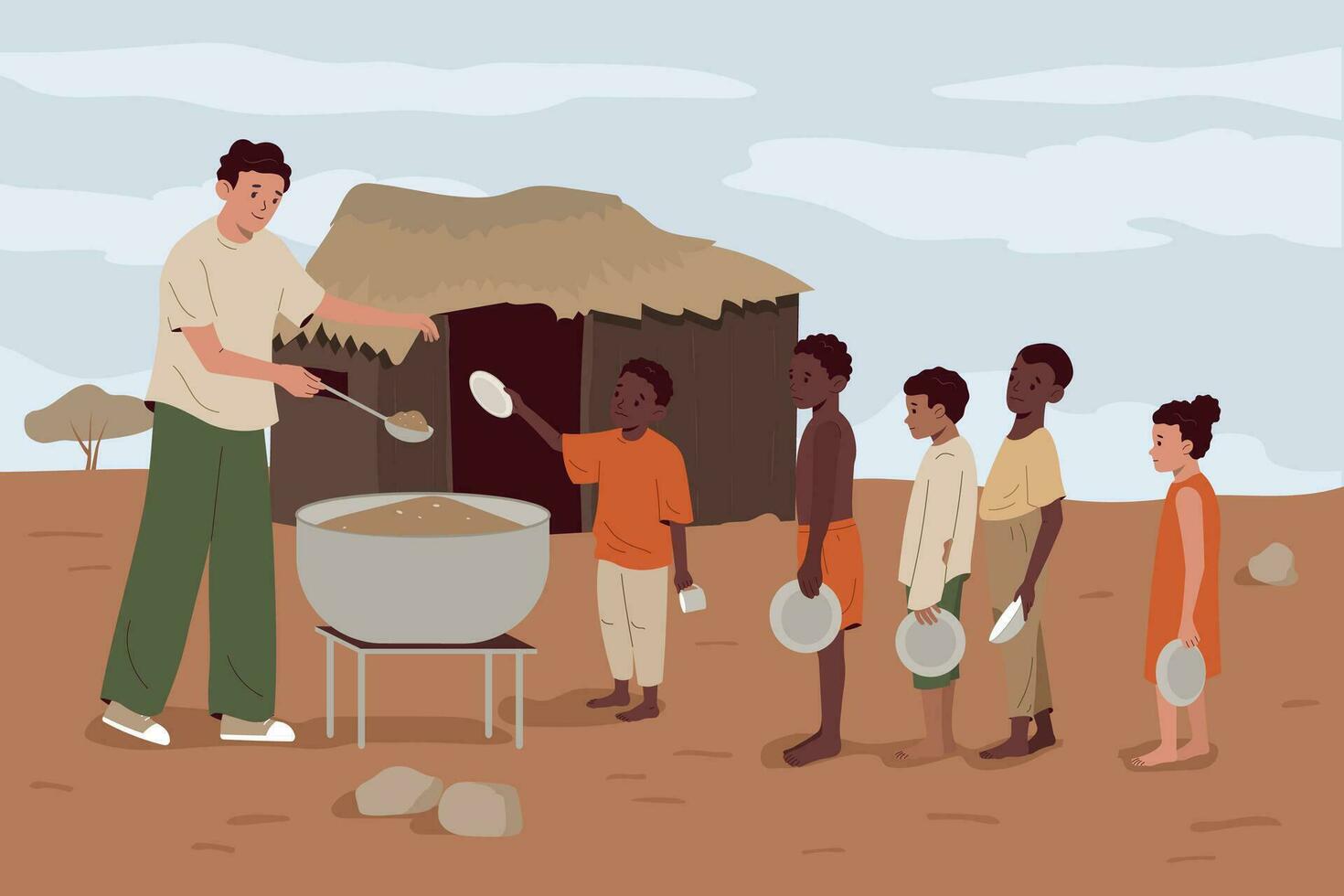
Children and mothers in South Sudan are facing a worsening hunger and nutrition crisis as conflict, climate shocks, displacement and declining humanitarian aid threaten access to food and essential services, the UN World Food Programme (WFP) has warned.
According to UN News, about 7.8 million South Sudanese, more than half of the country’s population, are facing high levels of acute food insecurity. Among those most urgently affected are 2.2 million children and 1.2 million pregnant and breastfeeding women, who require nutrition support.
WFP Assistant Executive Director for Programme Operations, Matthew Hollingworth, says that conflict, economic hardship, displacement, climate shocks and the war in neighbouring Sudan are converging to push millions deeper into vulnerability.
El Niño threatens food security
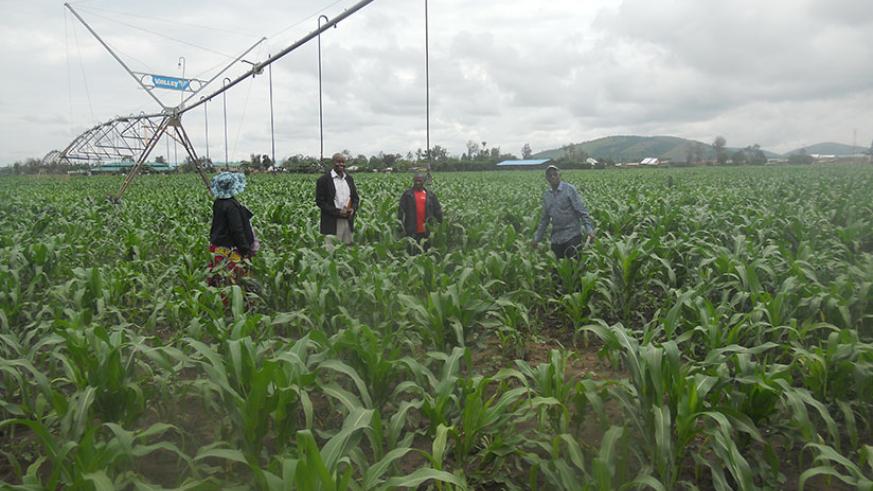
The developing “super El Niño” is already affecting agricultural production in South Sudan, with drought contributing to crop failures and lower yields, including in some of the country’s most productive farming areas.
The effects of extreme weather are also being felt in neighbouring Sudan, Eritrea, Ethiopia, Uganda and Kenya, increasing pressure on food systems across the region.
For children, pregnant women and breastfeeding mothers, declining access to nutritious food and essential services raises serious concerns about malnutrition and wellbeing.
Sudan war adds pressure
The conflict in neighbouring Sudan is further worsening the situation.
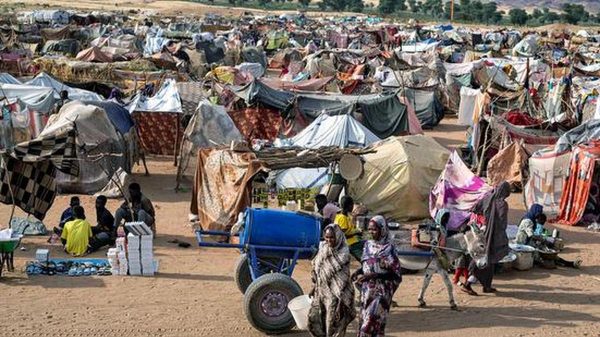
Around 3,000 refugees and South Sudanese returnees arrive in South Sudan each week, according to WFP, many seeking safety, food, water and shelter.
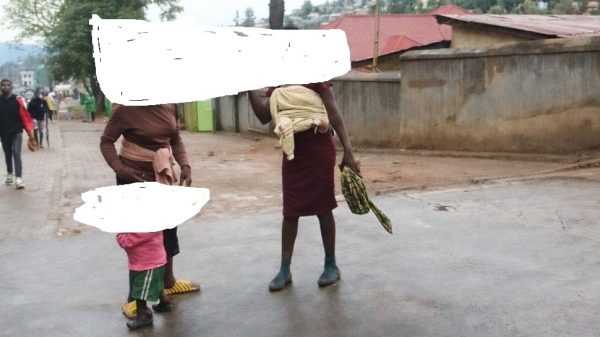
During a recent visit to Renk, Upper Nile State, Hollingworth, says that he met women, children and older people who had travelled for days or weeks to escape fighting. Many arrive exhausted and hungry in communities already struggling to meet their own needs.
The continued influx is placing additional pressure on food supplies, water and nutrition services.
Aid shortage threatens assistance
WFP warned that another one million vulnerable people could lose access to life saving food and nutrition assistance by October without additional resources.
Humanitarian operations are also being affected by access challenges. Food and other supplies transported along the Nile face illegal checkpoints and taxation, according to WFP, increasing costs and slowing deliveries.
In Malakal, Upper Nile State, the high cost of transporting food by road or barge has contributed to reliance on more expensive air deliveries for some supplies.
WFP is calling for increased humanitarian funding and improved access to ensure that children, pregnant and breastfeeding women and other vulnerable communities continue to receive life-saving food and nutrition assistance as climate and conflict pressures intensify.