By Staff Writer
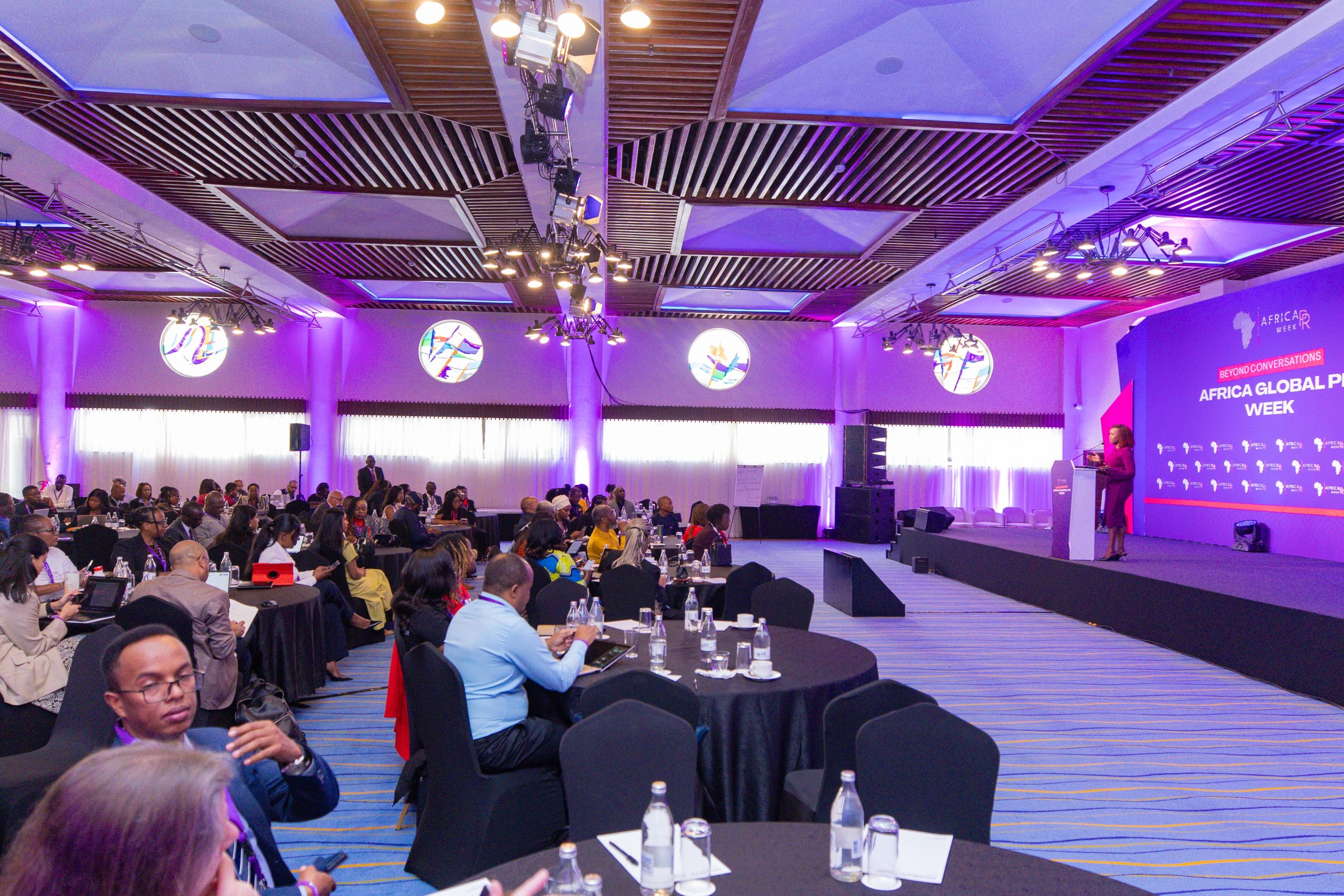
Africa’s global reputation is increasingly becoming an economic asset. It can influence investment, trade, tourism and consumer demand. These issues will take centre stage when Africa Global PR Week returns to Nairobi from June 16–18, 2027.
The three-day event will bring together leaders from government, business, media, academia and strategic communications. They will examine how Africa can turn its identity and international influence into economic opportunities.
The gathering will run under the theme, “The Africa Reputation Economy: Turning Identity, Influence and Reputation into Economic Value.”
The focus will be on how the continent can use its reputation to attract investors, promote local products and strengthen the competitiveness of African businesses.
A major concern is the gap between positive perceptions of Africa and actual demand for its products.
The Africa Brand Index Baseline Report 2026 found that 80 per cent of respondents believed in Africa. However, only 15 per cent expressed a preference for buying African brands.
This gap presents a challenge for African businesses. Positive perceptions do not automatically translate into sales, investment or market growth.
The report argues that stronger consumer confidence and visible product quality are essential to increasing demand for African goods and services. It also identifies reputation as a strategic economic asset. It can influence investment decisions, diplomatic relations and tourism.
Building stronger African brands
The Africa Brand Index sets out targets for 2030. It seeks to increase the share of African brands among the world’s 100 most admired brands from 15 per cent to at least 25 per cent.
It also aims to raise consumer preference for African brands from 15 per cent to 50 per cent. Another target is to increase the combined value of brands in the Africa 200 ranking from $62.6 billion to more than $100 billion.
The report also highlights the concentration of brand value. South Africa accounts for 71 per cent of the Africa 200 brand value cited in the baseline assessment.
Expanding this value across the continent will require stronger businesses and wider market access. It will also require better investment conditions and more competitive African products.
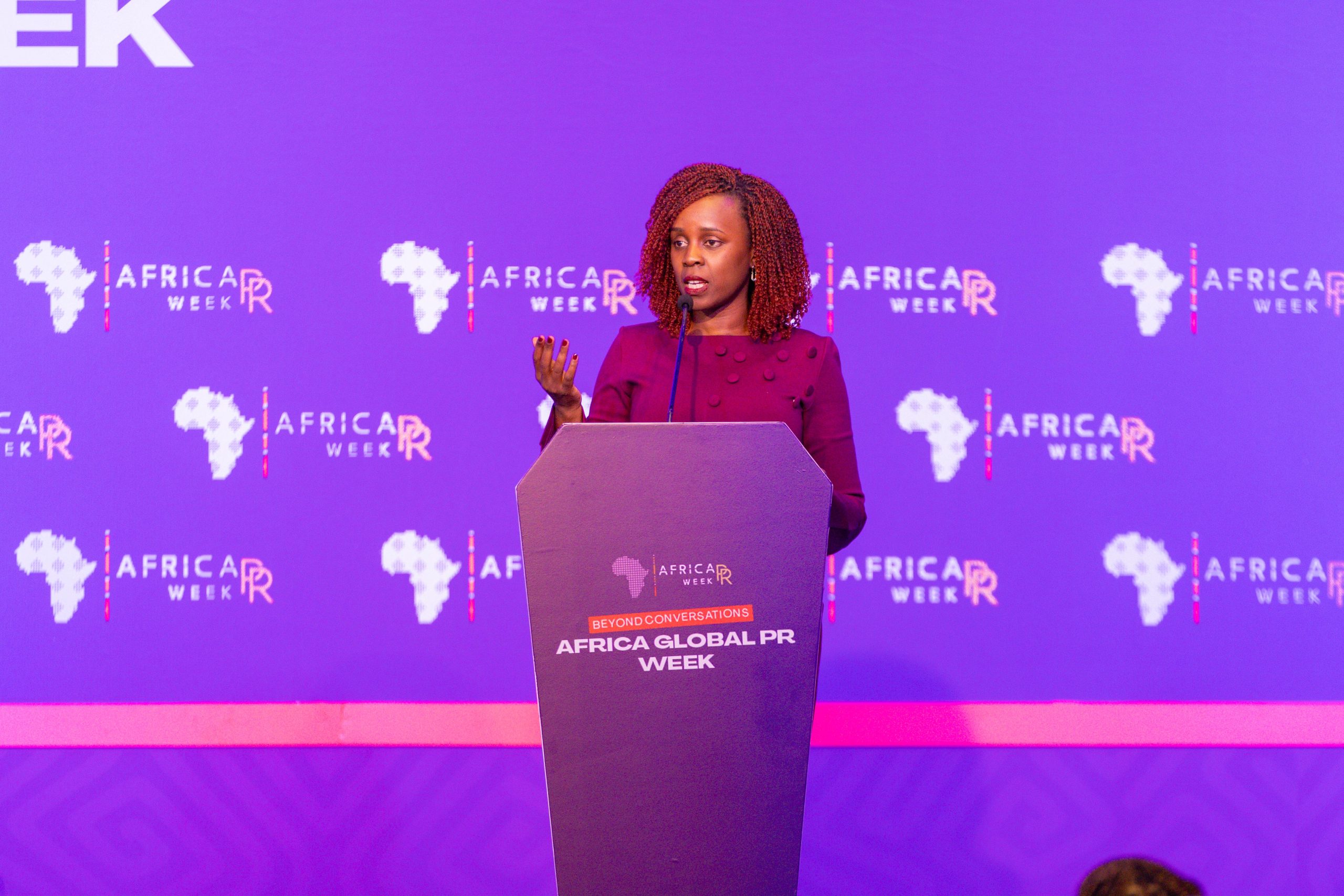
Mary Njoki, Chair of Africa Global PR Week, said Africa must take greater control of its international image. “Africa must move beyond simply responding to how the world sees us. We must become more intentional about the identity we project, the reputation we build and the value we create,” she said.
She noted that reputation should help attract investment, strengthen African brands and create economic opportunities.
Culture and innovation as economic drivers
The 2027 programme will also examine the economic potential of Africa’s creative industries. The Africa Brand Index identifies culture, heritage, tourism and media exports as important sources of economic value.
It calls for African creative products to reach wider markets. This could create new business opportunities and strengthen tourism. Innovation and sustainability will also feature in the discussions.
The report highlights the need to position African start-ups as exporters of scalable solutions. It also calls for measurable evidence of environmental and social progress.
The programme will include keynote speeches, panel discussions, masterclasses and networking sessions. Topics will cover investment appeal, nation branding, economic diplomacy, African brand competitiveness and the influence of media.
A University Public Relations Challenge will bring together students from universities across Africa. Participants will address practical communications challenges and engage with industry professionals.
The initiative aims to connect academic institutions with the communications industry. It will also help prepare young professionals for the sector. Beyond the annual event, organisers plan to develop the Africa Brand Index into a wider research and policy platform.
Its 2026–2030 roadmap includes pilot surveys in 2027 and continental country scorecards in 2028. Sector-specific indices covering cities, tourism, innovation and corporate brands are planned for 2029. A live online platform is targeted for 2030.
The broader ambition is to help African countries and businesses convert international recognition into investment, stronger brands, market expansion and sustainable economic growth.