By Rene Anthere Rwanyange
KIGALI — Hospitals, healthcare workers and wounded people must be protected during armed conflicts, with International Humanitarian Law imposing strict conditions on any attack against medical facilities, even when they lose their special protection.
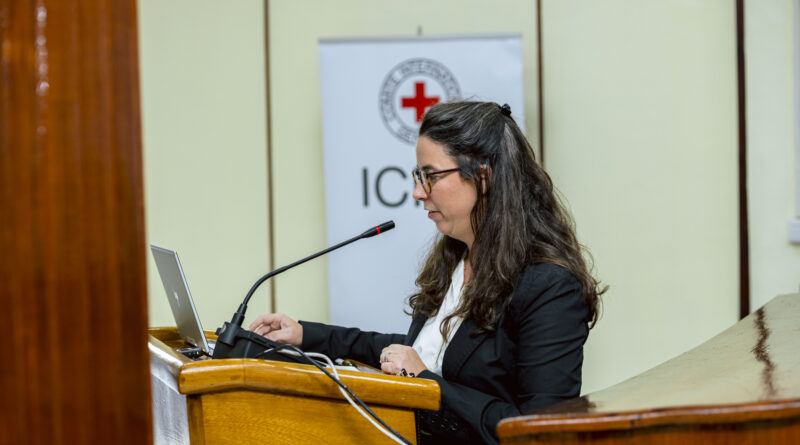
The obligations were highlighted by Helen Obregón Gieseken, Legal Adviser and contributor to the International Committee of the Red Cross (ICRC)’s Humanity in War initiatives, during a public lecture at Kigali on October 16, 2026.
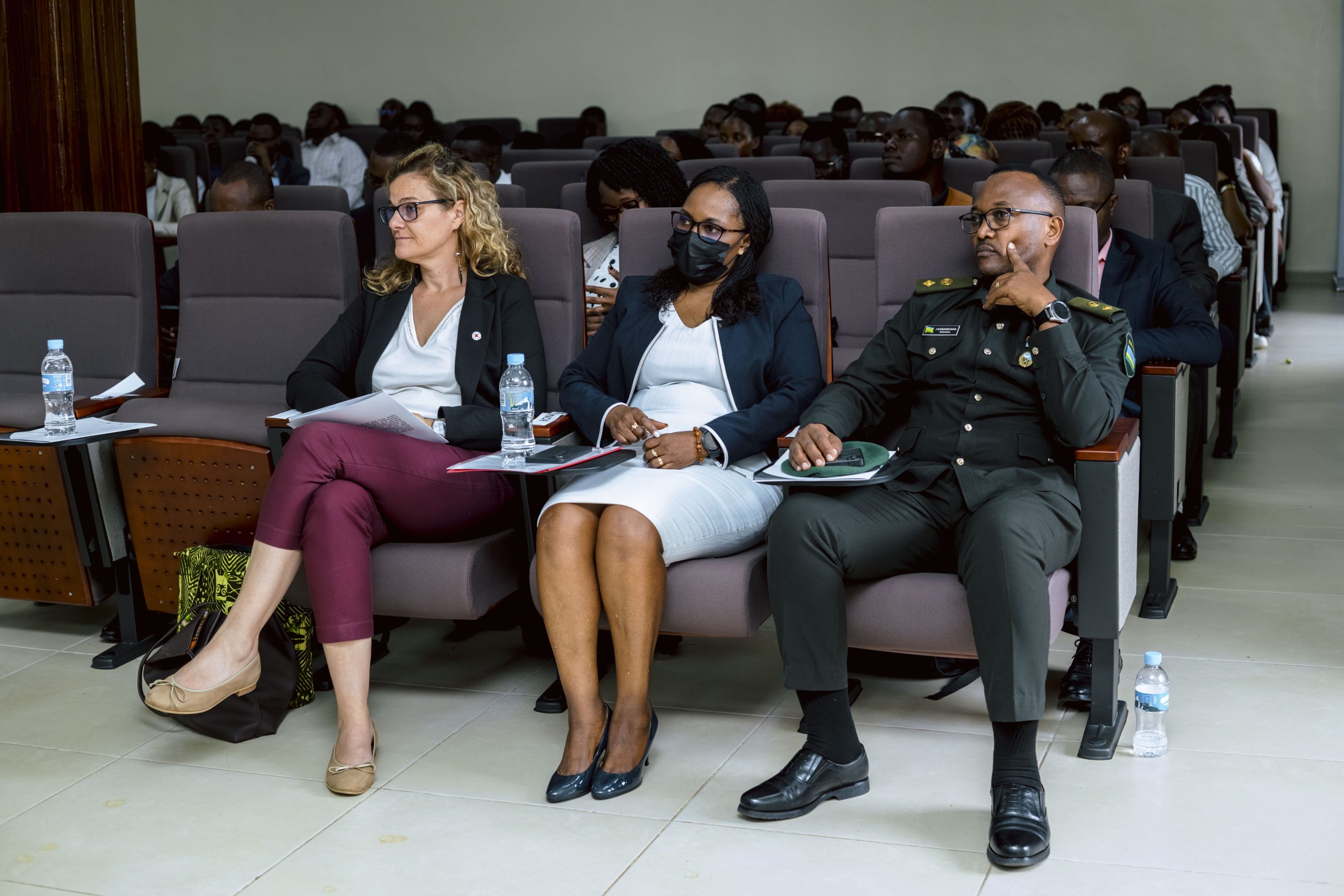
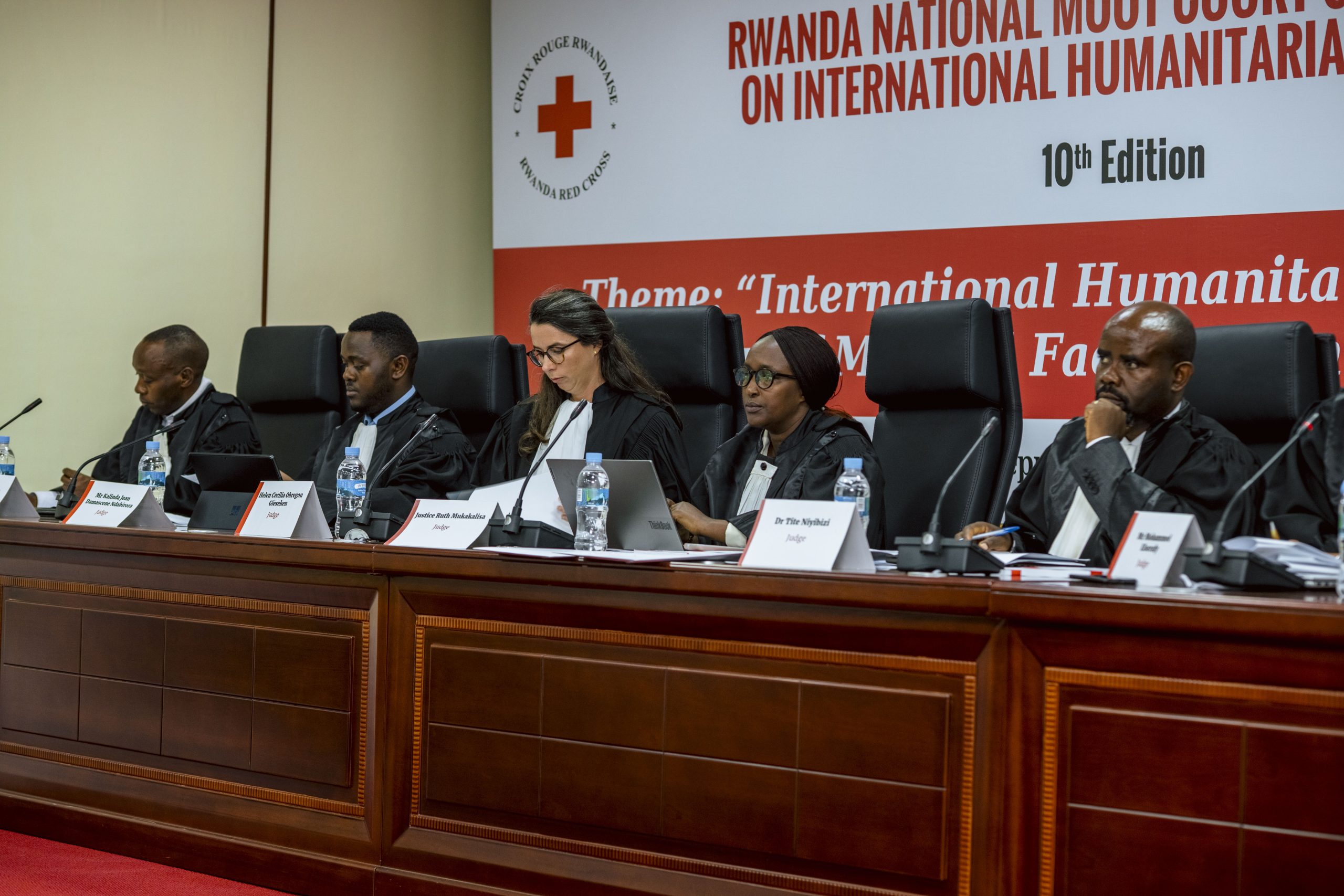
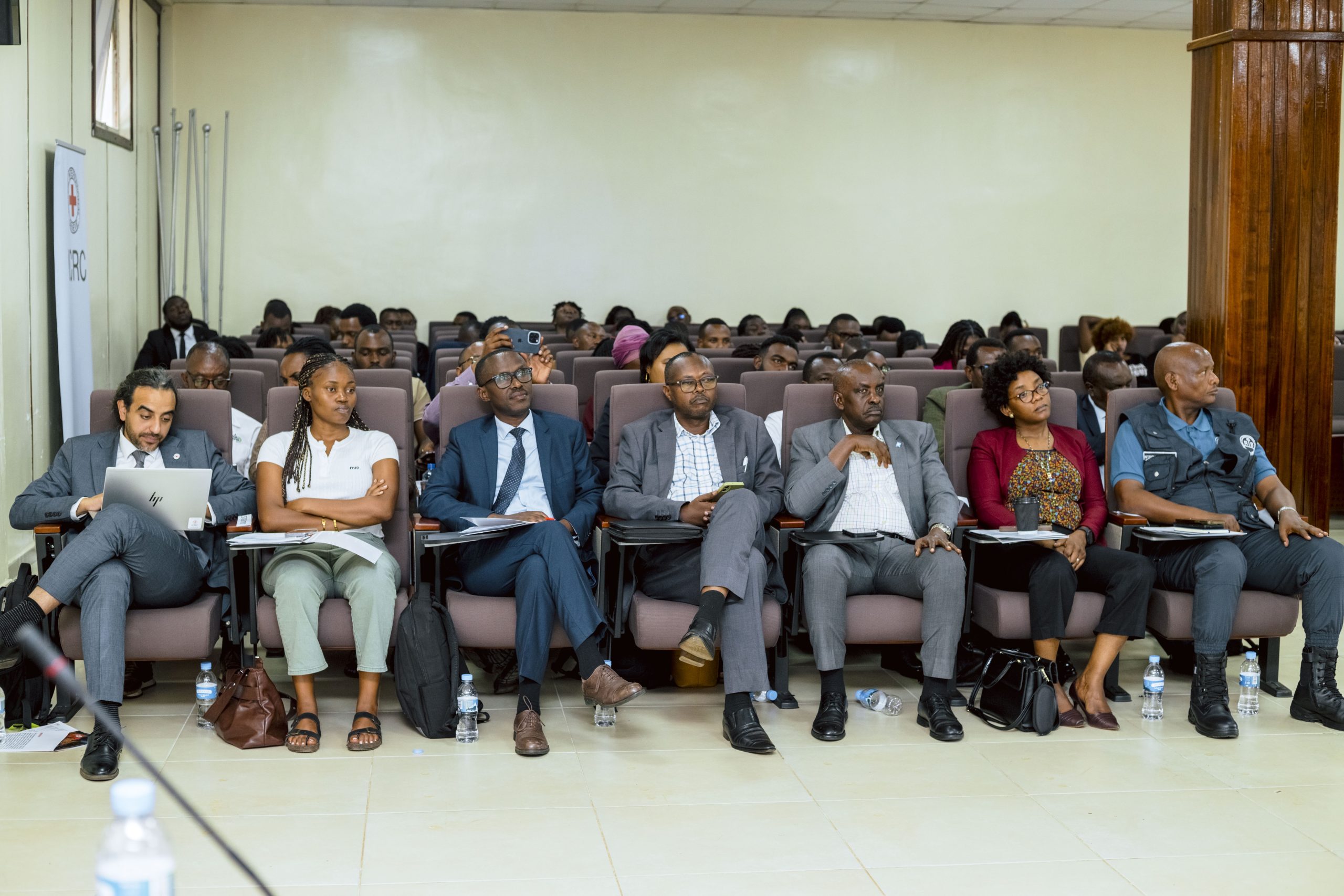
The lecture took place at the Supreme Court at Kacyiru, during the closing ceremony of the 10th National International Humanitarian Law (IHL) Moot Court Competition, organised by the ICRC in Rwanda.
Gieseken explains that International Humanitarian Law, also known as the law of armed conflict, requires parties to protect hospitals, medical personnel and transport, regardless of whether they provide treatment to civilians or wounded combatants from opposing sides.
The law also requires wounded and sick people to receive care without discrimination and calls for their evacuation and treatment to be facilitated without unnecessary delays that could endanger their lives.
Using a hypothetical checkpoint scenario, Gieseken illustrates the consequences of delays in accessing medical care. Within the example, security forces delayed a vehicle carrying a severely wounded fighter while conducting security checks. The fighter died before the vehicle was allowed to proceed.
The case highlighted the need to balance legitimate security checks with the obligation to ensure that wounded people receive timely medical attention.
The lecture also examined circumstances under which a medical facility may lose its special protection, including when it is used to store weapons or support military operations beyond its humanitarian function.
However, Gieseken stresses that such misuse does not automatically make a hospital a lawful military target.
Under international humanitarian law, a warning must be issued and remain unheeded where required before a medical facility can lose its special protection. Even in such circumstances, any attack must comply with the rules governing military objectives, proportionality and precautions to minimise harm to patients, healthcare workers and civilians.
The loss of special protection therefore does not give parties to a conflict unrestricted authority to attack a medical facility.
Gieseken also highlightes practical measures to safeguard healthcare during hostilities, including mapping medical facilities, maintaining safe access to medical supplies and ensuring hospitals have reliable water, electricity and fuel supplies.
She emphasises that the importance of coordination between authorities and healthcare providers in maintaining essential medical services during armed conflicts.
The discussion drew on the Global IHL Initiative, particularly its work on hospital protection, which seeks to turn states’ commitments under international humanitarian law into practical measures to safeguard healthcare.
The public lecture was part of the two-day 10th National IHL Moot Court Competition, held on October 15 and 16. The competition brought together law students for simulated court proceedings involving prosecution and defence arguments based on international humanitarian law.
It seeks to strengthen students’ understanding of the laws governing armed conflicts, improve their legal research and advocacy skills, and raise awareness of the obligations of parties to conflicts.
The ICRC works to protect and assist people affected by armed conflict and other situations of violence. It also promotes respect for international humanitarian law through engagement with academic institutions, legal practitioners, public authorities and other partners.