Rene Anthere Rwanyange
Rwanda’s 10-year agreement to host Formula 1 is expected to boost tourism, attract international investment and create jobs, while positioning the country as a major destination for global sporting events. The championship’s return to Africa after more than three decades also opens opportunities for local businesses, skills development and the growth of motorsport across the continent.
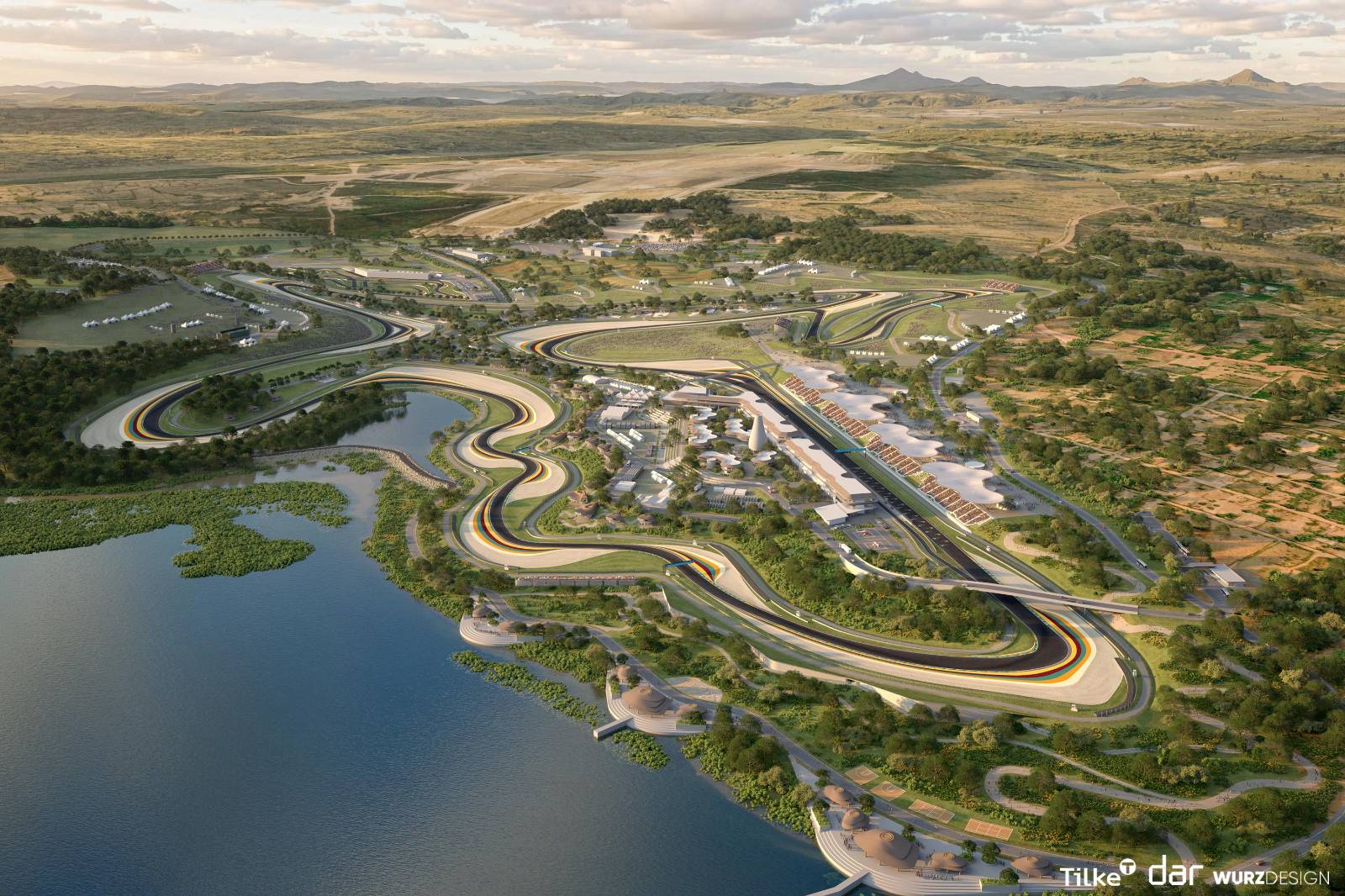
Formula 1 announces the agreement on October 13, 2026, with Rwanda expected to join the championship calendar in the early 2030s after the construction of a purpose-built circuit in Bugesera District.
The circuit, located near the new Kigali International Airport, is expected to attract international visitors, racing teams, sponsors and media while creating business opportunities in hospitality, transport, construction and event management.
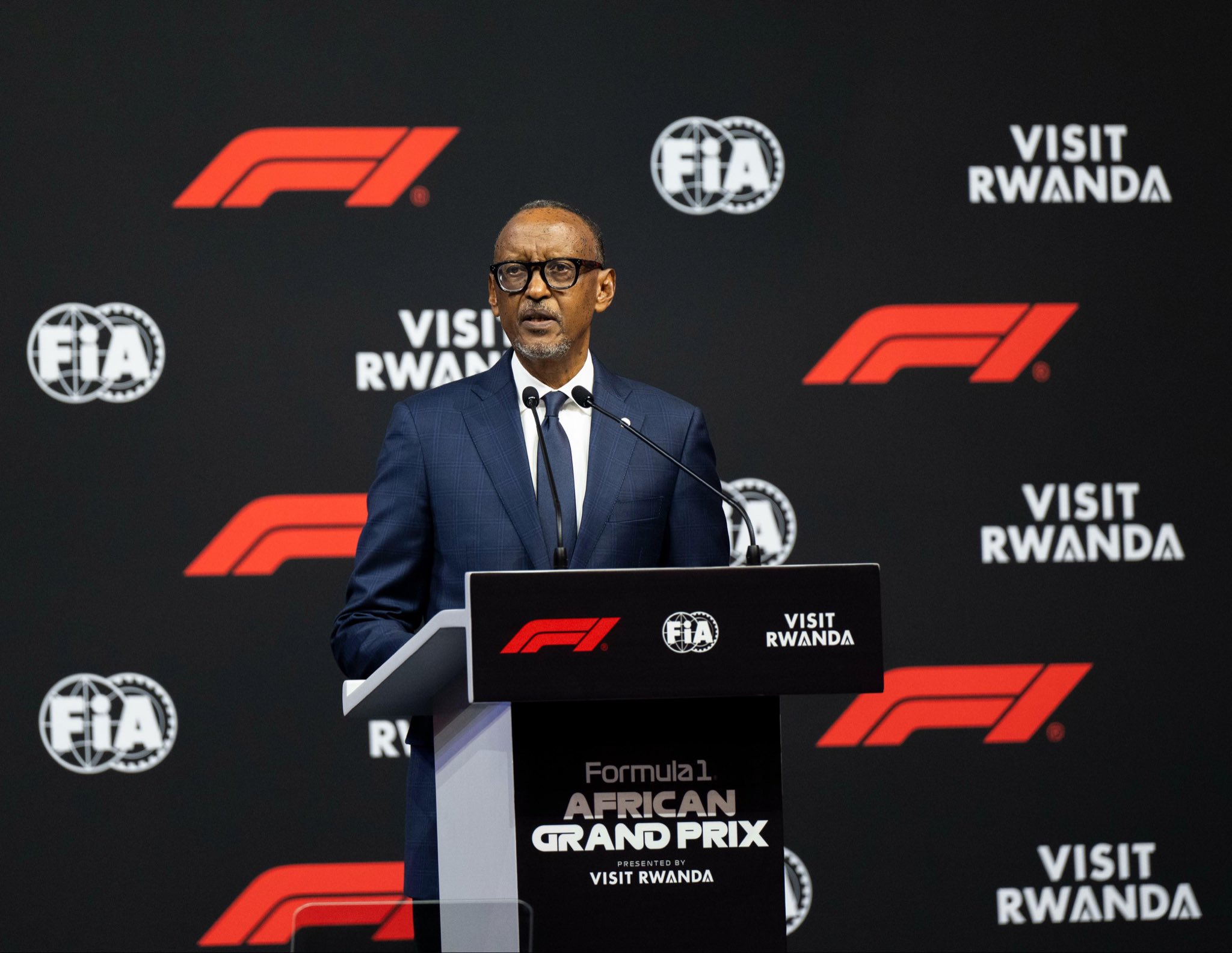
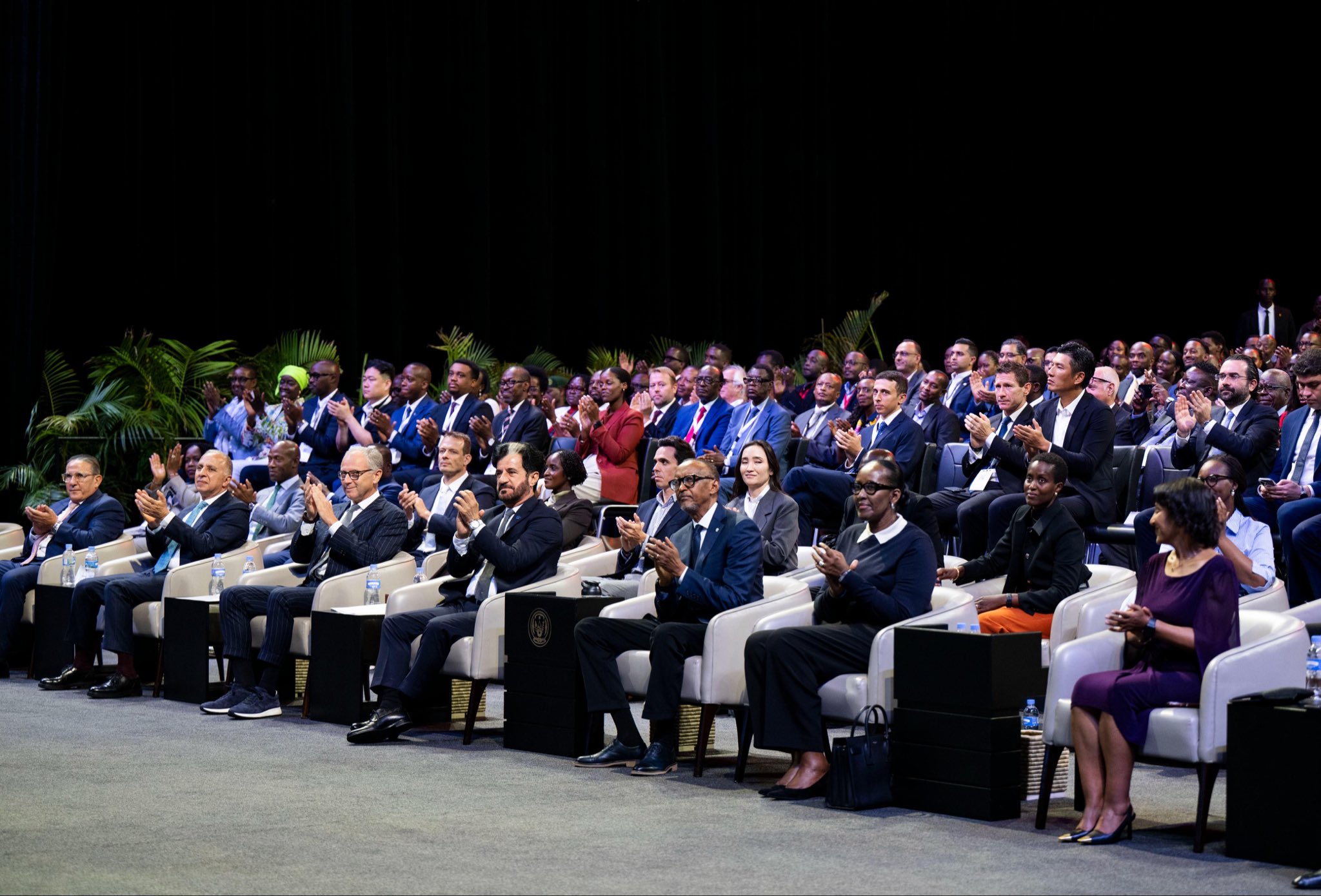
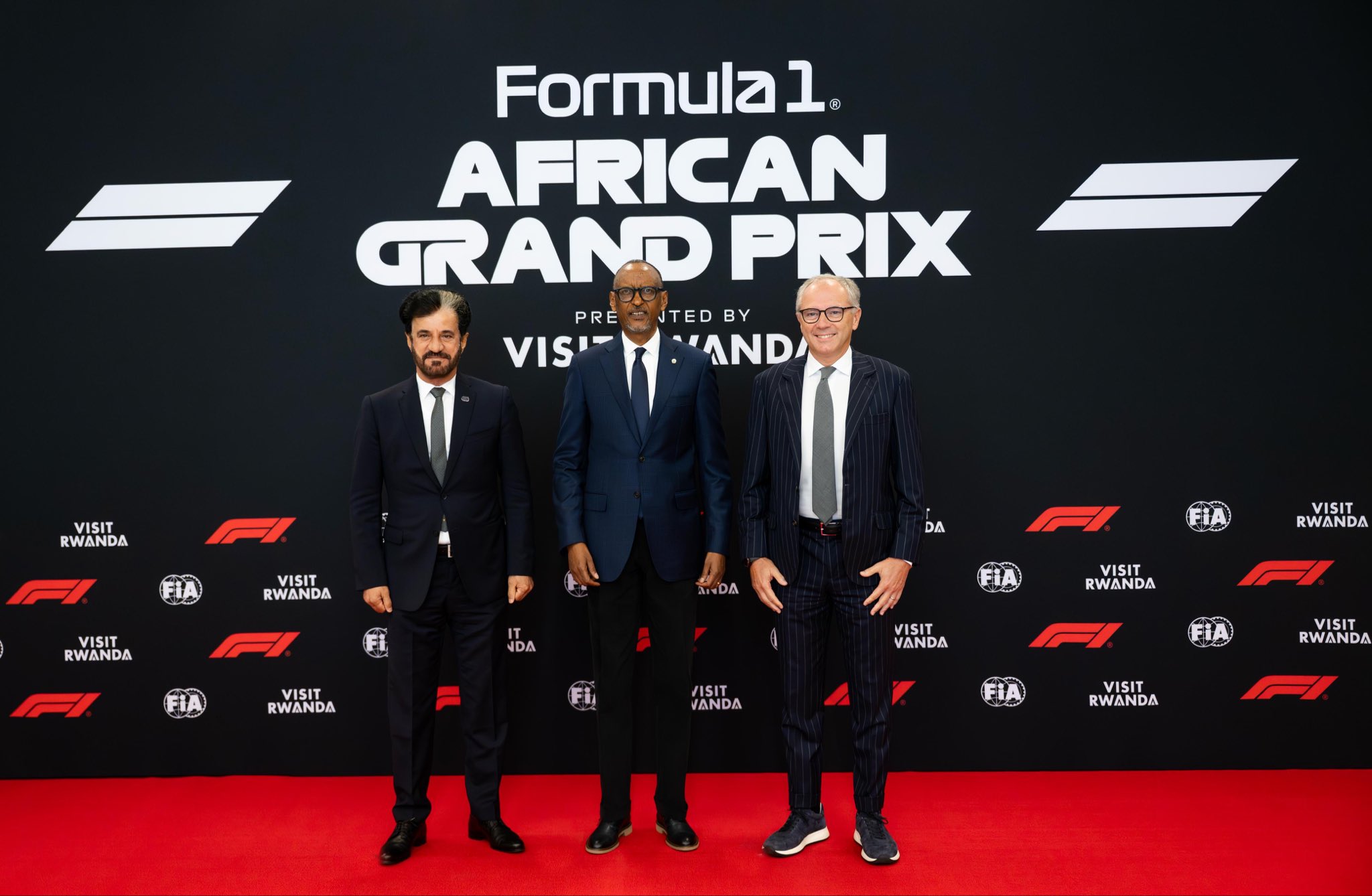
President of Rwanda, Paul Kagame, describes that the agreement as a historic moment for Africa and an investment in Rwanda’s future.
“Today belongs to Africa. For more than three decades, the world’s premier motorsport championship has raced without this continent, and that changes with this agreement. Rwanda is proud to host the Formula 1 African Grand Prix, and to share this moment with more than 100 million fans across Africa, many of them young people who deserve to see the sport at home and to see themselves in it: as engineers, technicians, entrepreneurs and, one day, drivers,” President Kagame says.
He says the 10-year partnership aims to deliver benefits beyond the race weekend. “This ten-year partnership is also an investment in Rwanda’s future. The circuit in Bugesera, alongside the new international airport, will bring jobs, skills, tourism and new business to our country and our region for decades to come, because our aim was never a single race weekend, but a lasting benefit for our people,” he says.
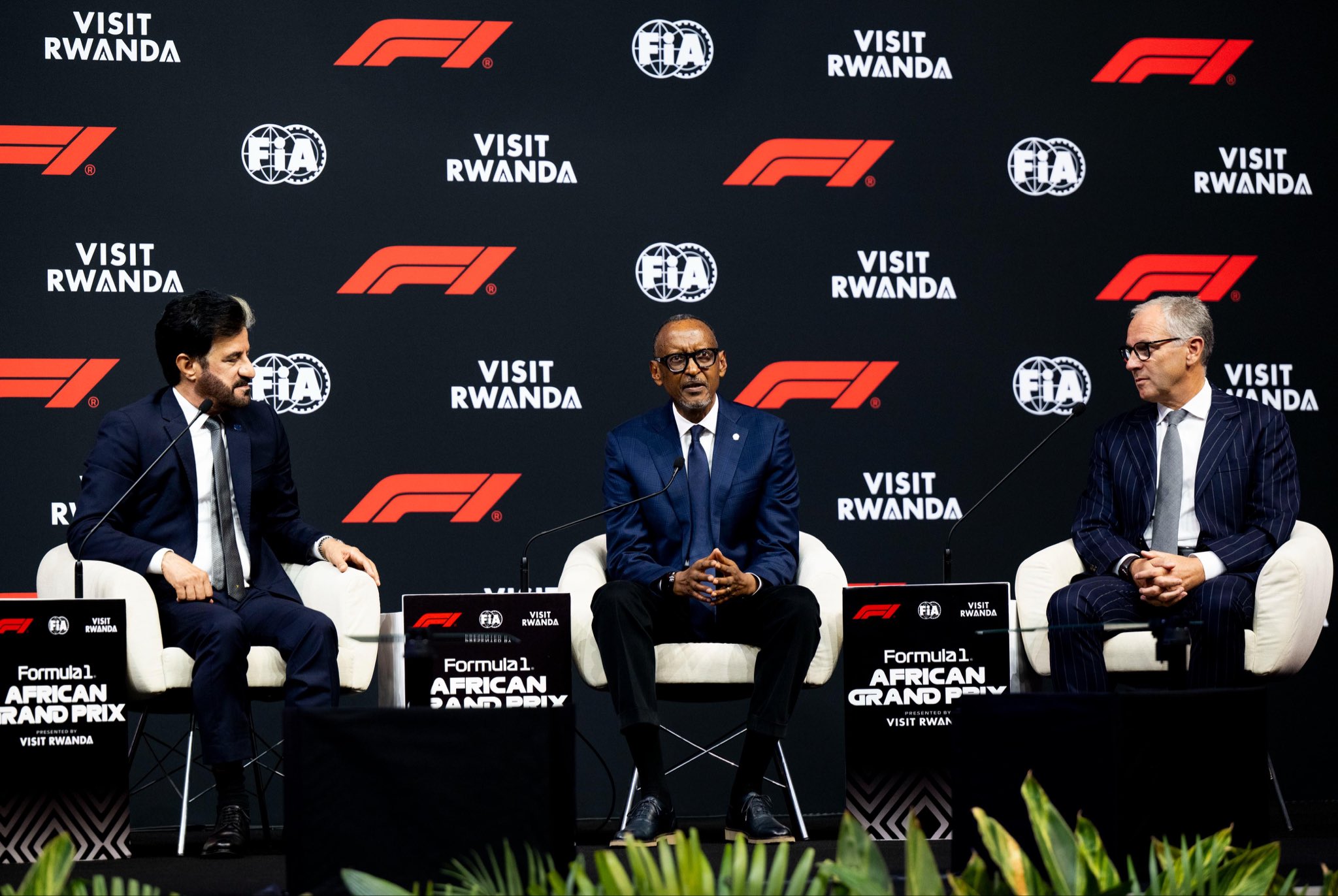
President Kagame thanks Formula 1 President and Chief Executive Officer Stefano Domenicali, FIA President Mohammed Ben Sulayem and other partners for helping secure the agreement.
Bugesera at the centre of the project
The planned circuit positions Bugesera at the centre of Rwanda’s motorsport ambitions. Its proximity to the new international airport is expected to ease access for visitors, teams and equipment.
The project could generate demand for hotels, restaurants, transport, logistics, security and broadcasting. It could also create technical career opportunities for young Rwandans in engineering, mechanical services and event management.
However, the scale of these benefits will depend on construction and operating costs, financing arrangements, local business participation and visitor spending beyond race weekend. Using the circuit for other sporting and commercial events could help sustain business activity throughout the year.
FIA sees opportunities for African talent
Mohammed Ben Sulayem, President of the Fédération Internationale de l’Automobile (FIA), describes Formula 1’s return to Africa as a historic milestone.
“The return of the FIA Formula One World Championship to Africa is a historic moment for our sport and an important step in the continued global growth of motorsport,” he says.
Ben Sulayem says that the FIA will work with Formula 1 Management and other partners to ensure the circuit meets international standards while promoting talent development.
“This agreement is also about creating a lasting legacy, inspiring new generations, developing talent and opening new opportunities for motorsport across Africa and beyond,” he says.
For Rwanda, wider region and the entire Africa, translating these ambitions into training, technical expertise and opportunities for local businesses will be critical to expanding the benefits beyond the race itself.
Formula 1 targets a lasting African presence
Stefano Domenicali, President and Chief Executive of Formula 1, says that Rwanda’s planned entry into the calendar will bring the sport closer to African fans.
“Today is a landmark moment for Formula 1. With Rwanda joining the calendar from the next decade, our sport will race in every inhabited continent, bringing the World Championship closer than ever to fans around the globe,” he says.
Domenicali says that the return reflects a commitment to a long-term partnership. “Africa has always been part of Formula 1’s future, and from the beginning we were determined to return in the right way, with the right partner, a long-term commitment and a clear vision for creating meaningful impact,” he adds.
He cites that more than 100 million Formula 1 fans across Africa, describing the continent as an important audience for the championship’s global expansion.
Economic returns remain the key test.
Hosting Formula 1 offers Rwanda an opportunity to strengthen its international profile, attract visitors and expand its events industry. But the financial and economic returns will depend on the cost of building and operating the circuit, the partnership’s financing arrangements and the revenue generated over the 10-year period.
Rwanda must also prepare for transport demand, accommodation, spectator safety and coordination with the international racing calendar. Ensuring local companies secure contracts and Rwandans acquire transferable technical skills will be essential to spreading the benefits. The circuit’s use outside Grand Prix weekends could also help maintain demand and generate revenue between races.
As Rwanda prepares for the African Grand Prix in the early 2030s, the challenge is to turn international attention into lasting tourism revenue, jobs, skills development and investment for the country and the wider region.