





































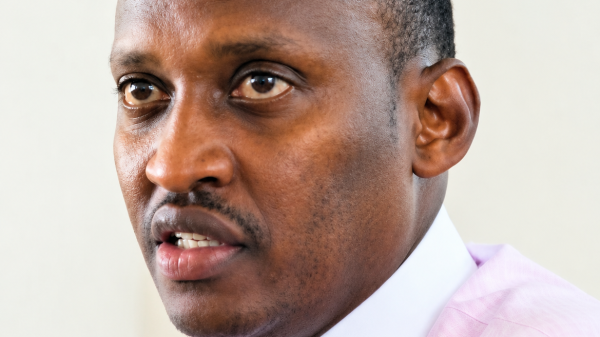













































By Nana Amoah- Director of Gender, Youth and Inclusiveness, AGRA
To every young person wondering whether you belong in this space: the future of Africa’s food systems will not be built without you. It will be built because of you.
I grew up in Ghana in a home where two worlds quietly shaped my understanding of agriculture long before I ever called it a career. My father worked in the development sector, while my mother was a lecturer in botanical science. But what fascinated me most as a child was not her work in the classroom or laboratory. It was what happened beyond it.
Alongside her academic career, she ran a horticulture and landscaping business. I watched her move between science and entrepreneurship, studying plants at a microscopic level and then applying that knowledge to transform real spaces and livelihoods.
At the time, I did not fully understand what I was witnessing. But I was introduced to something powerful: agriculture is not just farming. It is science, business, innovation and possibility. That early exposure stayed with me. Over the years, it shaped the path I would take working across development engaging with programs, partnerships and policies aimed at strengthening food systems across the continent. Through this work, I have seen both the immense potential within Africa’s agrifood systems and the structural barriers that continue to limit who participates and who benefits.
Today, as Director of Gender, Youth and Inclusiveness at AGRA, I draw on these experiences to focus on one of the most important questions for our future: how do we ensure that Africa’s young people are not just included in agrifood systems, but are leading their transformation?
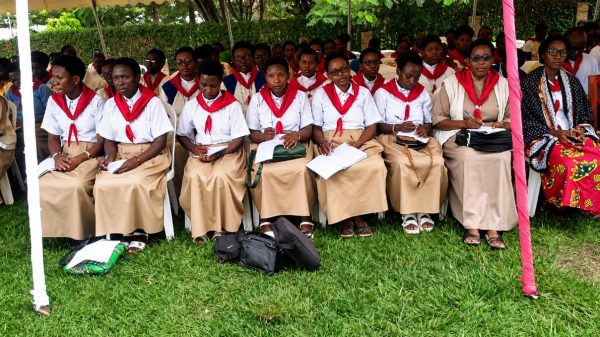
According to the United Nations Department of Economic and Social Affairs (UN DESA), approximately 60% of Africa’s population is under the age of 25. At the same time, the continent continues to face significant challenges around unemployment and food security. Yet within this reality lies one of the greatest opportunities of our time Agriculture.
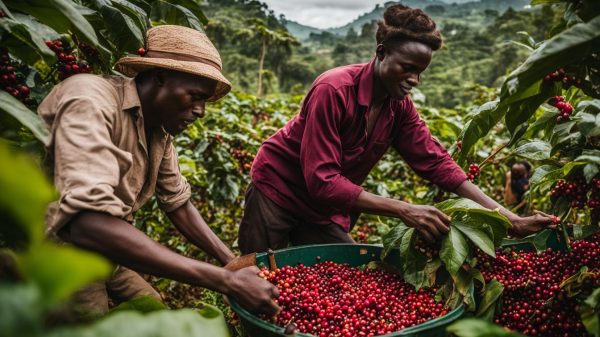
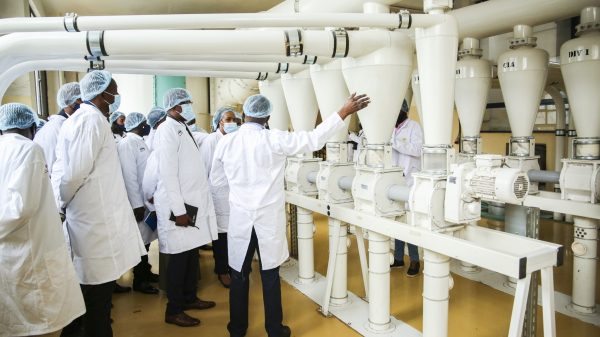
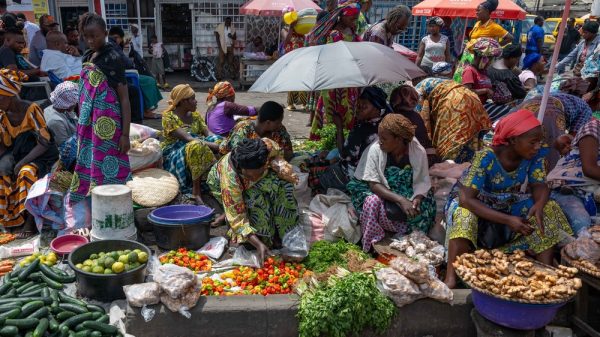
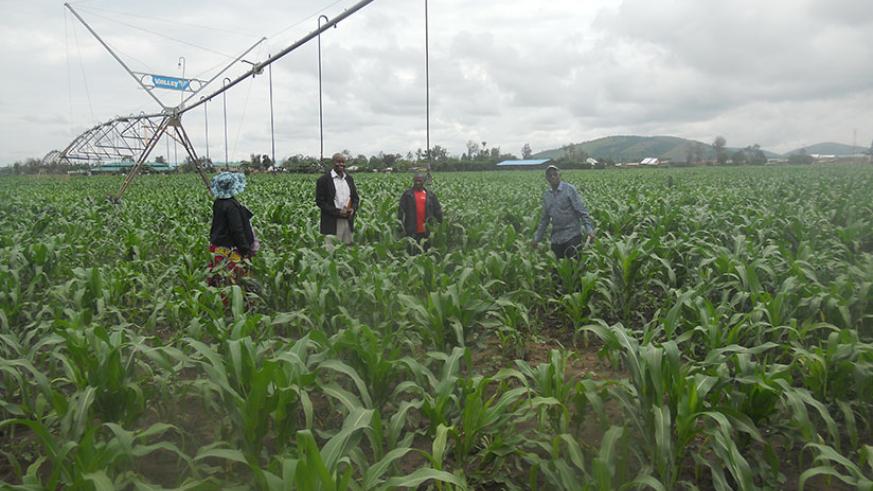
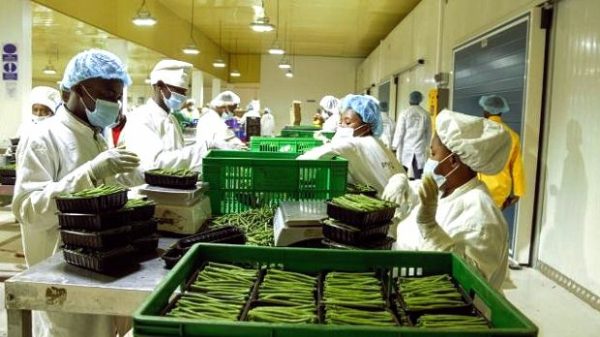
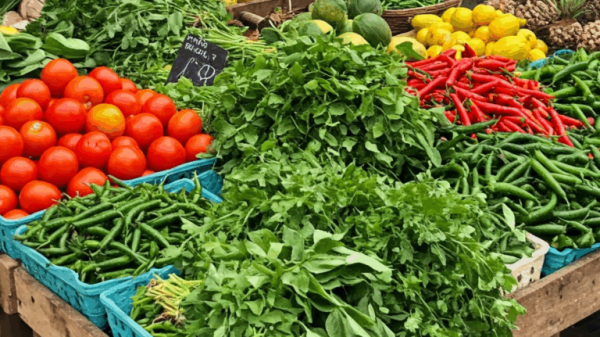
The World Bank estimates that Africa’s agribusiness sector could approach USD 1 trillion by 2030.The figure signals the scale of what is at stake. And yet, for many young people, agriculture still feels out of reach. The framing of agriculture as primary production is itself part of the problem. Agrifood systems are not a single sector but an interlocking architecture: inputs and seed systems, on-farm production, aggregation and post-harvest handling, processing and value addition, distribution, retail, consumption, and the management of loss and waste.
Each node carries its own economics, its own technology frontier, and its own entry points. When we ask why young people are not in agriculture, we are often asking the wrong question. The real question is whether they can see and reach the parts of the system where their skills already belong
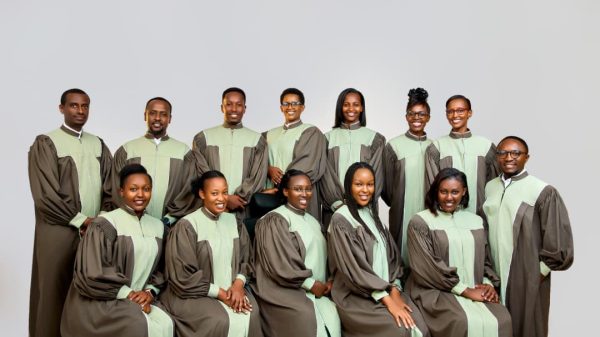
What excites me most about young people across the continent is their curiosity. They ask questions, challenge norms and experiment with new approaches. Across Africa, this energy is already translating into action. Young entrepreneurs are building agritech platforms, improving access to markets, developing climate-smart solutions and creating value-added products. They are not waiting for permission. They are creating opportunity.
Initiatives like Generation Africa, AGRA’s youth community, are helping to accelerate this shift. By mobilizing, supporting and amplifying young people as entrepreneurs, innovators, and advocates, Generation Africa is reshaping how agriculture is perceived. Through its focus on advocacy, entrepreneurship and innovation, it is connecting young people to opportunities, networks and pathways to growth. Because often, what young people need most is not just funding, it is exposure, belief and a clear sense of what is possible. When young people begin to see themselves not just as participants, but as leaders within agrifood systems, that is when transformation truly begins.
Still, we must be honest about why the gap persists. Young agripreneurs sit in what financiers call the ‘missing middle’: too large for microfinance, too small or too unproven for commercial debt. Land tenure systems often exclude them, and young women most of all. Insurance markets for climate risk are thin where they exist at all. And the public goods that de-risk entrepreneurship elsewhere, from extension services to market information to contract enforcement, are unevenly distributed. The result is not a shortage of talent or ambition. It is a shortage of the connective tissue that lets talent compound into enterprise. If we are serious about unlocking the potential of Africa’s youth, we must invest not just in ideas, but in the systems that allow those ideas to thrive.
But beyond systems and institutions, there is also a message I want young people to carry with them: there is space for you here. Not just in farming but across the entire value chain. Whether your strengths lie in technology, processing and value addition, distribution or waste management there is a role for you in shaping how food is produced, distributed and consumed. Start by understanding the ecosystem. Identify where your skills align. Then collaborate because agriculture is deeply interconnected, and no one succeeds in isolation. And most importantly, lead authentically. The most impactful leaders are those who bring their full selves into their work who lead with clarity, purpose, and resilience.
Agenda 2063 sets out an ambition that is sometimes underestimated: An Africa whose development is driven by its own people, and especially by its women and youth. That is not a slogan. It is a measurable claim that we either honor or fail to honor with every choice about where investment flows and how partnerships are designed.
The question is not whether young Africans belong in food systems transformation. It is whether the institutions building that transformation, including governments, donors, private investors, and yes, organizations like mine, are willing to be measured against how decisively we make room for them. To every young person wondering whether you belong in this space: the future of Africa’s food systems will not be built without you. It will be built because of you.
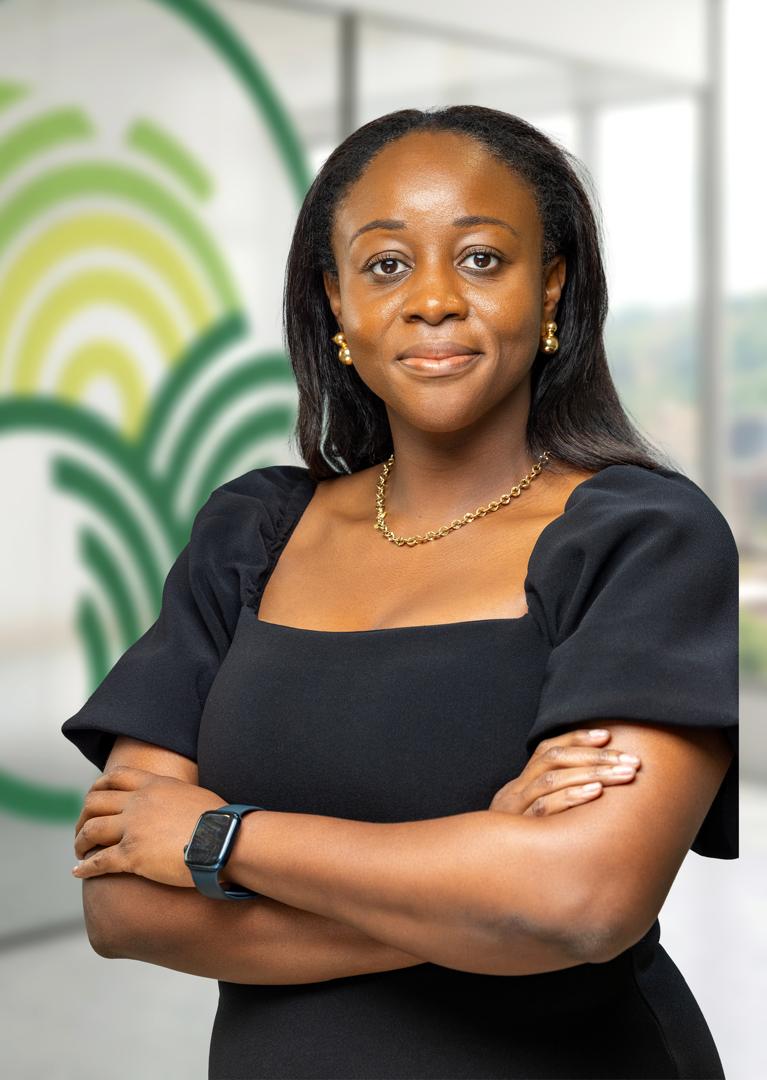
Nana Amoah- Director of Gender, Youth and Inclusiveness, AGRA