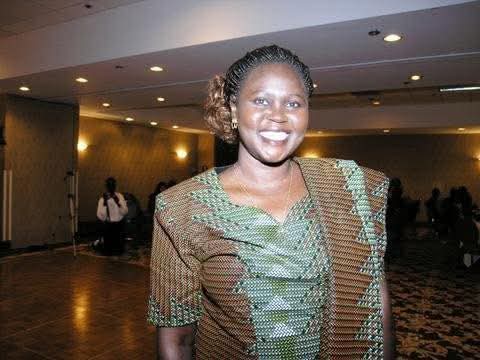
In a thoughtful comment, Mrs Roselyn Oneka congratulates Dr. Lual A. Deng on his latest publication while reflecting on the lessons South Sudan can draw from Rwanda’s transformation. She argues that Rwanda’s experience offers valuable insights into leadership, institution-building and national development, but stresses that South Sudan must adapt such lessons to its own unique political, ethnic and social realities.
“Congratulations to Uncle Dr. Lual Deng for this mile’s stone.
Thank you, Lualplus, for this thoughtful tribute to Dr. Lual Deng and for recognizing his intellectual contribution to nation-building. His commitment to scholarship, mentorship, and the documentation of national history deserves appreciation. Your personal testimony also demonstrates how investing in another person’s education can influence an entire life and, ultimately, benefit society.
Rwanda’s transformation offers important lessons in disciplined leadership, public administration, national planning, accountability, and the purposeful use of limited resources. Dr. Lual’s book will therefore be a valuable contribution to the continuing debate about how African states can recover from conflict and build functioning institutions.
At the same time, South Sudan should study Rwanda carefully without assuming that its political model can simply be transferred to our country. Rwanda emerged from its own distinctive history and has a different demographic, institutional, and territorial composition. South Sudan, with more than sixty ethnic communities and a long-standing demand for federalism and regional autonomy, requires a system designed for its own realities.
We should learn from Rwanda’s developmental achievements while remaining committed to constitutionalism, inclusive governance, accountable institutions, equitable development, and the meaningful distribution of power and resources. The most useful lesson is not necessarily to reproduce another country’s system, but to understand how determined leadership, institutional discipline, and a clear national vision can be adapted to South Sudan’s unique circumstances.
Congratulations once again to Uncle, Dr. Lual A. Deng on this important publication, and appreciation to you for ensuring that his books reach South Sudanese readers and contribute to the education of present and future generations. May God continue to bless our elder as we learn from their wisdom and exemplify their commitment to building a free and diverse country like ours. May God bless SSD.”