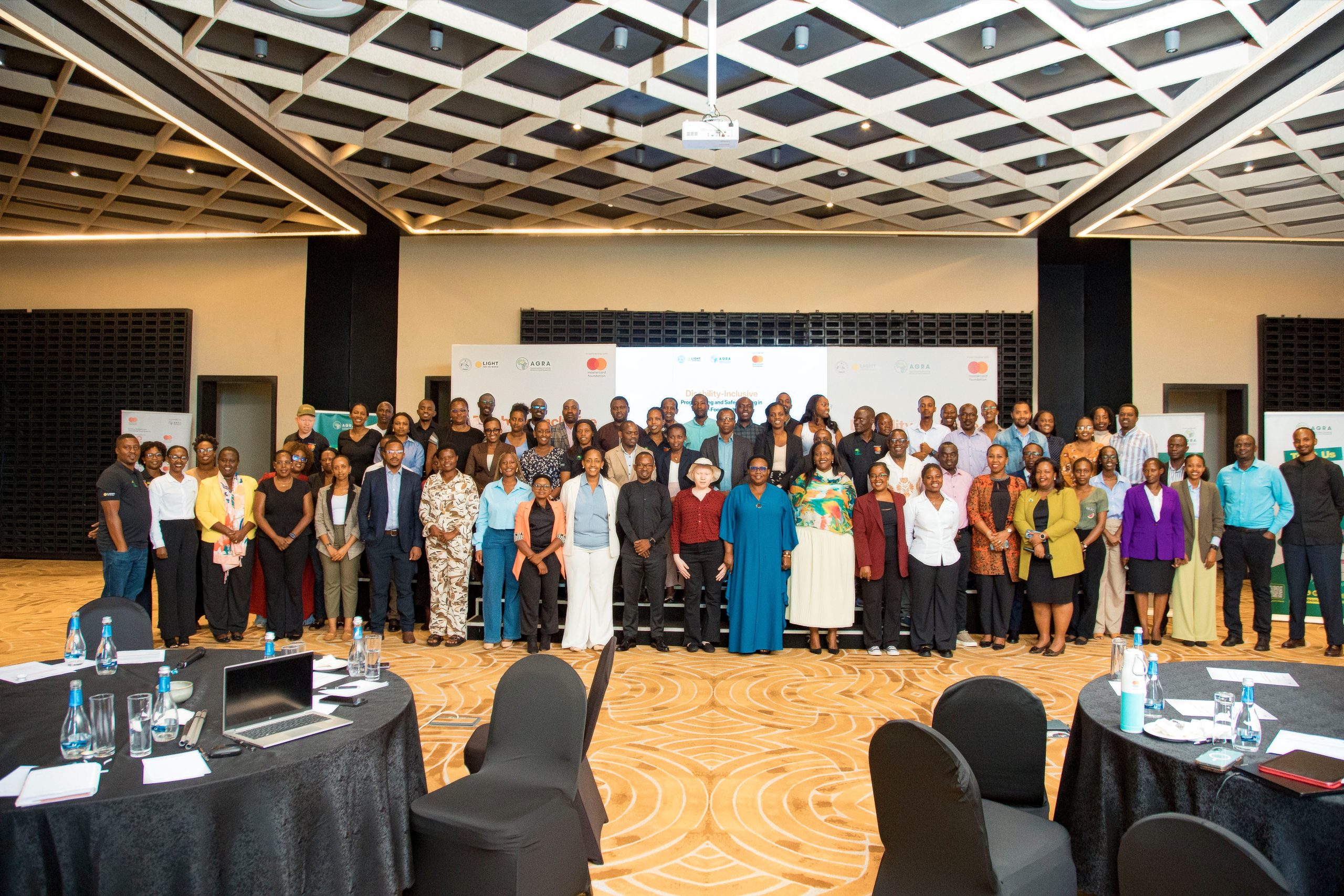
AGRA and the Mastercard Foundation have called for stronger disability inclusion and safeguarding in Rwanda’s agri-food programmes to ensure young people with disabilities access education, skills development, employment, finance and markets.
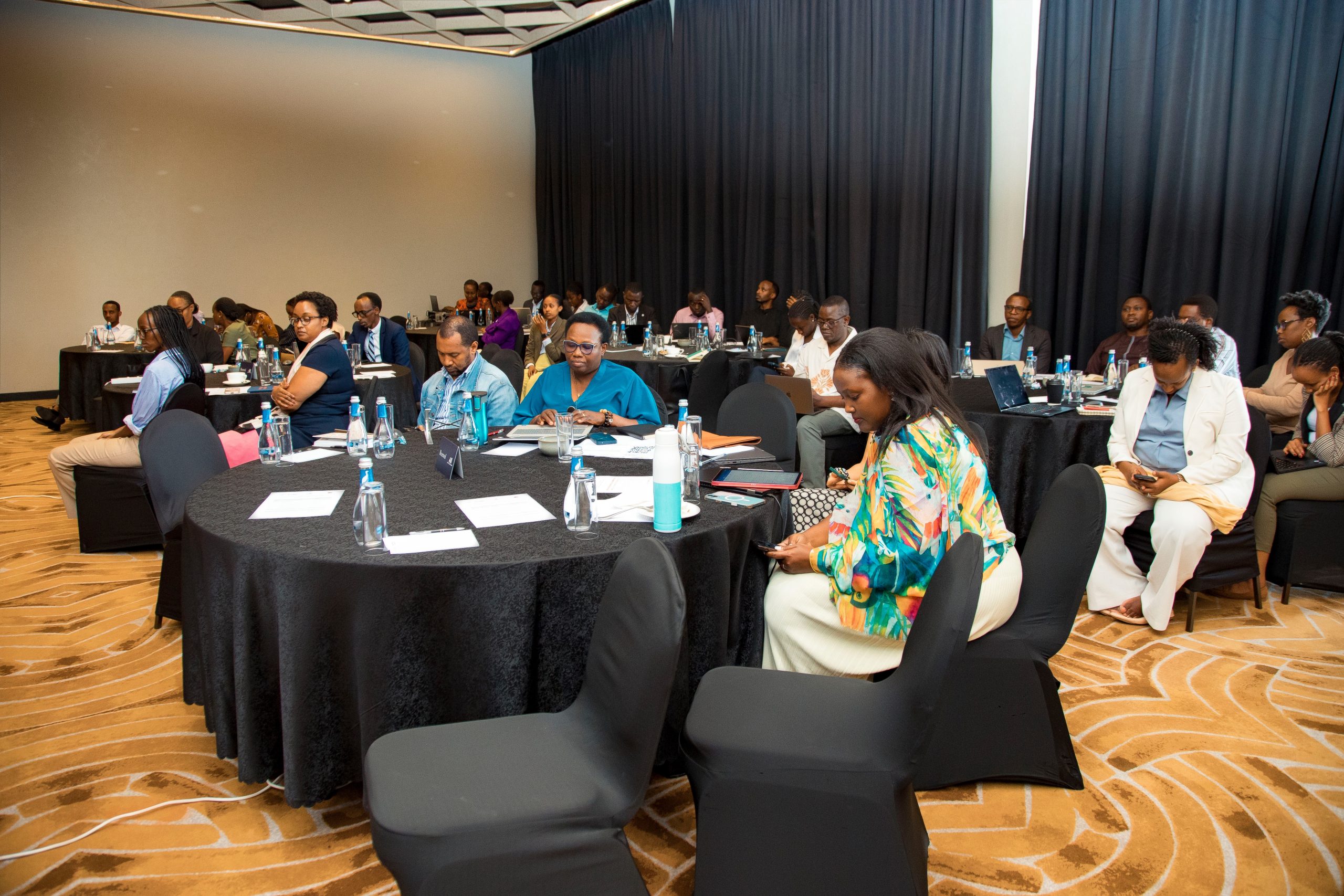
The call was made on 22 October 2026 during a Community of Practice on Disability-Inclusive Programming and Safeguarding in Agri-Food Systems in Kigali, bringing together partners implementing initiatives under the Mastercard Foundation’s Agri-Food Systems Portfolio in Rwanda.
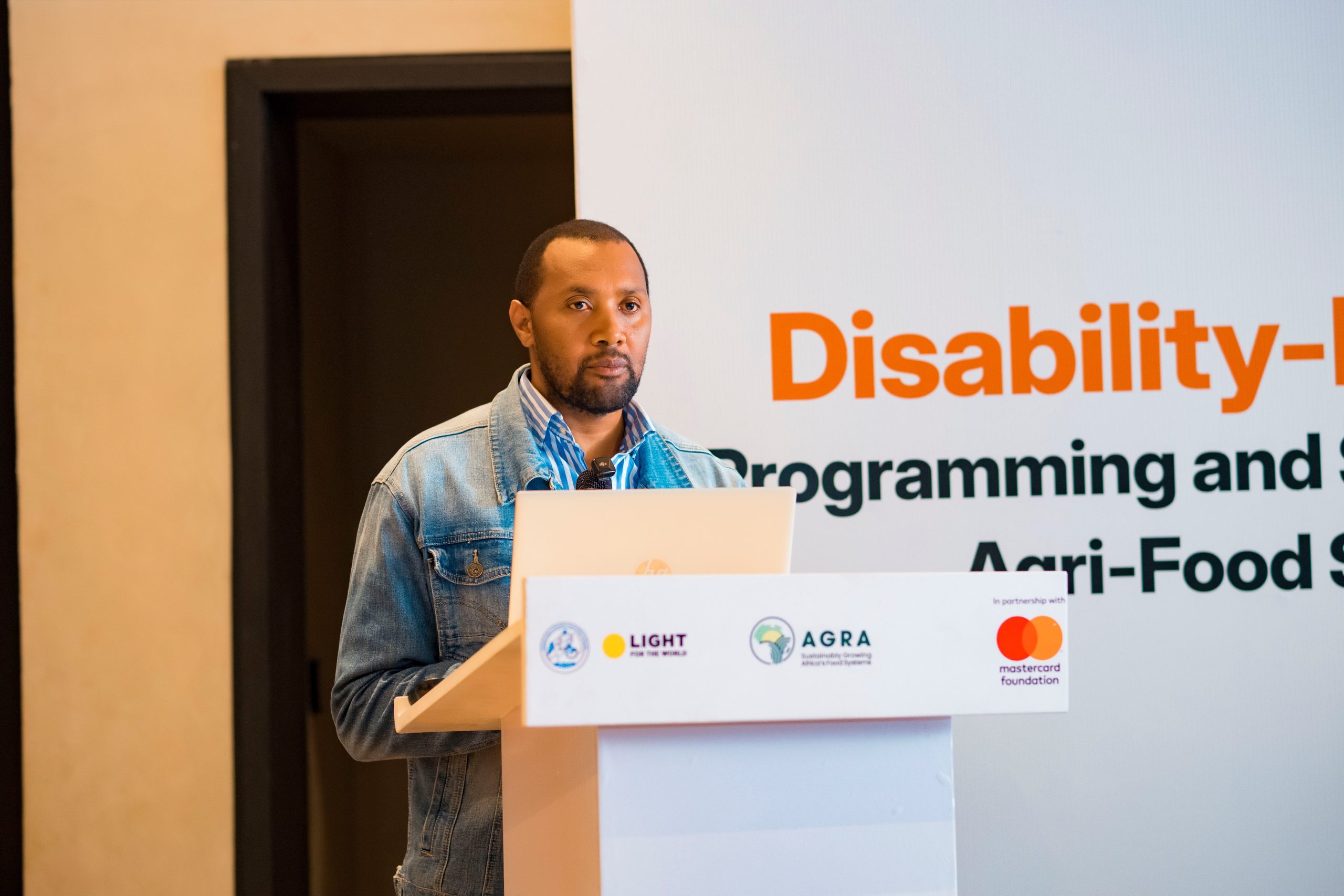
Jean Paul Ndagijimana, AGRA Country Director in Rwanda, emphasised collaboration in addressing systemic barriers.
“We want to make sure that it is a shared learning, and that if there are systemic barriers requiring government intervention or action beyond individual projects, partners know where to turn. At the end, we really don’t want anybody to be left behind, especially young people with disabilities,” Ndagijimana said.
As the portfolio’s super aggregator in Rwanda, AGRA coordinates partners to share experiences and translate lessons into practical improvements.
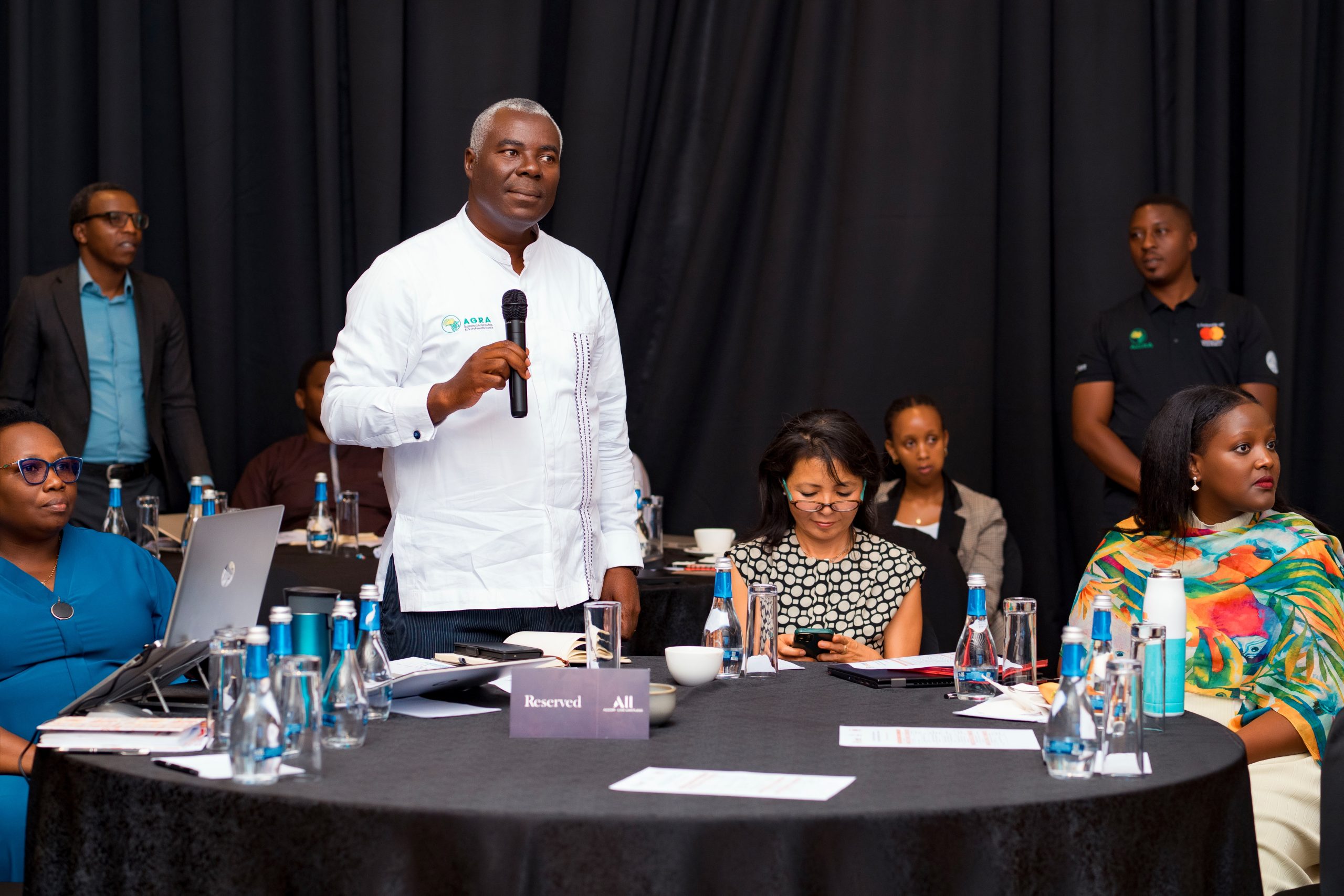
“Our responsibility as super aggregator will be to ensure that today’s learning doesn’t remain in the meeting room. We will connect the portfolio, share what works, maintain visibility on the actual challenges, and make sure people with disabilities are engaged in various programmes,” he said.
Atsuko Toda, Senior Director of Entrepreneurship Development, Pan-African Programs at the Mastercard Foundation, said inclusion must go beyond attendance.
“The Foundation’s commitment will not be achieved through attendance alone. It’s equitable access to information, skills development, finance, markets, services and employment opportunities,” Toda said.
She urged organisations to involve young people with disabilities throughout programme design, implementation and monitoring.
“Our programmes must be designed with young people with disabilities, not for them. Their perspectives should inform the assessment, design, implementation, monitoring and decision-making processes,” she said.
Young people call for accessible opportunities
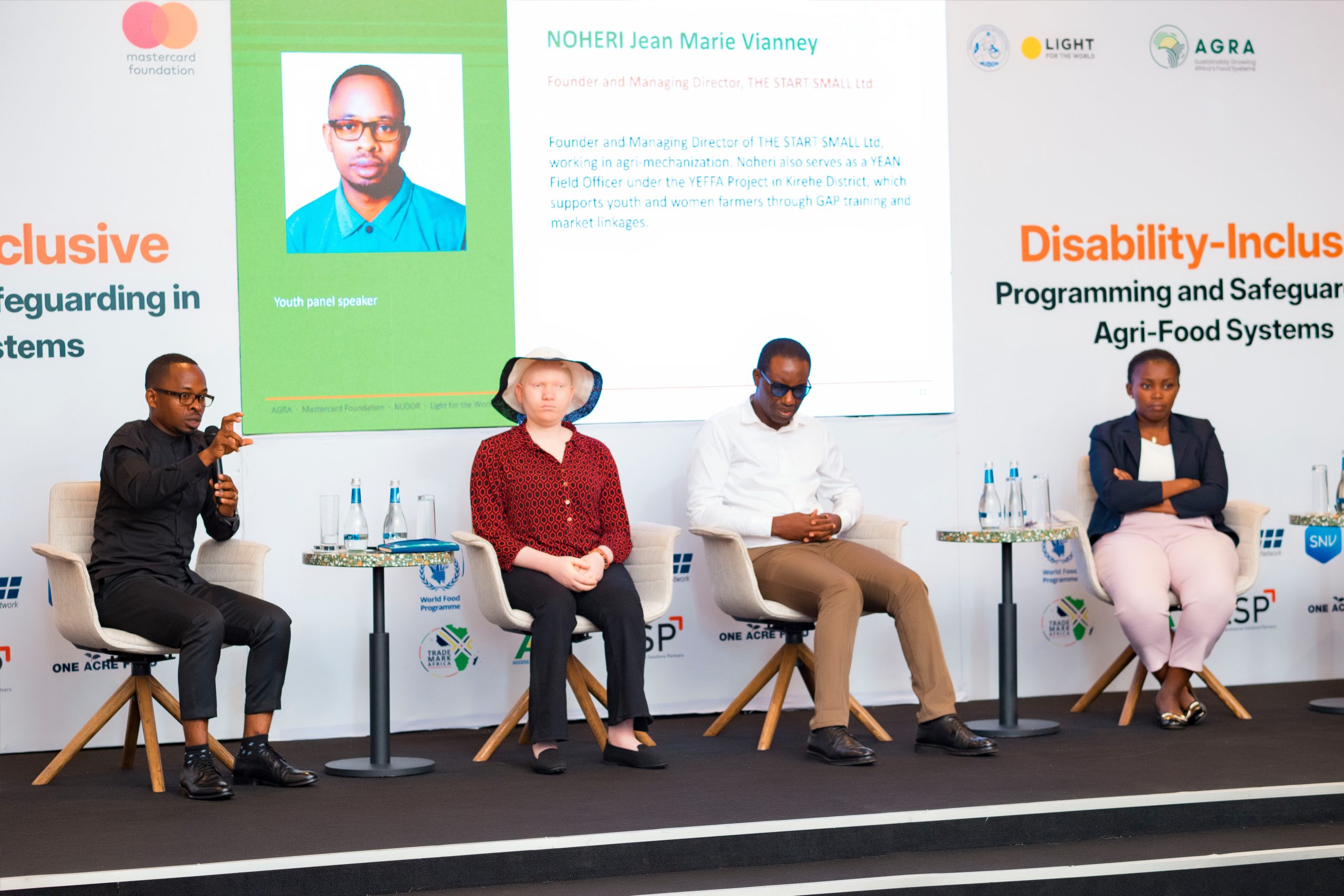
During a panel discussion, Noheri Jean Marie Vianney, CEO of Start Small, highlighted opportunities across agricultural value chains.
“There are many opportunities in the agri-food sector for people with disabilities. All that is needed is to recognise their capabilities and empower them to do what they are able to do. The value chains are many, and everyone, including people with disabilities, can find where they fit,” Vianney said.
Bertine Iradukunda, a Junior Business Coach at the Business Professionals Network (BPN), called for accessible transport, suitable accommodation and communication support during training.
“I ask that barriers should be removed and the concerns of young people with disabilities addressed so they can attend capacity-building sessions and training. Will sign-language interpretation be available at the venue? Will I be able to read the materials if I have a visual impairment? These are the questions that need to be considered,” Iradukunda said.
Charles Birekeraho, urged organisations to increase disability representation among participants and staff.
“If I were the CEO of an organisation supported by the Mastercard Foundation, I would first be proud to have an inclusive programme where people with disabilities are among the participants, but I would increase their numbers. If they are 5%, I would make it 10%. I would also ensure that people with disabilities are represented among the staff so that their concerns are better understood,” Birekeraho said.
From commitments to measurable action
The Mastercard Foundation’s Agri-Food Systems Portfolio aims to enable 300,000 young people to access dignified and fulfilling work by 2030, including 70% young women, 5% young people with disabilities and 5% refugees and displaced youth.
The Foundation urged partners to budget for reasonable accommodations, improve accessibility, strengthen confidential safeguarding and complaints mechanisms, and work with Organisations of Persons with Disabilities. It also called for clear responsibilities, timelines and measurable results.
The Foundation’s closing message emphasised: “Our commitment is not simply to open the door. It is to remove the barriers that prevent young people with disabilities from entering, participating, leading and succeeding safely. Let today’s learning become funded, measurable action across every programme in this portfolio.”
AGRA will continue coordinating partners, sharing effective practices and tracking progress towards a more inclusive agri-food sector.