By Rene Anthere Rwanyange
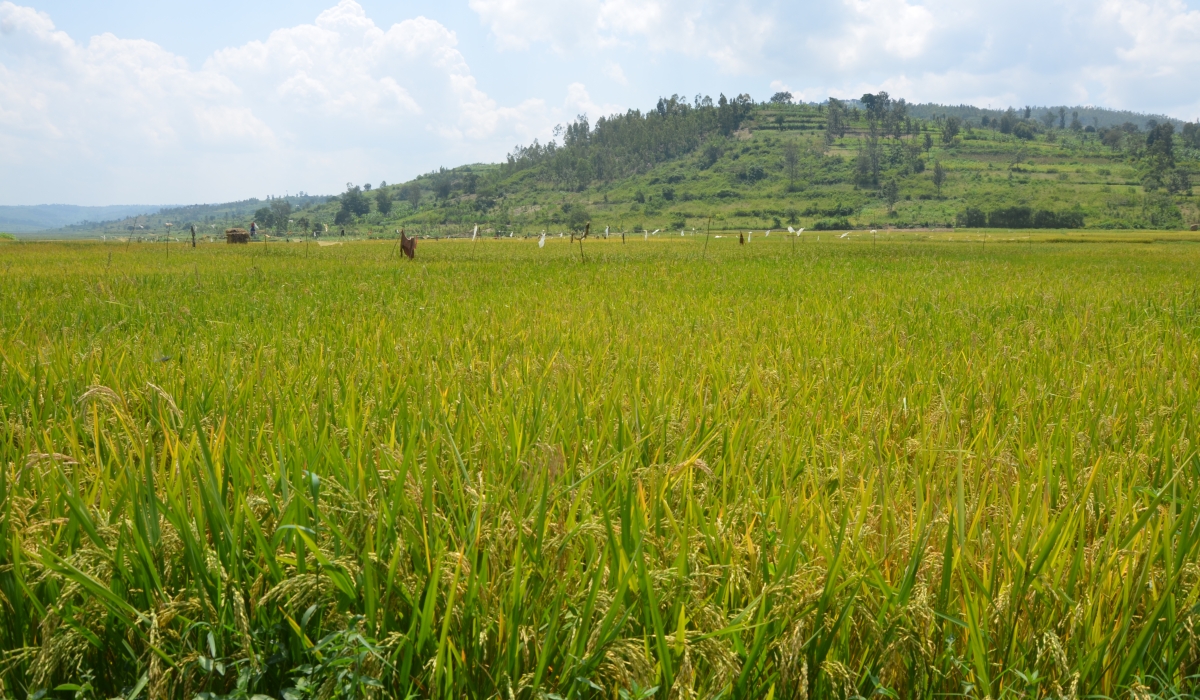
Rwanda is calling for greater adoption of agricultural technologies to improve rice productivity, strengthen farmers’ incomes and enhance the competitiveness of African rice in domestic and international markets.
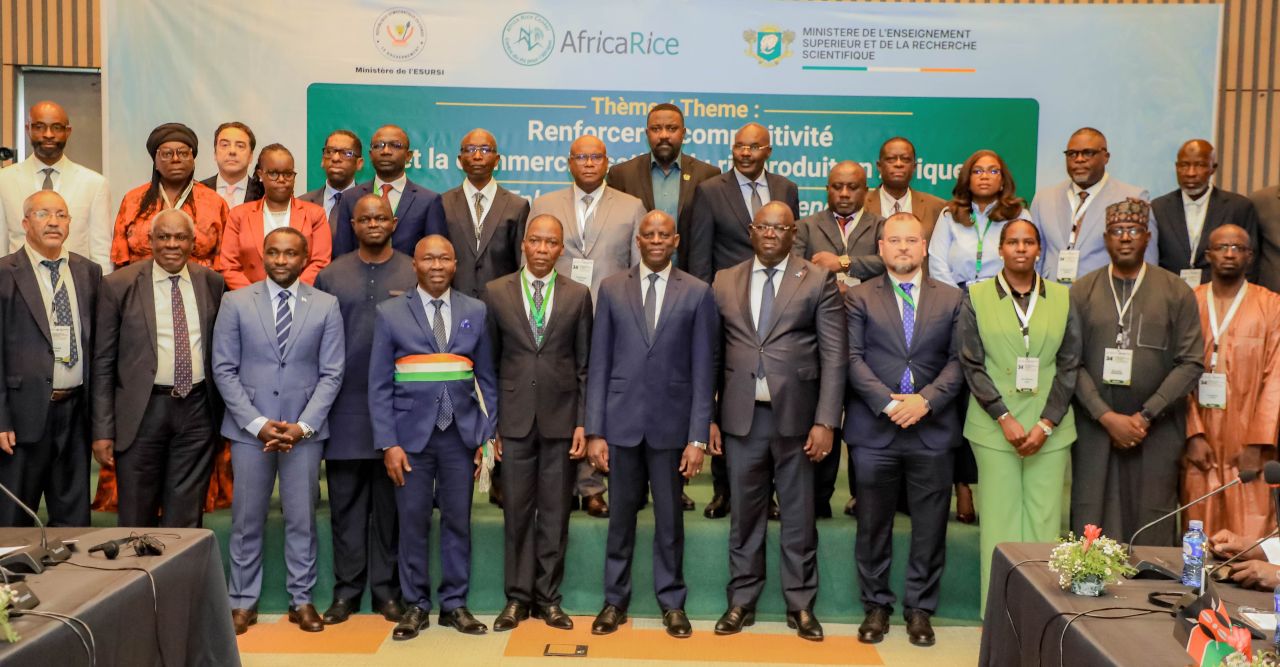
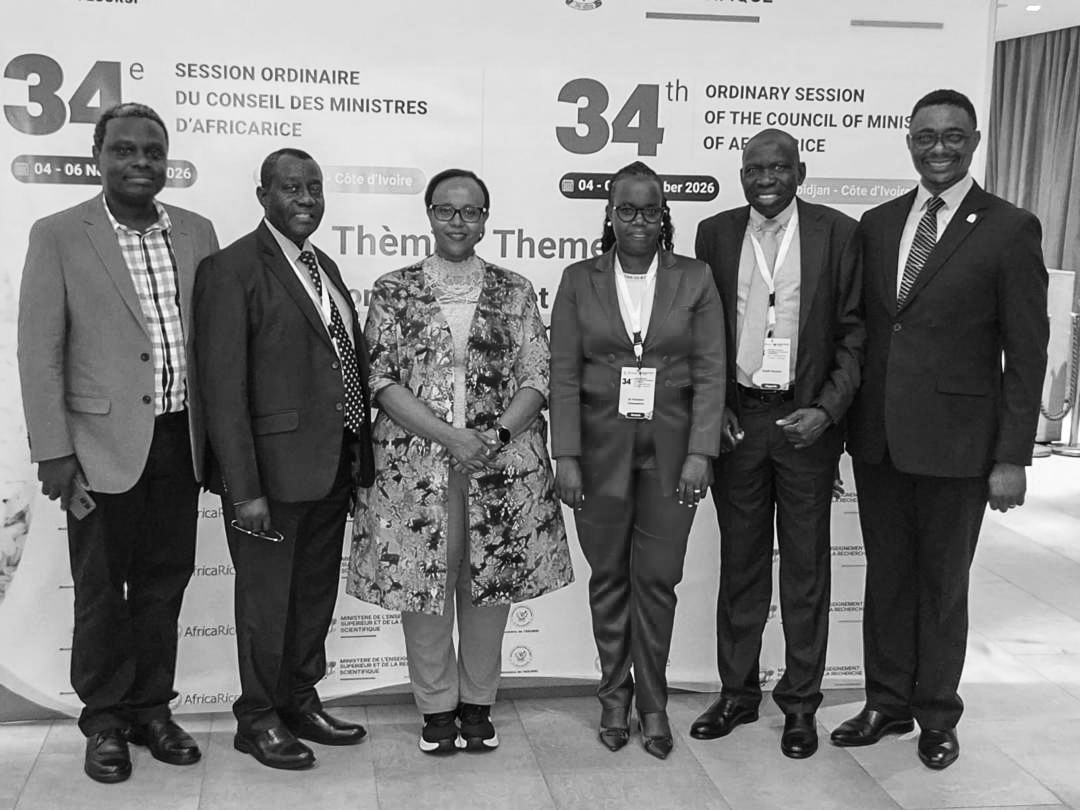
As quoted from X, Dr. Florence Uwamahoro, Acting Director General of the Rwanda Agriculture and Animal Resources Development Board (RAB), is participating in the 34th AfricaRice Council of Ministers (COM34), taking place from November 4 to 6, 2026, in Abidjan, Côte d’Ivoire.
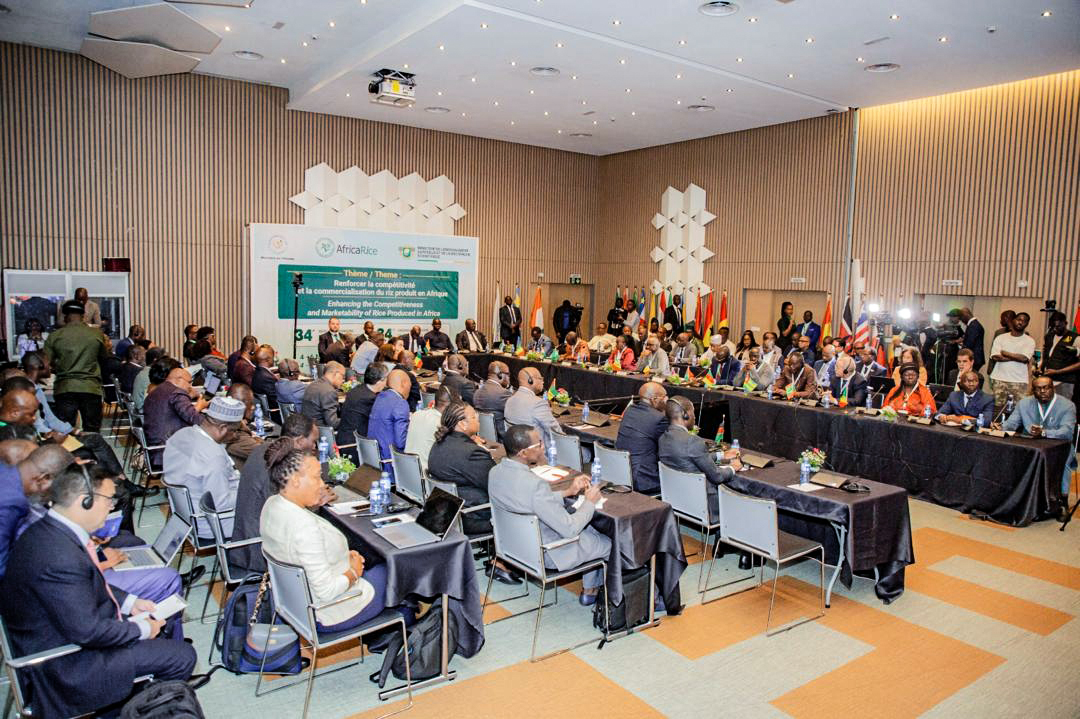
Held under the theme, “Enhancing the Competitiveness and Marketability of Rice in Africa,” the meeting brings together stakeholders to discuss strategies for strengthening the continent’s rice value chain and improving the position of African rice in domestic, regional and international markets.
During the meeting, Dr. Uwamahoro participates in a panel discussion on “Mechanisms and Challenges of Scaling Up Technologies in the Rice Value Chain,” highlighting opportunities to boost productivity and strengthen the competitiveness of Africa’s rice sector.
She emphasises the importance of moving agricultural innovations beyond research institutions and ensuring that farmers can access and apply technologies that improve production.
“Scaling up agricultural technologies requires strong collaboration between research institutions, governments, the private sector and farmers. Innovations must reach the people who need them most and deliver measurable improvements in productivity and livelihoods,” Uwamahoro says.
Technology adoption across the rice value chain is increasingly important as African countries seek to reduce production costs, improve the quality of locally produced rice and reduce dependence on imports.
However, expanding the use of agricultural technologies requires more than developing new innovations. Farmers need access to affordable technologies, quality seeds, improved farming practices, training, financing and reliable agricultural extension services.
“Technology adoption should not be measured only by the number of innovations developed, but by how many farmers can access them, use them effectively and increase their production and income,” she adds.
Strengthening links between research institutions, governments, farmers, processors and private-sector investors is also essential to ensure that innovations move beyond research institutions and deliver practical benefits to farming communities.
For Rwanda, improving rice production and productivity is part of broader efforts to strengthen agricultural transformation, increase domestic food production and create opportunities for farmers and businesses involved in the agricultural value chain.
The discussions at COM34 also provide an opportunity for African countries to exchange experiences and explore approaches to addressing common challenges, including limited access to modern technologies, high production costs, post-harvest losses and market access.
The competitiveness of African rice will also depend on improvements in processing, packaging, quality standards and distribution systems to meet consumer expectations and compete with imported products.
“Building a competitive rice sector requires investment across the entire value chain, from production and post-harvest handling to processing and marketing. African countries need to turn agricultural innovation into stronger markets and better economic opportunities for farmers,” Uwamahoro says.
Through its participation, Rwanda is contributing to continental discussions on how agricultural research, technology transfer and stronger value-chain partnerships can support a more productive and competitive rice sector.
The three-day meeting concludes on November 6, with discussions expected to contribute to efforts to strengthen Africa’s capacity to produce, process and market rice.