By Rene Anthere Rwanyange
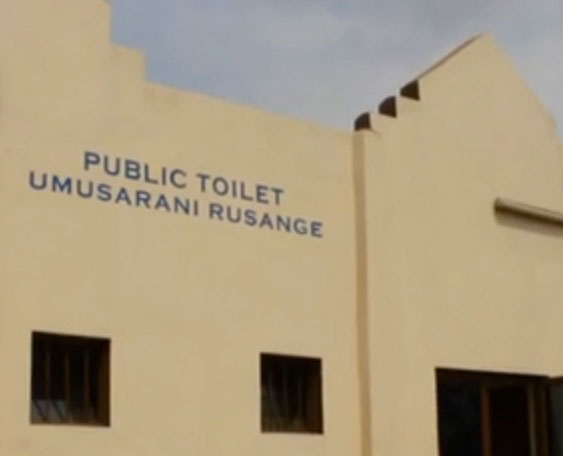
Rwanda has made progress in access to improved sanitation. However, access to basic handwashing facilities remains low. The gap highlights the need to improve household hygiene alongside toilet access.
The 2025 Rwanda Demographic and Health Survey (DHS), conducted by the National Institute of Statistics of Rwanda (NISR), shows that 86.4 per cent of households use improved sanitation facilities. This is up from 72.8 per cent in 2019/20.
However, only 21.4 per cent of households have basic handwashing facilities. This is down from 25.1 per cent in the previous survey.
The figures show that access to toilets does not always come with the hygiene facilities needed to protect public health.
Rwanda joined the rest of the world on November 19 to mark World Toilet Day. The annual observance raises awareness of the global sanitation crisis. It also promotes access to safe sanitation for all.
The 2026 campaign is held under the theme “Safe Toilets. Equal Futures.” It highlights the link between sanitation and gender equality. It also stresses the importance of safe toilets in protecting the health, safety and dignity of women and girls.
Safe toilets are particularly important in schools, workplaces, health facilities and public spaces. Poor sanitation can affect privacy and menstrual hygiene. It can also disrupt school attendance and limit participation in economic activities.
The United Nations identifies sanitation as a key part of Sustainable Development Goal 6. The goal calls for universal access to water and sanitation by 2030.
Rwanda’s improved sanitation coverage shows progress. But the low level of basic handwashing facilities points to a continuing hygiene challenge.
The 2025 DHS was implemented by NISR in collaboration with the Ministry of Health and the Rwanda Biomedical Centre. Its findings provide evidence to guide public health planning and improve living conditions across the country.