By Sugira Christian, Journalist Internee
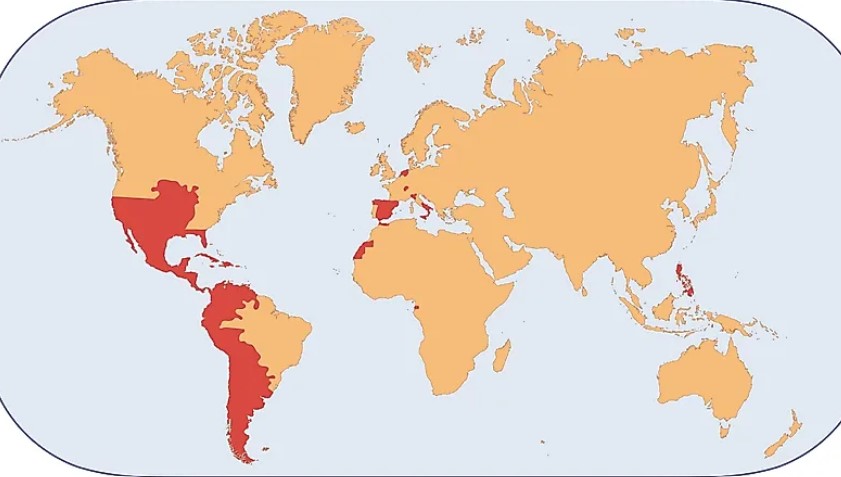
Argentina’s modern identity is deeply rooted in centuries of history linking Latin America with Spain and Italy. From Spanish colonial rule to the arrival of millions of Italian immigrants, historians say the country’s language, culture, architecture and traditions reflect one of the most significant cultural transformations in the Americas.
Spanish explorers first reached the territory that is now Argentina in the early 16th century, beginning a colonial era that lasted nearly three centuries. During this period, Spain established settlements, introduced the Spanish language, Christianity and European political institutions, while Indigenous communities experienced profound social and economic change. Buenos Aires later emerged as one of Spain’s most important ports in South America.
Argentina’s struggle for independence gathered momentum in 1810 during the May Revolution, eventually leading to formal independence from Spain in 1816. Although political control ended, Spanish language, law, religion and many cultural traditions remained central to Argentine society.
A new chapter began in the late 19th century when millions of Europeans crossed the Atlantic seeking better opportunities. Italians formed the largest immigrant community, with approximately 3.5 million arriving between the 1860s and the mid-20th century. Spaniards also migrated in large numbers, helping transform Argentina into one of the world’s leading destinations for European immigrants.
The newcomers left an enduring mark on Argentine life. Italian influence can be seen in family names, cuisine, architecture, music and even the distinctive accent spoken in Buenos Aires. Pizza, pasta and espresso became everyday staples, while Italian dialects blended with Spanish to shape local expressions and pronunciation.
Across Latin America, Spain’s legacy remains visible through the widespread use of the Spanish language, legal systems and religious traditions. Meanwhile, Italy’s influence spread largely through migration, particularly in Argentina, Uruguay and parts of Brazil, contributing to the region’s diverse cultural identity.
Today, Argentina stands as a nation where Spanish colonial heritage and Italian immigration coexist with Indigenous traditions, creating one of Latin America’s richest cultural identities. Historians note that understanding these historical connections helps explain why Argentina maintains close cultural ties with both Europe and the wider Latin American region.
As Argentina continues to play a prominent role on the global stage -from football to diplomacy and culture—its history serves as a reminder that the country’s identity was shaped not by a single nation, but by centuries of interaction between Indigenous peoples, Spain, Italy and generations of immigrants who helped build modern Argentina.