Rene Anthere Rwanyange
The Rwanda Non-Communicable Disease Alliance (RNCDA) commends the Government of Rwanda, through the Ministry of Health and the Rwanda Food and Drugs Authority (Rwanda FDA), for strengthening regulatory enforcement against non-compliant and unsafe alcoholic beverages.
The Alliance welcomes the measures initiated in August 2026, including the closure of non-compliant manufacturing facilities and the recall of products considered unsafe, describing the action as an important step towards protecting public health.
Prof. Mucumbitsi Joseph, Chairperson of the RNCDA, says that stronger enforcement is essential to protect consumers from products that may pose serious health risks. “We commend the Government, the Ministry of Health and Rwanda FDA for taking decisive action to protect the public from illicit and unsafe alcoholic beverages,” Prof. Mucumbitsi says.
He added that tackling illicit alcohol should form part of a broader national effort to reduce alcohol-related harm and prevent non-communicable diseases.
“Removing unsafe products from the market is an important intervention, but we must also address the wider factors that drive harmful alcohol consumption, particularly among young people,” he adds.
According to the World Health Organisation (WHO), alcohol is a toxic, psychoactive and dependence-producing substance associated with more than 200 health conditions. Alcohol consumption contributes to millions of deaths globally each year and is a major risk factor for several non-communicable diseases, including cardiovascular diseases, liver disease and certain cancers.
The RNCDA noted that informally and illegally produced alcohol remains particularly difficult to regulate and can expose consumers to additional risks because of weak quality controls and limited oversight.
Prof. Mucumbitsi calls for sustained collaboration between government institutions, communities and civil society. “Public health protection requires more than enforcement alone. We need sustained education, responsible regulation, effective monitoring and community engagement to reduce alcohol-related harm,” he articulates.
The Rwanda Non-Communicable Disease Alliance says the Government’s action is consistent with the WHO Global Alcohol Action Plan 2022–2030, which promotes evidence-based measures to reduce alcohol-related harm. These include appropriate taxation of alcoholic beverages, restrictions on alcohol advertising and marketing, and controls on the physical availability of alcohol, particularly to young people.
The RNCDA further called for continued public awareness campaigns and stronger implementation of evidence-based alcohol-control measures. “Our commitment is to work with government and other stakeholders to promote policies that protect citizens, prevent disease and contribute to a healthier Rwanda,” Prof. Mucumbitsi concludes.
The Alliance reaffirmed its commitment to supporting national efforts aimed at reducing preventable deaths and strengthening Rwanda’s response to non-communicable diseases.
Rwanda closes more than 140 alcohol manufacturers over safety concerns
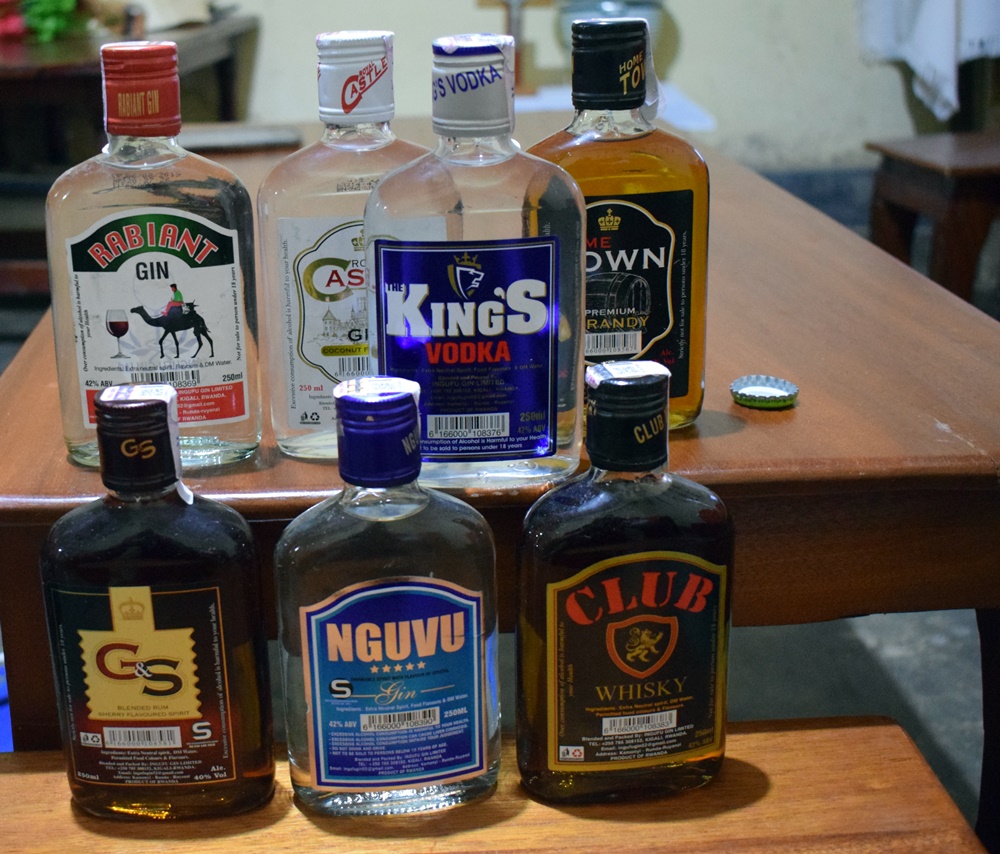
The Government of Rwanda, through the Rwanda Food and Drugs Authority (Rwanda FDA), has closed more than 140 alcoholic-beverage manufacturing companies and facilities as part of a nationwide crackdown on illicit and non-compliant alcohol production.
The closures followed regulatory inspections that identified manufacturers failing to meet required quality, safety, licensing and manufacturing standards. Authorities have also ordered the recall of affected alcoholic products and instructed distributors and retailers to stop selling them.
The government says the measures are primarily aimed at protecting public health, removing potentially dangerous products from the market and strengthening compliance within the alcohol industry.
The crackdown also reflects the Government’s broader effort to hold manufacturers, distributors and other actors accountable for producing or facilitating the sale of non-compliant alcoholic products.