


































































































Rene Anthere Rwanyange
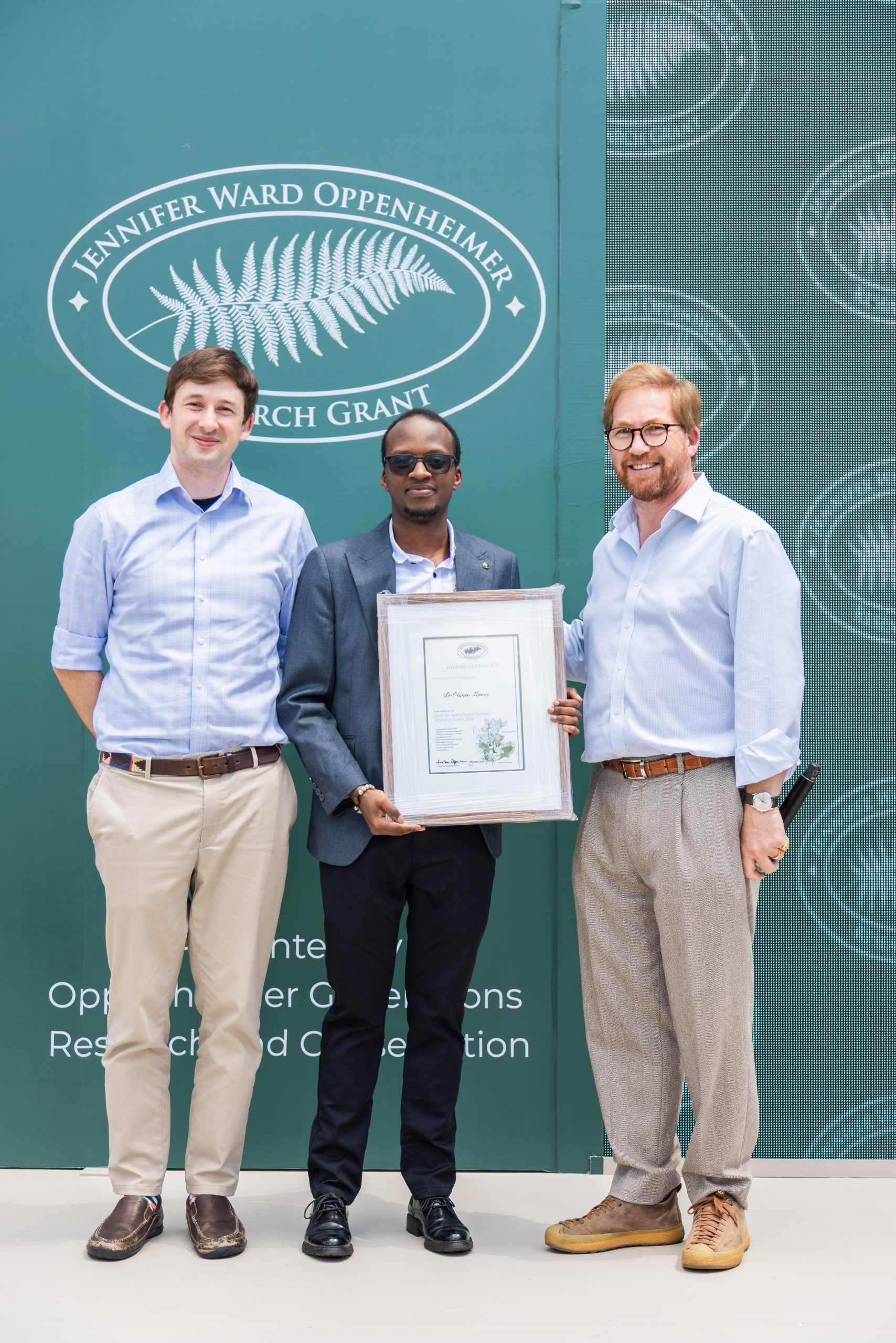
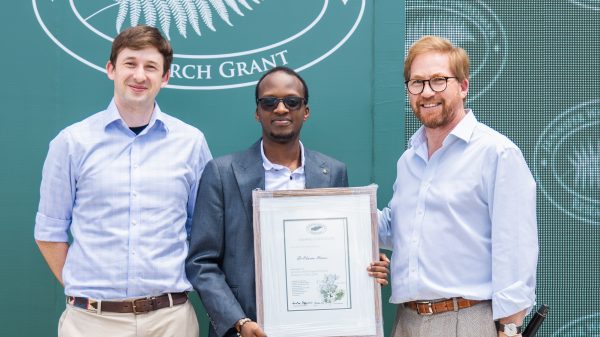
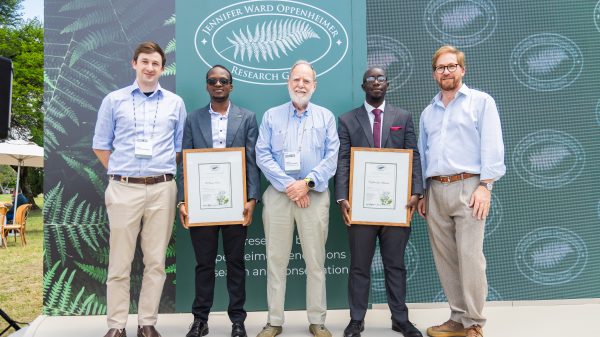
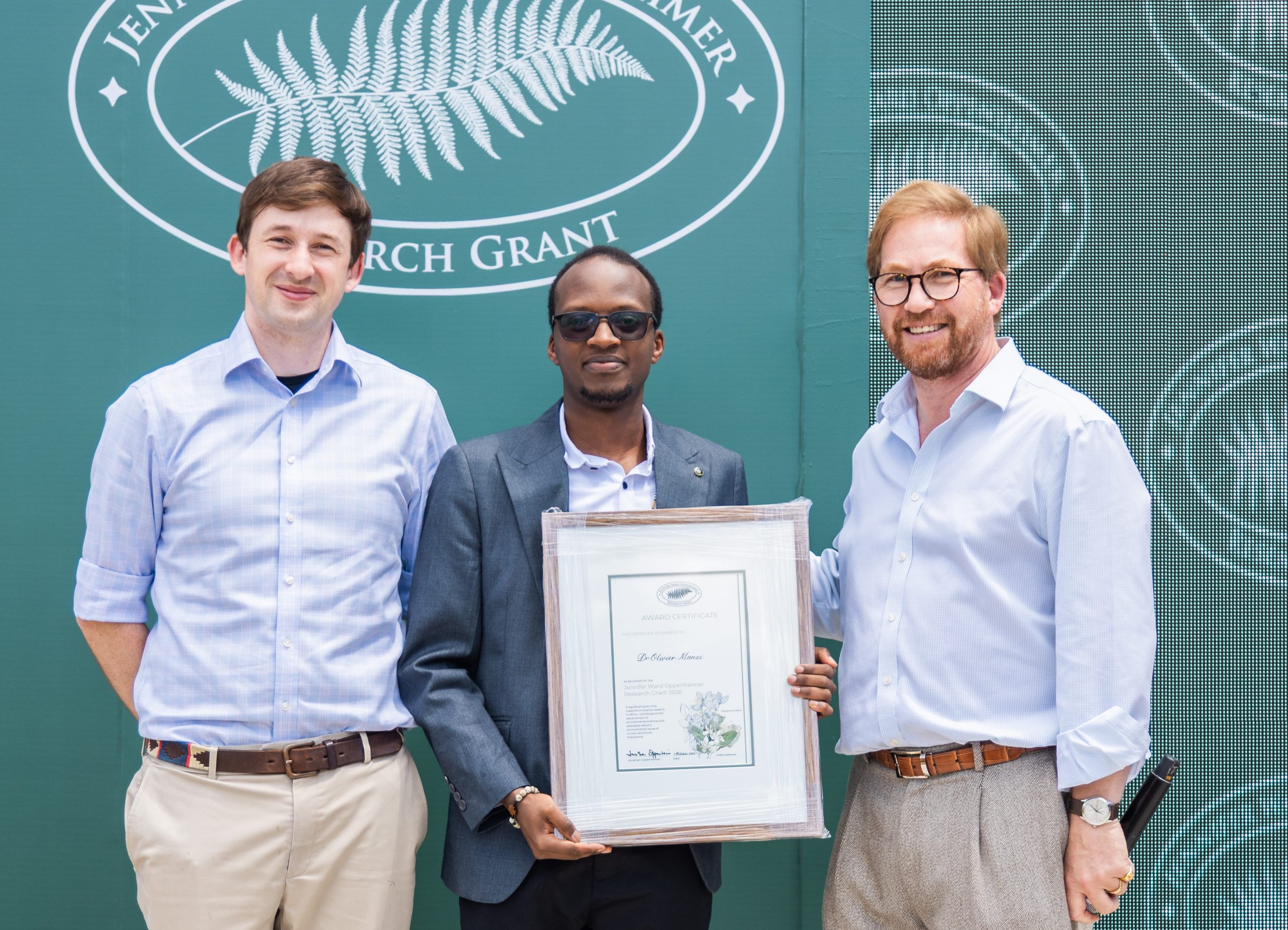
Rwandan scientist Dr. Olivier Jean Leonce Manzi has won a USD 150,000 Jennifer Ward Oppenheimer Research Grant to investigate how Central Africa’s tropical forests are likely to respond to rising temperatures and drought.
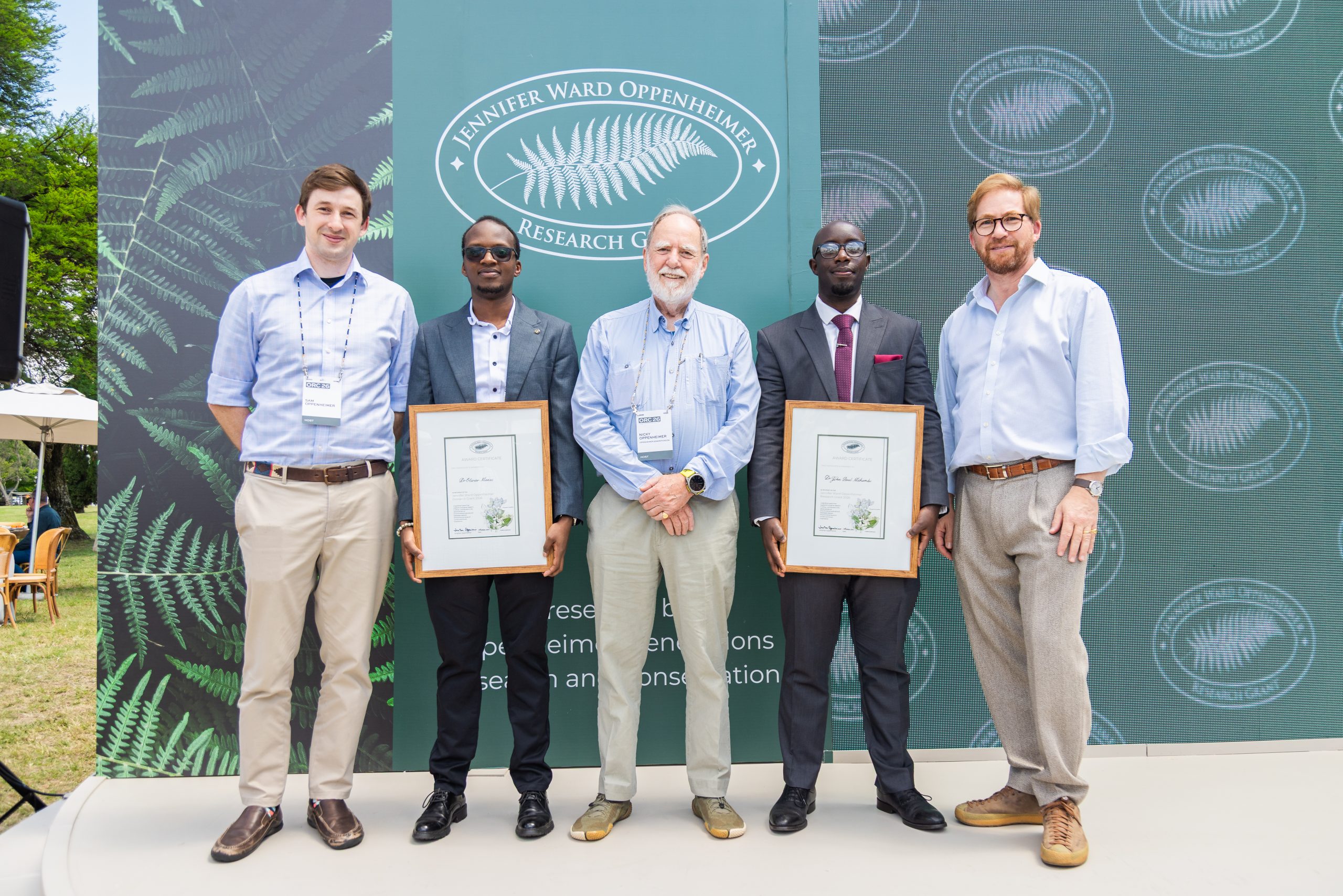
Dr. Manzi, a plant ecophysiologist and research fellow at the University of Rwanda, is one of two African scientists selected for the 2026 grant, which supports early-career researchers pursuing Africa-led solutions to environmental challenges.
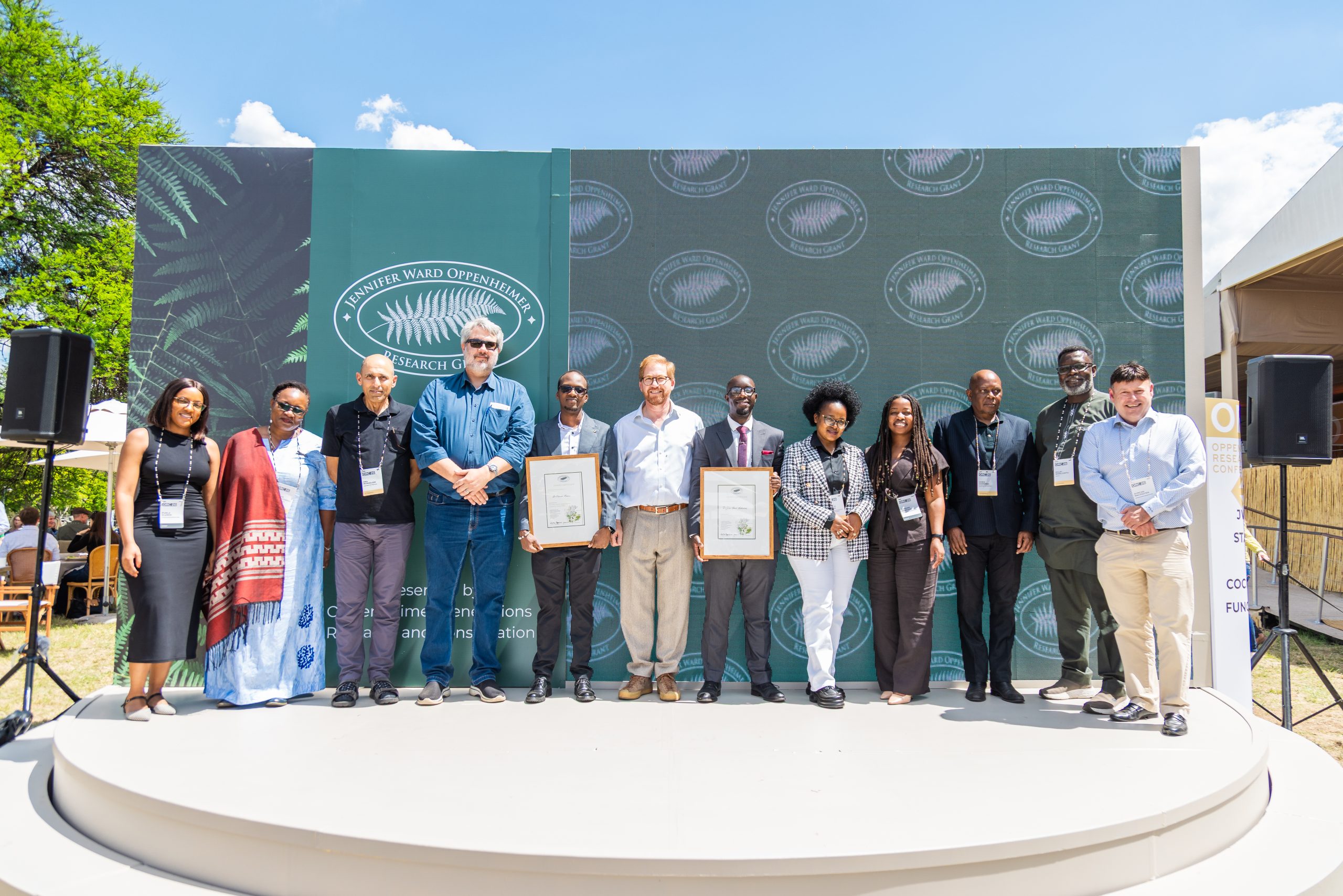
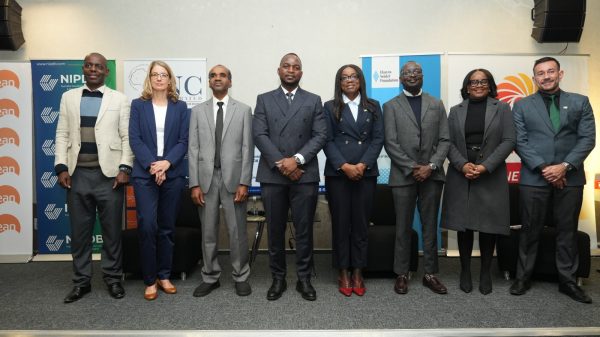
The winners were announced Wednesday on 7th October 2026, at the Oppenheimer Research Conference in Midrand, South Africa, following a highly competitive selection process involving 747 applications from across Africa.
Each researcher will receive USD 150,000 to fund an Africa-led research project for up to three years.
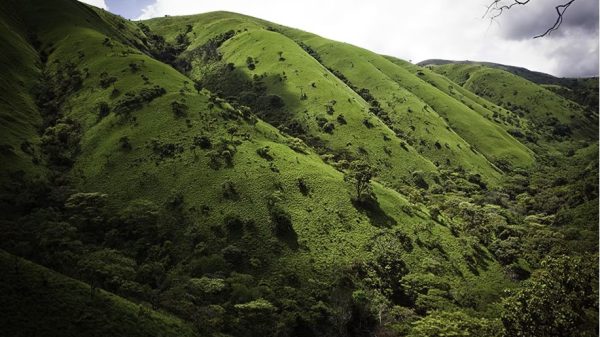
Dr. Manzi’s research will focus on the Congo Basin and seeks to determine whether Central Africa’s forests are genuinely resilient to increasing heat and drought or whether they are approaching environmental thresholds that could trigger significant ecosystem changes.
His project will generate what organisers describe as the first continent-scale dataset on the hydraulic and thermal thresholds of Central African tree species. The research will combine tree physiology, field observations and ecosystem modelling, with the resulting data made openly accessible to researchers and conservation practitioners.
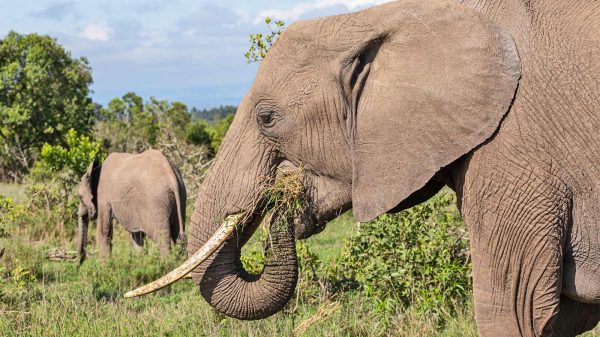
The research comes as climate change increases pressure on tropical forests, which play a critical role in biodiversity conservation, carbon storage and the livelihoods of millions of people across Central Africa.
While African tropical forests have so far not experienced the scale of climate-driven forest dieback reported in parts of the Amazon, scientists have limited data explaining their resilience and the conditions under which that resilience could weaken.
Dr. Manzi said the lack of locally generated evidence remains a major challenge for understanding how African forests will respond to climate change.
“In Africa, comparable datasets are sparse, geographically limited, and often generated by researchers based outside the continent,” Dr. Manzi said. “This means that some of the regions experiencing the fastest climatic change have the least empirical evidence on how their forests will respond,” he added.
His research therefore seeks to strengthen Africa’s own scientific evidence base while developing knowledge that can support conservation and climate adaptation decisions.
The Rwandan scientist also plans to use the project to build research capacity by involving students in fieldwork, laboratory research and ecosystem modelling.
Dr. Manzi’s achievement comes alongside that of Ugandan Microbiologist Dr. John Paul Makumbi, the second recipient of the 2026 grant.
Dr. Makumbi, a researcher at Stellenbosch University, will use microbial DNA, genomic analysis and machine learning to develop an early-warning system for pollution and ecosystem decline in Africa’s rivers, lakes and wetlands.
His research will examine freshwater systems in Uganda, Côte d’Ivoire, Ethiopia, South Africa and eSwatini, seeking to identify environmental stress before major ecological damage becomes visible.
The two projects share a common objective: using science to identify early signs of environmental decline and enable action before ecosystems reach critical points.
Dr Duncan MacFadyen, Head of Research and Conservation at Oppenheimer Generations, said the 2026 selection process assessed scientific rigour, feasibility, Pan-African collaboration and the researchers’ potential to strengthen future research capacity.
“With 747 applications from across the continent the review process needed to be extremely stringent,” MacFadyen said. “John Paul and Olivier represent the kind of African-led science we want to champion: ambitious, forward-looking research that can build knowledge, develop people and ultimately help the continent respond more effectively to environmental change,” he added.
For Rwanda, Dr. Manzi’s award highlights the growing contribution of Rwandan scientists to research addressing Africa’s environmental and climate challenges.
The Jennifer Ward Oppenheimer Research Grant honours the late Jennifer Ward Oppenheimer and her commitment to Africa, environmental conservation and science.
The grant is part of Oppenheimer Generations, a community of commercial ventures and not-for-profit organisations representing the global interests of the Nicky and Jonathan Oppenheimer family.