By Sugira Christian, Journalist internee
The curtain has officially fallen on the 2026 FIFA World Cup after 38 days of unforgettable football across the United States, Canada and Mexico, leaving fans with memorable performances, emotional farewells and plenty of debate over the tournament’s defining moments.
Spain emerged as world champions for only the second time in their history after defeating Argentina 1-0 in extra time in Sunday’s final, July 19, 2026. Substitute Ferran Torres scored the decisive goal to crown a remarkable campaign by Luis de la Fuente’s side, whose blend of tactical discipline, defensive resilience and attacking efficiency proved too much for their opponents.
Spain’s triumph also strengthened the case for midfielder Rodri as one of the leading contenders for the 2026 Ballon d’Or. Returning from a serious knee injury earlier in the season, the Manchester City star controlled matches with composure, exceptional passing range and outstanding defensive awareness. His leadership throughout the tournament underlined why he is widely regarded as one of the world’s finest midfielders.
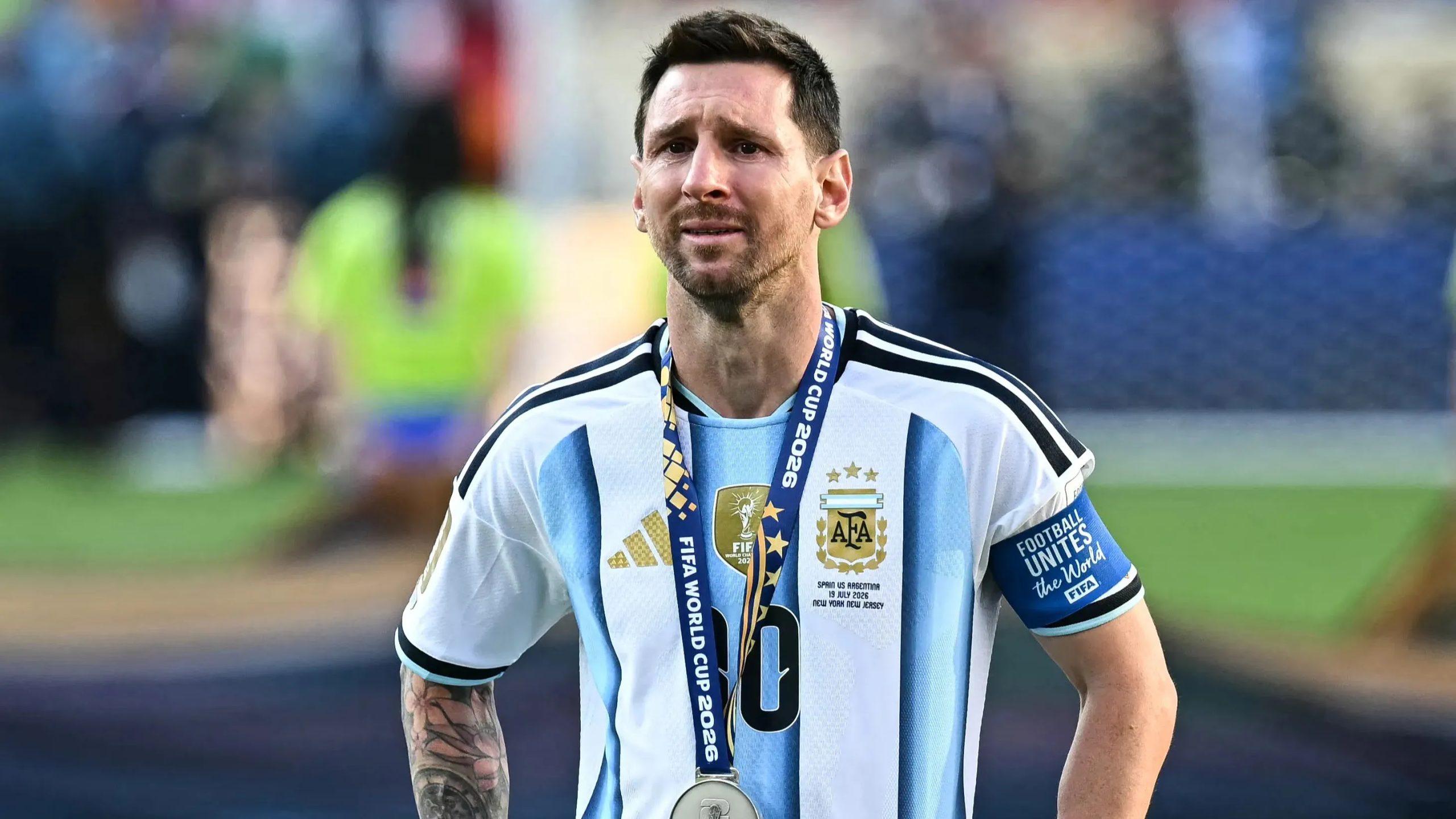
Although Argentina fell short in the final, captain Lionel Messi once again reminded the football world of his extraordinary quality. At 39, Messi guided the reigning champions to another World Cup final, delivering decisive performances and flashes of brilliance throughout the tournament. His emotional reaction after the final whistle has fuelled speculation that Sunday’s defeat may have marked the final World Cup appearance of one of the sport’s greatest-ever players.
England were another major talking point under new head coach Thomas Tuchel. The Three Lions reached the semi-finals before suffering a narrow defeat to Argentina and later secured third place with a thrilling 6-4 victory over France. While England again fell short of reaching the final, Tuchel’s first World Cup campaign offered encouraging signs for the future, with Harry Kane leading from the front as captain and remaining one of the tournament’s influential figures.
The expanded 48-team format also made history. The World Cup tournament featured a record 104 matches and produced more than 300 goals, making it the highest-scoring FIFA World Cup ever. The larger competition provided opportunities for emerging football nations to compete on the biggest stage and delivered several memorable upsets during both the group stage and knockout rounds.
However, the tournament was not without controversy. Long-distance travel between host cities, extreme summer temperatures in parts of North America, and several contentious refereeing and disciplinary decisions sparked criticism from players, coaches and supporters throughout the competition.
Despite those challenges, the 2026 World Cup highlighted football’s continued global growth. Emerging nations impressed with fearless performances, while traditional powers delivered dramatic knockout encounters that captivated millions of fans around the world.
Attention now turns to the 2026 Ballon d’Or race, where Rodri’s outstanding performances have strengthened his credentials, while preparations begin for the next cycle of international competitions.
The legacy of the 2026 FIFA World Cup will ultimately be remembered for Spain’s return to the summit of world football, Rodri’s midfield brilliance, Lionel Messi’s enduring greatness, Harry Kane’s leadership, Thomas Tuchel’s promising start with England, and another unforgettable chapter in the history of the beautiful game.