By Rene Anthere Rwanyange
KIGALI — Rwanda’s future lawyers have been challenged to turn their knowledge of International Humanitarian Law into practical legal arguments that protect human life and dignity during armed conflicts.
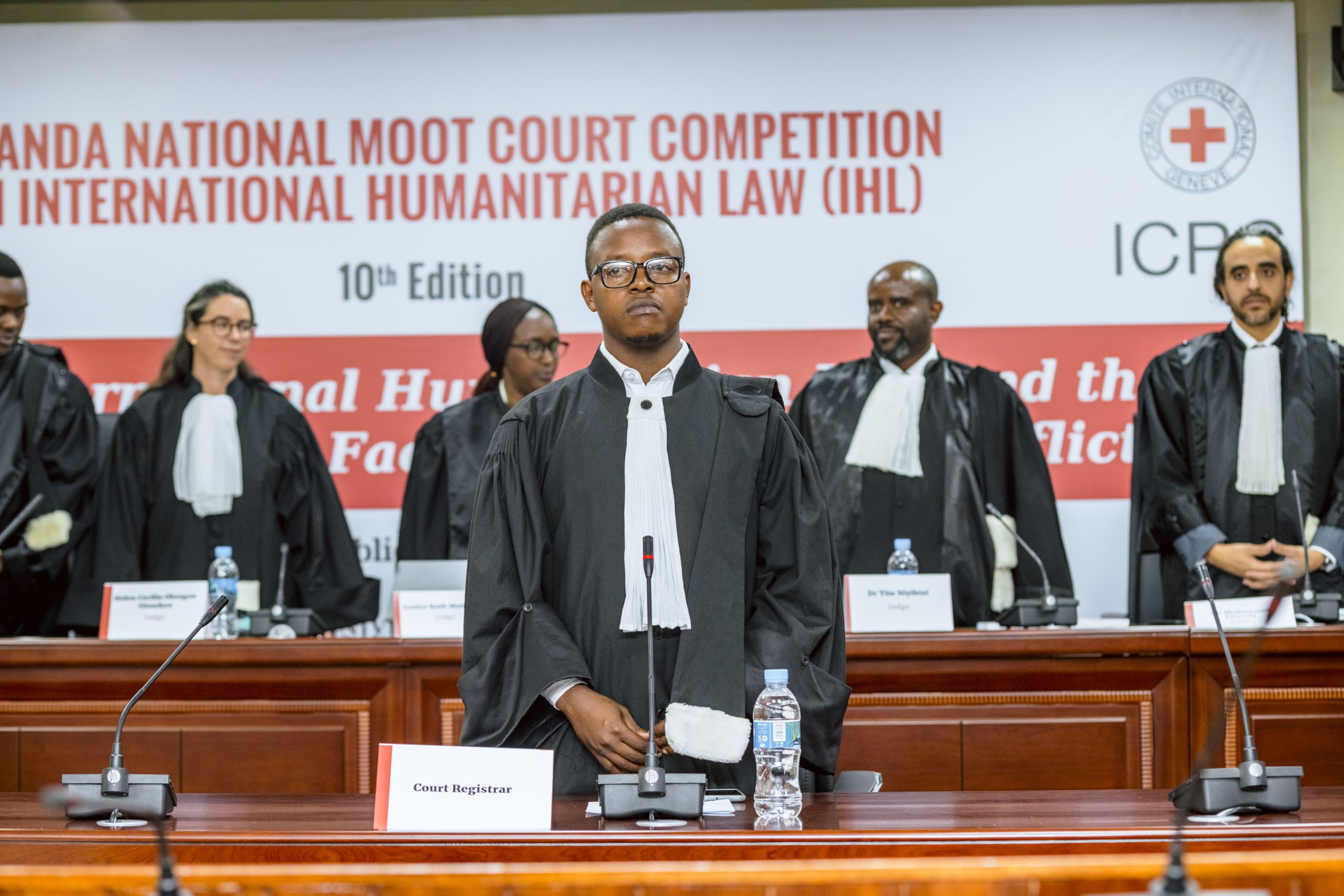
The call was made during the 10th National International Humanitarian Law (IHL) Moot Court Competition, held in Kigali on October 15–16, 2026, where law students examined the protection of medical facilities and healthcare workers during war.
Participants in the 10th National International Humanitarian Law Moot Court Competition say the experience strengthened their understanding of international humanitarian law, improved their practical legal skills and prepared them for future careers in the justice sector and humanitarian work.
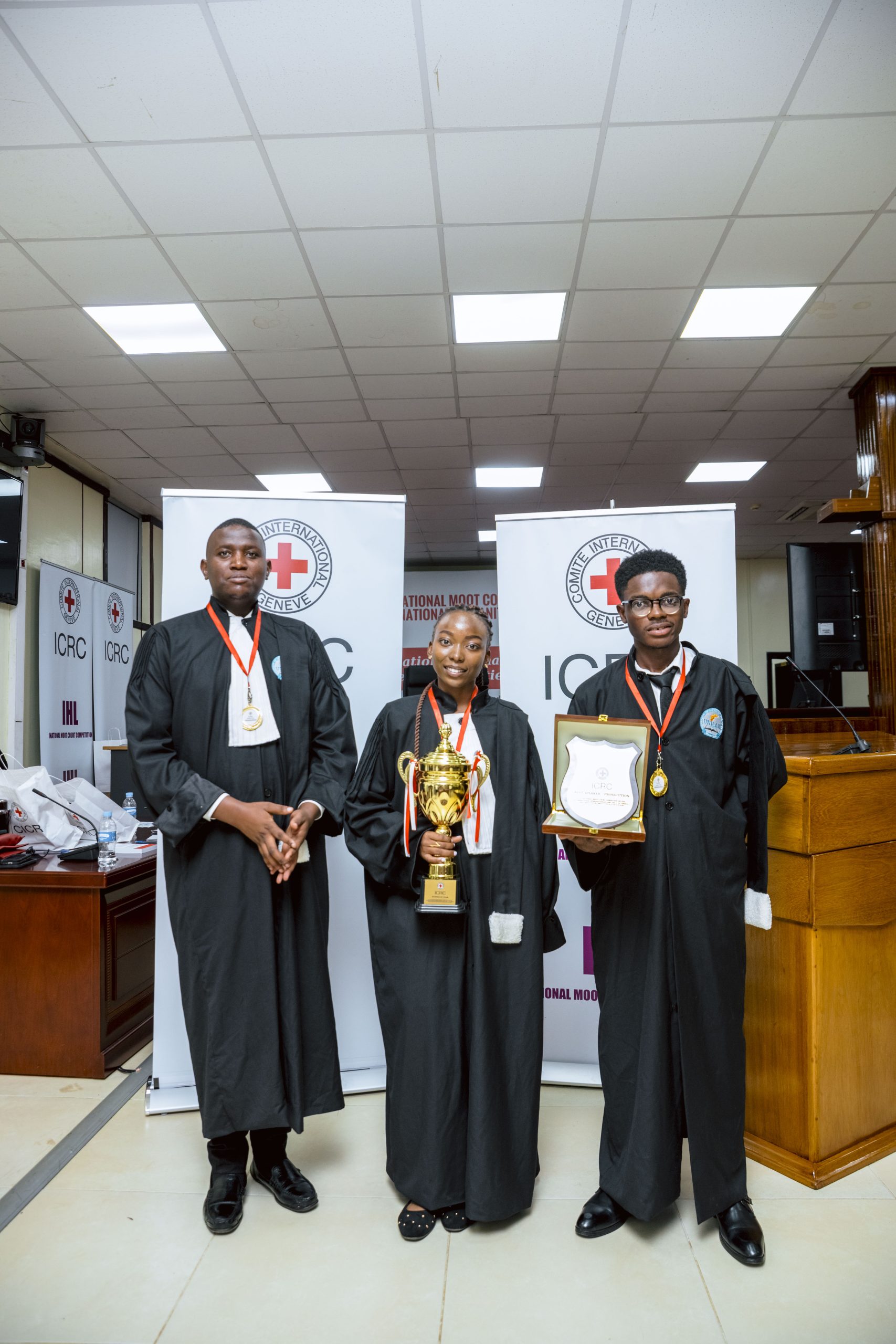
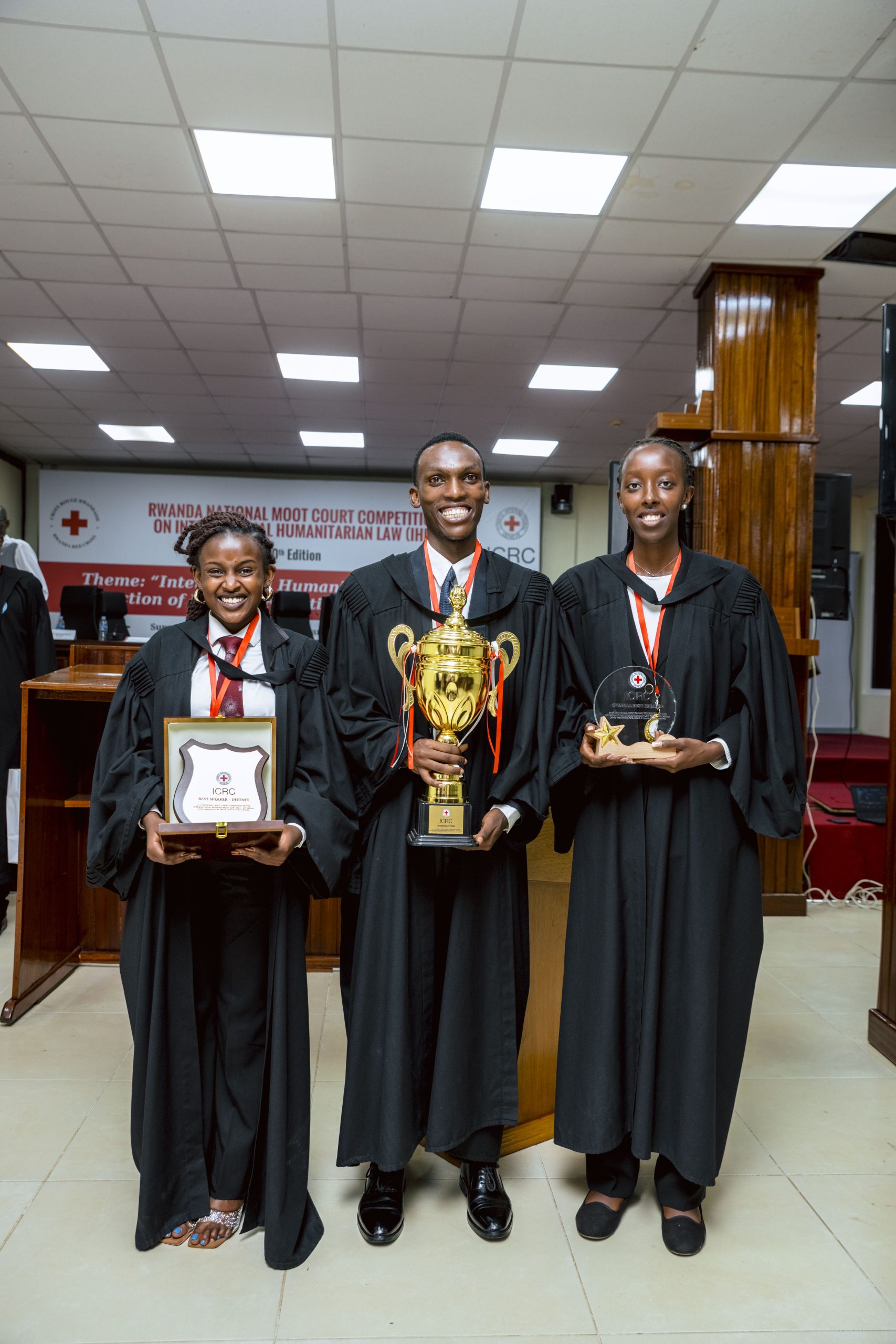
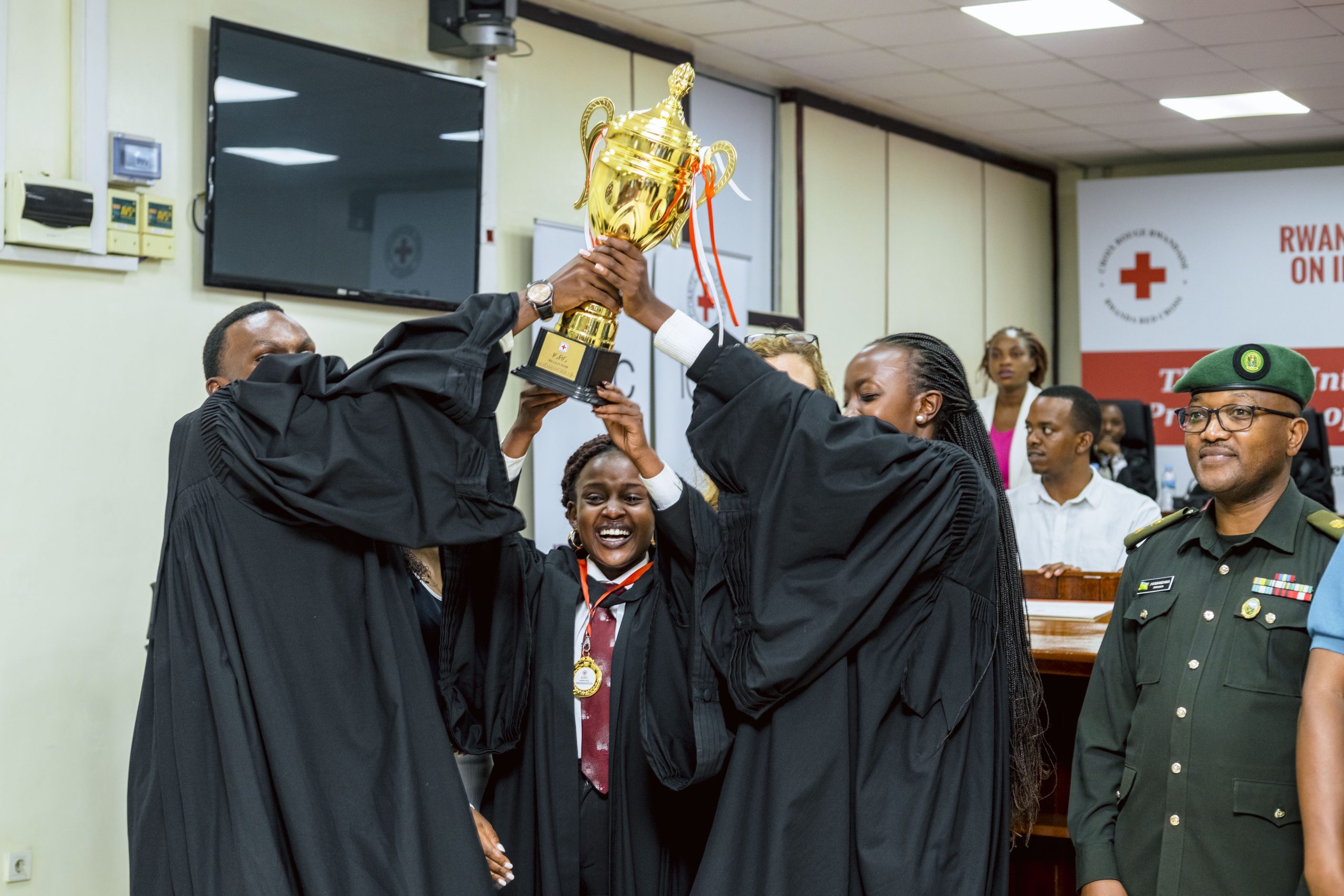
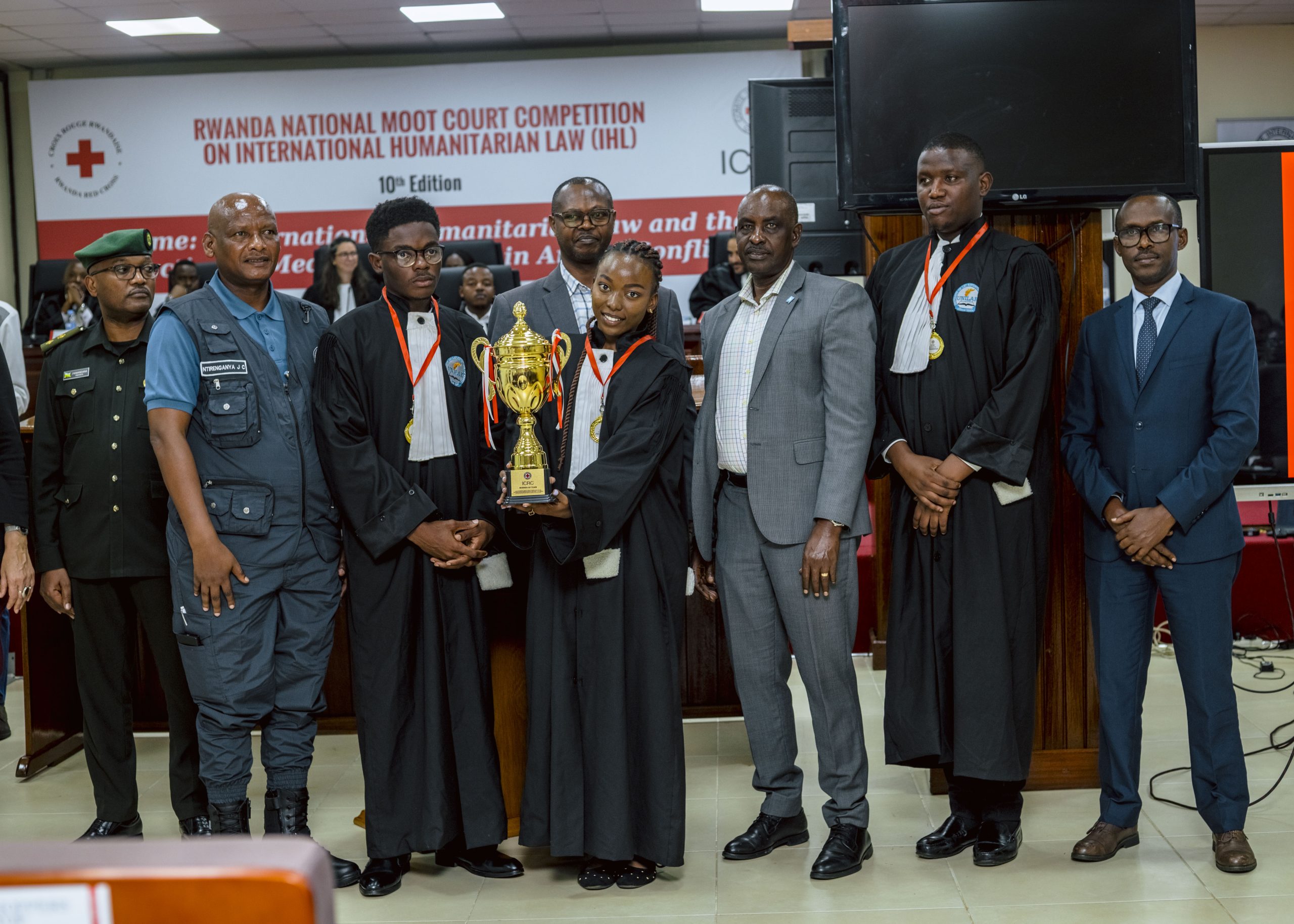
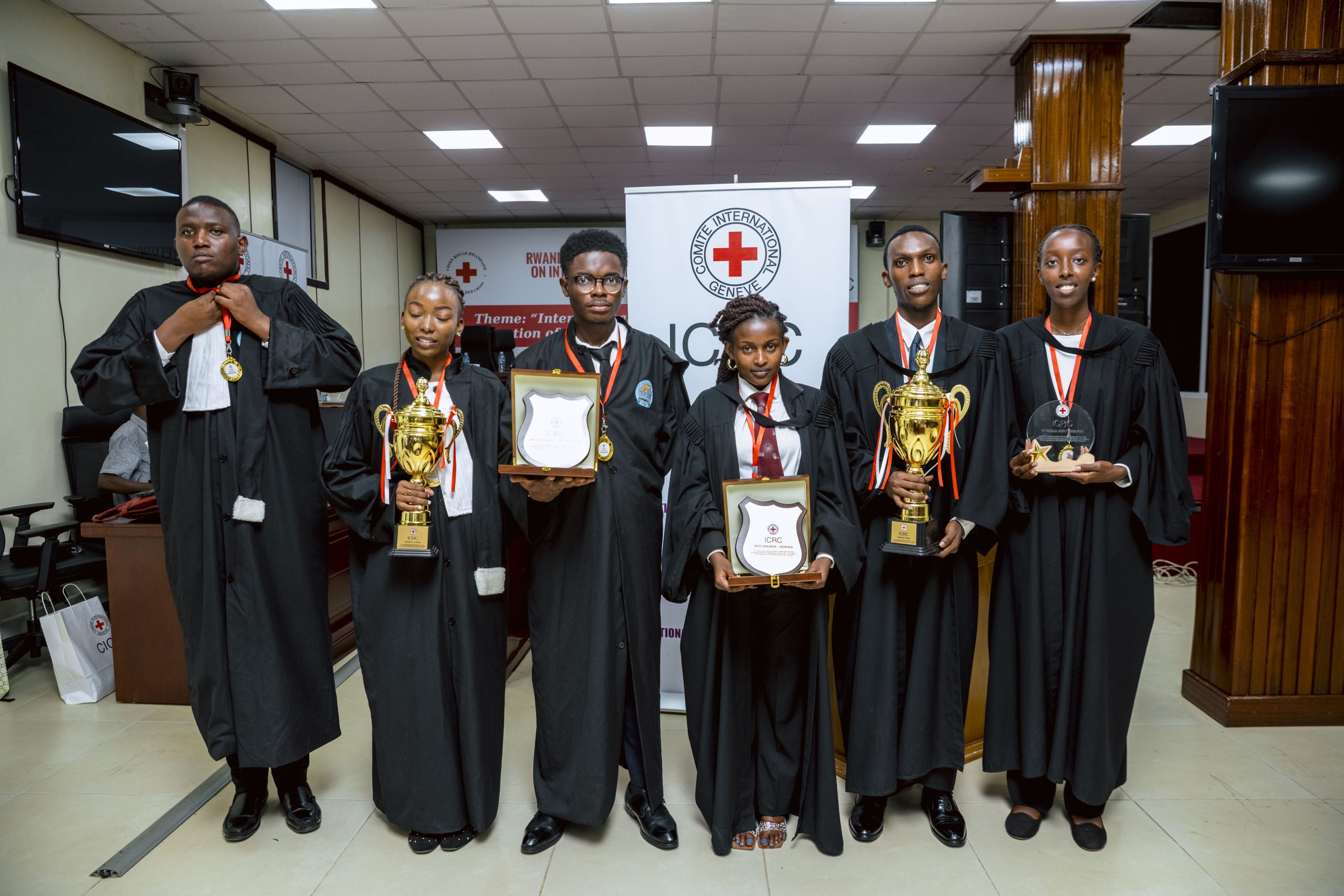
The ceremony recognised outstanding performances across several categories. Mount Kigali University (MKU) emerged as the overall winning team, while the University of Lay Adventists of Kigali (UNILAK) finished as runner-up. Kigali Independent University (ULK) won the Best Prosecution Memorial award, while INES Ruhengeri received the Best Defence Memorial award.
Karl of UNILAK was named Best Prosecution Speaker, Emmanuella of MKU won Best Defence Speaker, and Grolia of MKU received the Overall Best Speaker award.
Organised by the ICRC in Rwanda in collaboration with participating universities and other partners, the annual competition seeks to deepen students’ understanding of the rules governing armed conflict and develop the research, analytical and advocacy skills required in legal practice.
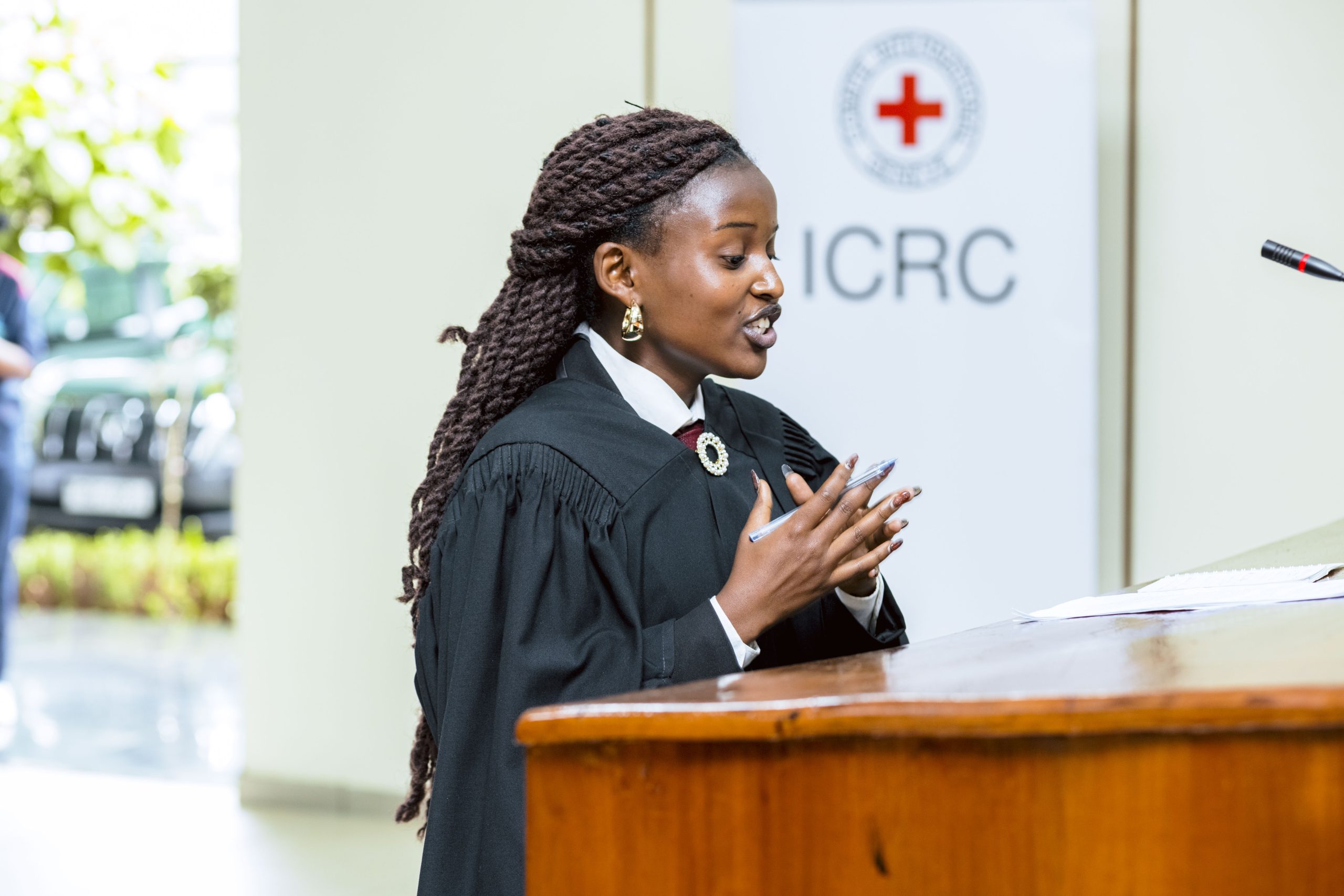
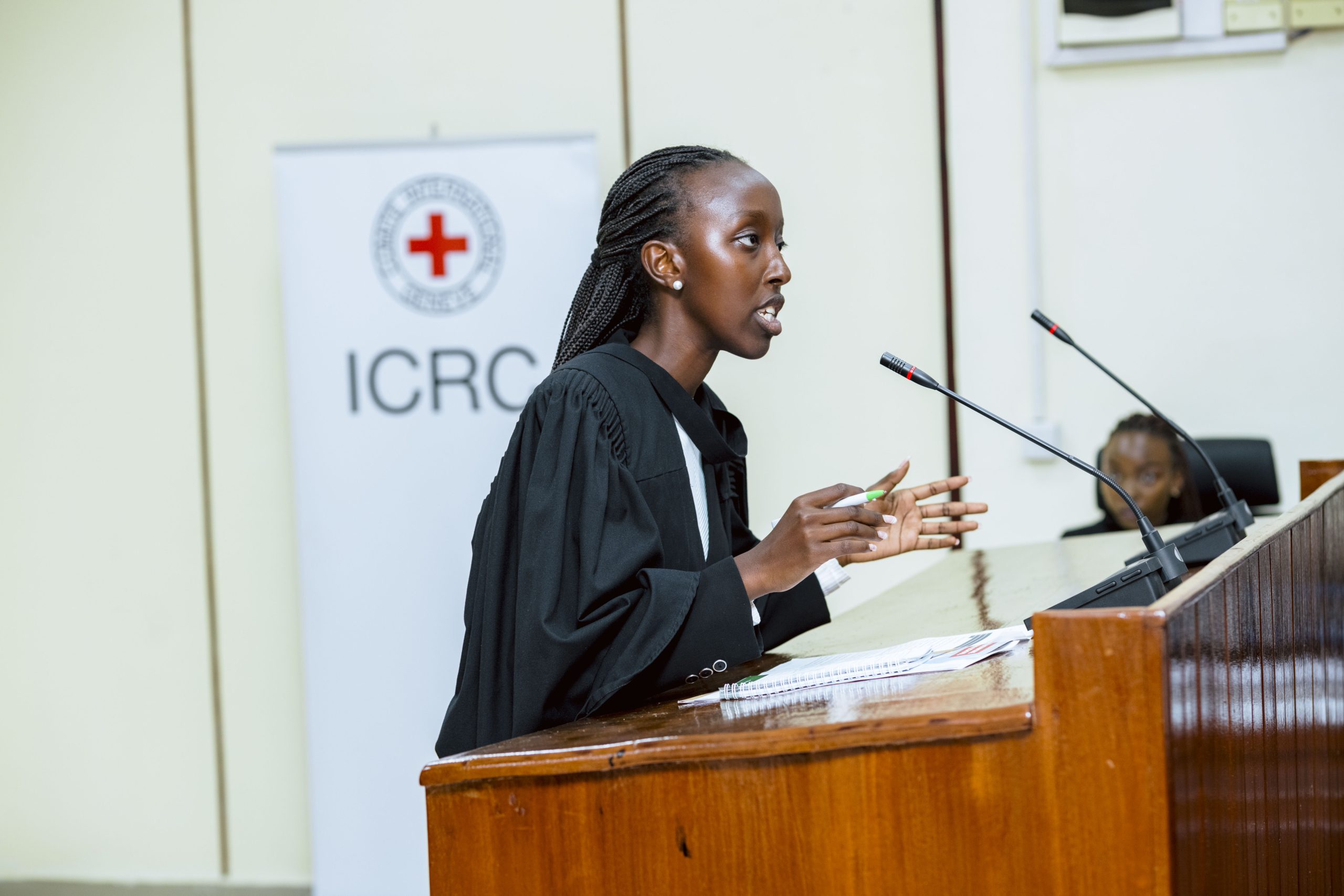
Karl De Sivili of UNILAK and Miss Gloria Nshutinziza of Mount Kigali University highlighted the competition’s value in developing professional skills, learning from experienced coaches and preparing to apply humanitarian law in their future careers.
“The experience has been both challenging and rewarding for me personally. Although my team finished as runner-up, I see the competition as a valuable learning opportunity. I had the chance to interact with several coaches and learn from their experience, for which I am very grateful.
“What I have learned here will contribute to my future career in the justice sector. I will apply the knowledge and skills I gained during the competition in my professional practice, particularly when I become a legal practitioner. This experience has given me valuable lessons that I can carry forward into my career,” Karl De Sivili, from UNILAK
“The competition has been a major achievement that has broadened our understanding of international humanitarian law and strengthened our practical skills. It prepares us for future careers in policymaking, humanitarian organisations and the military. Although the journey was challenging, our university, lecturers and teammates supported us throughout,” Miss Gloria Nshutinziza, Mount Kigali University.
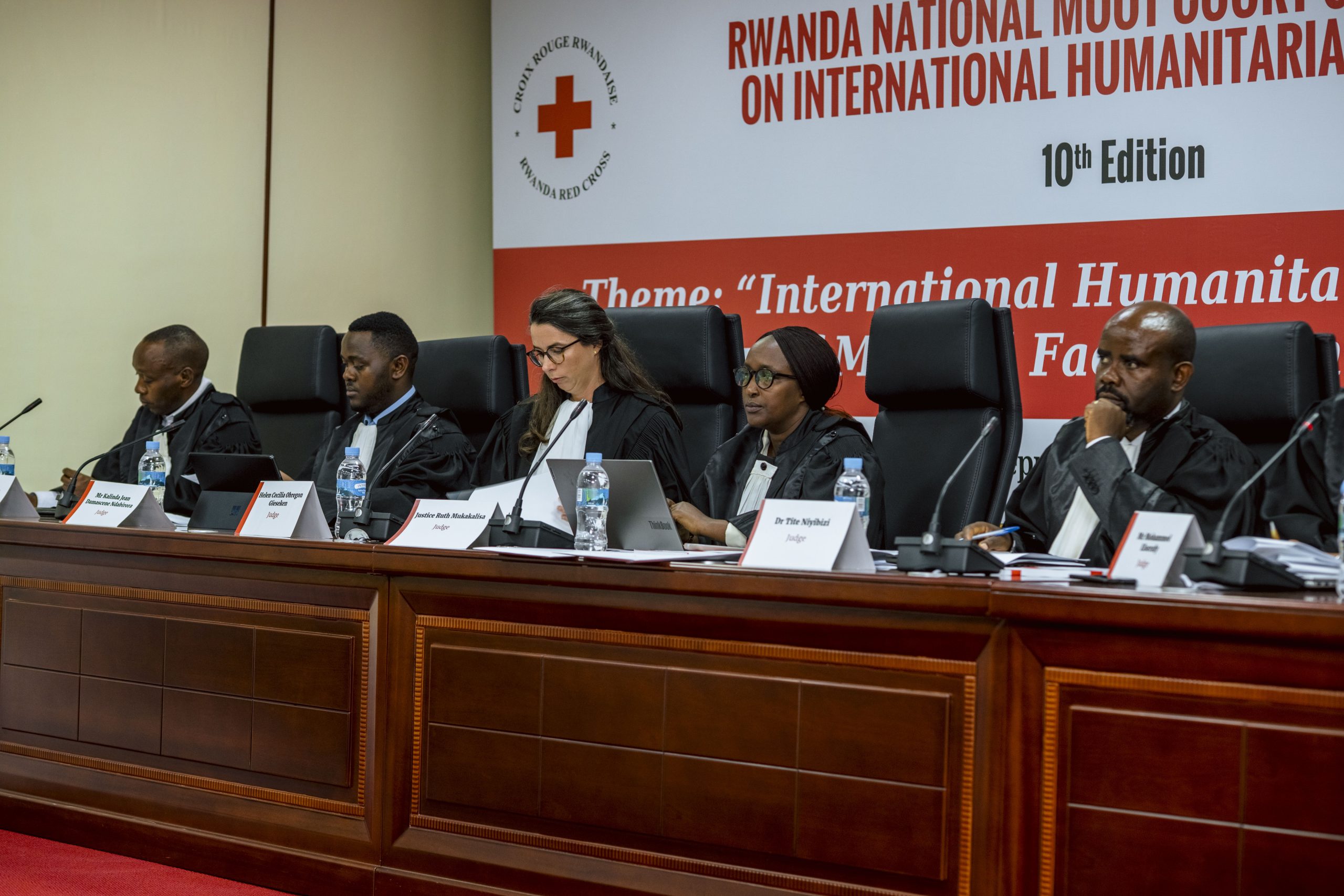
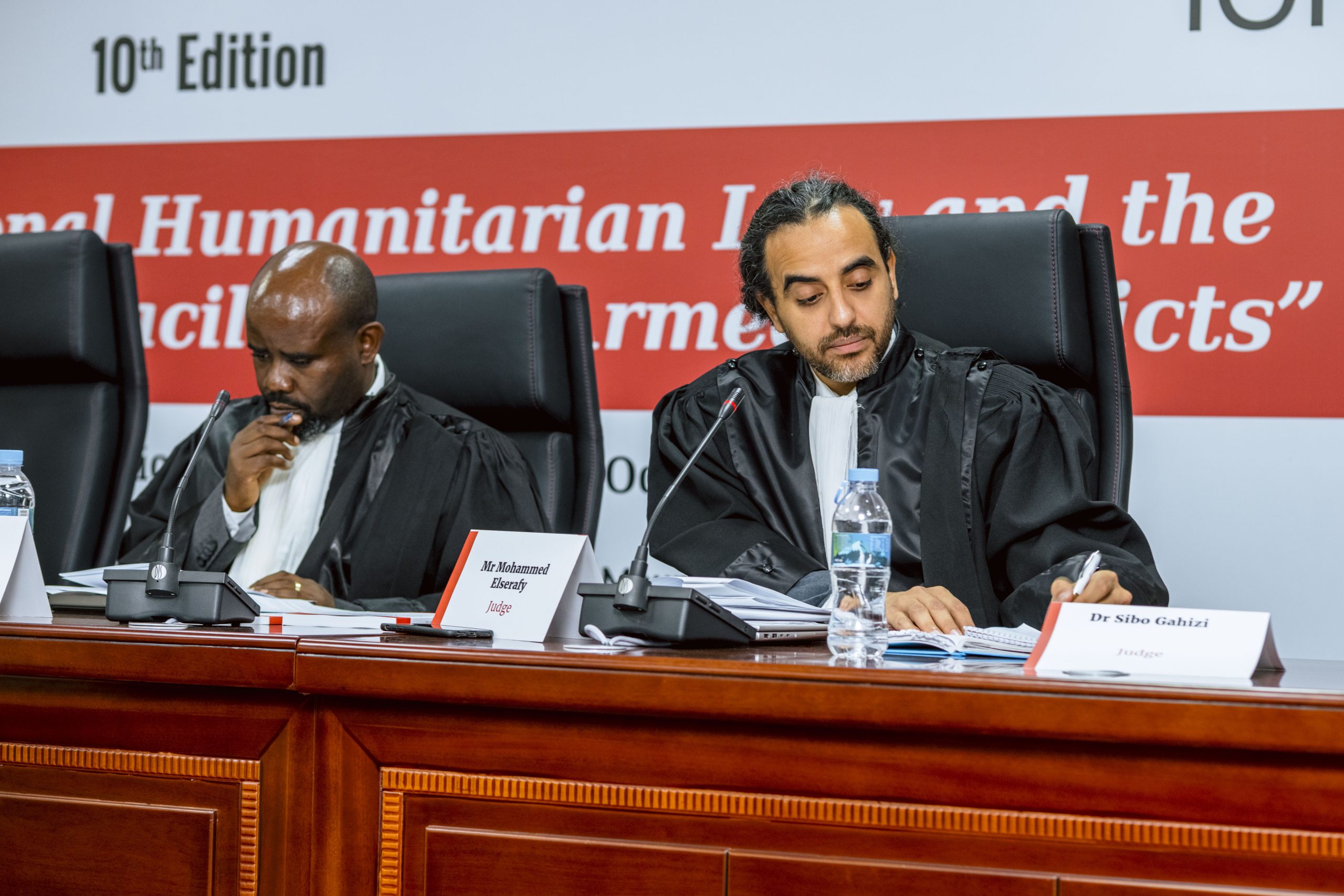
Judges urged participants to strengthen their legal reasoning on armed conflict, proportionality, precautions to minimise civilian harm and the use of relevant case law. They also emphasised the importance of anticipating judicial questions, managing time and defending arguments confidently without making unnecessary concessions.
Justice Isabelle Kalihangabo, speaking on behalf of the Chief Justice of Rwanda, said protecting medical facilities and personnel was not merely a humanitarian aspiration but a legal obligation essential to preserving human life and dignity.
“More than a humanitarian aspiration, the protection of medical facilities and medical personnel in armed conflict is a legal obligation and an essential condition for preserving human life and dignity,” she says.
She warns that when healthcare facilities and personnel are not adequately protected, the consequences extend beyond immediate victims, undermining entire communities’ ability to survive and recover.
“The consequences extend far beyond the immediate victims because the ability of entire communities to survive and recover is undermined,” Justice Kalihangabo adds.
The competitions give students an opportunity to examine how international humanitarian law applies in complex situations and how legal professionals can help ensure that its provisions are respected in practice.
Aurelie Grange, Head of Mission of the International Committee of the Red Cross (ICRC) in Rwanda, challenges participants to consider how international humanitarian law can protect human life and dignity during conflict.
She stresses that hospitals, ambulances, medical personnel and patients must remain protected under the law, describing respect for these safeguards as an essential expression of humanity during armed conflict.
Innocent Musonera, a Senior Lecturer at the University of Rwanda and chair of the competition’s steering committee on IHL, said the moot court helps students bridge the gap between academic knowledge and professional practice.
“By combining legal research, written memorials and oral presentations, the Moot Court brings theory and practice, deepens students’ understanding of IHL and develops the skills they will need as future legal practitioners,” he says.
Musonera adds that successful teams could gain opportunities to participate in regional and continental competitions, expanding their legal experience and enabling them to represent Rwanda internationally.
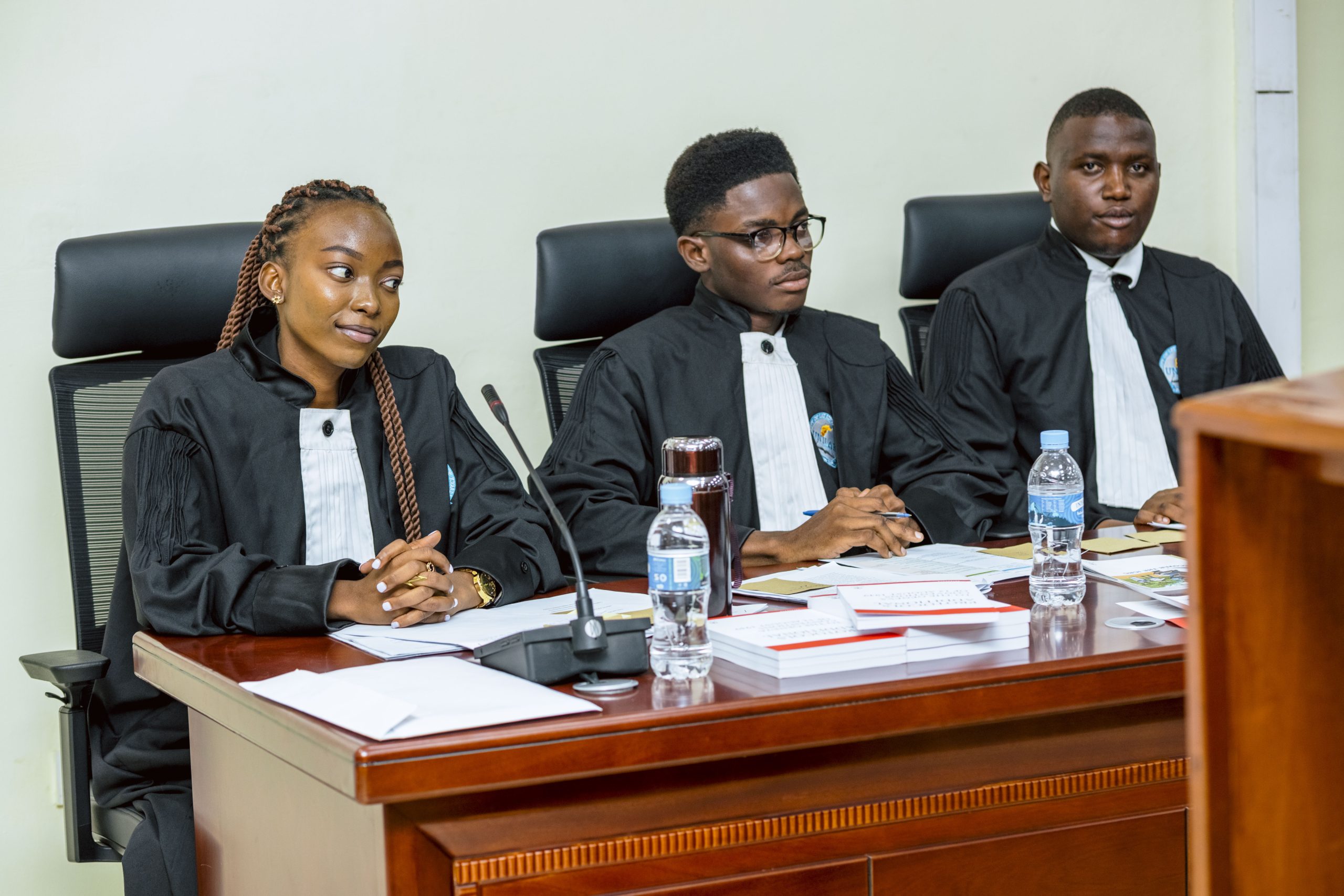
The competitions feature simulated court proceedings in which students presented prosecution and defence arguments based on international humanitarian law. Participants were assessed on their legal analysis, written submissions and oral advocacy.
A public lecture by Helen Obregón Gieseken, an ICRC legal adviser, also examined the legal protection of medical facilities during armed conflict, including the strict conditions governing attacks on hospitals that lose their special protection.
At the closing ceremony on October 16, the guest of honour called on students to carry the lessons into their future careers as judges, prosecutors, investigators and advocates.
She says that the effective implementation of international humanitarian law depends not only on international instruments and national legislation but also on professional responsibility and the willingness of individuals and institutions to translate legal obligations into practice.
Its 10th edition reinforced the importance of preparing future legal professionals to uphold international humanitarian law and help ensure that the protection of human life and dignity remains central, even during war.