By Rene Anthere Rwanyange
- School feeding programme faces Rwf626 million shortfall as 2025 survey puts national stunting rate at 27%
The City of Kigali is seeking stronger collaboration to fight child malnutrition. The call comes as 14.2% of children under five in the capital suffer from stunting, according to the 2025 Rwanda Demographic and Health Survey (RDHS7).
The city’s school feeding programme also faces a funding gap of about Rwf626 million. This shortfall raises concerns about the resources available to provide children with balanced and nutritious meals.
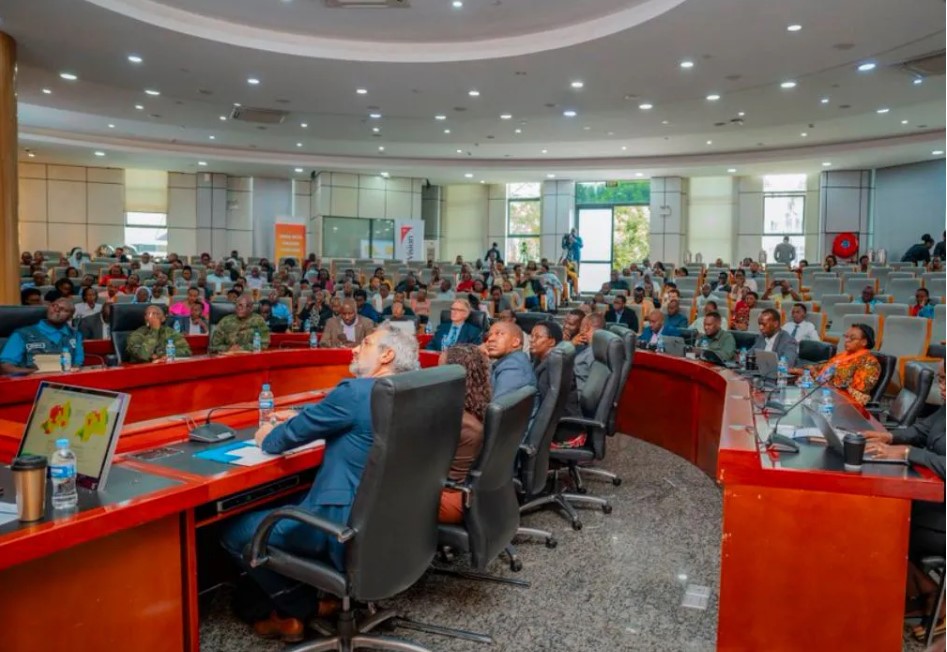
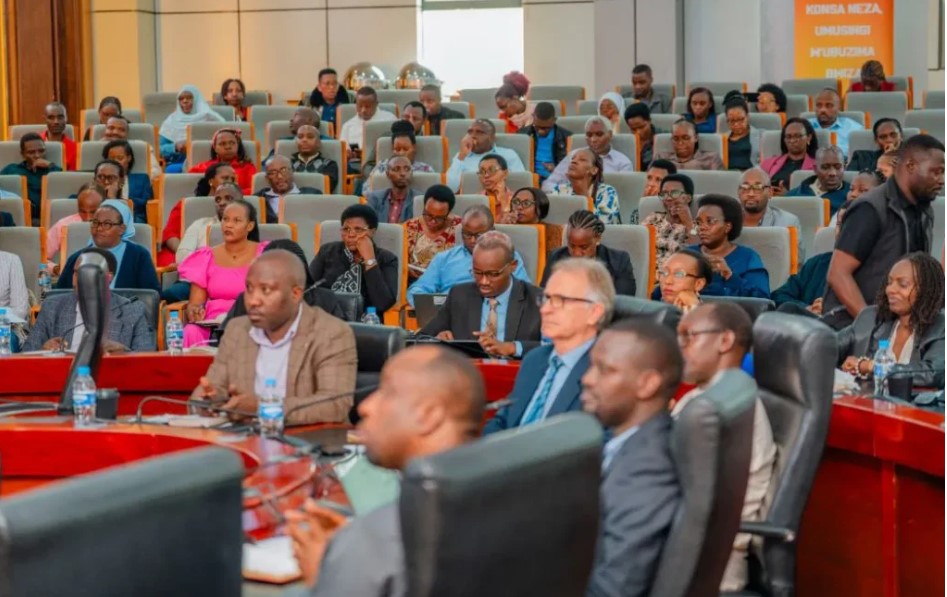
The issue takes centre stage at a stakeholder meeting held in Kigali on November 13, 2026. The meeting brings together government institutions, parents, development partners and civil society organisations. Its aim is to strengthen nutrition interventions, increase parental participation in school feeding and improve early childhood development services.
The 2025 survey puts the national stunting rate at 27%. This is down from 33% in 2019–2020 and the decline shows progress. However, the figures confirm that malnutrition remains a major challenge to children’s growth and development.
Evariste Murwanashyaka, Programme Coordinator at the Collective of Leagues and Associations for the Defence of Human Rights in Rwanda (CLADHO), says that the meeting is the fifth in a series of consultations held across the country.
“The meeting is the fifth of its kind to be held across the country,” he says. He explains that the consultations bring stakeholders together to assess the situation and identify joint measures to fight child malnutrition.
The initiative brings together the National Child Development Agency (NCDA), the United Nations World Food Programme (WFP), World Vision, CLADHO and other development partners.
Participants call for nutrition interventions to be included in early childhood development programmes and social protection initiatives. They also stress the need for adequate budgets, better planning and stronger skills among early childhood service providers.
The discussions also highlight the importance of improving food processing and distribution in urban markets. Participants call for more public awareness of balanced diets and access to nutritious food.
School feeding faces Rwf626 million shortfall
The school feeding programme remains a key area for stronger parental involvement and financial support. Figures presented at the meeting show that the City of Kigali expects to collect about Rwf1.72 billion from parents. So far, it has collected Rwf1.1 billion. This leaves a shortfall of about Rwf626 million.
Gasabo District has the largest gap at Rwf281 million. Kicukiro follows with Rwf179.4 million, while Nyarugenge has a shortfall of Rwf165.6 million. The figures also show that 71.6% of parents have made their contributions. This represents about 213,400 parents out of 297,872 students.
The funding gap could affect the quality and variety of meals served to learners. It could also limit the supply of fruits, vegetables and protein-rich foods.
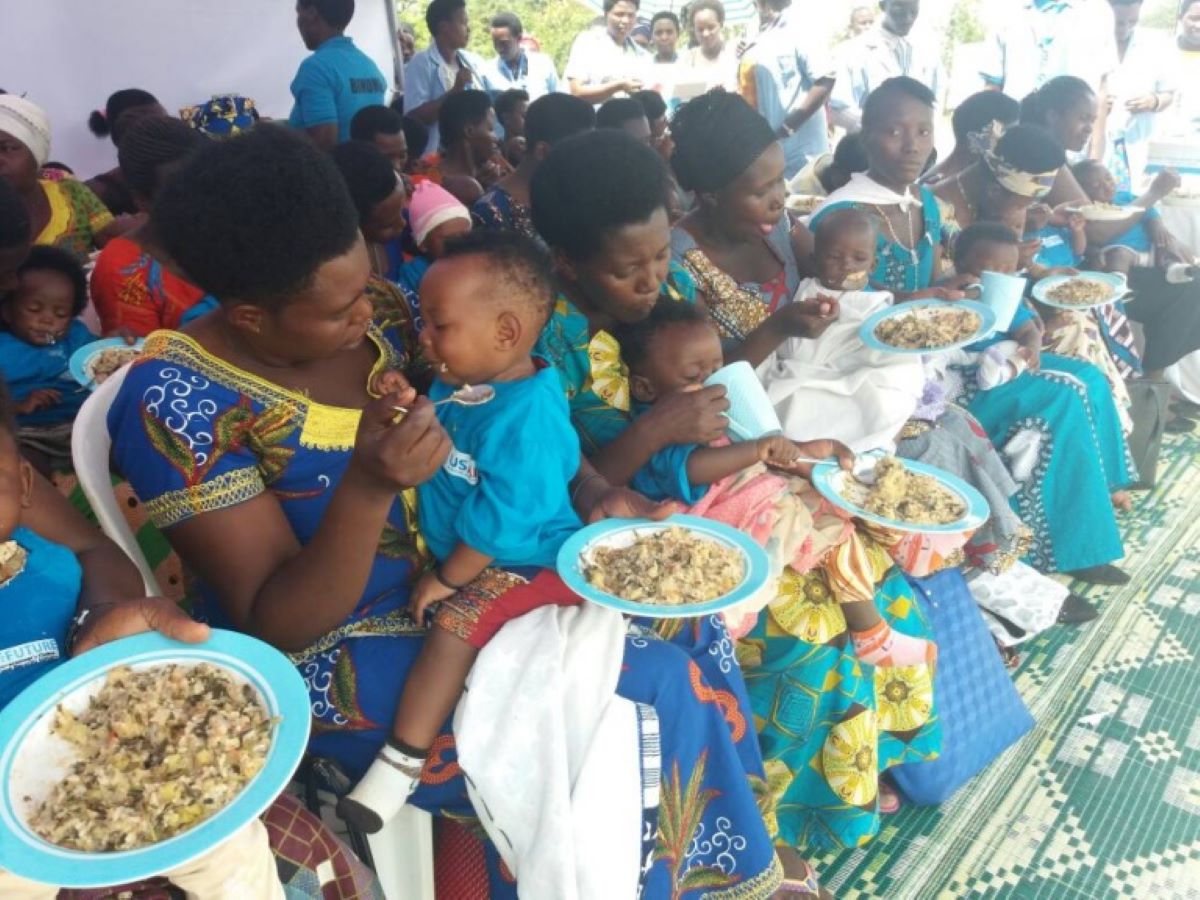
Parents are encouraged to support the programme in different ways. These include providing cooking fuel, salt, fruits, vegetables, animal products and kitchen equipment. The figures also point to the need to consider the financial situation of households. Some families face difficulties in meeting their basic needs.
Parental awareness remains important
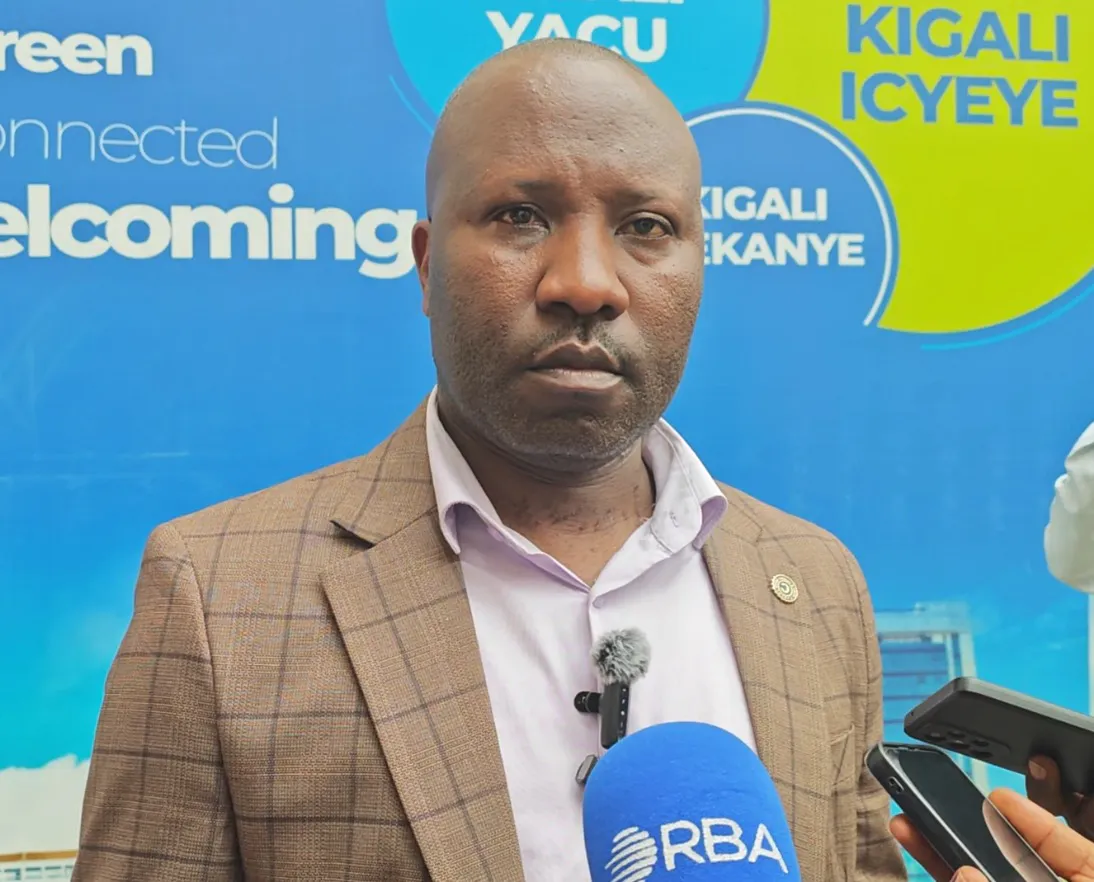
Assoumpta Ingabire, Director General of NCDA, says that limited parental knowledge of proper nutrition contributes to child malnutrition.
“Limited knowledge of proper nutrition among parents contributes to child malnutrition,” she says. She points to feeding practices that fail to provide children with the nutrients they need for healthy growth.
Ingabire stresses the importance of proper feeding during the first 1,000 days of a child’s life. This includes exclusive breastfeeding during the first six months. It also involves introducing nutritious complementary foods after that period.
The first 1,000 days cover the period from pregnancy until a child’s second birthday. Nutrition during this time supports physical and cognitive development. It also lays the foundation for a child’s future health.
The meeting also highlights gaps in early childhood development (ECD) services. These gaps are especially important for families who cannot afford privately operated centres.
Figures presented during the discussions show that privately operated ECD centres account for 75% of centres in Kicukiro. The proportion stands at 72% in Nyarugenge.
Participants identify four major challenges facing ECD services. These are inadequate infrastructure, limited financial capacity among parents, insufficient time parents spend with their children and a shortage of professional skills among ECD service providers.
They say addressing these gaps is important. It would help children from vulnerable households access quality care, early learning and proper nutrition.
Collaboration beyond the health sector
World Vision’s representative, Odette Uwamahoro says that the fight against child malnutrition requires action beyond food provision.
“Addressing this challenge requires collaboration among different stakeholders to promote proper nutrition, healthcare, access to clean water, hygiene and education,” she says.
She also calls for greater support for vulnerable families. She says children should receive knowledge about nutrition and hygiene.
“We must also support vulnerable families, equip children with knowledge about nutrition and hygiene, and involve them as participants in decisions that affect their lives, so that every child can grow up healthy and develop properly,” she adds.
Her remarks highlight the links between nutrition, healthcare, safe water, hygiene and education. These areas all play a role in improving children’s well-being.
Accountability key to progress
Participants also point to the role of the Imihigo performance contract system in monitoring nutrition-related targets. The monitoring framework tracks progress at different levels. These include the City of Kigali, districts, sectors, cells, villages and schools.
Figures presented at the meeting show progress in parental contributions. The number of districts failing to reach the 70% target has declined across three monitoring periods. It falls from nine districts to five, and then to four.
This progress shows that parental participation is improving. However, the remaining funding gap calls for more effort. Participants stress that government action alone cannot eliminate child malnutrition. Parents, communities, development partners and the private sector also have important roles to play.
They call for stronger accountability, adequate funding and sustained public awareness. These efforts should help improve household nutrition practices and support healthier children.
For Kigali, reducing child malnutrition requires more than increasing school feeding contributions. It also calls for better early childhood services, improved access to nutritious food and stronger support for families facing economic difficulties.
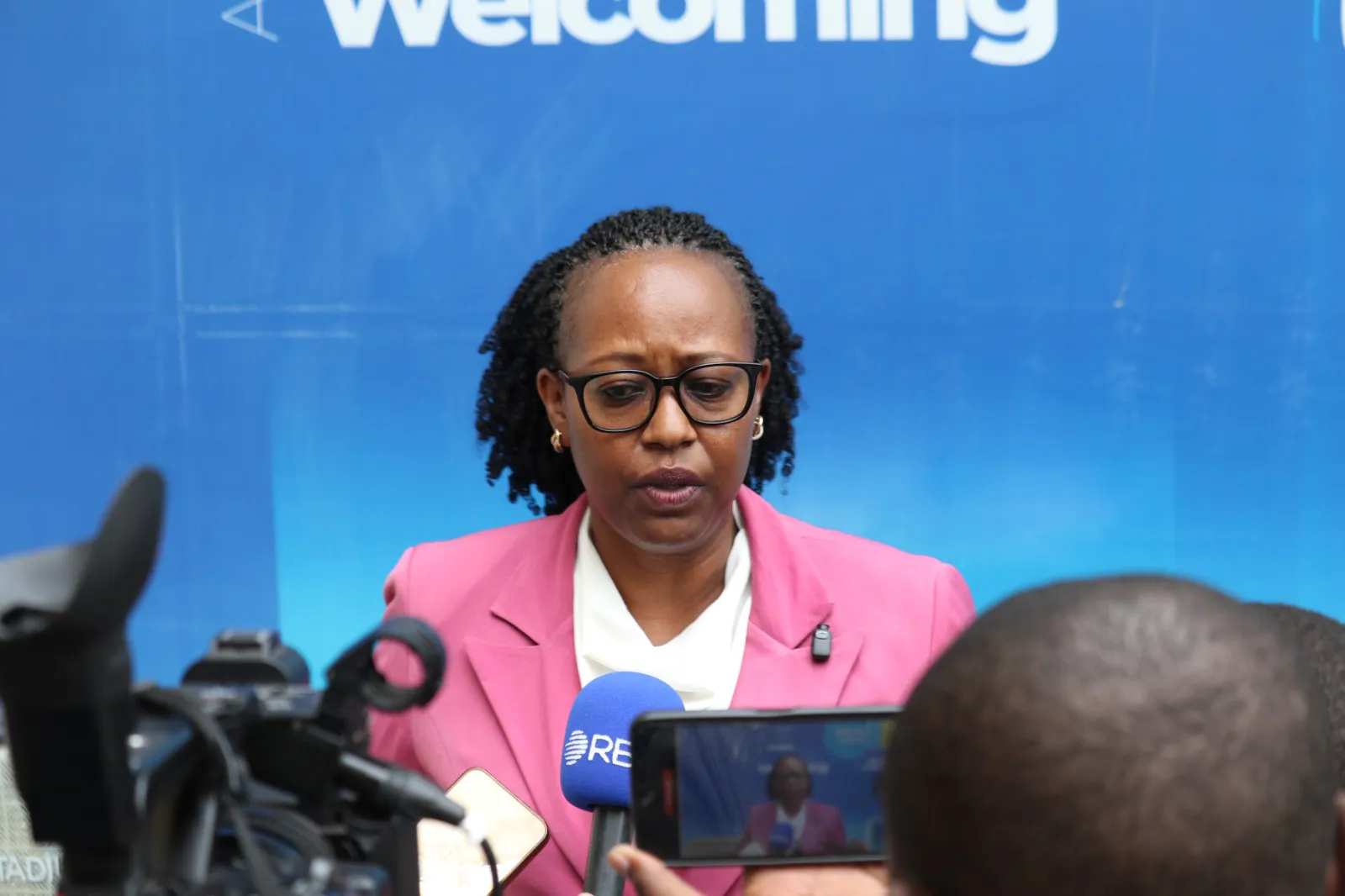 Assoumpta Ingabire, Director General of the National Child Development Agency (NCDA), stresses the importance of proper child feeding practices and parental awareness in preventing malnutrition and promoting healthy growth.