By Rene Anthere Rwanyange
- FOBASI model seeks to improve productivity, attract agribusiness investment and strengthen climate resilience
Rwanda is promoting Food Basket Sites (FOBASI) to increase agricultural production, improve farmers’ incomes and strengthen food security through organised and climate-smart farming.
The initiative forms part of the Fifth Strategic Plan for the Transformation of Agriculture (PSTA 5). The Ministry of Agriculture and Animal Resources (MINAGRI) leads its implementation.
FOBASI stands for Food Basket Sites. It refers to designated and mapped agricultural production areas where farmers organise their activities under a unified management system.
The model builds on existing Land Use Consolidation sites. It brings farmers together to coordinate production, aggregate harvests and improve marketing. Its main objective is to increase productivity and make farming more commercially viable.
Farmers in these sites benefit from improved seeds, fertilisers, irrigation, mechanisation and agricultural extension services. The model also promotes better post-harvest management and stronger market connections.
According to MINAGRI’s 2024/2025 annual report, Rwanda maps 13,379 crop production sites covering 495,155 hectares. It also maps 6,169 zero-grazing sites covering 92,334 hectares. These sites provide the foundation for improved agricultural management and production intensification.
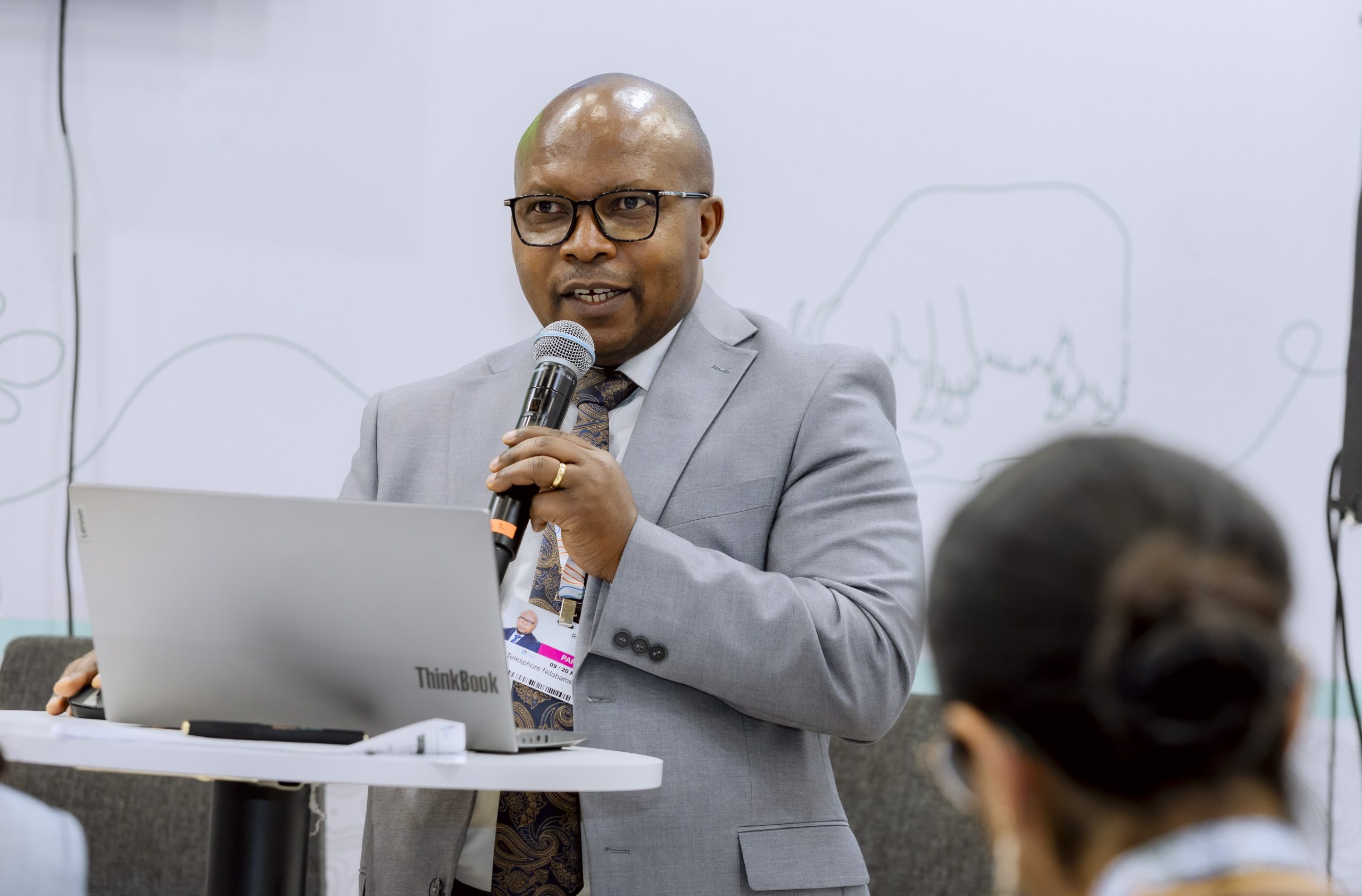
Minister highlights FOBASI at COP31
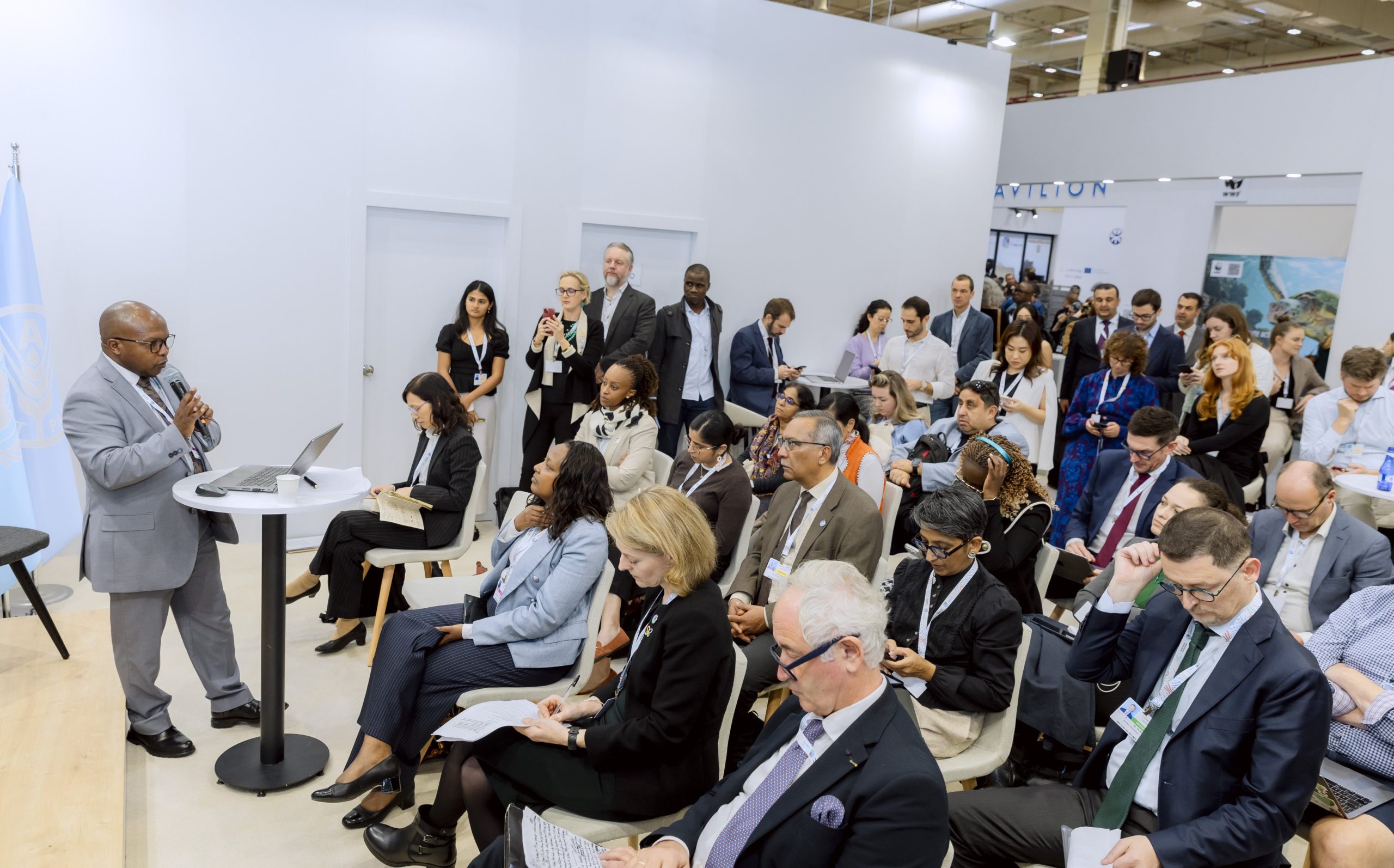
Rwanda presents the FOBASI model at the 31st United Nations Climate Change Conference (COP31) in Antalya, Türkiye.
Minister of Agriculture and Animal Resources, Dr Telesphore Ndabamenye, highlights it as a practical approach to scaling up climate-smart agriculture. Addressing delegates, the Minister explains how the model changes the organisation of agricultural production.
“Through FOBASI, Rwanda is moving from fragmented agricultural production towards an integrated, site-based approach that brings together farmers, land resources, infrastructure, technology, financing and coordinated service delivery,” he says.
The Minister explains that the approach supports irrigation, conservation agriculture, soil health management and efficient water use.
It also strengthens access to extension services, post-harvest management and markets. He stresses the importance of organised farmer groups, skills development and innovation. He also identifies agricultural insurance and access to finance as important tools for improving farmers’ livelihoods.
The Minister calls for stronger partnerships with private investors and development organisations. He wants more investment, affordable technologies and expertise to reach farmers. He also emphasises the need to translate climate commitments into practical benefits for farming communities.
FOBASI opens opportunities for agribusiness
Beyond increasing food production, FOBASI creates opportunities across the agricultural value chain. Organised production sites provide a framework for more reliable supplies of agricultural commodities. This attracts interest in storage, processing, transportation and agricultural input businesses.
The model also encourages farmers to produce and market their harvests collectively. This strengthens their connections with buyers and creates opportunities to participate in commercial agriculture.
For private investors, the sites offer opportunities to establish processing facilities and agricultural services closer to production areas. These activities support job creation and expand business opportunities in rural communities.
Climate finance supports agricultural transformation
FOBASI also complements Rwanda’s efforts to mobilise investment in climate-smart agriculture. At COP31, Rwanda presents approximately US$335.4 million in potential private-sector investment opportunities under its Climate Smart Agriculture Investment Plan.
MINAGRI and the Rwanda Green Fund develop the plan with support from the International Finance Corporation (IFC).
The investment pipeline targets 83,250 hectares of climate-resilient agricultural land. It also identifies opportunities to connect 170,200 farmers and 375 businesses with financing.
Priority areas include irrigation infrastructure, climate adaptation, water management and sustainable agricultural production.
The plan provides opportunities for financial institutions, agribusinesses and technology providers to invest in the sector.
These investments support improved production, reduce vulnerability to climate-related shocks and strengthen agricultural businesses.
The model also promotes sustainable land management and better water use. These practices help farmers respond to changing rainfall patterns and protect agricultural production.
Through PSTA 5, Rwanda pursues a more productive, competitive and climate-resilient agricultural sector.
FOBASI provides a framework for connecting farmers with infrastructure, technology, financing and markets.
The initiative places organised production and agribusiness investment at the centre of agricultural transformation. It links food security with rural incomes, private-sector participation and sustainable economic growth.