By Rene Anthere Rwanyange
The investment plan targets irrigation, climate resilience and sustainable production, with potential to benefit more than 170,000 farmers and 375 businesses.
Rwanda is seeking to attract $335.4 million in private-sector investment into climate-smart agriculture, positioning the sector as an emerging opportunity for investors while targeting higher productivity, stronger food security and increased resilience to climate change.
The investment pipeline, presented at the COP31 climate conference in Antalya, Türkiye, identifies opportunities across eight priority areas, with a focus on mobilising private capital to modernise agricultural production and strengthen the competitiveness of Rwanda’s food systems.
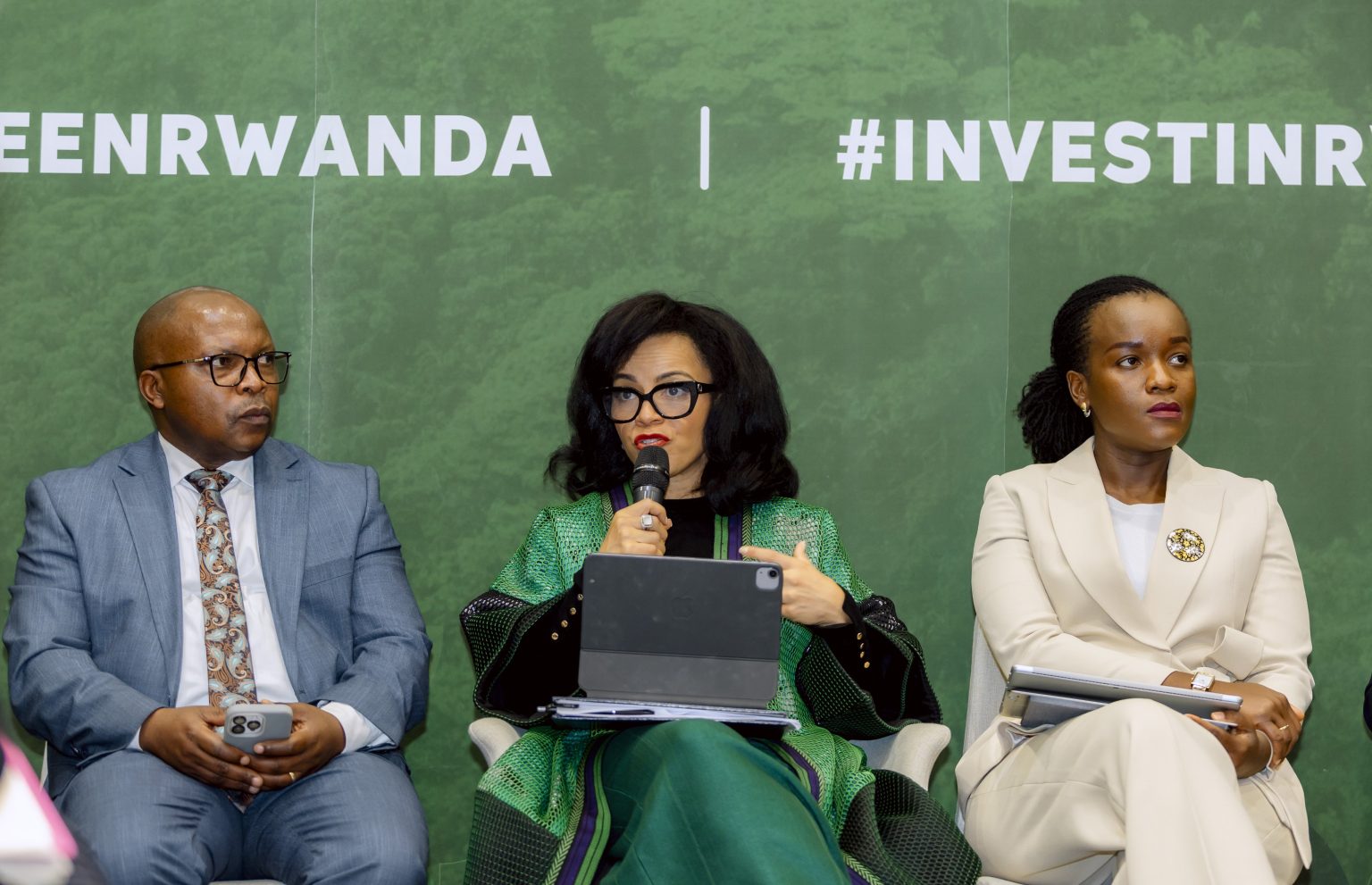
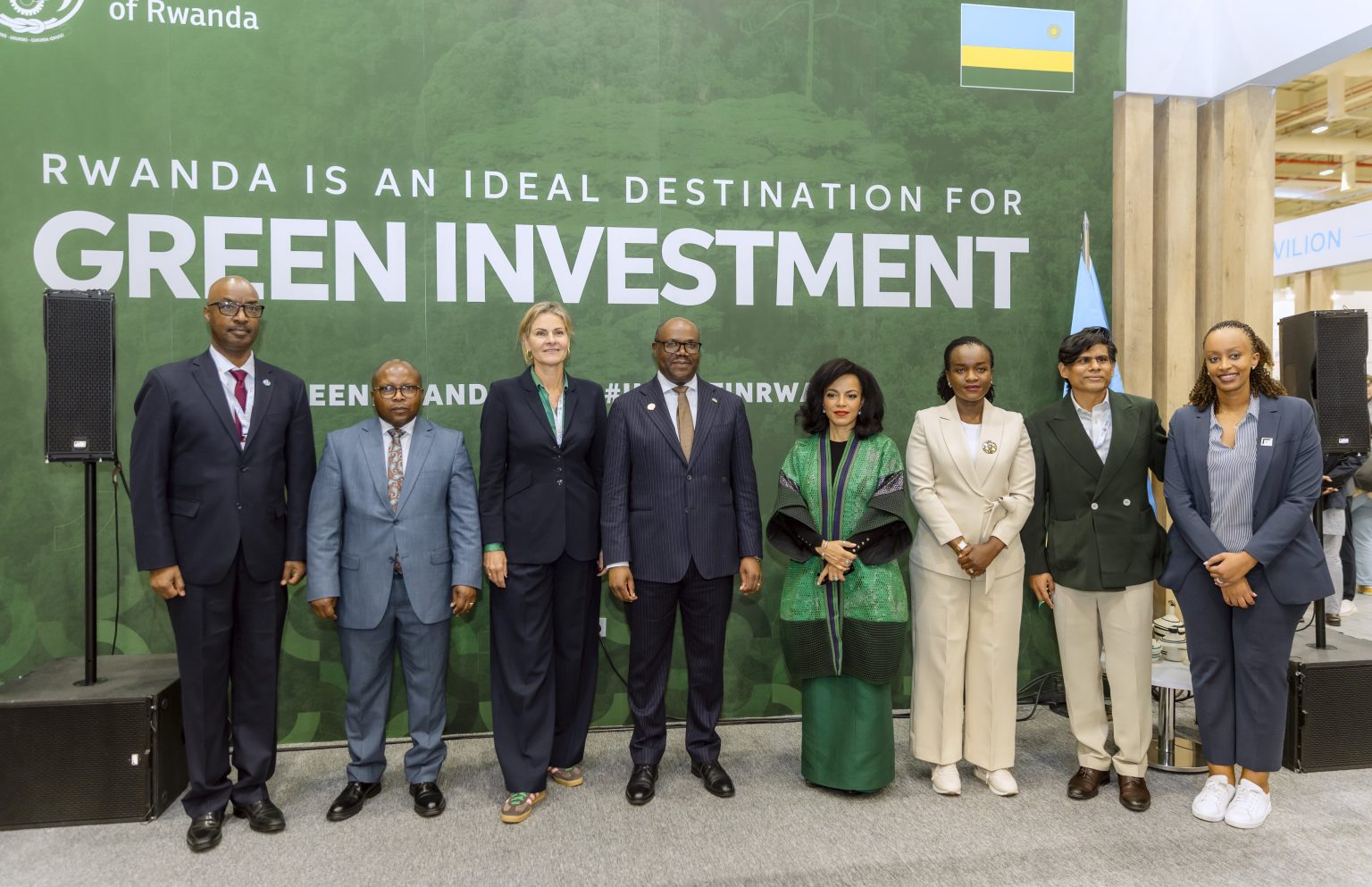
Minister of Agriculture and Animal Resources, Dr Telesphore Ndabamenye, presented the opportunities during a high-level dialogue involving members of the Alliance of Champions for Food Systems Transformation.
According to the Ministry of Agriculture and Animal Resources (MINAGRI), the minister highlighted Rwanda’s integrated approach to transforming food systems, bringing together the Fifth Strategic Plan for the Transformation of Agriculture (PSTA 5), the Rwanda Food Innovation Ecosystem Strategy and the Climate Smart Agriculture Investment Plan.
The investment plan, developed by MINAGRI and the Rwanda Green Fund with support from the International Finance Corporation (IFC), identifies approximately $335.4 million in potential private-sector investment opportunities.
Turning climate commitments into investment
The plan targets making 83,250 hectares of agricultural land more climate-resilient while connecting 170,200 farmers and 375 businesses with financial opportunities. Priority investment areas include irrigation infrastructure, climate adaptation, water management and sustainable agricultural production.
These interventions are expected to improve production efficiency, reduce vulnerability to climate-related shocks and create opportunities for agricultural businesses to expand.
Addressing delegates at COP31, Ndabamenye emphasised the importance of mobilising accessible climate finance, strengthening public-private partnerships and scaling up agricultural innovation.
He called for collective action to translate international commitments into tangible investments that deliver stronger resilience, improved nutrition, increased productivity and decent employment opportunities. The minister also stressed the importance of ensuring that farmers, women and young people benefit from the transformation of food systems.
For Rwanda, attracting private investment is particularly important in scaling up agricultural infrastructure and technologies that may require financing beyond public resources. The proposed investment pipeline therefore offers opportunities for financial institutions, agribusinesses, development partners and technology providers to participate in modernising the sector.
Building a competitive agricultural economy
The discussions at COP31 also highlighted Rwanda’s experience in implementing climate-smart agriculture initiatives, including the Green Gicumbi Project and the Rwanda Adaptation Accelerator Program (RAAP).
The initiatives form part of the country’s broader efforts to move beyond pilot projects and expand climate-resilient agricultural practices under PSTA 5.
The government is seeking to strengthen the link between agricultural innovation, financing and commercial production, recognising that climate resilience is increasingly important to the sustainability of farming businesses.
Improved irrigation, access to climate information and modern agricultural technologies could help farmers manage production risks while improving the reliability of agricultural supply.
For agribusinesses, more resilient production systems could also create a stronger foundation for investment in processing, storage, distribution and other activities along agricultural value chains.
Participants at the COP31 discussions highlighted the need for stronger public-private partnerships and innovative financing mechanisms to reduce investment risks and encourage greater private-sector participation.
Expanding farmers’ access to financial services and appropriate technologies was also identified as essential to ensuring that investment translates into practical benefits at the production level.
Farmers and businesses at the centre
Beyond attracting capital, Rwanda’s investment strategy seeks to ensure that agricultural transformation creates measurable economic opportunities for farming households and businesses.
The targeted 170,200 farmers and 375 businesses represent an important dimension of the plan, particularly as the country seeks to improve productivity, strengthen rural livelihoods and create employment.
The emphasis on women and young people also reflects the government’s intention to make food systems transformation more inclusive while expanding opportunities for participation in agricultural businesses.
However, translating the $335.4 million investment pipeline into actual projects will depend on the availability of accessible financing, investor participation and effective implementation of the proposed interventions.
Rwanda is therefore using the COP31 platform to strengthen cooperation with international partners and encourage investors to support climate-smart agricultural development.
The ultimate economic test will be whether the proposed investments generate higher productivity, reduce climate-related production losses, improve farmers’ incomes and create sustainable business and employment opportunities across the agricultural value chain.