Panorama
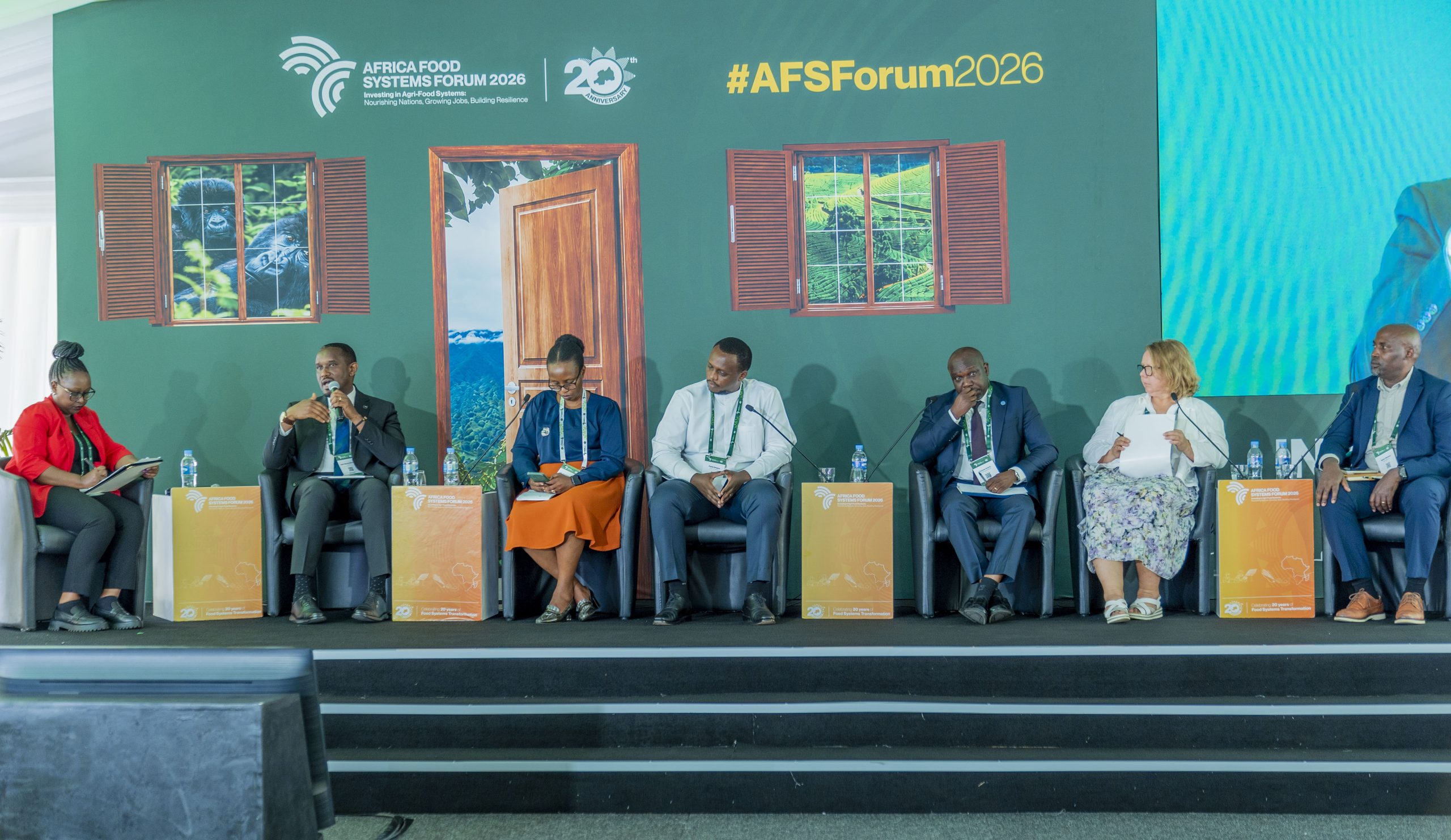
Rwanda has opened its pavilion at the Africa Food Systems Forum (AFSF) 2026 in Kigali, showcasing the country’s agricultural transformation and seeking stronger partnerships and investment to build resilient and sustainable food systems.
The pavilion was officially launched on Tuesday by Minister of Agriculture and Animal Resources, Dr. Télésphore Ndabamenye, calles for practical investments and stronger partnerships to accelerate transformation in Africa’s food systems.
Speaking at the launch, Ndabamenye says that Africa needs resilient food systems to ensure food security, create jobs and generate income for its growing population.
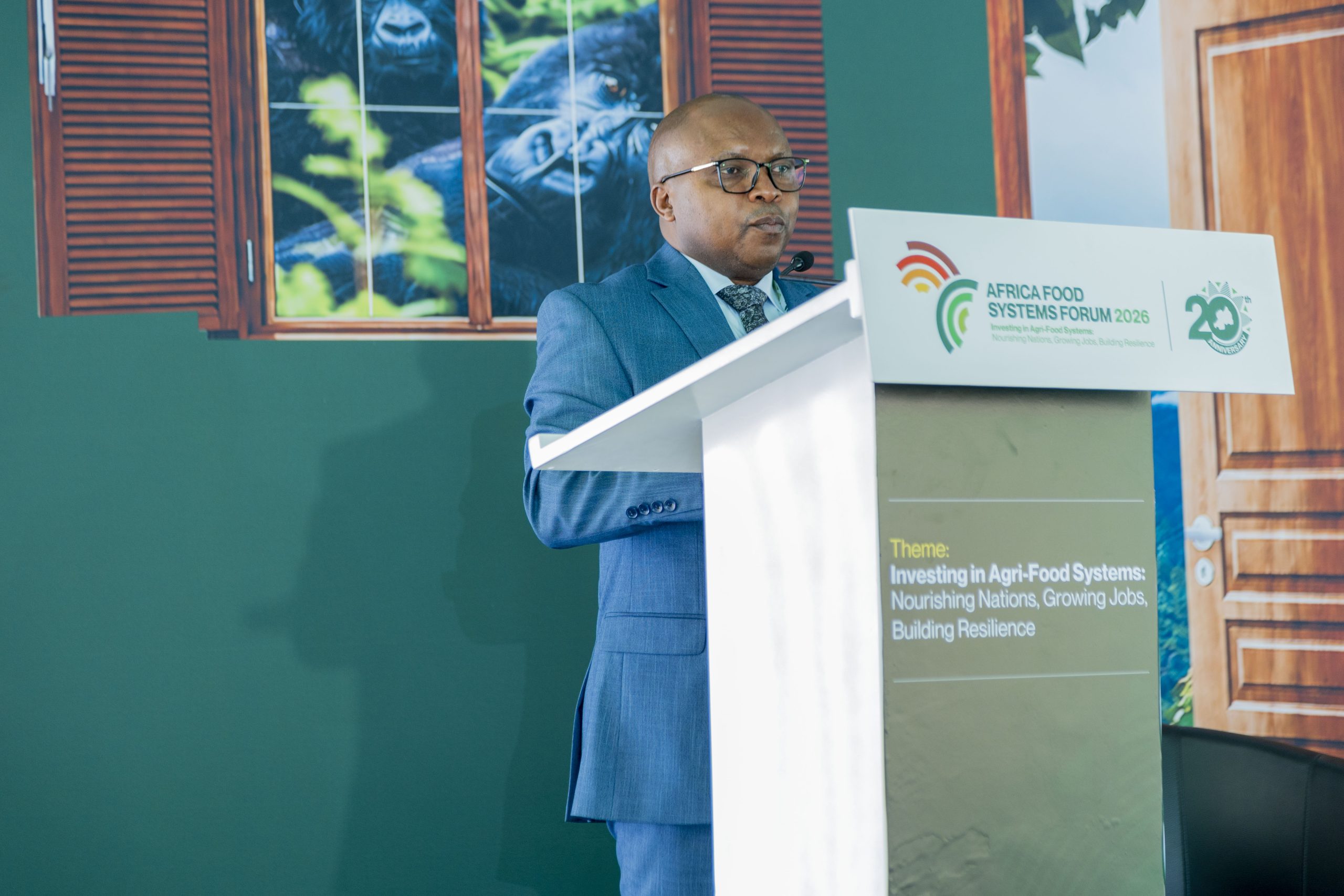
He says that Rwanda’s participation in the four-day forum provides an opportunity to share the country’s experience and lessons, while also reflecting on the challenges that remain on its journey towards a resilient and sustainable agricultural sector.
“Africa’s food systems stand at a critical intersection of climate change, land degradation, biodiversity loss and growing food demand,” Ndabamenye says and adding that these challenges also present an opportunity to transform agriculture into a driver of economic growth, food security, job creation and climate resilience.
The Minister highlighted Rwanda’s recent economic performance, noting that the economy grew by 9.4 percent in 2025, while agriculture grew by 7 percent and accounted for about 20 percent of GDP.
He stresses that sustainable agricultural transformation must begin with protecting natural resources, particularly soil health. “We need to feed our soils before we feed our people,” he said, describing sustainable soil management as both an environmental and economic imperative.”
Ndabamenye also emphasizes the role of women and youth, describing them as innovators and key drivers of Africa’s food-system transformation. He urges partners to support programmes throughout the process, from design and financing to implementation.
“Our objective is not simply to exchange ideas, but to identify practical actions and partnerships that can accelerate implementation across Africa,” he says.
For Sakina Usengimana, Chairperson of the Rwanda Youth in Agribusiness Forum, the pavilion offers an important opportunity to ensure that young people are part of conversations shaping the future of agriculture.
“This pavilion matters because it puts Rwanda’s young agripreneurs at the centre of the conversation. It gives us an opportunity to showcase what young people are already doing, connect with investors and partners, and turn our ideas and innovations into businesses and jobs.”
Lucia Zigiriza, Senior Partners Coordination Officer at AGRA Rwanda, says tha the pavilion provides an important space for connecting Rwanda’s agricultural priorities with potential partners and investment opportunities.
“The Rwanda Pavilion is more than a space to showcase achievements; it is a platform for partnerships. It brings together government, development partners, investors and the private sector to explore how we can move from good ideas to investments and practical results that transform food systems.”
Over the next four days, the Rwanda Pavilion will provide a strategic platform for showcasing Rwanda’s agricultural transformation, sharing practical solutions and connecting policymakers, investors, development partners, farmers, youth and private-sector actors around opportunities in the food system.
Through a series of panel discussions and engagements, the pavilion will create space for dialogue on key issues affecting Africa’s food systems, with the aim of turning ideas and lessons into partnerships, investments and concrete actions for a more resilient, inclusive and sustainable agricultural future.
End.