


















































































































By Rene Anthere Rwanyange
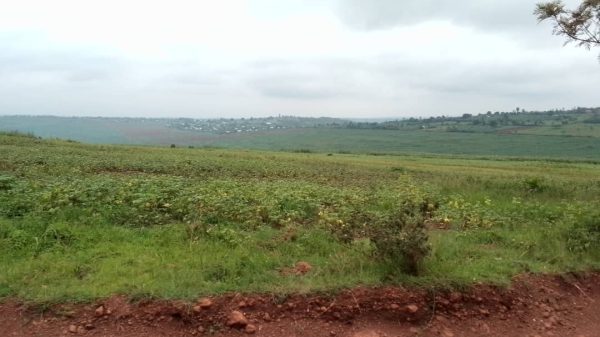
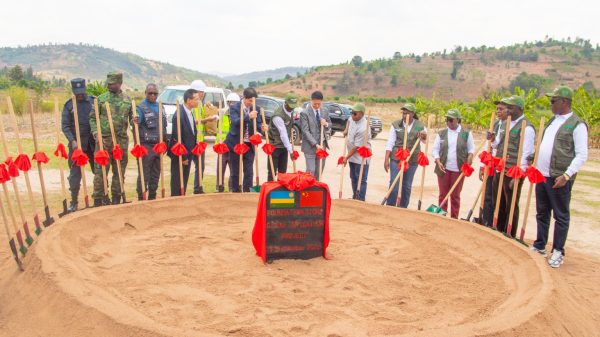
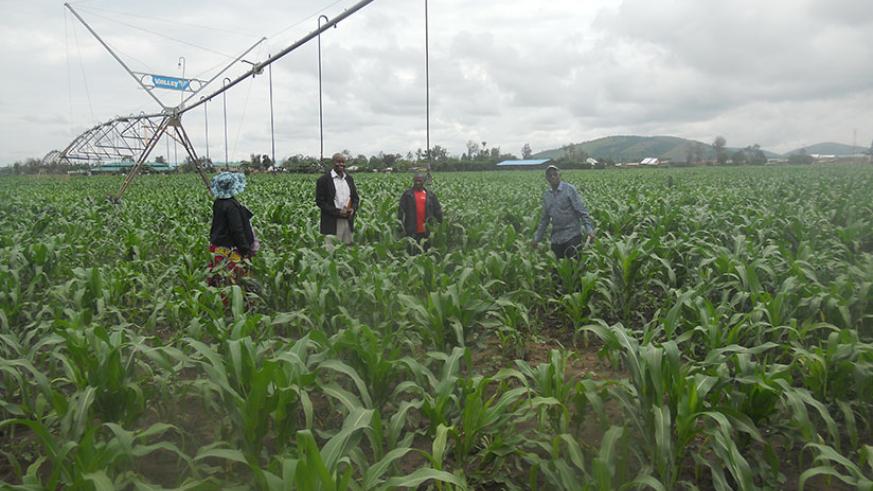
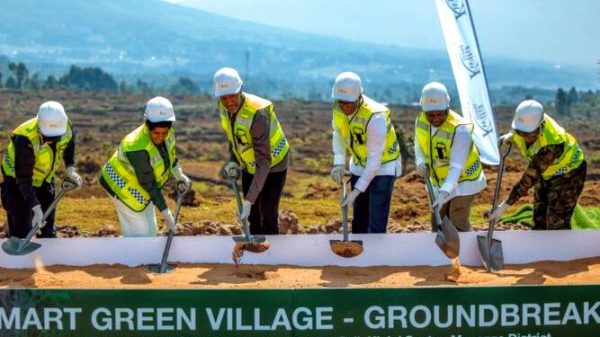
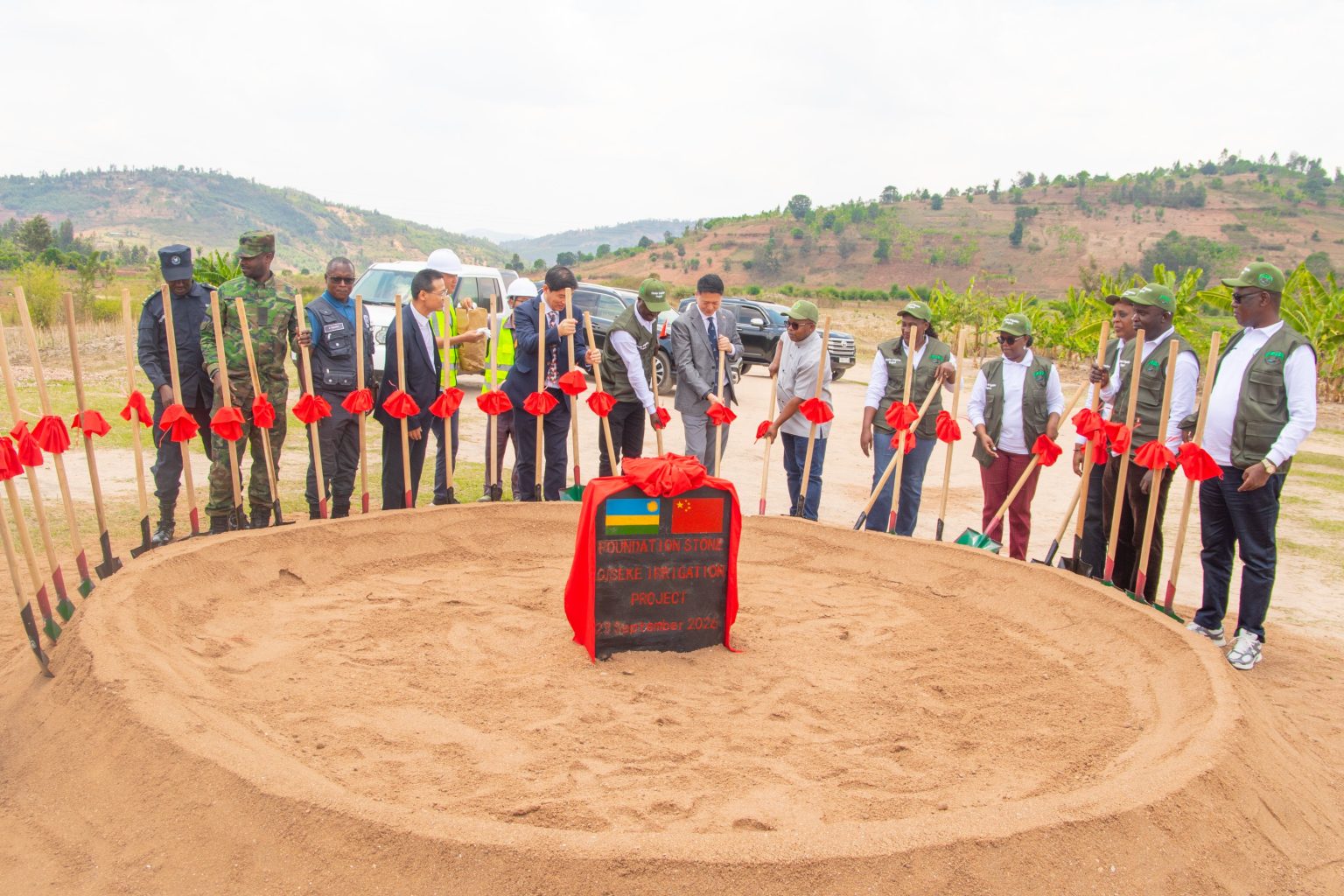
Rwanda has launched a $47 million irrigation project in Gisagara District aimed at reducing farmers’ dependence on rainfall and building a more productive and climate-resilient agricultural sector.
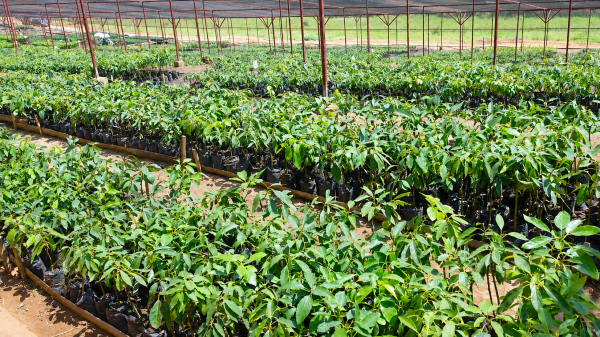
The Giseke Agricultural Irrigation Project will transform farming in the district by introducing reliable irrigation, modern agricultural infrastructure and market-oriented production.
At the centre of the project is a dam with a capacity of 6.5 million cubic meters of water, alongside an irrigation network covering 2,670 hectares of productive farmland out of a total planned area of 3,000 hectares.
The project will also construct a 48.8-kilometre water pipeline network, providing farmers with a more reliable water supply throughout the year and helping reduce the impact of irregular rainfall and prolonged dry periods.
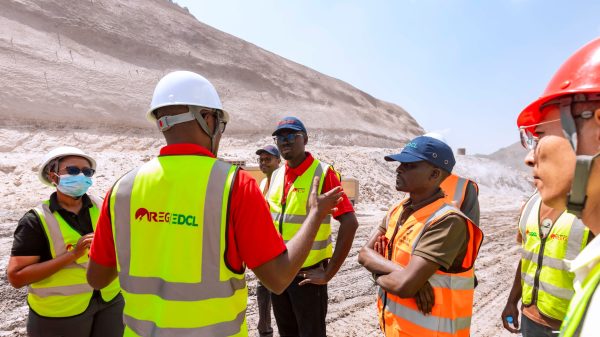
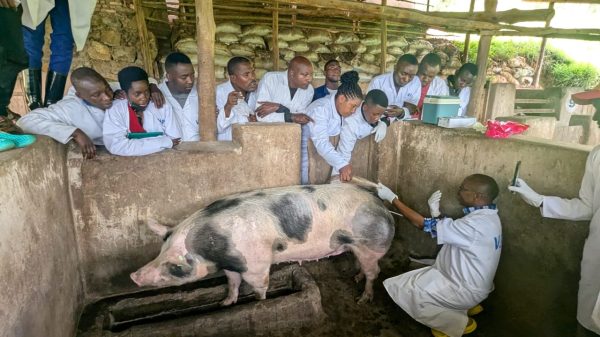
The launch concluded a three-day tour of the Southern and Western provinces by the Minister of Agriculture and Animal Resources, Dr. Telesphore Ndabamenye.
The government expects the investment to increase agricultural productivity while strengthening links between farmers, markets and other actors across the food value chain.
Officials also expect the project to create jobs and expand market opportunities for communities benefiting from the irrigation infrastructure.
The project was launched in the presence of senior government officials and Chinese Ambassador to Rwanda, Gao Wenqi, who described the initiative as an example of bilateral cooperation and South-South partnership in modern agriculture.
The investment comes as Rwanda continues to promote irrigation and climate-smart farming as part of efforts to strengthen food security and improve farmers’ incomes.
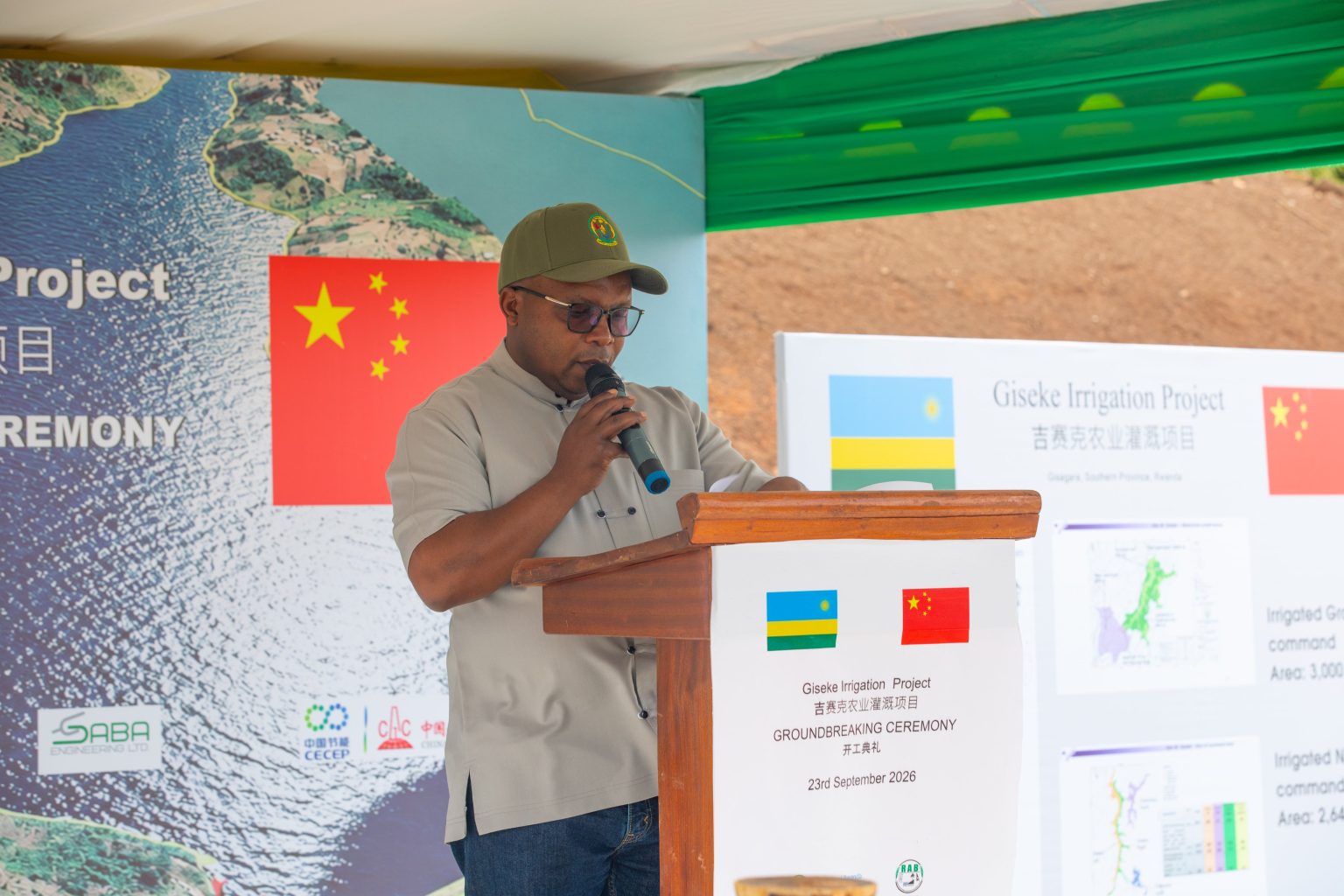
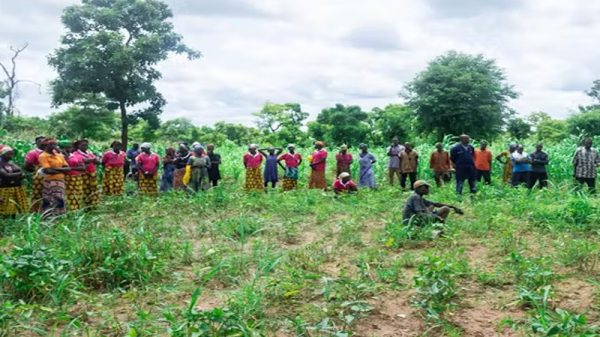
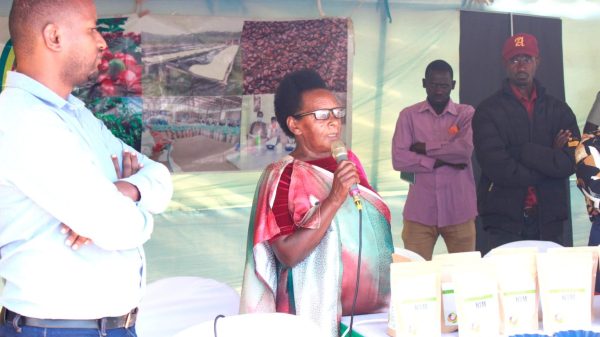
Speaking to farmers and cooperatives, Minister Ndabamenye called for responsible management of the new infrastructure.
He urged farmers to take ownership of the irrigation facilities, use water efficiently and shift from subsistence production towards farming that responds to market demand.
The minister also stressed the importance of cooperation among farmers and other players in the agricultural value chain to ensure that increased production translates into better market opportunities and incomes.
The Giseke project is expected to provide a more predictable production environment for farmers, allowing them to plan beyond the traditional reliance on seasonal rainfall.
The Ministry of Agriculture and Animal Resources said the investment is part of efforts to modernise Rwanda’s agricultural sector and strengthen its resilience to climate-related challenges.
With the new irrigation infrastructure, farmers in Gisagara are expected to have greater opportunities to increase production, diversify crops and supply markets more consistently.
The government is also counting on farmers’ effective management of the infrastructure to protect the long-term benefits of the $47 million investment.