By Rene Anthere Rwanyange
Oral hygiene is emerging as an important public health priority, with health experts urging families to adopt proper dental care practices and introduce children to good oral hygiene habits from an early age to prevent dental diseases and protect overall health.
The call comes amid concerns that limited public awareness, misinformation and poor oral care practices continue to expose people to preventable oral diseases.
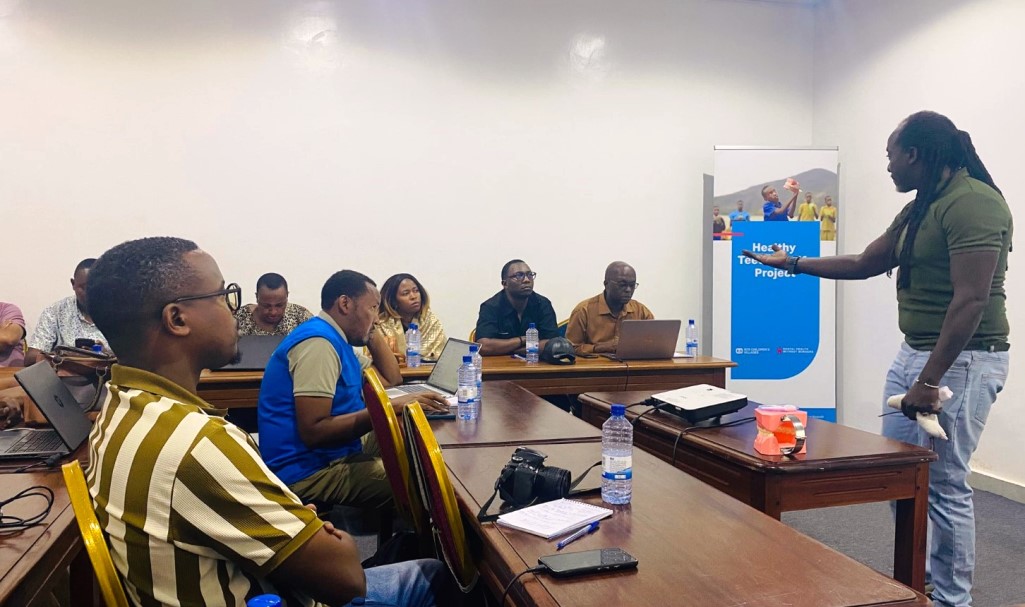
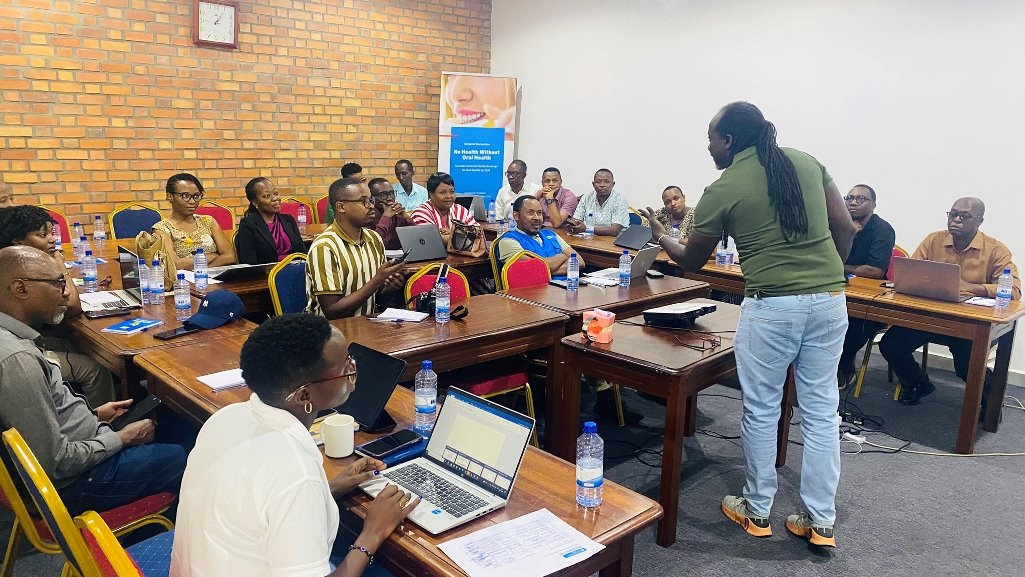
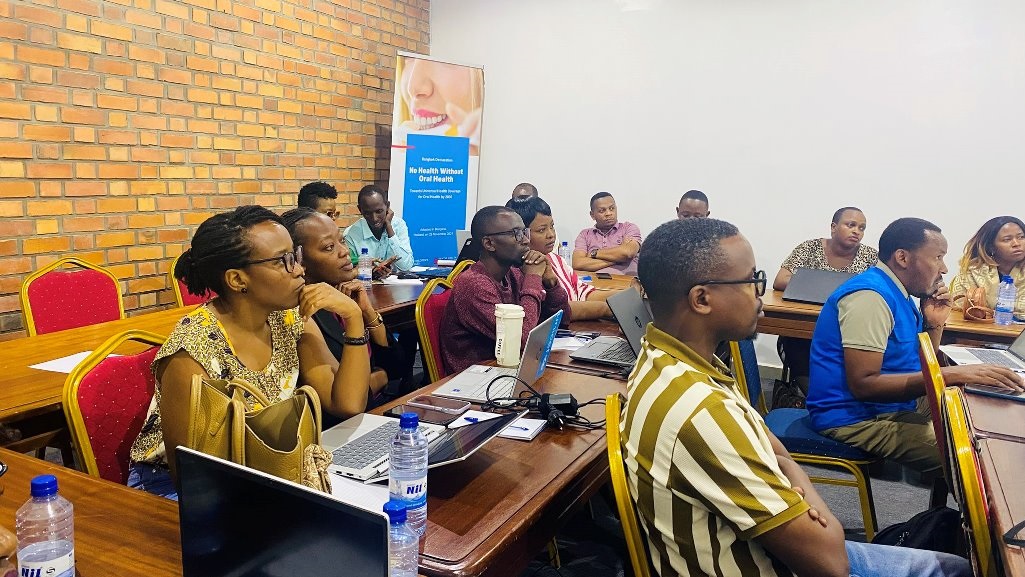
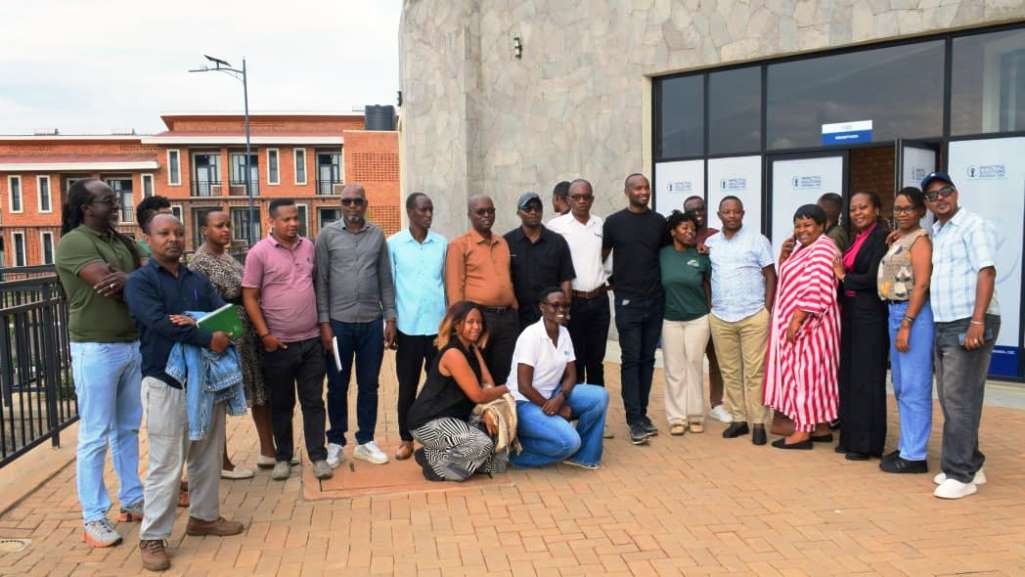
The issue takes centre stage following a one-day training workshop held on November 6, 2026, which brings together 25 journalists from the Rwanda Health Journalists Association (JAHD-Rwanda) at the SOS Children’s Villages Rwanda headquarters in Kinyinya, Gasabo District.
Organised by SOS Children’s Villages Rwanda in partnership with the Rwanda Biomedical Centre (RBC), the training seeks to strengthen journalists’ capacity to report accurately and effectively on oral health and dental hygiene.
Health experts at the workshop stress that oral hygiene goes beyond keeping teeth clean, describing it as an essential component of general health and well-being. Poor oral care, they warn, increases the risk of dental diseases and other complications that can affect people’s quality of life.
They particularly emphasise the need for parents to make oral hygiene part of children’s daily routines from an early age, helping them develop healthy habits that can last throughout their lives.
Dr. Léandre Bitwayiki Ngendahimana, a dental and oral health specialist and founder of Diamond Smile Clinic, says that oral diseases remain a public health challenge partly because many people lack adequate knowledge of proper dental care, while others continue to rely on misinformation and misconceptions.
“Someone who does not maintain proper oral hygiene is inviting disease. That is why we must prioritise oral health, as it is one of the most effective ways of preventing dental and other oral diseases,” he says.
He calls on parents to take greater responsibility for teaching children how to care for their teeth and mouths, noting that early education helps establish preventive practices and reduces the risk of oral diseases later in life.
Global commitment to improving oral health
The growing recognition of oral health as a public health concern is also reflected in international efforts led by the World Health Organization (WHO).
In November 2024, WHO endorsed the Bangkok Declaration, which calls for oral health to receive greater attention within national healthcare systems and become an integral part of public health policies.
The declaration follows an international meeting held in Bangkok, Thailand, from November 26 to 29, 2024, where countries outlined commitments and targets to improve oral healthcare by 2030.
Among its key ambitions is ensuring that at least 80 per cent of the world’s population has access to essential oral healthcare services through Universal Health Coverage (UHC). It also seeks to reduce the prevalence of major oral diseases by 10 per cent and support at least 50 per cent of countries in introducing measures to reduce sugar consumption in food and beverages.
The declaration highlights the scale of the challenge, with oral diseases affecting an estimated 3.5 billion people worldwide. It calls for targeted interventions, particularly for vulnerable populations and communities with limited access to healthcare services.
Other priorities include expanding the oral health workforce, integrating dental services into primary healthcare systems and addressing major risk factors such as tobacco, alcohol and excessive sugar consumption.
The international framework also calls for phasing out mercury in certain dental materials to reduce environmental harm.
SOS Children’s Villages Rwanda and child welfare
Beyond the oral health campaign, SOS Children’s Villages Rwanda works to protect children without parental care, those who have lost their parents and those at risk of losing family-based care.
The organisation also supports vulnerable families through development programmes designed to help them overcome poverty, strengthen their livelihoods and become economically self-reliant.
Its family-strengthening initiatives aim to equip households with the capacity to sustain themselves within two to three years, enabling them to maintain their livelihoods and continue improving their living conditions.
SOS Children’s Villages was established to provide orphaned and abandoned children with a loving family, a home, and a supportive community in which to grow. The organization was founded in 1949 by Hermann Gmeiner in Austria after the world war II in response to the high number of children left without parental care after World War II. The initial focus was on providing an alternative to institutional care, offering children a family-like setting with a mother, siblings, and a village environment.
In Rwanda, SOS Children’s Villages was established in Kigali, Gasabo District in 1979 where the first location was initiated and named SOS Kigali location. In 1992, a second SOS Children’s villages’Location was established in the former Gikongoro (south) due to famine that affected so many children in that area by then.
In May 1994, started an emergency programme in Ngarama (Byumba)– restoring hope to a very big number of children and mothers, healing their physical and psychological wounds after the genocide against the Tutsi. Later transferred to Byumba in 1997 after the construction of an SOS Children’s Village.
In 2010 Fourth village was opened in Kayonza district (Eastern Province) after conducting a child situation analysis that revealed high HIV prevalence with related consequences such as -high rates of orphans, child abandonment, and family separation.
SOS Children’s Villages Rwanda’s key interventions
SOS Children’s Villages Rwanda implements several programmes aimed at protecting children, strengthening families and supporting young people to become self-reliant. Its interventions include child safeguarding, alternative care, family strengthening, youth employability and remedial learning programmes.
The organisation also provides emergency response services and supports mental health and sexual and reproductive health and rights (SRHR), particularly among vulnerable children, young people and families.
Through these interventions, SOS Children’s Villages Rwanda seeks to promote children’s rights, improve access to essential services and strengthen families’ ability to provide safe and supportive environments for children to grow and thrive.