By René Anthere Rwanyange
Africa’s growing pool of literary talent is yet to translate into a thriving book industry. High publishing costs, limited readership and weak distribution channels leave many writers struggling to earn a living from their work. From Kigali, African writers are calling for investment, stronger policies and a commercially viable publishing ecosystem to unlock the sector’s economic potential.
Africa has no shortage of stories, writers or intellectual talent. Yet turning manuscripts into marketable books remains a costly undertaking, while finding enough buyers to generate sustainable income presents another challenge.
For many African writers, completing a manuscript is only the beginning of a difficult business journey. They must find money to publish, secure distribution channels, promote their books and attract readers in markets where demand remains limited.
The challenge is therefore not simply about producing more books, but building an industry capable of rewarding authors, attracting investors, sustaining publishing businesses and creating employment across the creative economy.
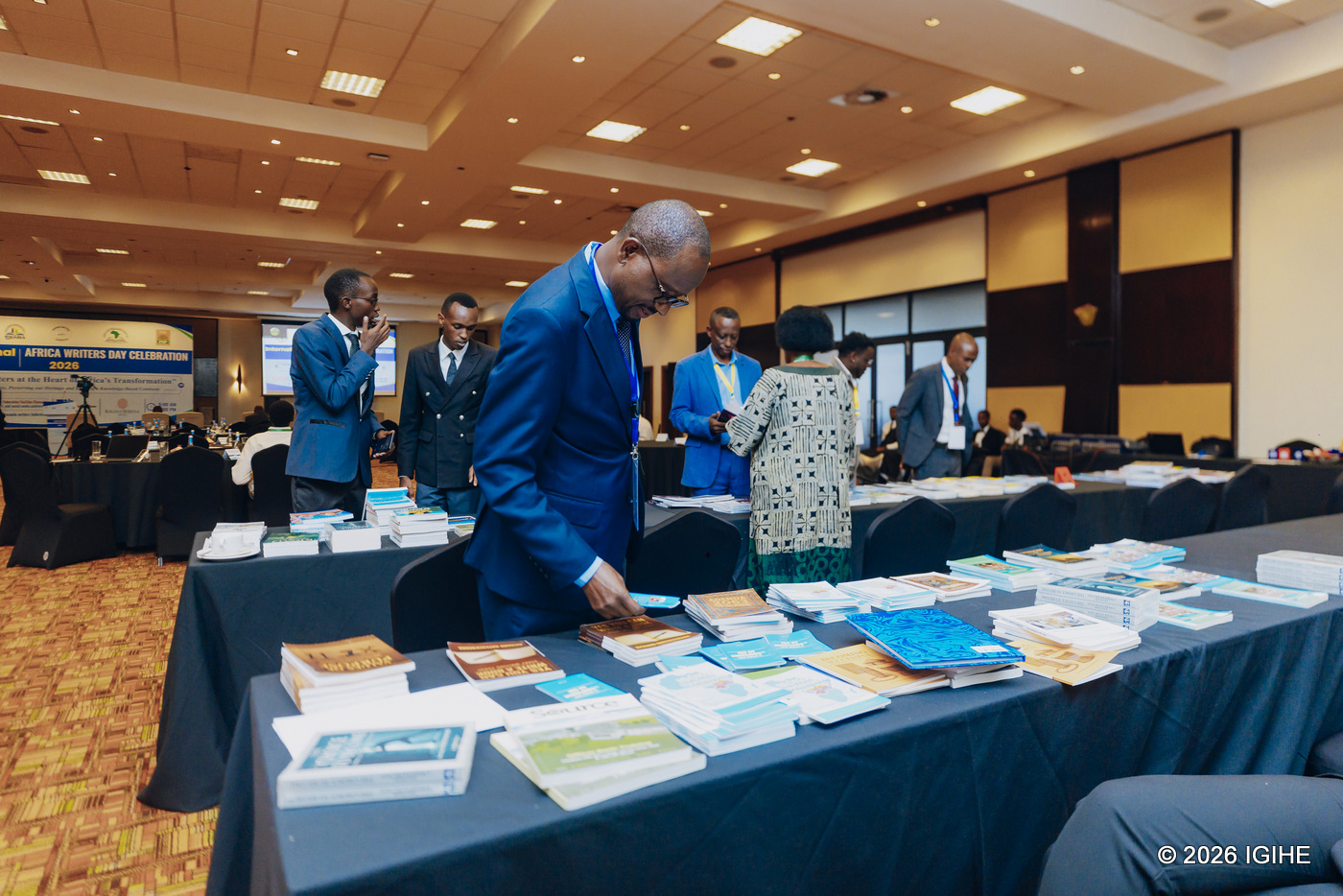
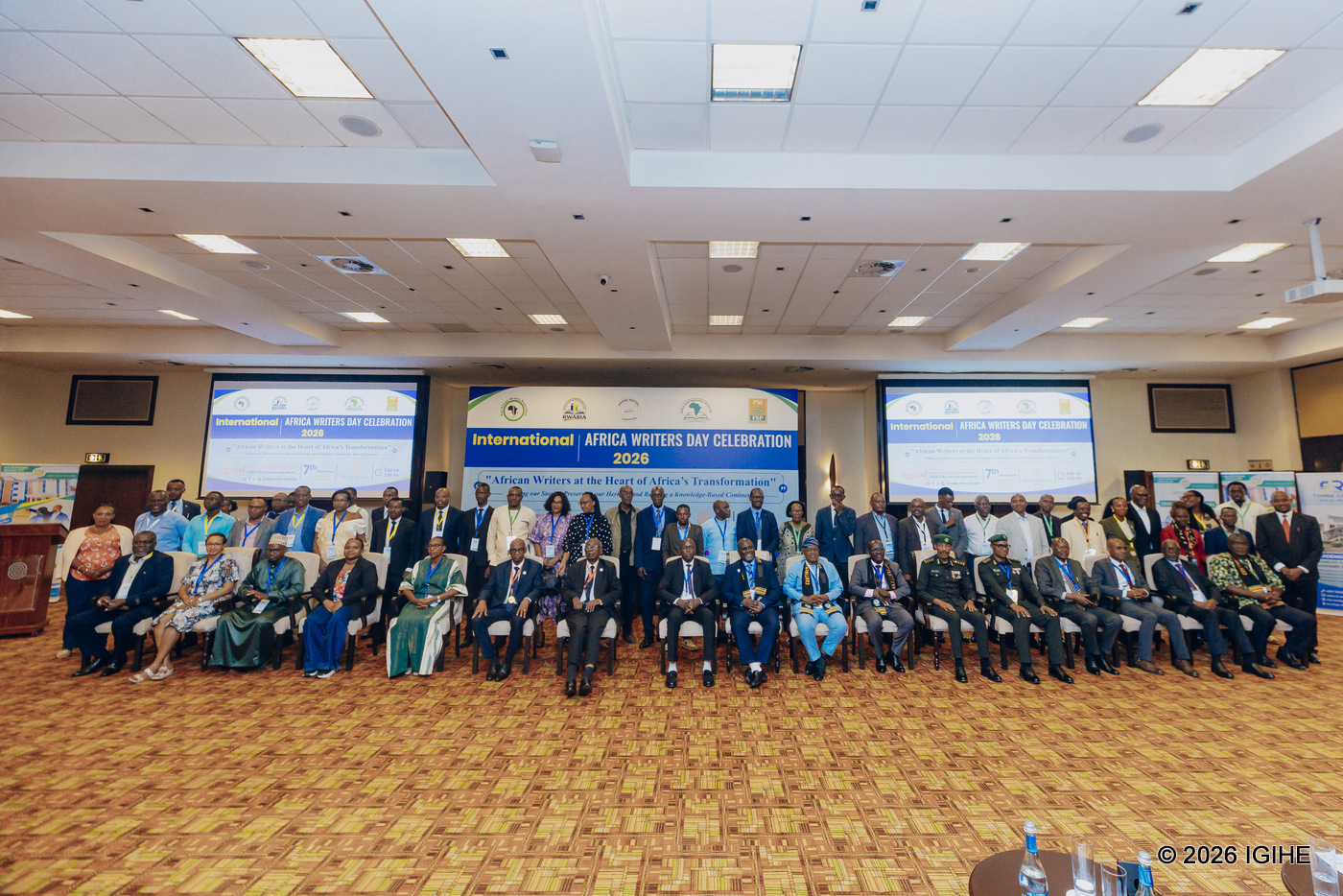
This is the central concern emerging from discussions in Kigali on November 7, 2026, during the celebration of African Writers Day, which brings together writers, researchers, booksellers and other stakeholders to examine the economic realities of the publishing sector.
Participants call for a shift from treating writing mainly as an individual creative activity towards developing a structured industry in which books become viable commercial products and intellectual property generates income.
High publishing costs, limited returns
Richard Hategekimana, President of the Rwanda Writers Association -RWF, identifies high publishing costs and difficulties accessing markets as major obstacles facing local authors.
For many writers, publishing a book requires considerable personal investment, but the possibility of recovering that money through sales remains uncertain. Even after completing and publishing their work, authors struggle to reach readers and secure space in libraries and other distribution channels.
Hategekimana argues that supporting writers requires more than encouraging literary production. It also means creating financing mechanisms and developing a market for locally produced books.
He calls for the establishment of a dedicated writers’ fund and stronger campaigns to encourage people to buy and read books written by local authors.
“That is why we are calling for the establishment of a fund dedicated to supporting writers, including here in Rwanda. However, people must also be encouraged to read books written by their fellow citizens. When you visit different libraries, it is difficult to find books by Rwandan authors. This is not because such books do not exist, but because promoting our own literary works remains insufficient,” he says.
For the association’s president, expanding the domestic market is essential to improving the financial prospects of authors and other businesses involved in publishing.
A stronger reading market creates opportunities for writers to sell more copies, publishers to increase production and bookstores to expand their commercial activities.
He also calls for improved access to reliable historical information, particularly for writers producing books about the country’s past, to ensure that published works provide accurate knowledge to readers.
Making writing a profession that pays
Callixte Kanamugire, author of The Responsible African Entrepreneur, identifies another challenge: writing is still widely perceived as an activity pursued out of passion rather than a profession capable of providing sustainable income.
This perception makes it difficult for authors to build careers around their intellectual work and limits the development of a stronger publishing business environment.
Kanamugire argues that writers need policies and legal protections that allow them to benefit financially from their creations.
“To address these challenges, we need policies and laws that give writers opportunities to benefit economically from their books and improve their livelihoods. We also need public awareness campaigns to promote reading so that authors can find audiences willing to buy their works,” he explains.
His argument places intellectual property protection at the centre of the industry’s economic future. When authors can benefit from the commercial use of their work, writing becomes more than a personal passion. It becomes an economic activity with opportunities for investment, professional growth and income generation.
However, sustainable earnings also depend on the availability of readers, effective marketing, affordable publishing services and distribution networks capable of connecting books with potential buyers.
An industry with wider economic opportunities
The book industry extends beyond writers and publishing houses. It supports a wider value chain involving printers, editors, translators, distributors, booksellers, libraries and educational institutions.
Strengthening these connections could create additional business opportunities and employment while improving access to African literature.
Digital publishing and online distribution also offer opportunities for authors and publishers to reach readers beyond national borders. These platforms can expand markets, although their commercial success depends on accessibility, affordability and effective promotion.
For Africa, developing a stronger book market also means improving the movement of literary works between countries and creating opportunities for authors to reach audiences across the continent.
Preserving knowledge while creating economic value
While the economic sustainability of writing remains a major concern, participants also emphasise the cultural importance of the book industry.
Professor Bill Ndi, President of the Pan-African Writers Association (PAWA), reminds writers that books serve a purpose beyond commercial returns. They preserve and transmit Africa’s history, knowledge and cultural heritage.
He notes that African societies have long-established traditions of preserving knowledge through oral storytelling, proverbs, songs, family conversations and traditional evening gatherings, long before the introduction of written records on paper.
“Before Africa began recording its knowledge on paper, it already had its own ways of preserving and transmitting knowledge. Knowledge was shared through proverbs, songs, stories, family conversations and traditional night gatherings, among other forms,” he says.
Professor Ndi urges writers to recognise their responsibility in protecting this heritage and ensuring that future generations continue to access the continent’s intellectual contributions.
“Writing is not just a profession. It is also an act of preserving heritage and knowledge, creating, developing and protecting our legacy,” he says.
According to figures from the Rwanda Writers Association, more than 450 writers in the country have written books. This literary base offers opportunities to strengthen the country’s publishing industry and increase its contribution to the creative economy.
However, translating this potential into measurable economic growth requires more than an increase in the number of authors. It requires a functioning market, investment in publishing, effective distribution, protection of intellectual property and a readership willing and able to purchase books.
The message from Kigali is clear: Africa needs an industry that does not only produce books but also creates value from them. For writers, publishers and other professionals, the future of the sector depends on making literature both a vehicle for preserving knowledge and a sustainable source of income, business opportunities and jobs.