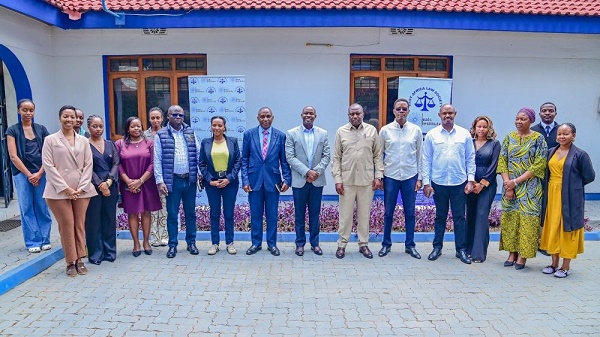
Media regulators and development partners in East Africa are calling for stronger regional cooperation to protect press freedom, address shared challenges facing journalists and improve the sustainability of media businesses amid rapid digital transformation.
The call emerged during a regional retreat convened by the East African Press Councils (EAPC) in Arusha, Tanzania, bringing together media institutions from Kenya, Uganda, Tanzania, Rwanda, Somalia and the Democratic Republic of Congo (DRC).
The meeting reviews the state of the media sector across the region and assesses progress under the EAPC Strategic Plan 2024–2027, with support from the Friedrich Naumann Foundation for Freedom (FNF) Kenya.
Discussions focused on press freedom, regulatory frameworks, technological change, media viability, content development and opportunities for cross-border collaboration.
David Omwoyo, Chairperson of EAPC and Chief Executive Officer of the Media Council of Kenya, says that the retreat offered an opportunity to assess progress, identify gaps and agree on practical measures to strengthen regional media institutions.
“The retreat provides an important opportunity for regional institutions to take stock of progress, identify gaps in the implementation of the EAPC Strategic Plan, and agree on practical interventions to strengthen the media sector and the institutions that support its growth,” Omwoyo says.
Paulo Ekochu, Chairman of the Media Council of Uganda, calls for practical partnerships to improve professional standards, support journalists and create an enabling environment for the media.
“There is an urgent need to build practical partnerships that can strengthen professional standards, support journalists and promote a more enabling media environment across the region,” Ekochu says.
Ernest Sungura, Executive Director of the Media Council of Tanzania, also stresses the importance of collective engagement in advancing shared regional media priorities.
Participants note that the rapid growth of digital platforms is creating new opportunities for innovation and content distribution while presenting challenges related to press freedom, regulation, financial sustainability and professional standards.
Country presentations highlight differences in national regulatory frameworks, media ownership structures, technological capacity and economic conditions. These differences affect how media organisations operate and fulfil their public-interest role.
The discussions identified opportunities to strengthen cooperation among media regulators, exchange knowledge, harmonise professional standards and promote responsible journalism across traditional and digital platforms.
Victor Bwire, Director of Media Training and Development at the Media Council of Kenya, said coordinated action was increasingly important as technological changes and digital content distribution transformed the media environment.
He emphasised the need for regional institutions to develop common approaches to challenges that cross national borders, including emerging regulatory practices and the distribution of digital content.
Judie Kaberia of the Friedrich Naumann Foundation for Freedom Kenya highlighted the role of partnerships in advancing media freedom and institutional development.
She said the Foundation’s support provides a platform for regional stakeholders to examine common challenges and develop recommendations informed by country-level evidence and shared experience.
Beyond cooperation among media regulators, the retreat explored possible collaboration with the East Africa Law Society to strengthen advocacy for media freedom and the rule of law.
Discussions included a proposed Memorandum of Understanding to facilitate joint advocacy, engagement with regional justice mechanisms and dialogue on digital governance and fundamental freedoms.
The proposed partnership could provide a framework for coordinated responses to issues affecting journalists and media organisations, particularly as digital technologies reshape the information environment.
Participants also explored possible joint accreditation arrangements for journalists covering the 2027 Africa Cup of Nations (AFCON 2027). The proposal seeks to examine how regional institutions could work together to facilitate professional coverage of major sporting events.
The retreat forms part of the mid-term review of the EAPC Strategic Plan 2024–2027, which is intended to assess progress and identify priorities for the remainder of the implementation period.
The discussions underscored the importance of stronger regional partnerships in addressing shared media challenges, protecting press freedom and building resilient media institutions capable of adapting to technological and economic changes.