By Rene Anthere Rwanyange
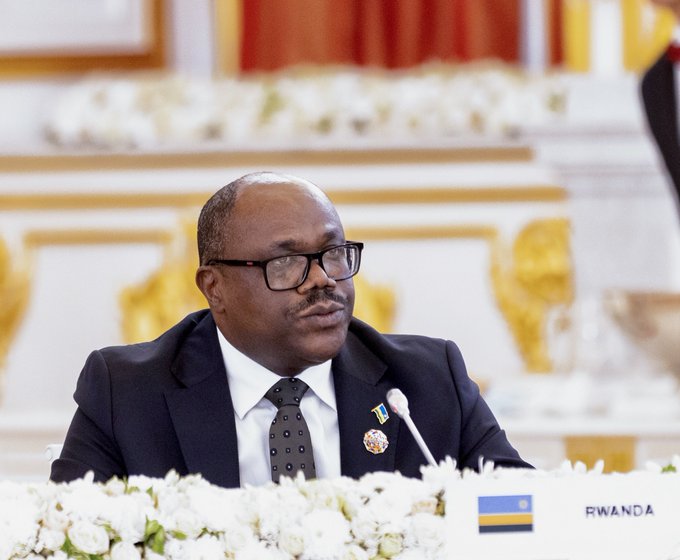
Rwanda’s Prime Minister Dr. Justin Nsengiyumva has called for action against security threats in eastern Democratic Republic of Congo (DRC), saying that addressing the activities of the Democratic Forces for the Liberation of Rwanda (FDLR) and tackling hate speech are critical to achieving lasting peace in the region.
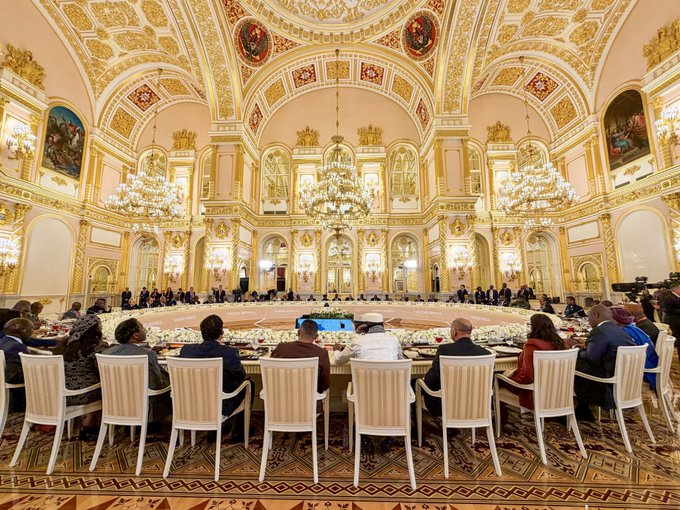
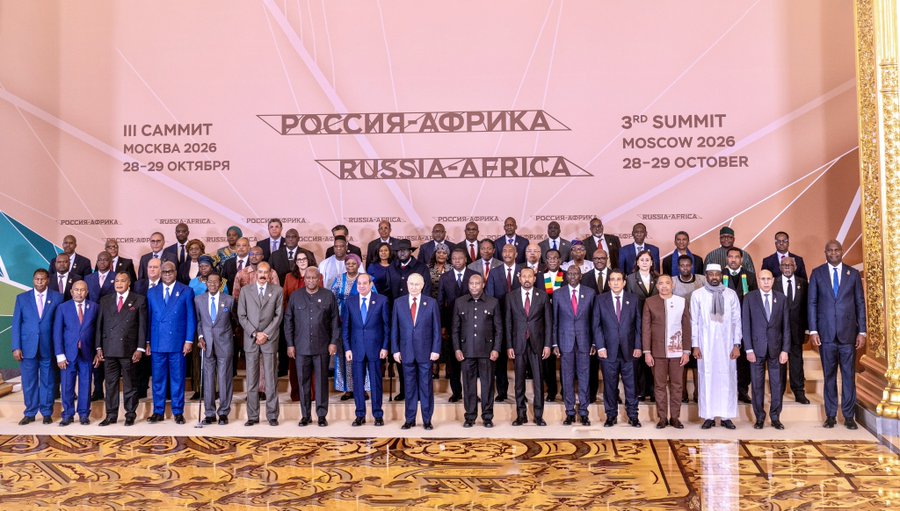
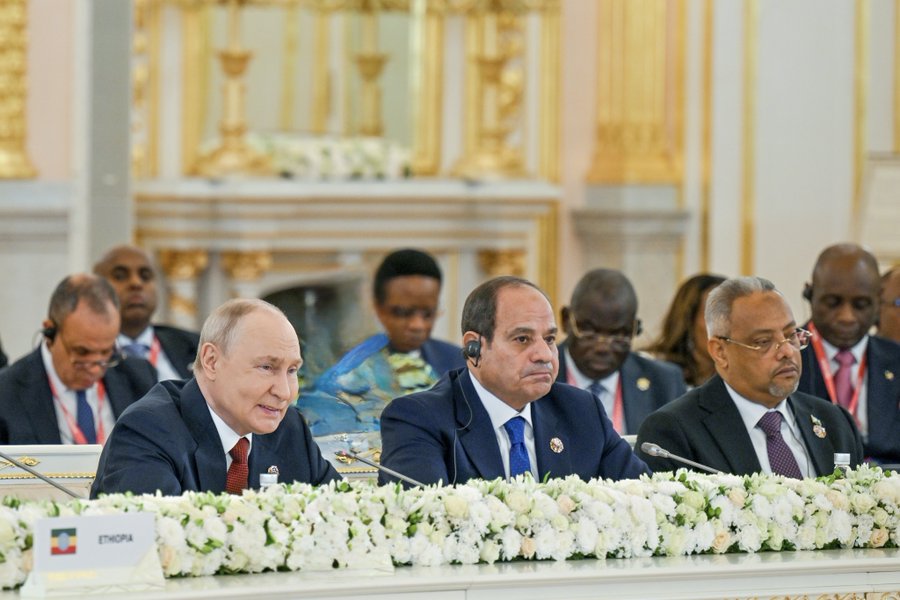
Dr. Nsengiyumva made the remarks on October 29, 2026, during the plenary session of the Third Russia-Africa Summit at the Grand Kremlin Palace in Moscow, where African leaders and their Russian counterparts discussed bilateral partnerships and strategic cooperation.
According to Rwanda’s Minister of Foreign Affairs and International Cooperation, Amb. Olivier Nduhungirehe, though his X account, the Prime Minister used his intervention to highlight Rwanda’s security concerns while addressing the summit’s central theme of Russia-Africa partnership.
“Rwanda is a country that suffered, even more than anyone else, the lack of security. That experience has taught us that we should never be complacent about or compromise the security of Rwanda,” Nsengiyumva said, according to a statement shared by Amb. Nduhungirehe.
The Prime Minister identified the FDLR, which he described as a genocidal force responsible for the 1994 Genocide against the Tutsi, as an existential threat to Rwanda. “Unfortunately, as we speak today, Rwanda is facing an existential threat from the FDLR genocidal force, which is the force that committed the 1994 genocide against the Tutsi,” he said.
PM Nsengiyumva further alleged that the group continues to receive state support in the DRC, arguing that addressing the threat is essential to regional peace and security. “Addressing this threat, as provided for in the Washington Accords, is key for peace and security in our region,” he said.
The Washington Accords are part of ongoing efforts to address tensions between Rwanda and the DRC and establish a framework for improved relations and regional stability.
PM Nsengiyumva also stressed the need to protect civilians in eastern DRC, particularly members of the Rwandophone community, amid concerns about hate speech and persecution. “In the same vein, fight against hate speech and the persecution that dehumanizes the Rwandophone community in eastern DRC is critical for effective protection of civilians,” he said.
He added that lasting peace would require addressing the political causes of the conflict alongside security concerns. “Importantly, political causes of this conflict must be addressed in order for us to achieve sustainable peace,” Nsengiyumva said.
The Prime Minister maintained that Rwanda was complying with the Washington Accords and African Union-led initiatives aimed at resolving regional security challenges. “Rwanda is in full compliance with the Washington Accords and the African Union-led initiatives, to comprehensively address the security challenges in our region,” he said.
He argued that progress on security and political issues would create opportunities for economic development and joint investment in the region’s natural resources. “This will enable economic development and joint investments in the abundant resources that our region possesses,” Nsengiyumva said.
Strengthening Russia-Africa Cooperation
The Third Russia-Africa Summit brings together African leaders and Russian officials to discuss shared priorities, strengthen bilateral partnerships and explore opportunities for strategic cooperation.
For Rwanda, the summit also provided a platform to highlight the relationship between regional security, civilian protection and economic development.
Nsengiyumva’s intervention underscored Kigali’s position that sustainable peace in the Great Lakes region requires addressing security threats, confronting hate speech and resolving the political issues underlying the conflict in eastern DRC.