By Rene Anthere Rwanyange
After more than a decade of research by the Rwanda Agriculture and Animal Resources Development Board (RAB) and the US-based Donald Danforth Plant Science Center, promising cassava lines resistant to Cassava Brown Streak Disease (CBSD) have been developed.
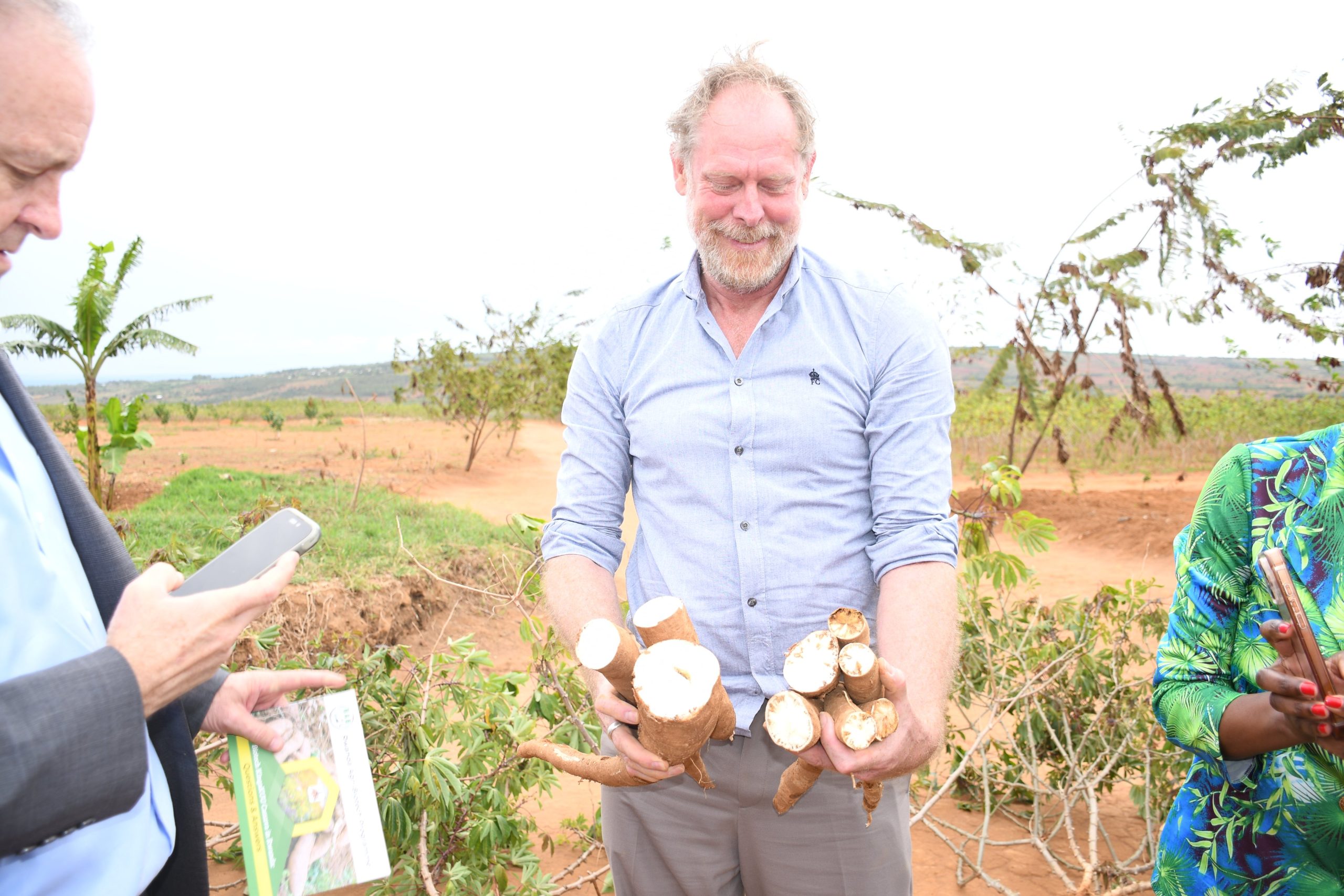
The improved varieties offer hope to farming households that depend on cassava for food and income. They could help reduce disease-related losses and strengthen the country’s food security. The progress took centre stage during a field visit to Nemba, Bugesera District, on November 11, 2026.
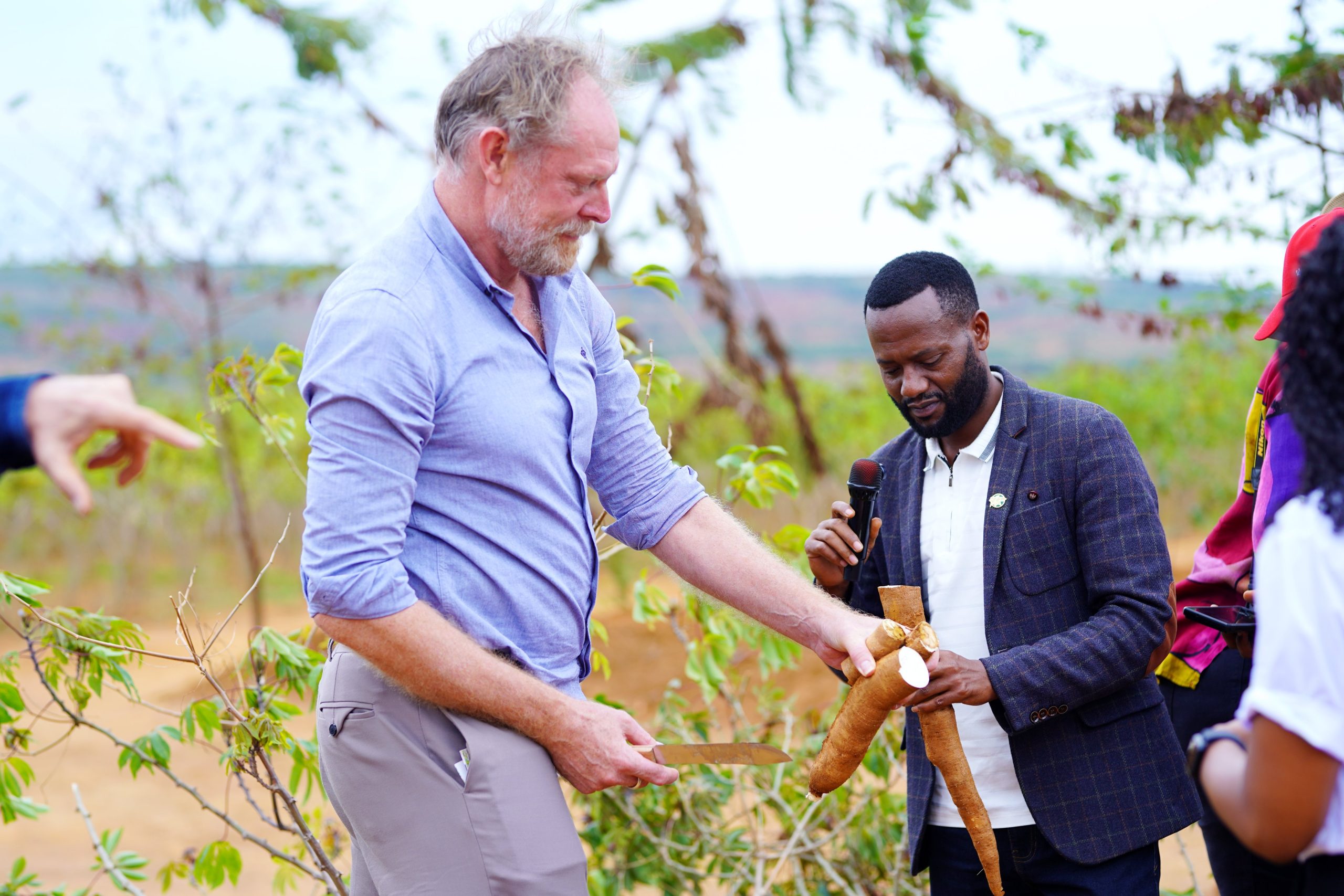
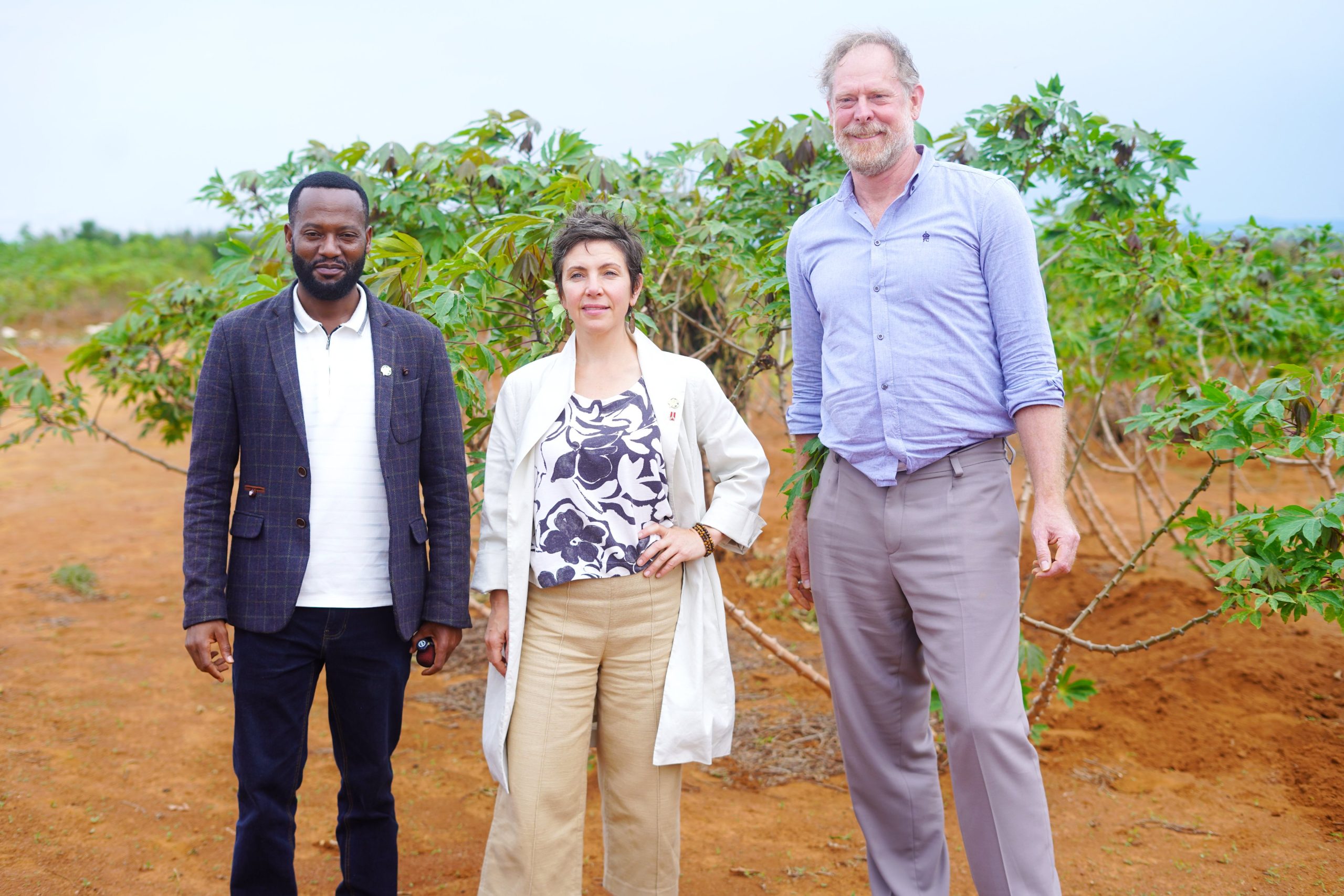
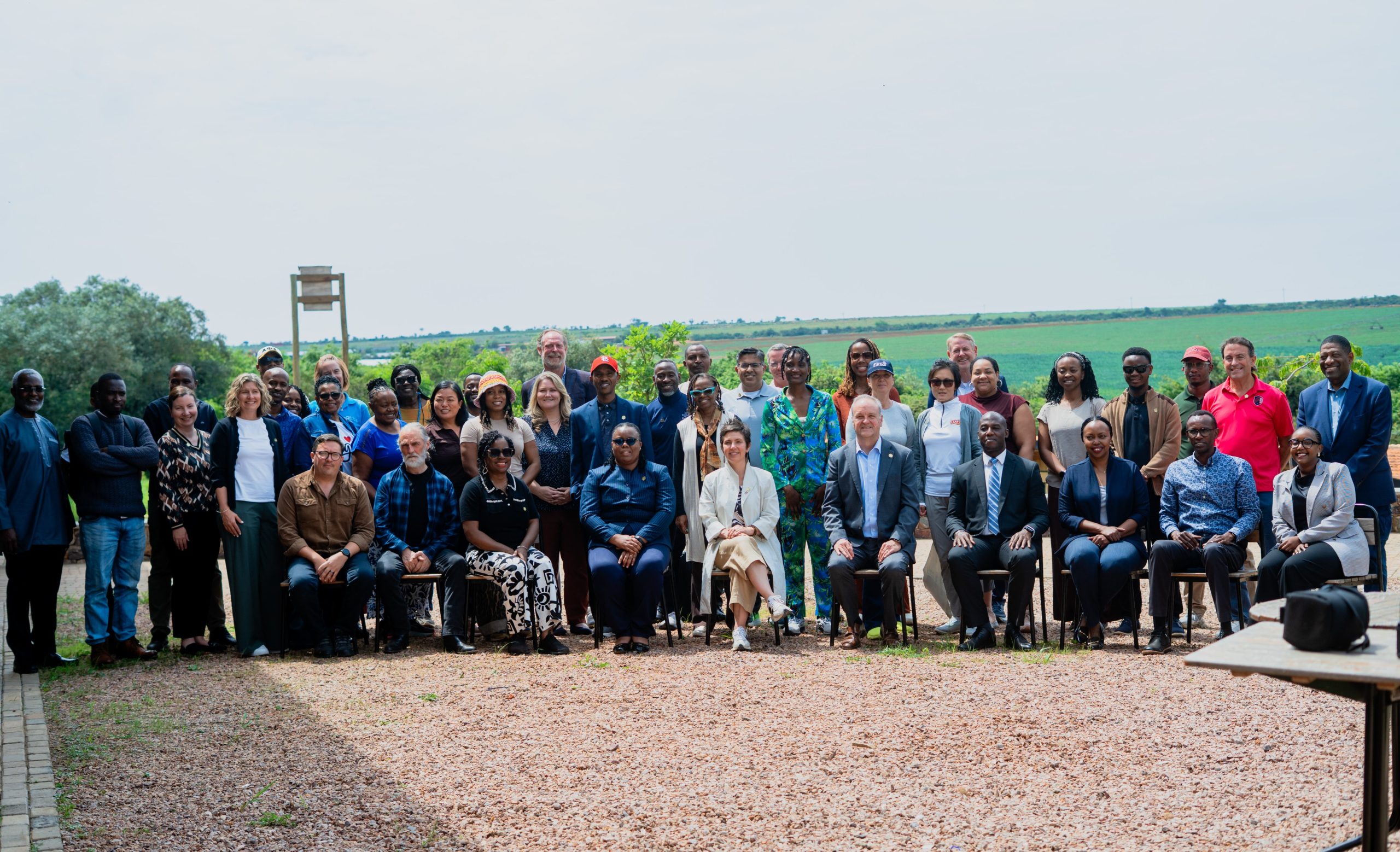
The Minister of State in the Ministry of Agriculture and Animal Resources (MINAGRI), Dr Solange Uwituze, joined Giles Oldroyd, President of the Donald Danforth Plant Science Center, researchers and other agricultural stakeholders to assess the trials.
Dr Athanase Nduwumuremyi, Head of RAB’s Roots and Tubers Programme, guided the delegation through the ongoing trials. He presented the improved varieties being developed to address diseases that limit cassava production and productivity.
Oldroyd said the research had made important progress in tackling CBSD. “So far, it’s really been focused on Brown Streak Disease in cassava. And so, the field trials that are going on right now, which has really solved that problem,” he said.
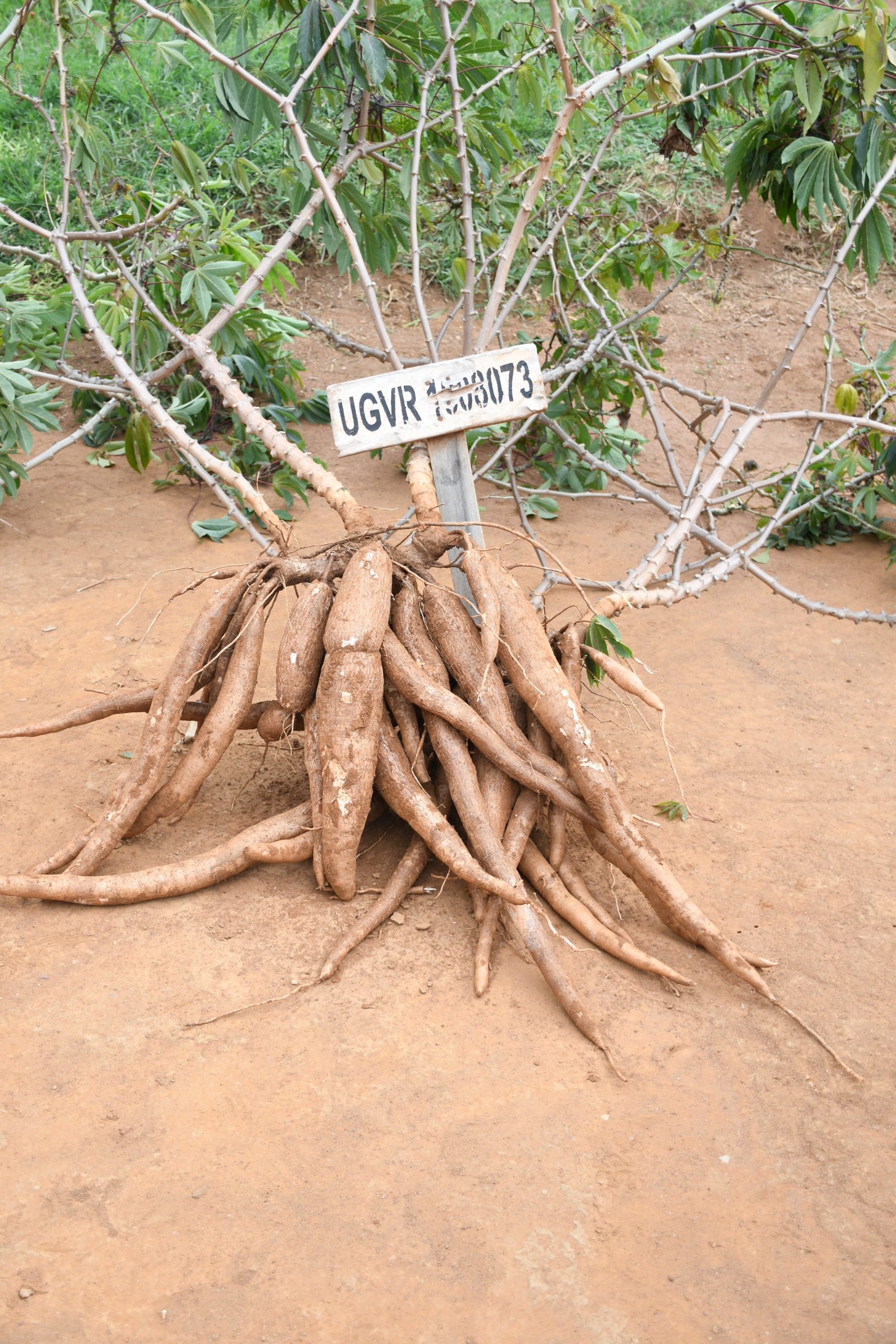
According to the research partnership, the varieties have undergone more than 10 years of field testing, and their resistance has continued to hold under field conditions.
Oldroyd commended researchers Nigel Taylor and Dr Athanase Nduwumuremyi for their contributions. He also stressed the need to increase the supply of improved planting materials so that farmers can benefit.
Disease threatens food and income
Cassava Brown Streak Disease is one of the major threats to cassava production in East Africa. It is caused by two related viruses. It damages cassava roots and can make them unsuitable for consumption or sale.
In Rwanda, the disease has been associated with an estimated 73 per cent decline in cassava yields. This threatens farm productivity, household income and food security.
The disease is particularly challenging for farmers because its damage may not be visible above ground. A farmer can spend an entire growing season tending the crop, only to discover at harvest that the roots have been severely damaged.
For smallholder households, such losses can wipe out a season’s investment. They can also reduce income and limit access to an important food source.
Cassava remains a strategic crop for many Rwandan households. It tolerates heat and drought and grows in relatively poor soils. These qualities make it important as climate change puts increasing pressure on agricultural production.
Both cassava roots and leaves are consumed in Rwanda. The crop therefore contributes to household nutrition as well as food security.
Developing disease-resistant varieties is thus more than a scientific achievement. It is an investment in protecting farmers’ livelihoods and strengthening the food system.
Officials call for wider access
The Minister of State, Dr Solange Uwituze, pointed to the wider potential of cooperation with the US research institution. She said the partnership with the Danforth Center was already contributing to efforts to address the disease.
She identified smart agriculture and technology transfer, research and innovation, education and skills development, agribusiness investment, and climate-smart agriculture and food security as areas for further collaboration.
The Government has also welcomed the Danforth Center as a founding partner of the Rwanda Food Innovation Partnership. The initiative aims to connect research, regulation and the private sector to accelerate food innovation.
Dr Telesphore Ndabamenye, Minister of Agriculture and Animal Resources, said Rwanda wanted to become a leading destination for food systems innovation in Africa.
“Rwanda’s ambition is to build Africa’s food future: to become the continent’s leading destination for food systems innovation,” he said. “Rwanda is building this ecosystem deliberately and in partnership.”
Oldroyd said scientific research could deliver wider economic benefits when innovations reached farmers and markets. “When scientific discovery reaches farmers and markets, it builds industries, creates jobs, and generates prosperity,” he said.
He added that the Danforth Center looked forward to sharing expertise and learning from its Rwandan partners. The partnership will also deepen ties between Rwanda and St Louis, Missouri, where the research centre is based.
Research must reach farming communities
The next priority is to move the improved cassava materials from research fields to farmers. This requires increased multiplication capacity, engagement with seed producers and completion of the necessary regulatory and variety-release processes. Reliable distribution systems will also be needed to ensure that farmers receive quality planting materials.
The Rwanda Agricultural Biotechnology Programme provides another platform for this work. It brings together RAB, the Danforth Center and other international partners to improve important food crops.
Dr Nigel Taylor, who leads the VIRCA project at the Danforth Center, said the programme created opportunities to develop varieties that respond to farmers’ needs.
“Support from the Rwanda Agricultural Biotechnology Programme brings important new opportunities to produce disease resistant cassava specifically developed to meet Rwandan farmer needs,” he said.
He added that the programme provided resources to help deliver improved crops to hundreds of thousands of farming households.
The programme also targets other important crops, including maize and potatoes. Its wider aim is to improve productivity and resilience among farming households.
For farmers, access to improved cassava planting materials could reduce losses, protect household income and improve food availability. However, these benefits will depend on the successful release, multiplication and distribution of the varieties.
Partnership opens wider opportunities
The cassava research also reflects growing cooperation between Rwanda and St Louis. On November 10, 2026, Kigali and St Louis signed a Sister City Agreement. The agreement creates a framework for cooperation and exchange between the two cities.
The Danforth Center’s involvement in Rwanda’s food innovation agenda provides a practical link between the two locations. It also creates opportunities for research, technology transfer, training and investment.
Dr Momar Dieng, Vice Chancellor of the Rwanda Institute for Conservation Agriculture (RICA), said the partnership could benefit both institutions through research and knowledge exchange.
He described the Danforth Center as a leading research institution in plant science and said cooperation could help strengthen Rwanda’s agricultural research capacity.
Oldroyd also saw opportunities to extend the collaboration beyond cassava. He said the partners could work on other crops, including maize, sorghum, millet and beans. He also saw potential for wider cooperation with RAB and RICA through the Rwanda Food Innovation Partnership.
The partnership therefore extends beyond one crop or one disease. It offers a platform to strengthen agricultural research, develop local scientific skills and improve the productivity of crops important to Rwanda’s food system.
For cassava farmers, the immediate priority remains clear: access to reliable, disease-resistant planting materials. The success of the research will ultimately depend on whether the improved varieties reach farmers’ fields and help households protect their harvests.