By Rene Anthere Rwanyange
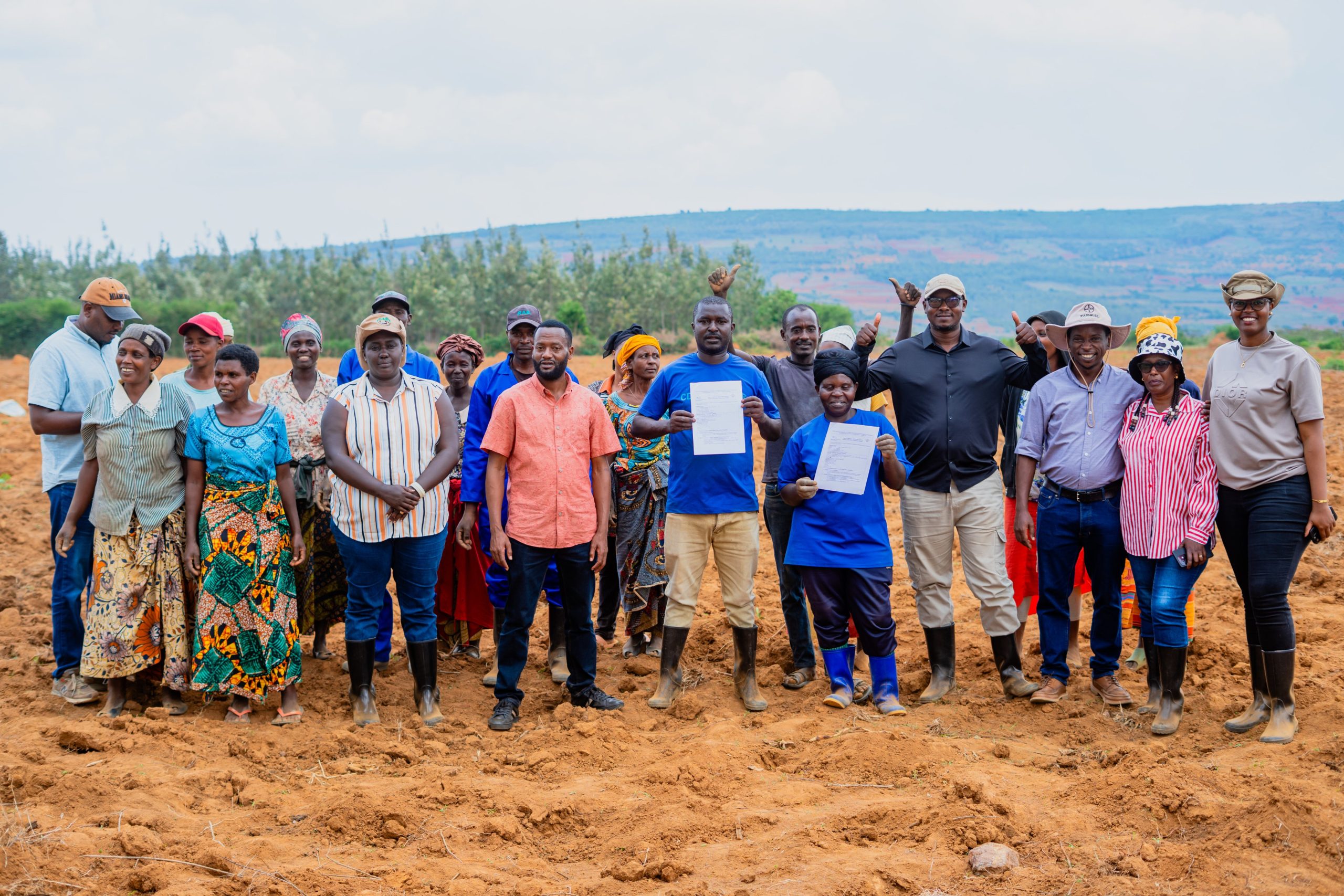
It is on the morning of November 4 as cassava farmers and planting-material multipliers gather in Nemba Sector, Bugesera District, to assess six new cassava varieties developed using agricultural biotechnology.
Their interest was clear: to see whether the improved varieties could withstand Cassava Brown Streak Disease (CBSD), commonly known as Kabore, which has caused significant losses among farmers.
At the Rwanda Agriculture and Animal Resources Development Board (RAB) trial fields, the six biotech varieties were planted alongside conventional cassava varieties, allowing farmers to compare their performance under the same field conditions.
The difference was evident in the field
While the conventional varieties showed signs of CBSD infection, the biotech varieties had remained free of visible disease symptoms, according to observations made by farmers and seed multipliers during the visit.
The varieties are the result of about seven years of research and trials, and preparations are under way to make the improved planting materials available to model farmers and seed multipliers for further multiplication.
Their performance has raised hopes among farmers who have suffered losses from Kabore disease for several years. Rwanda has approximately 200,000 hectares under cassava cultivation, making it the country’s third most important crop after bananas and sweet potatoes.
More than 700,000 families grow cassava
Farmers and seed multipliers have expressed interest in accessing and multiplying the improved planting materials, signalling potential demand for disease-resistant varieties in farming communities. For them, the potential benefits go beyond increased production.
Reduced disease-related losses could mean more reliable harvests, improved household food supplies and greater opportunities to earn income from cassava sales.
“The new varieties are resistant to this devastating disease. The cassava plants are healthy, and I am ready to multiply the disease-resistant cassava cuttings,” said Cesaria Kantarama, a farmer and planting-material multiplier from Nyanza and Bugesera districts.
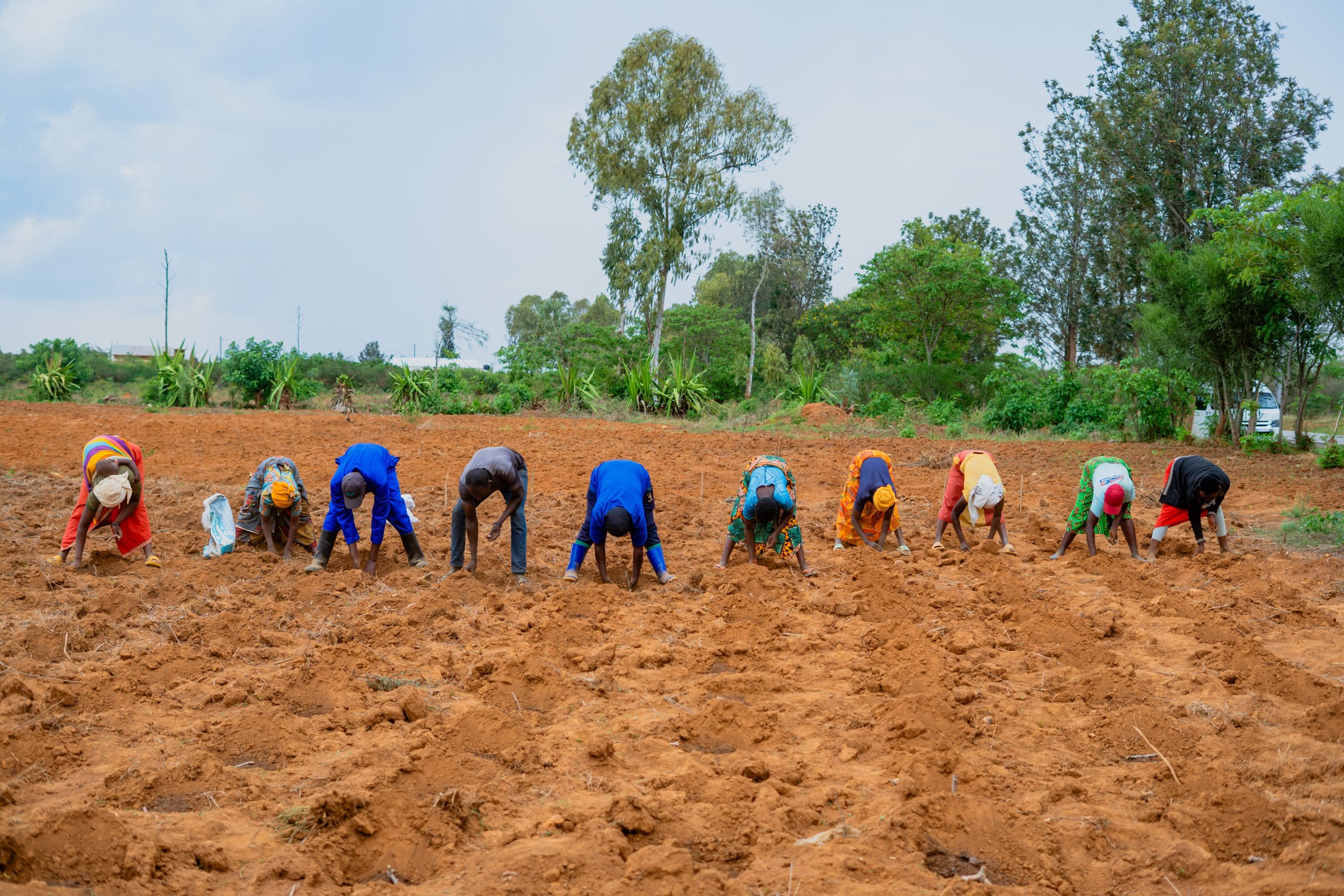
She said the conventional cassava varieties she had previously used for multiplication were often affected by the viral disease. “Last season, I multiplied cassava on two hectares, but this season I plan to expand to five hectares, including land for the biotech cassava varieties,” she said.
She added that the new varieties could create a bigger market for cassava planting materials.
Pascal Kayigumire, a farmer and seed multiplier from Muyira Sector in Muhanga District, said he planned to increase the land allocated to cassava planting-material multiplication from between one and two hectares to five hectares.
He said seeing the varieties perform in the field had given him confidence in their potential. “Seeing how these varieties perform gives us confidence to explore better planting materials. We want access to improved cassava that can help us reduce losses and produce more for our families and the market,” he said.
The growing interest among farmers and seed multipliers could also support the development of a stronger cassava planting-material multiplication network, making improved varieties more accessible across the country.
Dr. Athanase Nduwumuremyi, Head of the Roots and Tubers Programme at RAB and coordinator of the Open Forum on Agricultural Biotechnology in Rwanda (OFAB Rwanda), said disease-resistant cassava varieties offered farmers an opportunity to reduce crop losses, improve productivity and protect household incomes as Rwanda explored agricultural biotechnology to strengthen food security and climate resilience.
“Rwanda is advancing the use of agricultural biotechnology to address persistent cassava diseases, with farmers and seed multipliers getting an opportunity to assess the performance of improved disease-resistant varieties before their wider distribution,” he said.
RAB, in partnership with the African Agricultural Technology Foundation (AATF) and Science Ally Rwanda, organised a ‘Seeing Is Believing’ field event in Nemba, Bugesera District.
The event brought together farmers and cassava planting-material multipliers to observe the performance and potential benefits of genetically improved cassava varieties developed to resist major crop diseases.
Cassava is an important food and income-generating crop for many Rwandan households. However, diseases affecting the crop can reduce yields, threaten farmers’ livelihoods and undermine efforts to increase agricultural production.
The introduction of disease-resistant varieties is expected to help address these challenges by reducing production losses and improving the availability of quality planting materials.
Nduwumuremyi said the initiative demonstrated the importance of bringing agricultural research closer to farmers, allowing them to understand innovations through practical experience.
“Farmers need to see the performance of improved varieties and understand how they can benefit their production. Our objective is to make scientific innovations accessible while ensuring that their adoption follows the required biosafety and regulatory standards,” he said.
Climate resilience and responsible adoption
Beyond disease management, disease-resistant cassava varieties could also contribute to climate resilience by helping farmers protect their production against losses associated with major crop diseases amid increasingly challenging agricultural conditions.
However, their performance will also depend on appropriate agronomic practices, access to quality planting materials and continued support for farmers, he said.
Model farmers and seed multipliers have received practical training in responsible seed stewardship, biosafety compliance, isolation distances, planting-material traceability and good agronomic practices.
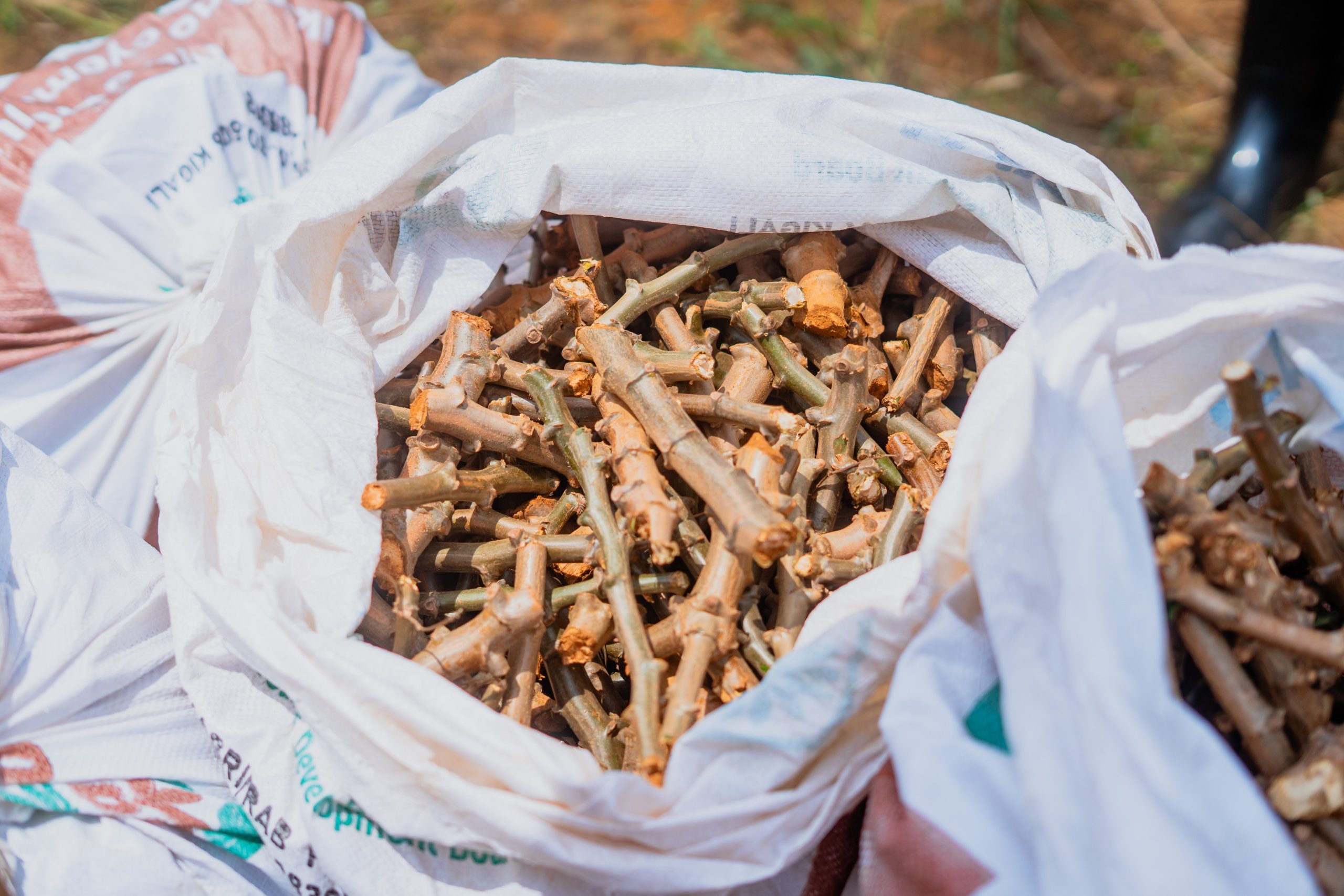
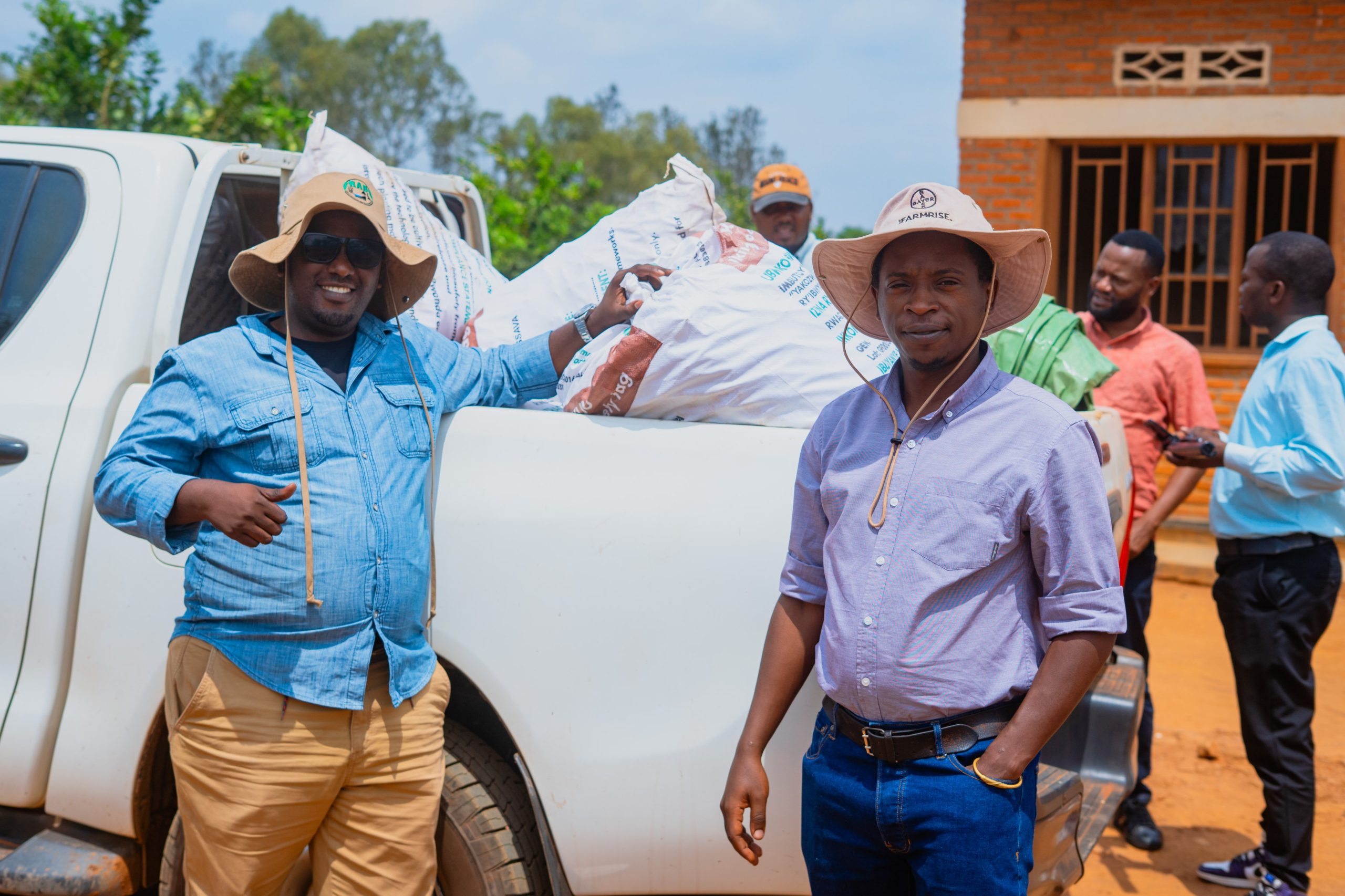
Selected seed multipliers also received biotech cassava cuttings for further multiplication in accordance with regulatory requirements. These measures are intended to ensure that the multiplication and distribution of improved planting materials comply with established safety and quality standards.
RAB is working with the Rwanda Biotech Programme to begin distributing the improved cassava planting materials to farmers across the country. The distribution is expected to expand farmers’ access to the varieties and support their adoption through organised multiplication networks.
The programme was launched in October 2024 in partnership with the Rwanda Agriculture and Animal Resources Development Board (RAB) and other stakeholders.
The initiative forms part of broader efforts to use science and innovation to address agricultural production challenges and strengthen Rwanda’s food systems. Agricultural biotechnology has the potential to provide solutions to crop diseases, improve productivity and reduce losses.
Scientists have also highlighted the importance of science communication in helping farming communities understand agricultural innovations. Alex Nyandwi, an agricultural social media influencer, emphasised the importance of making scientific knowledge accessible to farmers.
“Scientific innovation should not remain in laboratories or research institutions. Farmers need to see it, understand it and assess how it can improve their livelihoods. Bringing research closer to farming communities is essential for informed adoption,” he said.
For Rwanda, he said, the challenge was now to translate scientific advances into practical benefits for farmers through wider access to improved planting materials, responsible multiplication and continued agricultural extension support.
As the country seeks to increase agricultural productivity and strengthen food security, disease-resistant biotech cassava could become an important tool in reducing crop losses and protecting the livelihoods of farming households.
Experts say agricultural biotechnology is playing an increasingly important role in helping Africa tackle climate stress, pests and crop diseases that continue to threaten agricultural productivity.
Rwanda is emerging as one of Africa’s fastest-moving countries in agricultural biotechnology regulation, according to African Agricultural Technology Foundation officials.
Experts attribute the progress to strong political support, clear biosafety regulations, and close collaboration between scientists, policymakers and farming communities. Aggrey Ambali, chair of AATF’s board of trustees, said in June that Rwanda’s model is built on co-development, ensuring all stakeholders move together.