By Martin Semukanya
For years, one phrase has dominated discussions about education in Rwanda:
“Ireme ry’uburezi” — the quality of education.
It is repeated in Parliament.
It appears in government reports.
Teachers mention it.
Parents worry about it.
Journalists discuss it almost every week.
Yet perhaps we have spent too much time talking about quality while asking too few questions about whether the system itself still fits the world we are preparing children to enter.
Improving quality inside an outdated model is like polishing a bicycle while everyone else is building electric cars.
The conversation must evolve.
The question should no longer be:
“How do we improve our education?”
It should become:
“How do we redesign education for the Africa of 2050?”
The World Changed. Schools Barely Did.
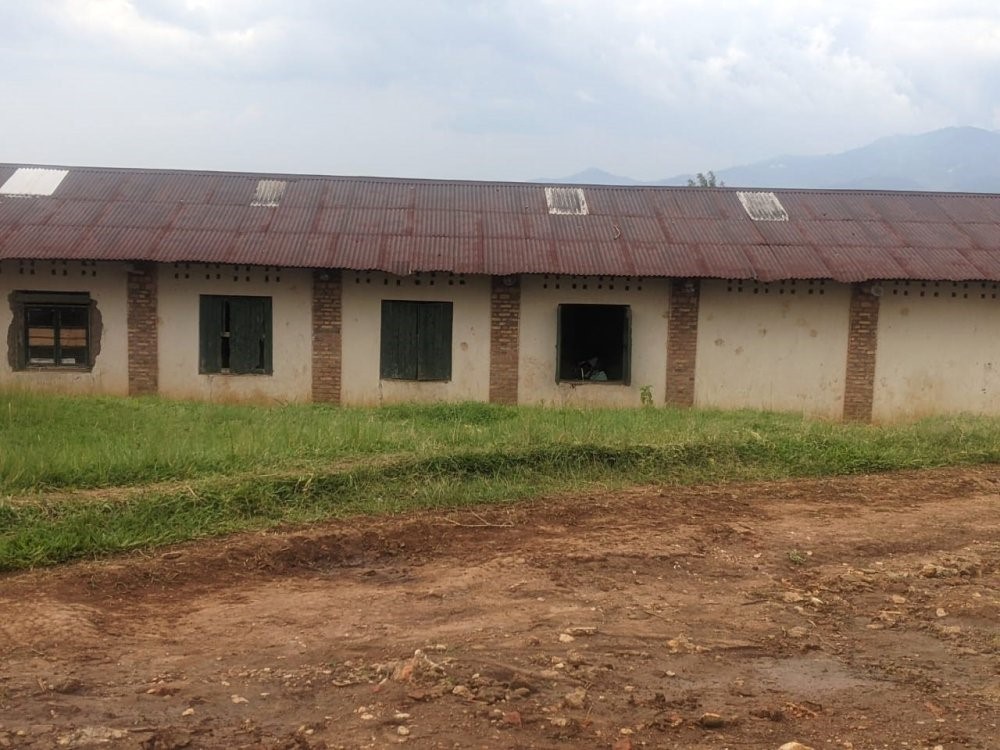
Walk into most classrooms today.
Rows of desks.
Teacher in front.
Blackboard.
Exercise books.
Homework.
Tests.
Examinations.
Promotion.
Graduation.
Now compare that classroom with one from 1975.
Apart from computers in a few schools, surprisingly little has changed.
Yet outside school, everything has changed.
Artificial Intelligence writes reports.
Robots build cars.
Farmers use drones.
Doctors perform remote surgery.
Children learn mathematics from YouTube.
Employers hire people based on skills more than certificates.
Entire careers disappear within ten years.
Yet our classrooms continue preparing learners for a world that no longer exists.
That is the biggest education crisis.
Not a lack of classrooms.
Not a shortage of books.
A shortage of imagination.
We Are Still Teaching Yesterday’s Content
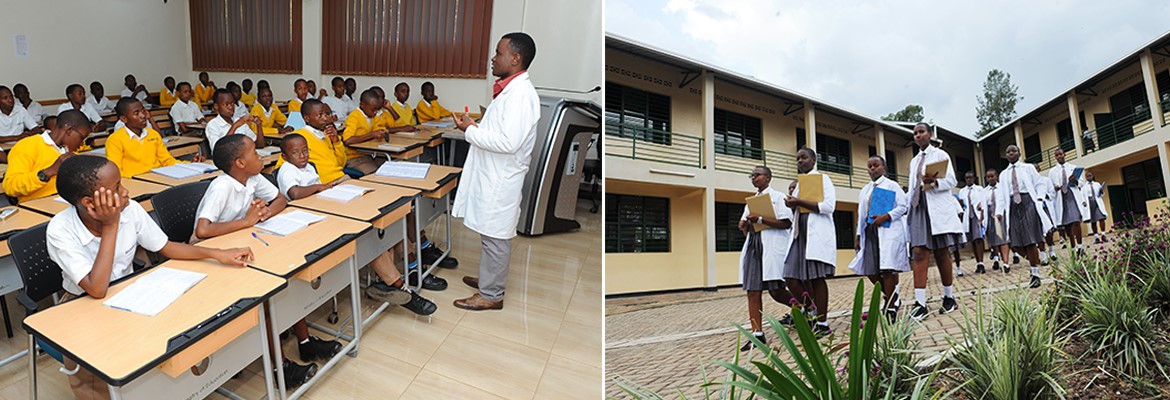
Many theories being taught today were designed decades ago.
Some remain important.
Mathematics never expires.
Reading never expires.
Scientific principles remain valuable.
History matters.
But every curriculum should ask one difficult question every year:
Does every topic still deserve the amount of time we give it?
Some lessons have remained unchanged simply because they have always been there.
Education should not become a museum.
Curricula should undergo annual reviews involving employers, entrepreneurs, researchers, teachers, universities and even students themselves.
Every year, schools should remove obsolete content and introduce emerging knowledge.
Education must become a living system.
We Continue Teaching Everyone the Same Way
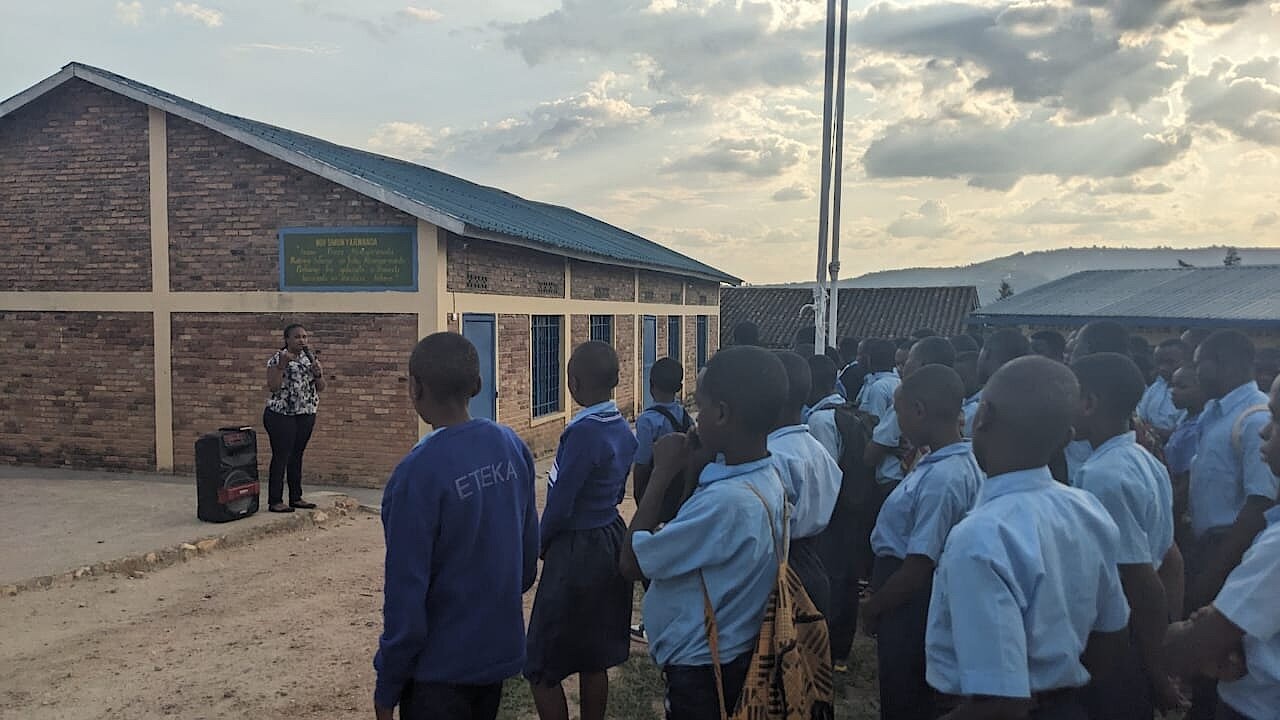
Children are different.
Some learn visually.
Others by doing.
Others by discussing.
Others through music.
Others through technology.
Yet classrooms still expect forty or sixty learners to learn identically.
The teacher speaks.
Students listen.
Students memorize.
Students reproduce answers.
This model rewards memory more than understanding.
But life rewards understanding.
Bring Play Back Into Learning
Research from many countries shows that children learn faster through curiosity than fear.
Young learners should spend less time copying notes and more time: playing, building, drawing, singing, experimenting, telling stories, creating, working in teams, solving small community problems.
Play is not the opposite of learning.
Play is one of its most powerful engines.
Replace Fear-Based Education with Curiosity-Based Education
Too many students study because they fear punishment.
Fear failing.
Fear parents.
Fear examinations.
Fear embarrassment.
Fear should never become the engine of education.
Curiosity should.
Schools should encourage children to ask difficult questions—not simply memorize correct answers.
The student asking ten thoughtful questions is often learning more deeply than the student memorizing ten pages.
Do Examinations Still Deserve So Much Power?
Examinations remain important.
But should one three-hour paper determine an entire year’s effort?
Probably not.
Many countries increasingly combine: continuous assessment, projects, group work, community service, presentations, problem-solving, digital portfolios, innovation challenges, peer assessment, teacher observations.
Knowledge should be demonstrated in different ways.
A brilliant engineer may not always be the best exam writer.
A future entrepreneur may never top traditional tests.
Education should recognize different kinds of intelligence.
Stop Rewarding Memorization
Instead of asking:
“What is the answer?”
Schools should increasingly ask:
“How did you arrive at that answer?”
The future belongs to thinkers.
Not repeaters.
Every Teacher Should Grow Every Year
Doctors continuously update their knowledge.
Pilots retrain.
Engineers retrain.
Lawyers retrain.
Why should teachers stop learning after graduation?
Every teacher should undergo annual professional reviews.
Not to punish.
To support.
Reviews should include: classroom observation, student feedback, peer mentoring, innovation in teaching, professional development, use of technology, community involvement.
Excellent teachers should receive recognition and financial incentives.
Teaching excellence should become a prestigious national achievement.
School Leaders Should Also Be Evaluated
A school’s success depends heavily on its headteacher.
Principals should not be evaluated only on examination results.
Leadership should also measure: student wellbeing, teacher retention, innovation, discipline, financial transparency, community engagement, parent satisfaction, inclusion, dropout reduction, graduate outcomes.
Leadership matters.
Good schools rarely happen by accident.
Parents Must Become Partners Again
Many parents only visit schools after receiving report cards.
Education cannot succeed without families.
Schools should hold practical parent workshops explaining: digital safety, AI, career guidance, mental wellbeing, nutrition, financial literacy, positive parenting.
Educating parents improves children’s education.
Private Schools Need Stronger Accountability
Private schools play an essential role.
They reduce pressure on public schools.
Many deliver excellent education.
Many innovate.
But education is not merely another business.
School fee increases should become more transparent.
Parents deserve advance notice.
Hidden charges should disappear.
Every required payment should be publicly declared before the academic year begins.
No parent should discover new compulsory fees halfway through a term.
Transparency builds trust.
The School Uniform Business Needs Reform
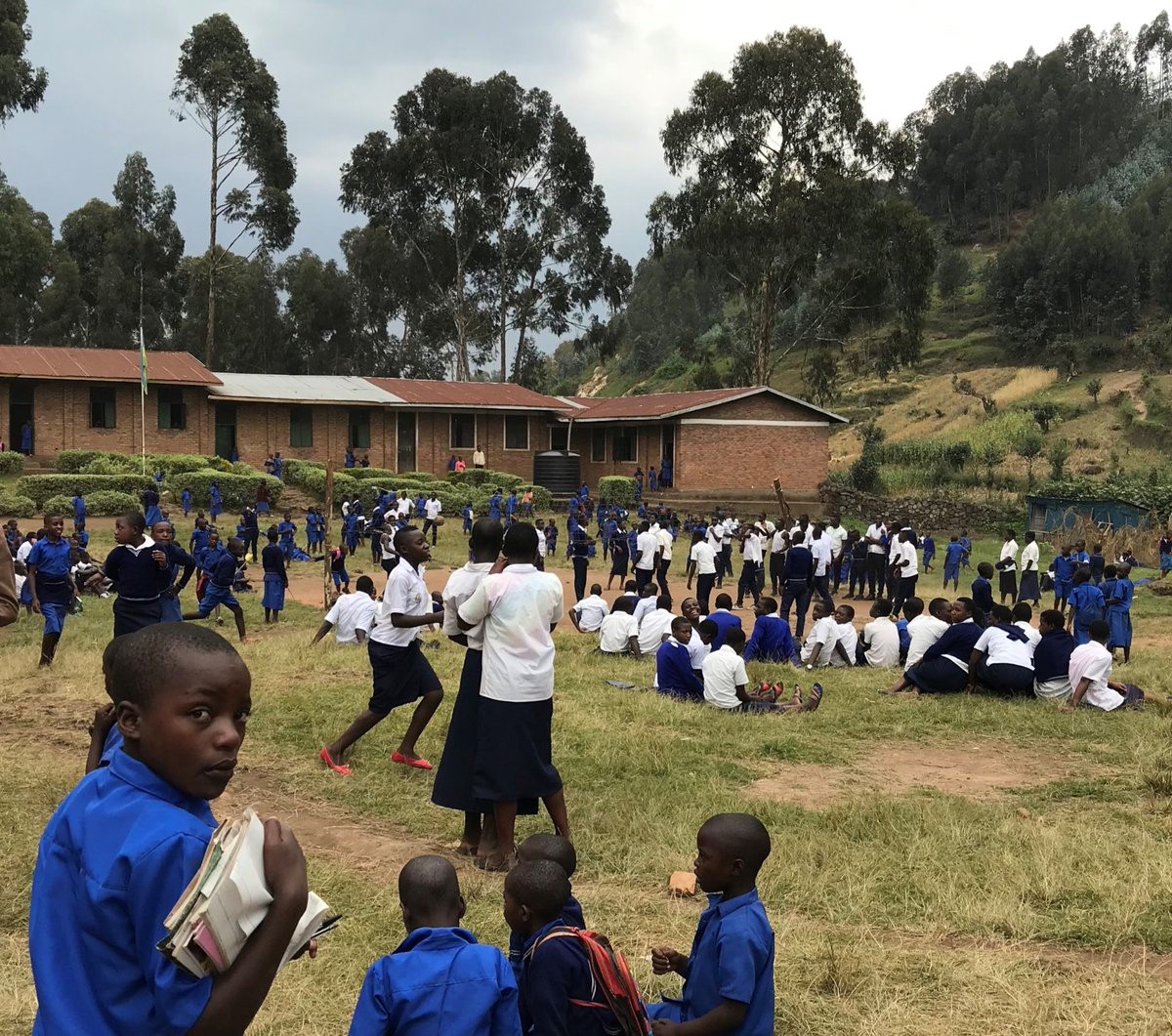
One practice deserves urgent attention.
Many schools require parents to purchase uniforms from specific suppliers.
Sometimes at inflated prices.
Sometimes without competition.
Sometimes with unnecessary design changes.
Education should never become a captive market.
Schools should simply publish: approved colours, fabric, logo specifications, quality standards.
Parents should then choose any qualified tailor or supplier.
Alternatively, procurement could follow open public tenders where appropriate.
Competition reduces prices.
Families save money.
Local businesses benefit.
Everyone wins.
Digital Learning Should Become Universal
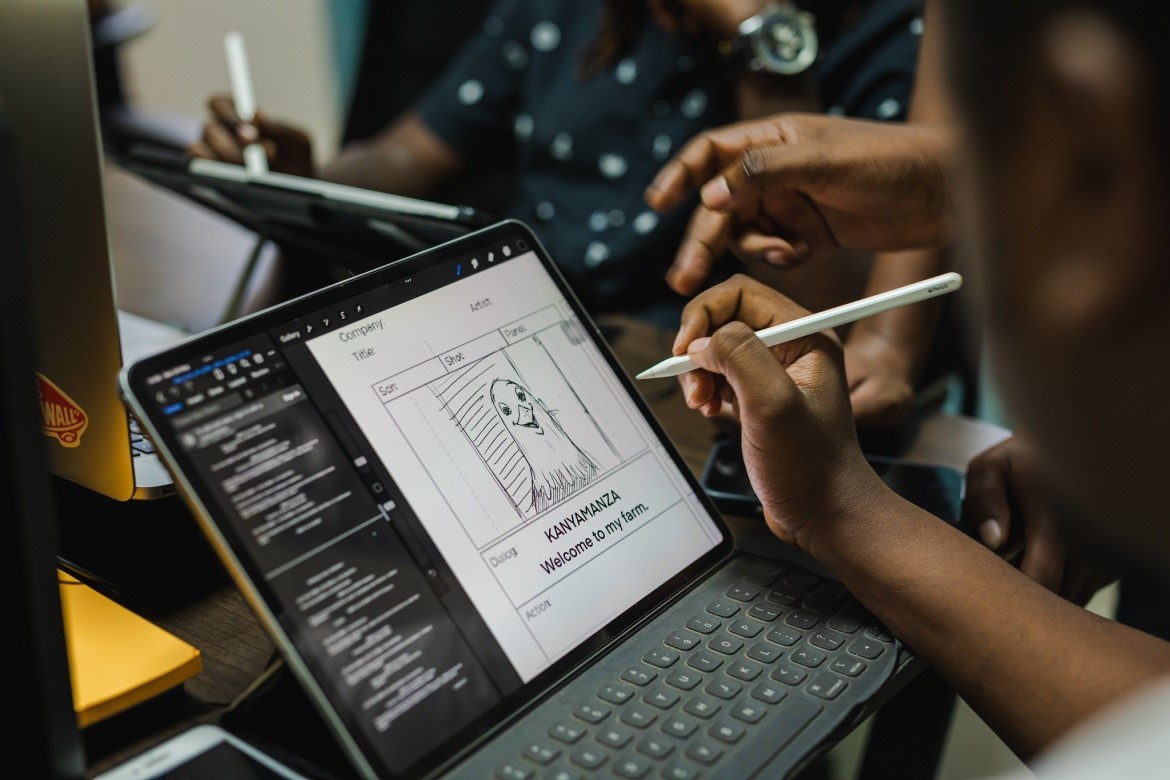
Every learner should eventually have access to digital learning resources.
Not to replace teachers.
To strengthen teachers.
Imagine every lesson supported by: interactive videos, virtual science laboratories, AI tutors, digital libraries, recorded lessons, translation into local languages, adaptive learning systems.
Technology should help close educational gaps—not widen them.
Schools Should Teach Life, Not Only Subjects
Imagine every graduate leaving school already knowing: how to budget, how to save, how to invest, how to communicate, how to negotiate, how to use AI responsibly, how to solve conflicts, how to think critically, how to protect mental health, how to start a business, how government works, how climate change affects their community?
These are life skills.
Not optional extras.
Education Must Produce Job Creators
Africa cannot educate millions of young people only to prepare them to search for jobs that do not exist.
Schools should produce: entrepreneurs, innovators, inventors, problem solvers, ethical leaders, researchers, farmers using technology, manufacturers, creative professionals.
Employment should become one possible outcome—not the only one.
Imagine a Different Rwanda in 2050
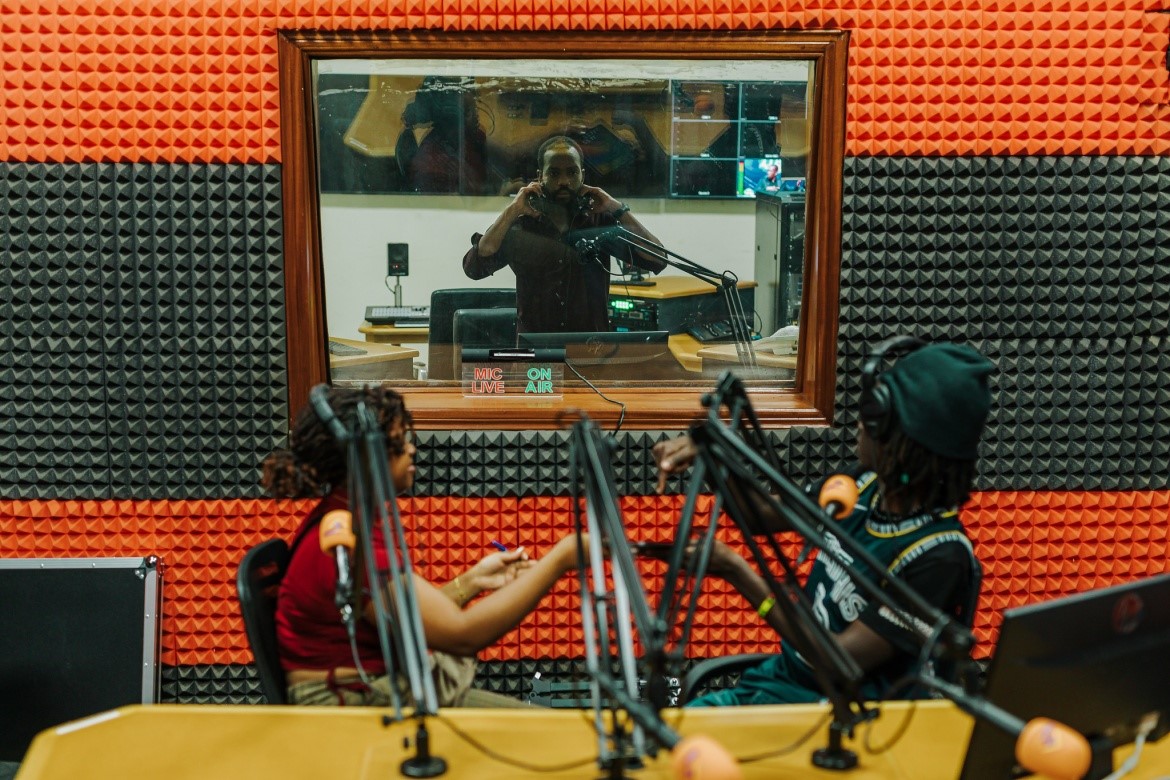
Imagine classrooms where children build robots before secondary school.
Where coding is as common as handwriting.
Where agriculture combines drones, sensors and artificial intelligence.
Where examinations measure creativity alongside knowledge.
Where every teacher continuously grows.
Where parents become active partners.
Where private schools compete on educational excellence—not expensive uniforms.
Where schools purchase uniforms through transparent systems or allow parents to use qualified local tailors.
Where students graduate already running businesses.
Where learning never stops.
This future is possible.
But it requires courage to rethink assumptions that have guided education for generations.
The Time for Small Reforms Has Passed
Rwanda has demonstrated that ambitious national transformation is possible.
Education should become the country’s next great transformation.
Not by merely improving yesterday’s system.
But by designing tomorrow’s.
The goal should no longer be producing students who can pass examinations.
It should be producing citizens who can improve society, compete globally, create jobs, adapt to technologies that do not yet exist, and lead Africa with wisdom, innovation and integrity.
That is the true meaning of #IremeRyUburezi.
Not simply better schools.
But a better future.