







































































Written by Malliavin NZAMURAMBAHO
The global community is facing a deepening crisis as tensions in the Middle East continue to shake not only the region but the entire world. What may appear as a localized conflict is, in reality, a global burden—one that every nation, every economy, and millions of vulnerable people are already paying for.
Speaking at the United Nations Headquarters, António Guterres warned that even with a fragile ceasefire in place, the consequences of the crisis are far from over. “As with every conflict, the whole of humanity is paying the price — even if a few are reaping huge profits,” he stated. “The pain will be felt for a long time to come.”
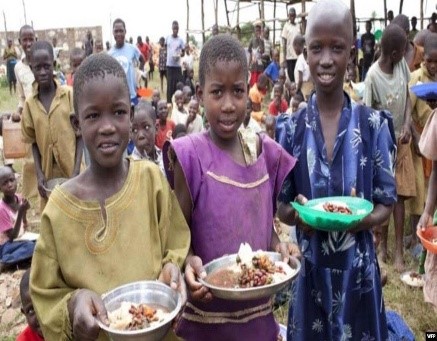
A shared cry: The World wants peace, our Children want to grow safely
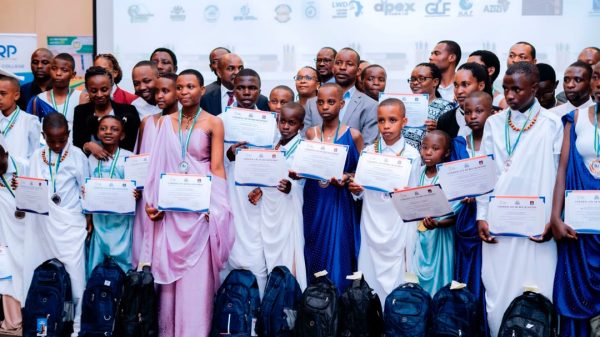
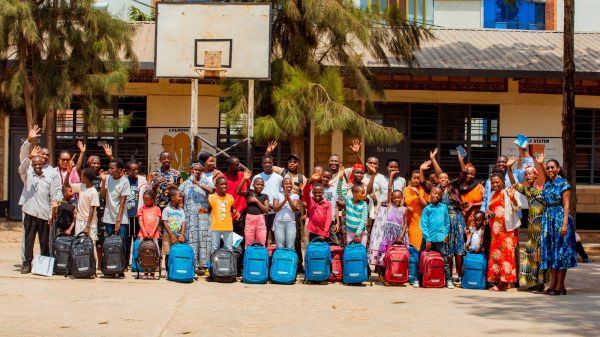
Beyond economic statistics and political tensions lies a simple, universal truth: the world does not want to break—it wants peace. Families everywhere are united by a common hope—that their children can grow in safety, dignity, and opportunity. Yet conflict threatens this basic human aspiration, replacing hope with fear and uncertainty.
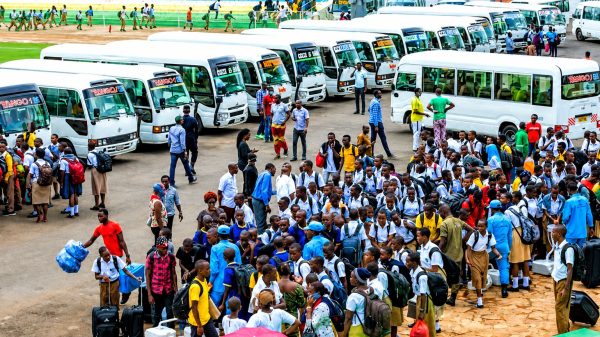
Our children deserve classrooms, not conflict. They deserve futures, not fear.
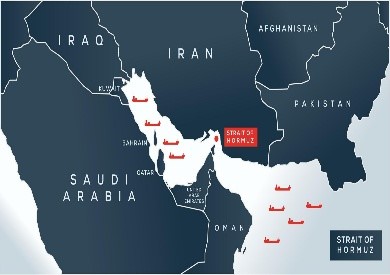
A choked lifeline: The strait of Hormuz
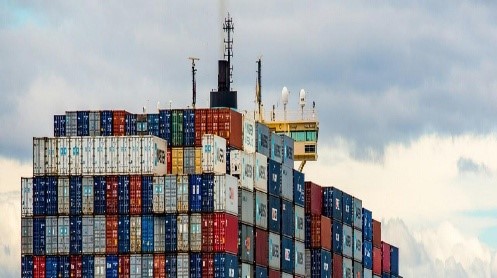
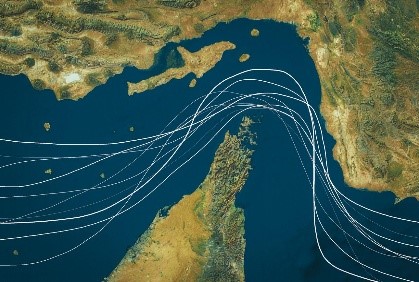
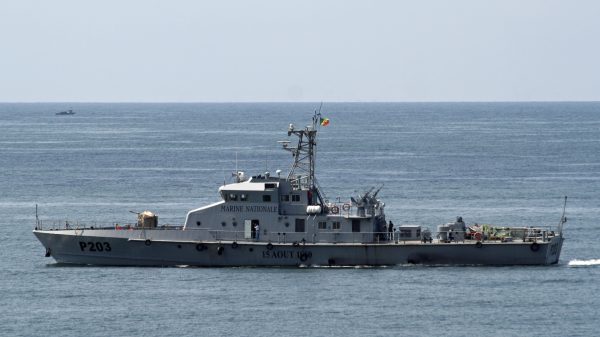
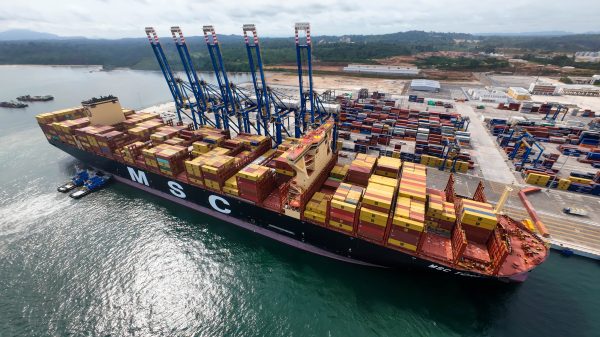
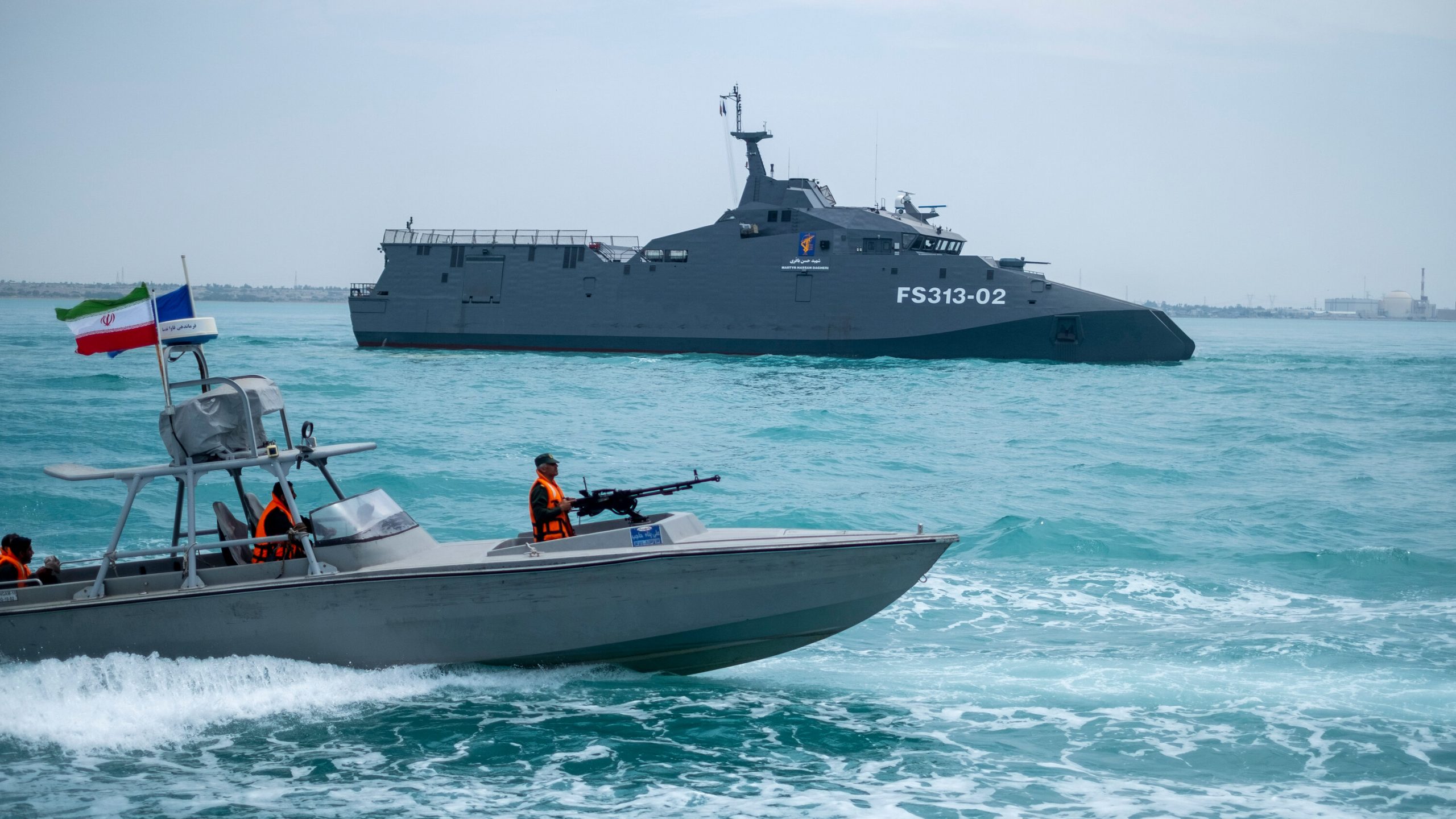
At the heart of the crisis lies the disruption of vital maritime routes, particularly the Strait of Hormuz—a critical artery for global oil and trade. The Secretary-General urged all parties to restore freedom of navigation:“Let the global economy breathe again.”
Without immediate action, supply chains remain strained, energy prices unstable, and economic recovery delayed.
Global economic fallout: Three possible scenarios
The United Nations outlined escalating consequences depending on how long the crisis persists:
- If restrictions end now
- Supply chains will take months to recover
- Global growth drops from 3.4% → 3.1%
- Inflation rises from 3.8% → 4.4%
- If disruptions continue through mid-Year
- Growth falls to 2.5%
- Inflation surges to 5.4%
- 32 million people pushed into poverty
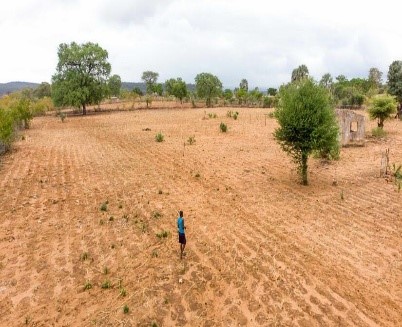
- Fertilizer shortages reduce crop yields
- 45 million more people face extreme hunger
- If crisis persists until Year-end
- Inflation exceeds 6%
- Growth declines to 2%
- Risk of a global recession
- Severe impacts on political, social, and economic stability
The Human cost: Beyond numbers
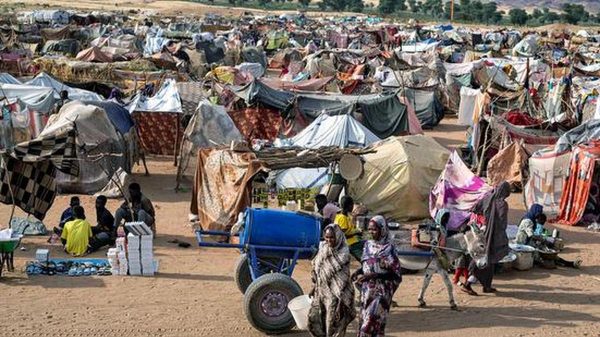
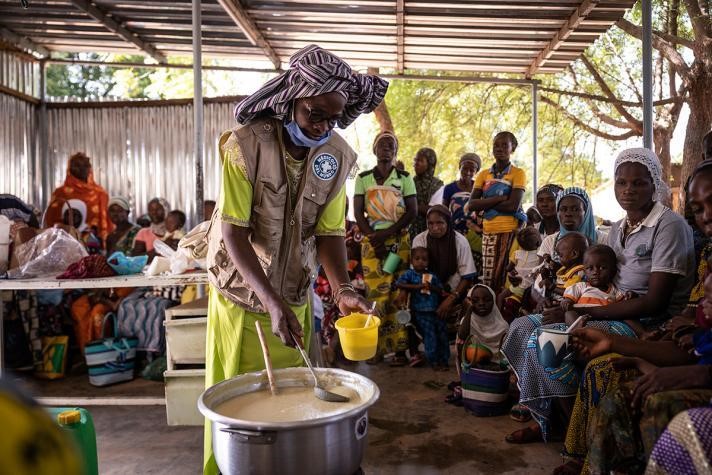
Behind every statistic lies a human story. The crisis threatens livelihoods, food security, and dignity—especially in developing countries already struggling with debt, unemployment, and fragile systems. The longer the disruption continues, the deeper the suffering grows.
“The longer this vital artery is choked, the harder it will be to reverse the damage — and the higher the cost to humanity,” Guterres warned.
A Call for Peace and responsibility
The message from the United Nations is clear: the world cannot afford prolonged conflict. Diplomacy is no longer optional—it is urgent. A return to dialogue is essential to prevent further economic collapse and humanitarian disaster.
‘’Humanity longs for peace. Our children deserve a safe and hopeful tomorrow. Now is the time to act—so that brothers and sisters may meet again, shake hands, and build a shared future’’.
End.