By Rene Anthere Rwanyange
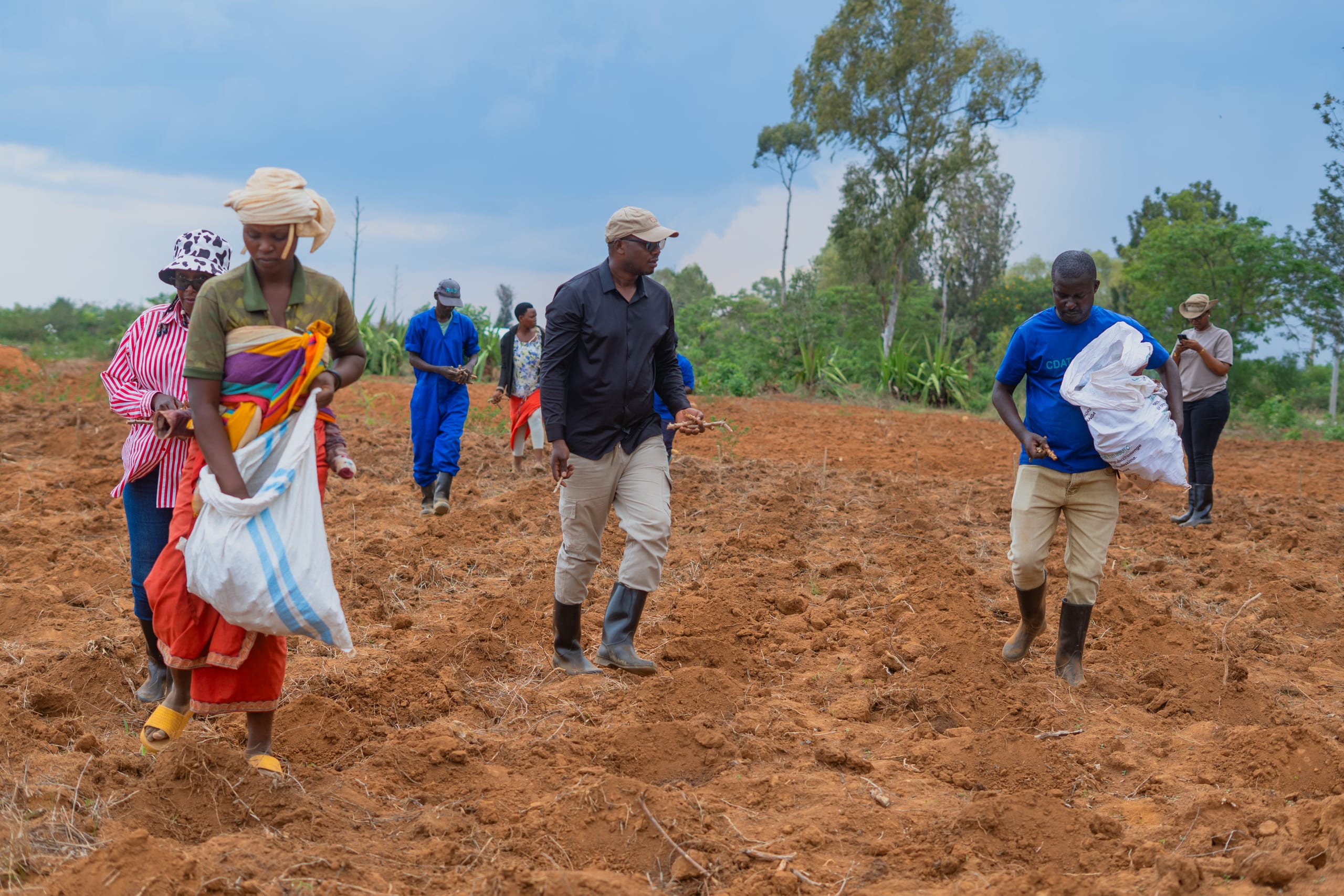
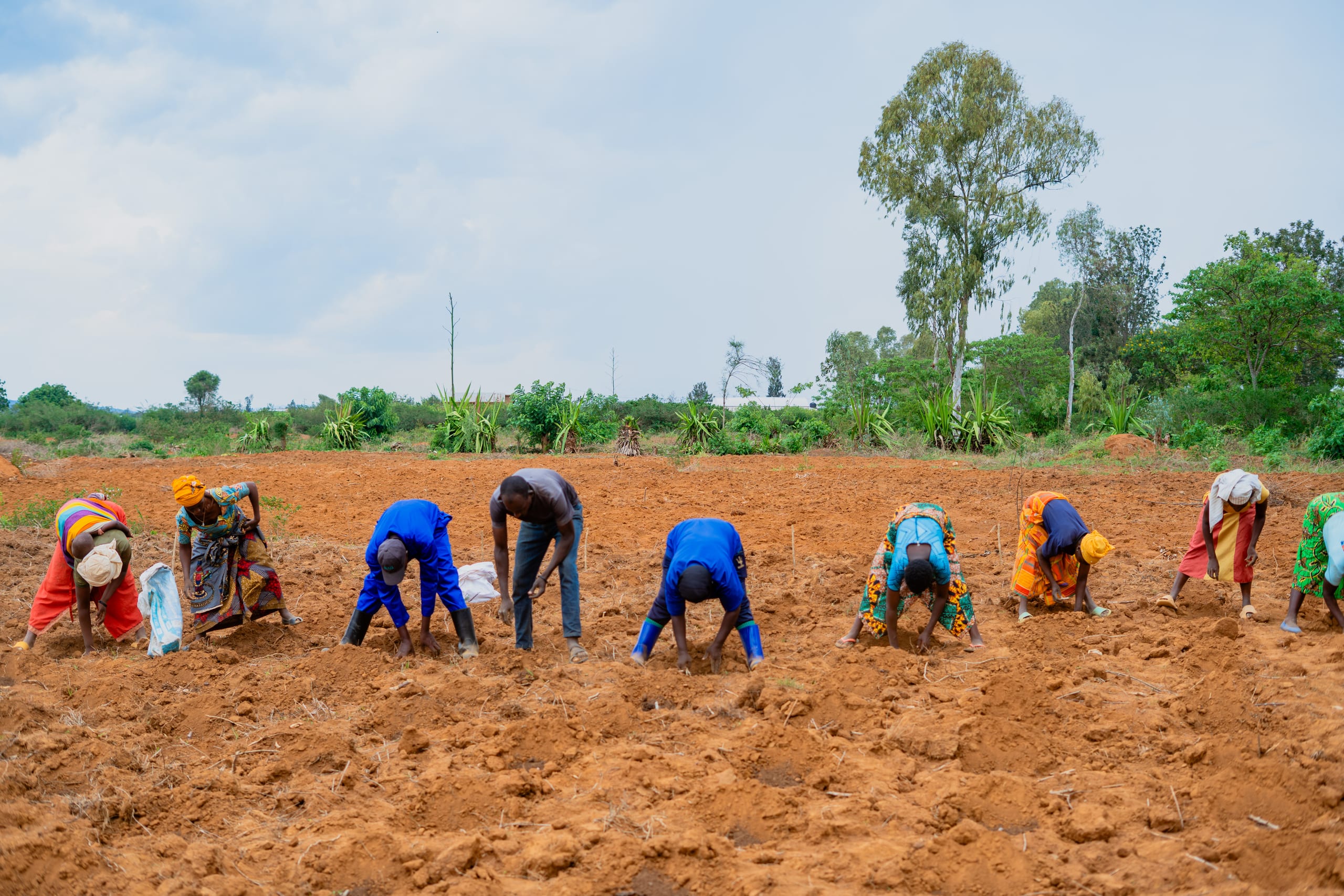
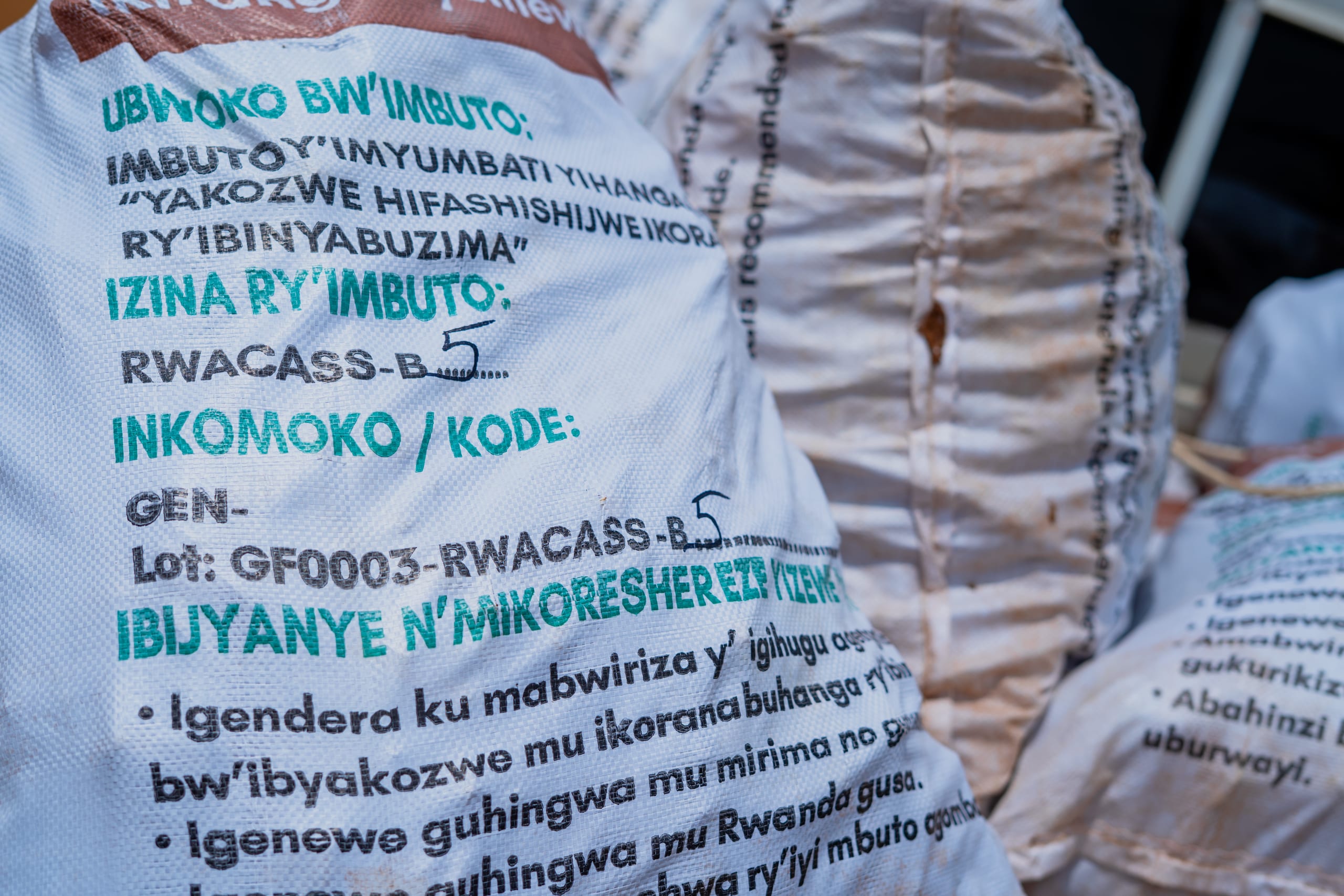
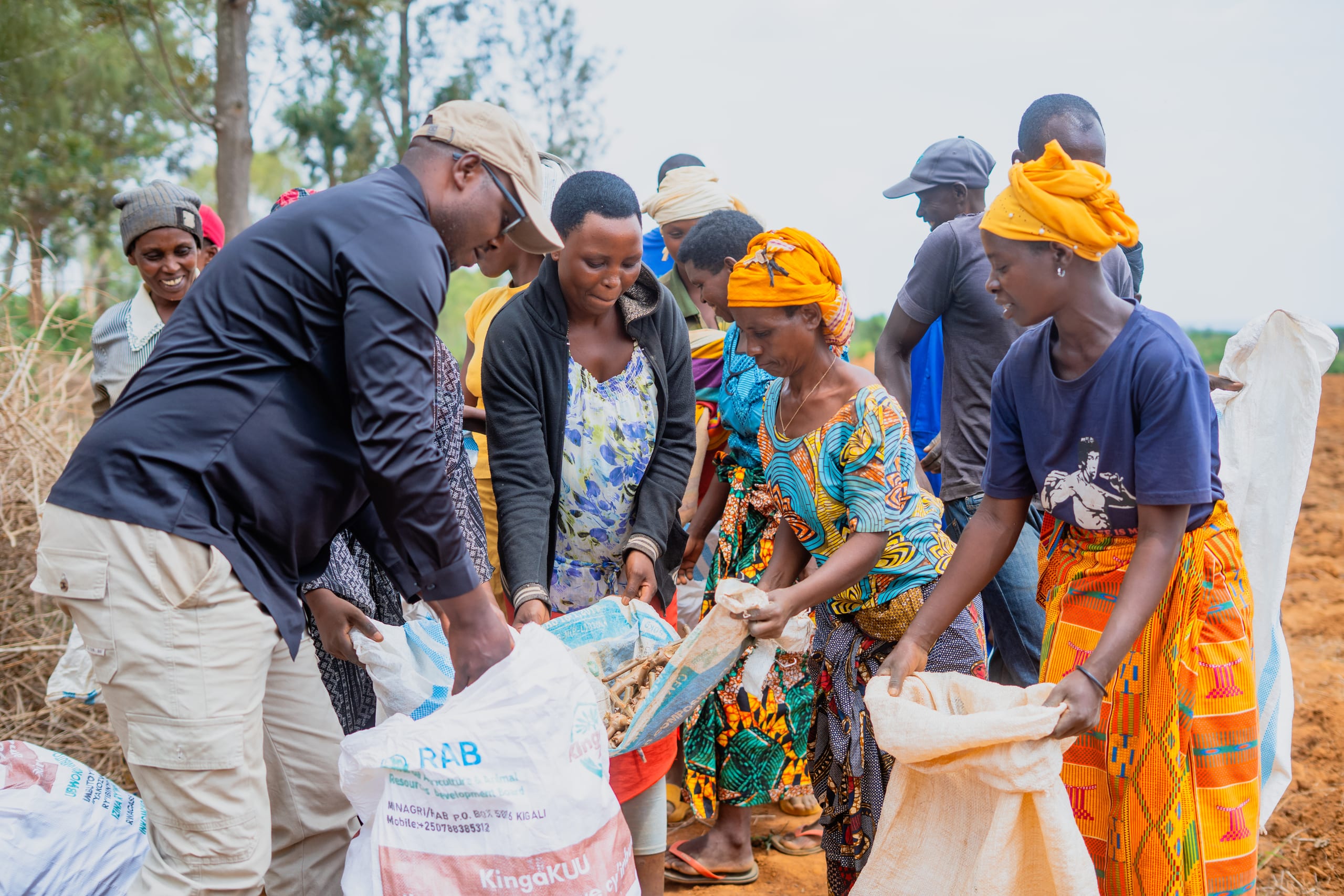
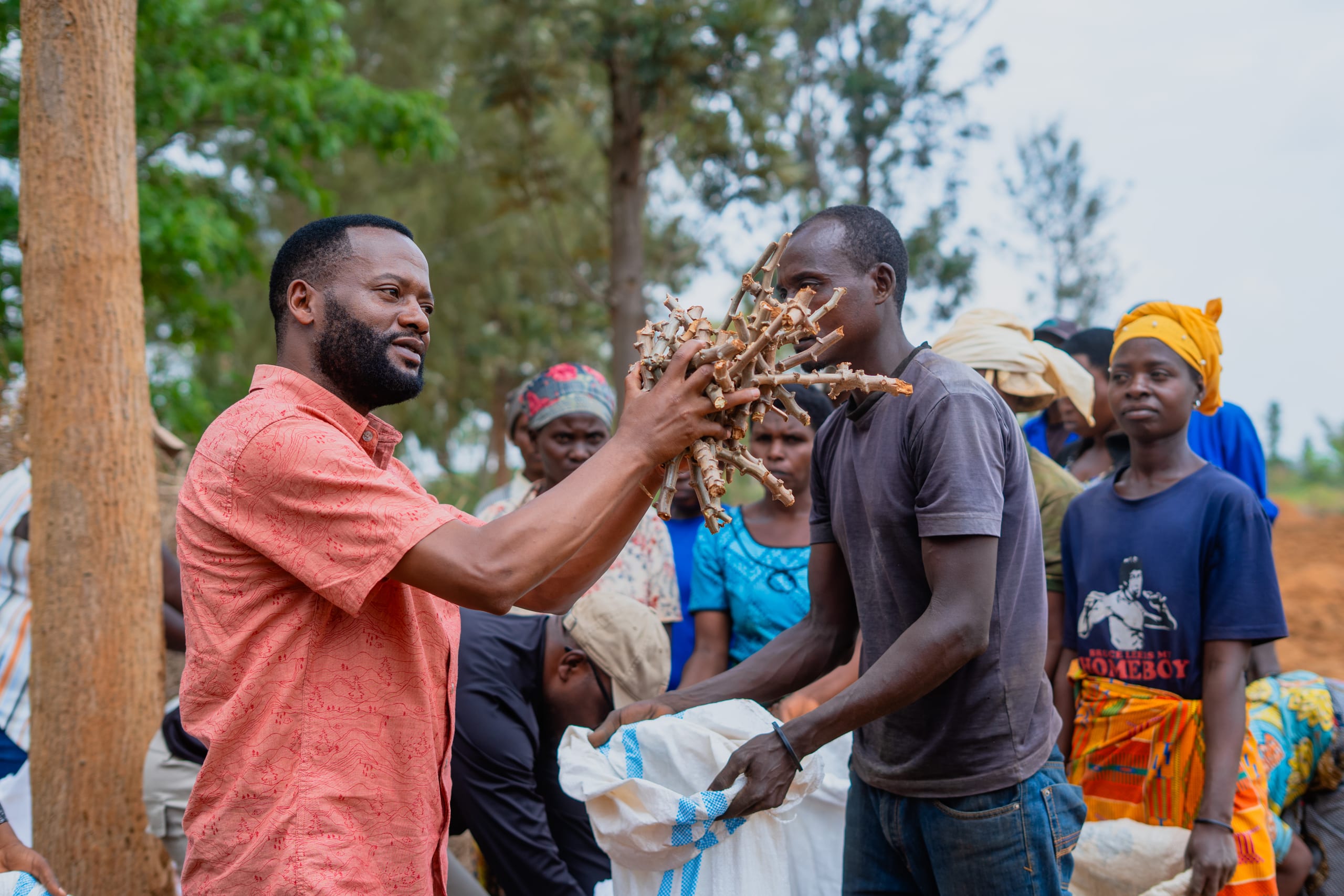
Disease-resistant varieties have entered farmers’ fields in Bugesera as Rwanda seeks to reduce crop losses and strengthen cassava production. Farmers in Nemba Sector have received planting materials and started planting the improved varieties, marking a transition from scientific research to evaluation under actual farming conditions.
In Bugesera, farmers say conventional cassava varieties have been vulnerable to several production challenges, including a disease locally known as “Kabore” and symptoms associated with leaf drying.
Farmers who received the new planting materials welcomed the initiative, expressing hope that the improved varieties would address challenges that have affected their harvests and livelihoods.
For years, Cassava Brown Streak Disease (CBSD), commonly known as Kabore, has threatened the livelihoods of cassava farmers, destroying roots, reducing harvests and limiting the income they earn from the crop.
But Immaculée Nyirahabimana, a farmer and cassava seed multiplier in Bugesera District, is now looking to the future with renewed hope. Having experienced the effects of the viral disease on conventional cassava varieties, she has now planted improved biotechnology-based varieties that have demonstrated resistance to the disease during research trials.
Nyirahabimana, who multiplies cassava planting materials in Nemba Sector, planed the cutings to test the new varieties on half a hectare, while continuing her usual multiplication activities on a larger area. “I am going to try the new varieties on half a hectare, although I generally multiply cassava planting materials on two and a half hectares,” she said.
For her, the new varieties could offer an opportunity to expand her business while supplying other farmers with healthier planting materials. Her interest reflects growing expectations among cassava farmers and seed multipliers who have struggled with diseases that have affected production and household incomes for years.
Another farmer, Elia Mupenzi, also sees an opportunity to expand cassava planting-material production through the improved varieties. Mupenzi, who currently multiplies cassava on 1.6 hectares, plans to test the biotech varieties on half a hectare before considering wider multiplication.
“I can produce 200,000 cassava stem cuttings. Once I start using the new varieties, I will distribute the planting materials to more farmers,” he said.
Their expectations come as Rwanda introduces six improved biotech cassava varieties to farmers and seed multipliers for participatory trials, allowing them to assess their performance under local farming conditions before wider distribution.
The initiative is expected to help address persistent production challenges, particularly CBSD, which can destroy up to 100 per cent of a cassava harvest if not controlled.
The disease broke out in Rwanda in 2013 and has severely affected incomes and food security among cassava-growing households.
More than 700,000 families cultivate cassava across 3,980 villages in the Eastern, Western and Southern provinces, according to the Rwanda Agriculture and Animal Resources Development Board (RAB).
Approximately 200,000 hectares in Rwanda are dedicated to cassava cultivation, making it the country’s third most important crop after bananas and sweet potatoes.
From research institutions to farmers’ fields
The introduction of the improved varieties marks an important step in moving agricultural research from laboratories and research institutions to farmers’ fields. The varieties have been developed using biotechnology to incorporate traits intended to improve resistance to diseases affecting conventional cassava crops.
Their introduction through participatory trials will allow researchers and farmers to assess their performance under local production conditions. The evaluation will examine important characteristics, including disease resistance, crop development, adaptability and productivity.
Farmers will also contribute their observations and experiences, helping researchers understand how the varieties perform beyond controlled research environments. The findings will be important in determining their suitability for wider multiplication and distribution.
Following the initial distribution in Bugesera, the initiative is expected to extend to other cassava-producing districts, including Kayonza, Nyanza, Kamonyi, Ruhango, Muhanga and Gisagara.
Testing the varieties across different agricultural environments will help establish whether they can deliver consistent results under varying farming conditions. The process is also important for developing an evidence-based approach to future access to improved planting materials.
For Rwanda’s agricultural economy, successful adoption could help reduce the financial risks associated with crop diseases while strengthening the reliability of cassava production.
Dr. Athanase Nduwumuremyi, Head of the Roots and Tubers Programme at RAB and coordinator of the Open Forum on Agricultural Biotechnology in Rwanda (OFAB Rwanda), said more than 20 model farmers and seed multipliers had received the six varieties for participatory trials.
The distribution started in Bugesera and is expected to extend to Kayonza, Nyanza, Ruhango, Kamonyi, Gisagara and Muhanga districts, which are known for cassava production.
“More than 20 model farmers, who are also seed multipliers, have received the new cassava varieties for participatory trials. After assessing their performance, they will share feedback with us and identify the most preferred varieties among the six before they are distributed to other farmers and multipliers,” he said.
The varieties have been developed using agricultural biotechnology to incorporate traits intended to improve resistance to CBSD.
According to Nduwumuremyi, they have demonstrated yields of between 35 and 40 tonnes per hectare under favourable weather conditions and good agricultural practices.
However, the ongoing participatory trials will help researchers and farmers assess their performance under different local farming conditions, including disease resistance, crop development, adaptability and productivity.
The varieties were first tested in confined trials before their environmental release was approved by the Rwanda Environment Management Authority (REMA).
Their distribution to model farmers and seed multipliers for participatory trials has also been authorised by the Rwanda Inspectorate, Competition and Consumer Protection Authority (RICA).
The varieties have been approved by the Variety Release Committee, with publication in the Official Gazette remaining the final step in their formal release.
Nduwumuremyi said the next stage would involve identifying varieties that farmers prefer before expanding their distribution.
“We will scale up based on those most preferred by farmers. Farmers should understand that resistance to disease does not mean cassava cannot be affected at all. The virus might attack, but it will not cause devastation because these varieties have resistance developed through agricultural biotechnology,” he explained.
Protecting farmers’ livelihoods
For cassava-growing households, the potential benefits of the improved varieties go beyond protecting crops against disease.
More reliable harvests could improve household food supplies, increase marketable production and create opportunities for farmers to earn more from cassava sales and planting-material multiplication.
Cassava is an important food crop in Rwanda, where both its roots and leaves are consumed. It is also valued for its ability to withstand heat and drought and grow in soils with low nutrient levels, making it particularly important for farmers facing climate-related challenges.
However, diseases affecting the crop have undermined its production potential, threatening the livelihoods of farmers who depend on it for food and income.
Beyond disease management, improved cassava varieties could contribute to strengthening farmers’ resilience to climate-related challenges.
However, their performance will also depend on appropriate agronomic practices, access to quality planting materials and continued agricultural extension support.
Model farmers and seed multipliers have received practical training in responsible seed stewardship, biosafety compliance, isolation distances, planting-material traceability and good agronomic practices.
Selected seed multipliers have also received biotech cassava cuttings for further multiplication in accordance with regulatory requirements. These measures are intended to ensure that the multiplication and distribution of improved planting materials follow established safety and quality standards.