By Rene Anthere Rwanyange
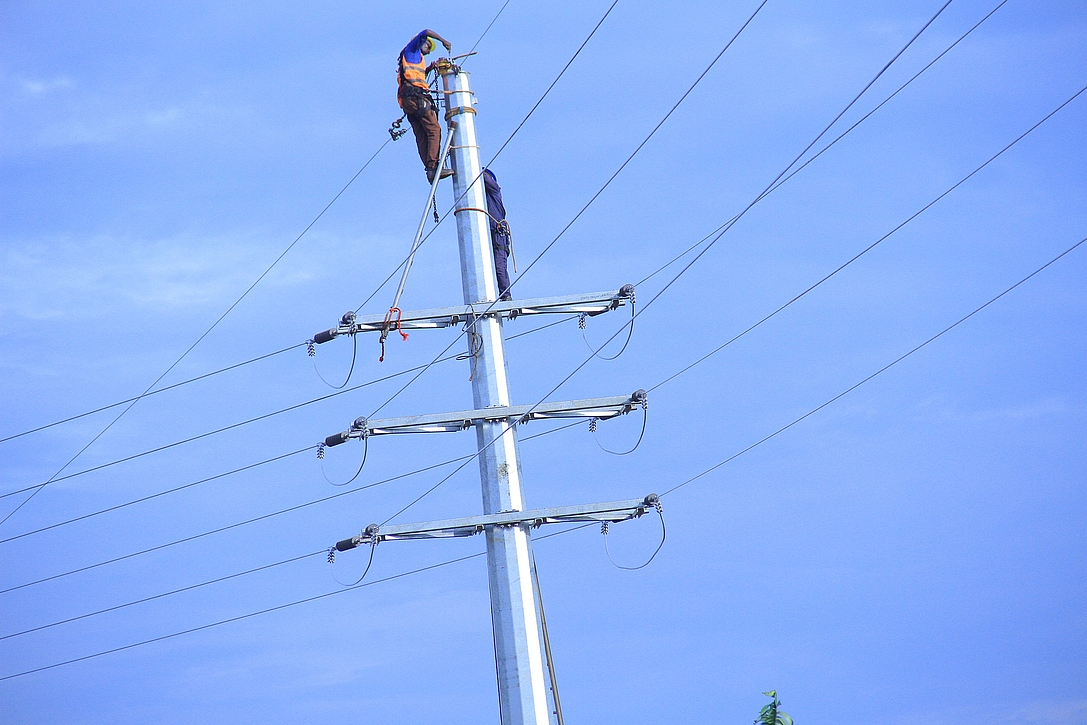
Rwanda increased household electricity access to 85.4 per cent by the end of 2025, up from 64.53 per cent five years earlier, as the country steps up investment in energy infrastructure to support economic growth and improve living standards.
Figures released by the Rwanda Energy Group (REG) show that 60.1 per cent of households were connected to the national electricity grid, while 25.3 per cent relied on off-grid systems, mainly solar energy.
The achievement represents an increase of 20.87 percentage points since the 2020/2021 fiscal year, reflecting the contribution of grid expansion and renewable energy solutions to the country’s electrification programme.
However, approximately 14.6 per cent of households still lack electricity access, highlighting the remaining challenge as Rwanda pursues universal electricity access by 2029.
The country’s installed electricity generation capacity has also increased from 238.36 megawatts in 2020/2021 to 467.14 megawatts, according to REG. The Government aims to raise generation capacity to approximately 1,066 megawatts by 2034.
Rwanda’s progress in regional perspective
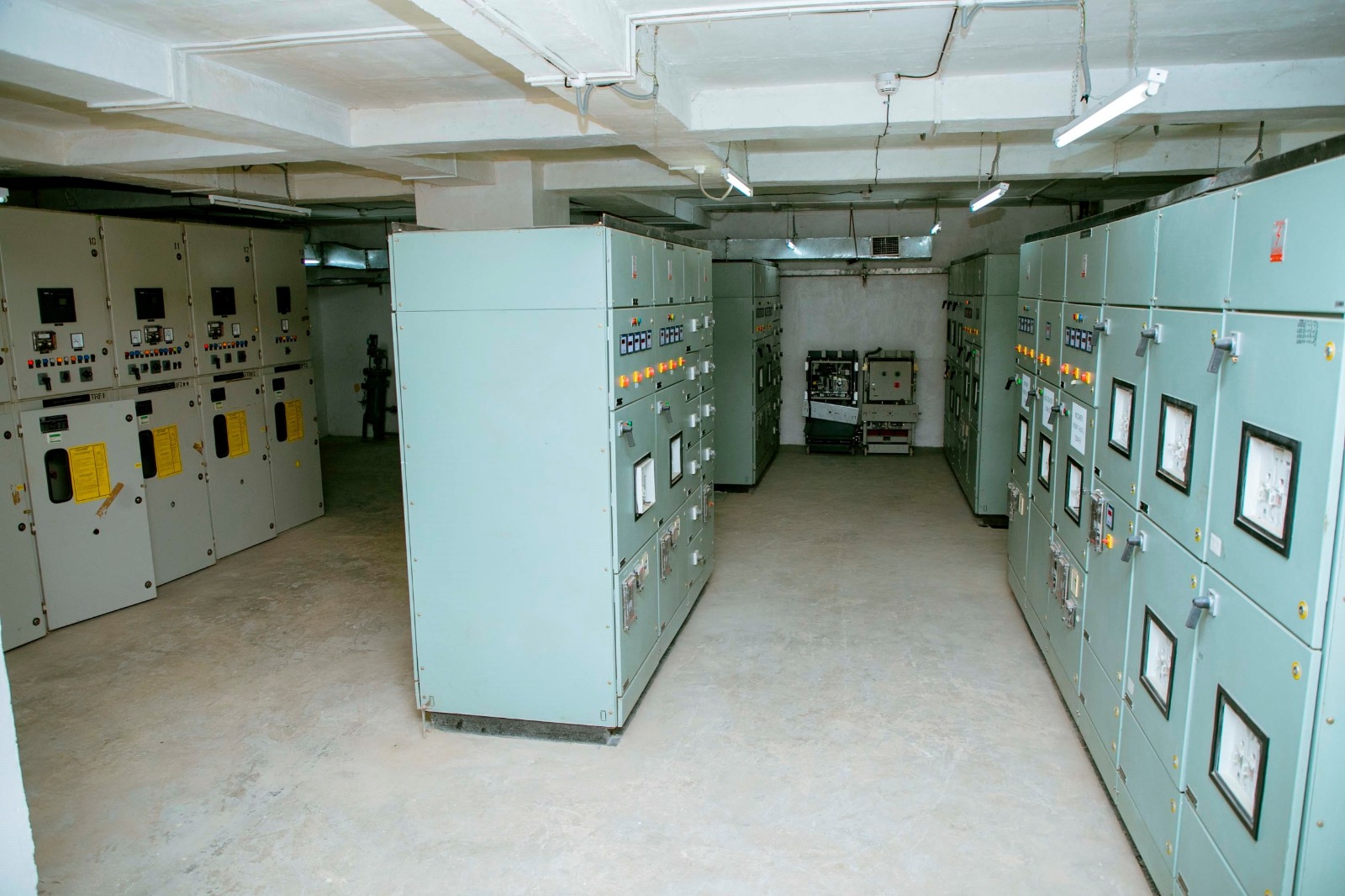
Rwanda’s progress comes amid wider efforts across Africa to extend electricity connections to underserved communities.
The International Energy Agency (IEA), in an update published on November 12, 2026, estimates that eight million fewer people in Sub-Saharan Africa were living without electricity in 2025, marking the region’s largest annual improvement since 2000.
Kenya recorded one of the strongest gains, with approximately five million people gaining electricity access during the year. Mozambique, Senegal and Uganda also recorded increases of more than five percentage points in their electricity access rates.
The IEA reports that 25 of the 50 countries in Sub-Saharan Africa achieved faster electrification progress in 2025 than their average annual performance between 2010 and 2019.
Nevertheless, the improvement remains uneven. In 20 countries, population growth exceeded the number of people gaining electricity access, meaning the number of people without electricity continued to rise.
Significant differences across African countries
The World Bank’s latest comparable country-by-country figures, covering 2024, illustrate the considerable differences in electricity access across Africa.
North African countries including Morocco, Algeria, Tunisia and Egypt had achieved 100 per cent access to electricity. In Sub-Saharan Africa, Gabon recorded 95.1 per cent, Ghana 91.9 per cent and South Africa 90.2 per cent.
Senegal stood at 82.9 per cent, Kenya at 77 per cent, while Rwanda recorded 72 per cent under the World Bank’s population-based measure. Other East African countries recorded lower figures, with Uganda at 55.3 per cent, Tanzania at 52.4 per cent and Burundi at 20.1 per cent.
The lowest rates were recorded in South Sudan at 5.4 per cent, Chad at 13.4 per cent and Malawi at 15.6 per cent. These figures are for 2024 and should not be confused with the newer 2025 household access statistics reported by REG for Rwanda.
The IEA’s 2025 update provides evidence of further improvements in several countries, although comparable updated national percentages are not yet available for all countries.
Solar energy expands rural access
Off-grid renewable energy is increasingly contributing to electricity expansion, particularly in communities where extending conventional power networks is costly. The IEA estimates that solar home systems provided electricity access to approximately nine million people in Sub-Saharan Africa in 2025, setting a new record.
Countries including Nigeria, Burundi, Ethiopia, Madagascar, Malawi, Tanzania, Uganda and Zambia recorded strong growth in solar home system sales. Mini-grids are also expanding, particularly in Nigeria, Kenya and Uganda.
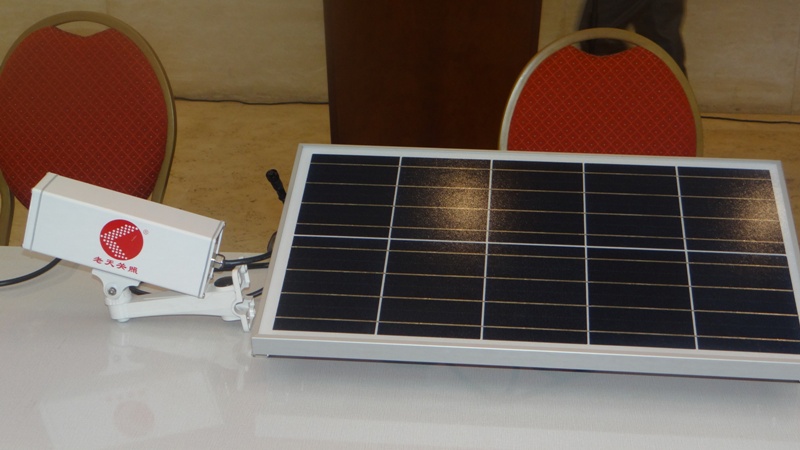
Rwanda has adopted a similar approach by combining national grid connections with solar systems to reach households outside the planned electricity network. The country’s 25.3 per cent off-grid household access demonstrates the importance of alternative energy solutions in achieving wider coverage.
Electricity access and economic transformation
Expanding electricity access is important for Rwanda’s ambitions to strengthen manufacturing, agricultural processing, digital services and small businesses.
Reliable power enables businesses to operate machinery, preserve agricultural products, improve productivity and reduce dependence on costly alternative energy sources. It also supports schools, healthcare facilities and other essential public services.
However, expanding connections must go hand in hand with improving the reliability and affordability of electricity. The IEA reports that the share of businesses experiencing electricity outages in Sub-Saharan Africa increased from 74 per cent to 79 per cent.
It also estimates that approximately 75 per cent of electricity utilities in the region are in poor financial health, limiting their ability to maintain and expand infrastructure.
At the continental level, the World Bank and African Development Bank are working through Mission 300, an initiative targeting electricity connections for 300 million people in Africa by 2030.
The World Bank invested US$960 million in electricity access under the initiative in 2025, with spending expected to increase to US$2.5 billion in 2026. For Rwanda, reaching universal electricity access by 2029 will require sustained investment in generation, transmission, distribution and off-grid renewable energy.
The country’s progress shows that combining grid expansion with solar solutions can accelerate household connections. The next challenge is to ensure that electricity is not only accessible but also reliable and affordable enough to support businesses, create jobs and drive economic transformation.