































































































































By Rene Anthere Rwanyange
Global food commodity prices increased in August 2026 as tightening supplies, strong demand, adverse weather and trade disruptions added pressure to food markets, while several African regions faced worsening food insecurity.
The Food and Agriculture Organization (FAO) a specialized agency of the United Nations, Food Price Index (FFPI) rose 1.9 per cent from July to 133.3 points, with prices increasing across all major commodity groups. Sugar recorded the sharpest increase at 11.9 per cent, followed by cereals at 2.2 per cent, dairy at 2.3 per cent, meat at 1.0 per cent and vegetable oils at 0.6 per cent.
The International Growth Centre (IGC) Grains and Oilseeds Index also increased sharply, rising 9.4 per cent month-on-month and 21.7 per cent compared with August 2025. Wheat and soybean prices led the increase, while maize, barley and rice also recorded gains. Reduced production forecasts for the 2026/27 season, adverse weather in Europe and disruptions to Black Sea exports contributed to the tightening of global grain markets.
Mixed food prices in Eastern Africa
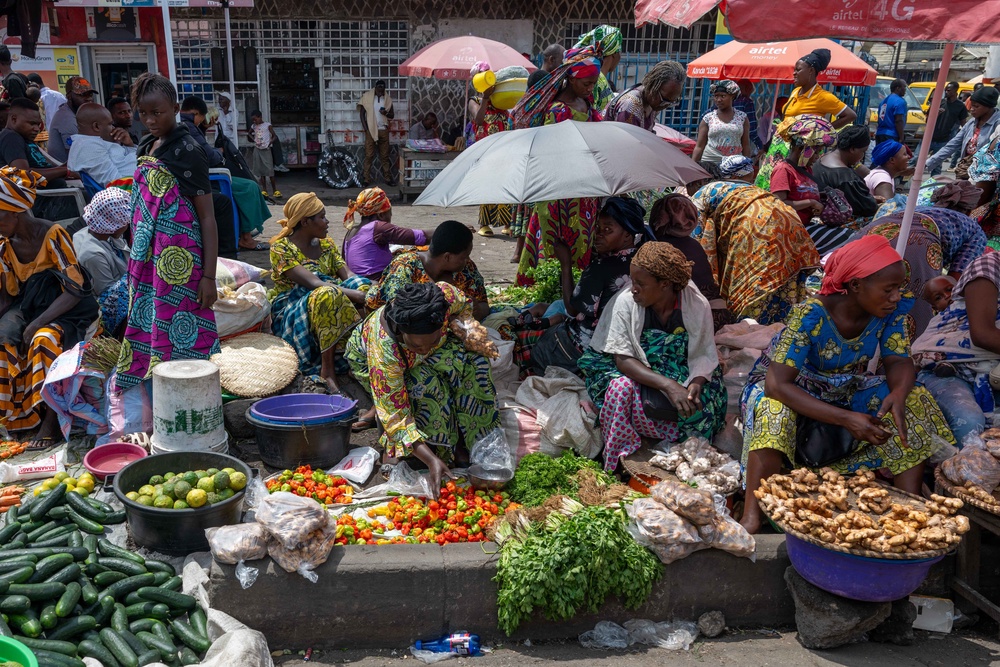
In Eastern Africa, staple food markets showed mixed movements in August, with improved supplies helping to reduce maize prices in several countries.
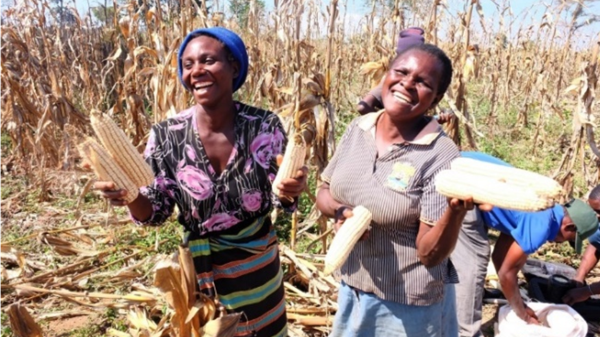
Maize prices fell by 10.1 per cent in Kenya, 6.8 per cent in Ethiopia, 4.4 per cent in Tanzania and 4.3 per cent in Rwanda, mainly because of harvest inflows and improved market availability. Uganda, however, recorded a 2.7 per cent increase as regional demand strengthened and domestic supplies tightened.
Rice prices remained largely stable, while wheat prices declined in Kenya and Ethiopia. Bean prices were generally stable or moderately higher, although Rwanda remained an exception, with bean prices still above their levels a year earlier.
Southern and West African markets also recorded divergent trends, reflecting differences in harvests, supply conditions, exchange rates and regional trade.
Food insecurity deepens
As stated by AGRA, the August 2026 Food Security Monitor states that despite some improvements in food availability, food insecurity continues to deteriorate in parts of Africa.
In East Africa, climate shocks, conflict, displacement, high food prices and weak household purchasing power are putting millions of people at risk. Ethiopia continues to experience widespread Crisis-level food insecurity, particularly among pastoralists, displaced people and conflict-affected communities.
Kenya is also facing elevated food insecurity in refugee settlements and pastoral areas, while South Sudan remains among the countries facing the most severe food security crises, with widespread Emergency conditions and localized risks of Catastrophe or Famine.
Uganda continues to face Crisis conditions in Karamoja and among refugee populations, while anticipated weather extremes are expected to further undermine agricultural production, livelihoods and market access through early 2027.
Southern Africa faces a similarly difficult outlook. Malawi, Mozambique and Zimbabwe are expected to experience increasing food insecurity during the October 2026 to January 2027 lean season, driven by high food prices, weakened purchasing power and declining livelihood opportunities.
Zambia remains relatively food secure because of strong harvests and adequate supplies, although some vulnerable households remain under pressure.
El Niño Raises New Risks
Climate risks are expected to intensify the food security challenge.
The report says a powerful El Niño event is developing in the Pacific and could become one of the strongest on record during the 2026/27 season. The National Oceanic and Atmospheric Administration (NOAA), an Agency in the United States Federal Government, estimates a greater than 90 per cent probability of its continuation and a 69 per cent chance of it surpassing all El Niño events recorded since 1950.
Southern Africa could face below-normal rainfall and above-average temperatures during the coming cropping season, threatening crop establishment, yields and farmer incomes despite an above-average 2026 cereal harvest.
In East Africa, recurrent droughts, heatwaves and erratic weather are already affecting crop and livestock production, while wetter conditions could increase flood risks and infrastructure damage.
The combination of climate shocks, conflict, economic pressures and displacement is expected to worsen food insecurity across Africa, highlighting the need for early preparedness, climate adaptation and stronger resilience measures.
Regional trade offers some relief
At the same time, regional investments are expected to strengthen food and trade systems.
The African Development Bank Group approved a $255 million loan and a $10 million grant in August to support Zambia’s participation in the Lobito Economic Corridor. The project will finance 550 kilometres of railway infrastructure, road upgrades and trade facilitation measures intended to reduce logistics costs, attract investment and create jobs.
Kenya and the Democratic Republic of Congo are also advancing digital integration through a 2,000-kilometre Goma-to-Mombasa fibre corridor and the integration of Kenya’s Pesalink payment platform with the Pan-African Payment and Settlement System.
Meanwhile, the African Organization for Standardisation has launched the Africa Quality Mark to reduce duplicate product testing and inspections and improve market access under the African Continental Free Trade Area.
These initiatives could help reduce trade and logistics costs and strengthen regional markets, but Africa’s food security outlook remains highly exposed to climate shocks, conflict and economic pressures.
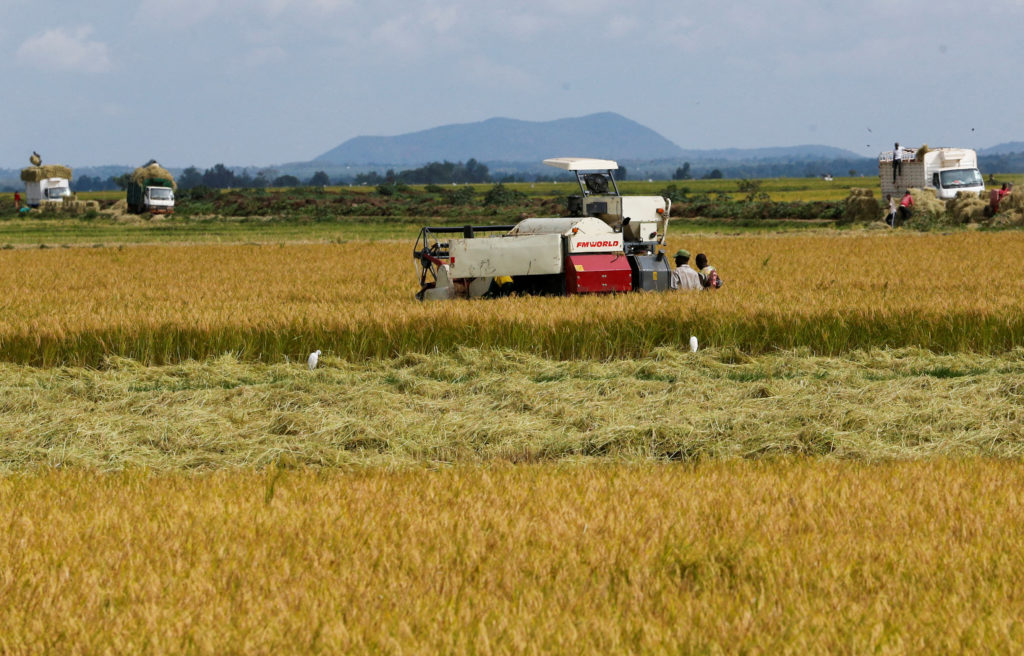
A paddy harvester cuts rice following effects of the worsening drought due to failed rain seasons, in Mwea, Kenya November 30, 2022. REUTERS/Thomas Mukoya.