By Rene Anthere Rwanyange
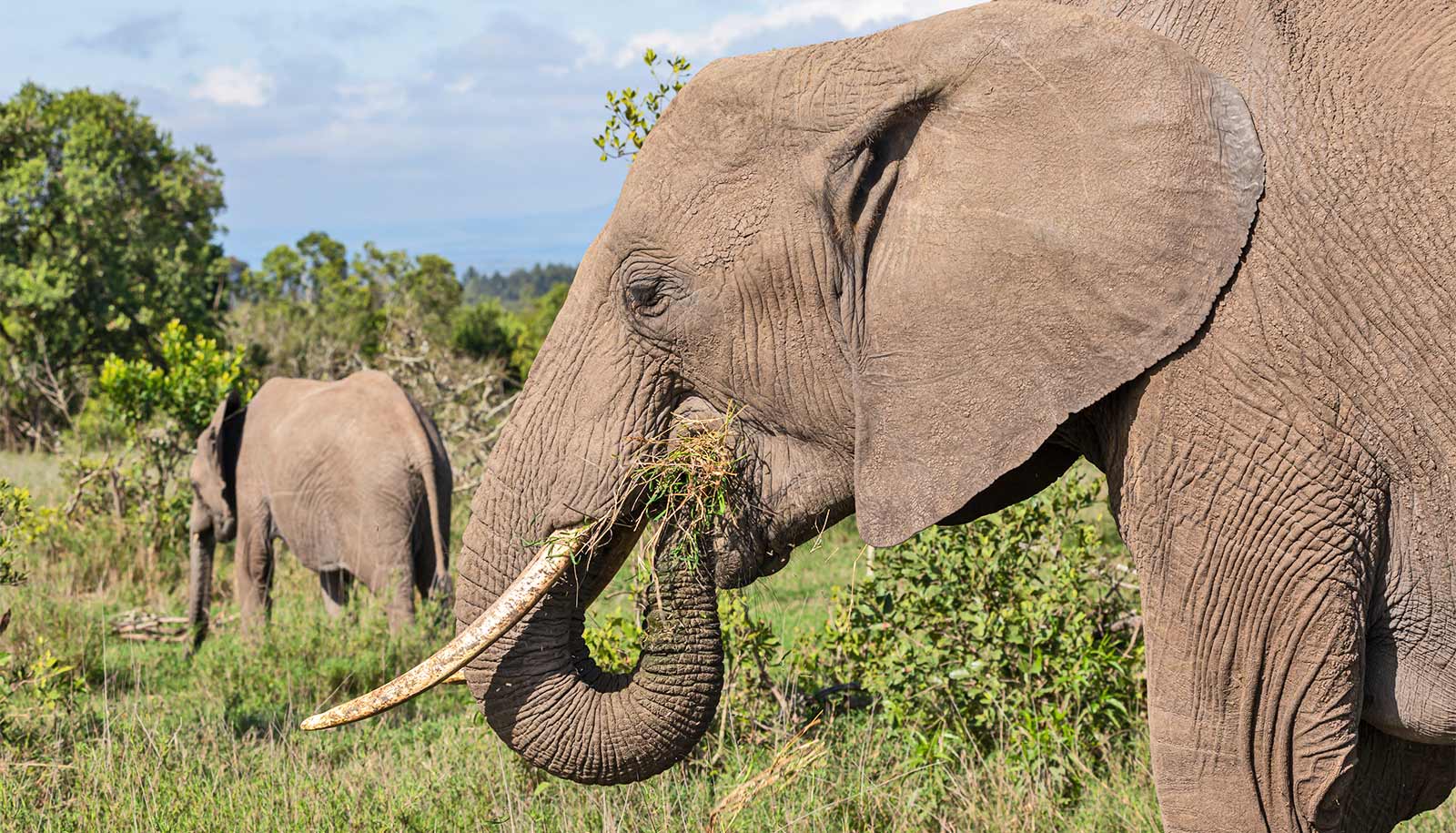
African elephants appear to use medicinal plants to treat themselves and their young, according to a new study based on knowledge from communities living alongside the animals in Kenya’s Mount Elgon region.
The research identified 35 plant species that elephants reportedly use, with 25 of them already known locally for their medicinal properties, BBC News reported.
The findings offer new evidence that elephants may select particular plants when they are sick, adding to growing scientific interest in how animals use nature to manage illness and injury.
Mount Elgon’s elephants are already known for unusual behaviour. They enter caves and use their tusks to scrape rocks to obtain minerals, earning them the name “salt-mining elephants.”
Researchers now believe the elephants also make use of medicinal plants found in the surrounding forest.
The study was conducted by researchers working with the Mount Elgon Foundation, a conservation organisation. Scientists interviewed local people, including wildlife scouts and community elders, who have observed elephants closely over many years.
Their accounts included reports of elephant mothers giving medicinal plant material to their calves.
One wildlife scout described elephants using a plant known as Angurweet as medicine for young elephants. The plant is locally used to treat ailments including stomach pain.
According to the testimony, elephant mothers remove and chew the leaves and combine them with roots from other trees. The scout said mothers had been observed mixing the plant material with their own milk before giving it to their calves.
However, researchers caution that such observations require further scientific verification.
Professor Michael Huffman, a primatologist at Nagasaki University who was not involved in the study, described the account as intriguing but said more evidence would be needed to establish whether elephants deliberately provide specific medical treatment to their young.
The researchers are now working to gather that evidence. They have provided local wildlife experts with cameras to document elephants’ behaviour and are studying the plants used by the animals.
Dr Fabien Schultz, a lead researcher from the Bernhard Nocht Institute for Tropical Medicine in Hamburg, told BBC News that local knowledge had provided researchers with a starting point for further investigation.
Researchers want to determine whether elephants select particular plants for specific health conditions and whether those plants contain biologically active compounds that could have medicinal value.
Dr Elodie Freymann of Brown University, another lead researcher, told BBC News that the findings highlighted the close relationship between human medicine and the natural world.
The study, published in Scientific Reports, also points to the importance of protecting forests that provide habitats and potentially valuable medicinal resources.
Scientists have documented animal self-medication for centuries. BBC News noted that Roman writer Claudius Aelian, writing in the third century, described an elephant consuming olive-tree material after being wounded.
Modern research has since found evidence of self-medication in several species, including insects, bees, chimpanzees and other great apes.
For Freymann, the findings underline the importance of conserving natural habitats.
Many medicines used by humans originate from compounds found in trees, algae, fungi and other organisms. Protecting forests could therefore help preserve not only wildlife but also potential sources of future medicines.
The Mount Elgon research suggests that elephants may offer scientists another way of understanding the medicinal properties of plants—and how wildlife itself has learned to use them.