Rene Anthere Rwanyange
Rwanda Non-Communicable Diseases Alliance (RNCDA) has launched a nationwide advocacy and awareness campaign on sickle cell disease, partnering with media houses to combat stigma, correct misconceptions and promote early diagnosis and access to treatment for a condition affecting millions of people worldwide.
RNCDA is stepping up efforts to bring sickle cell disease into the national public health agenda, with a campaign aimed at improving public understanding, encouraging early screening and advocating for better access to care.
The initiative seeks to address gaps in knowledge about the inherited blood disorder, which can cause severe pain, serious health complications and a significant financial and emotional burden on patients, families and healthcare systems.
“Raising awareness and improving newborn screening can help identify affected children early, allowing families and health professionals to begin appropriate care before serious complications develop.”
Through partnerships with media houses, the alliance aims to reach communities with accurate information, challenge myths surrounding the disease and reduce discrimination against people living with the condition.
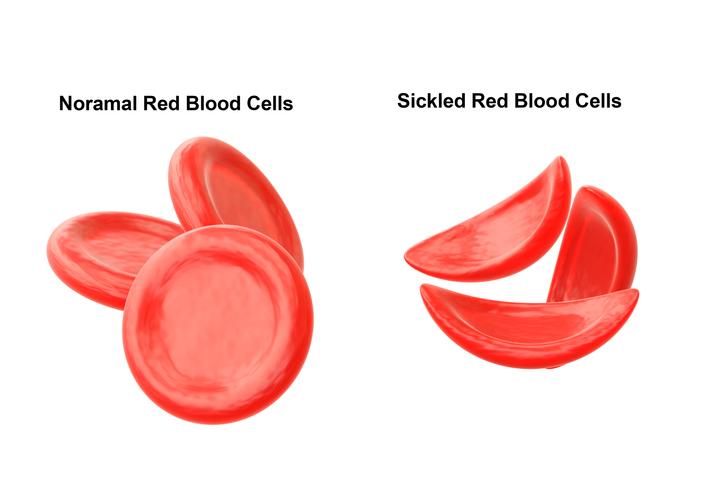
Sickle cell disease is a genetic disorder that affects haemoglobin, the protein in red blood cells responsible for carrying oxygen around the body. The condition causes some red blood cells to become rigid and crescent-shaped, making them more likely to block blood vessels and break down prematurely.
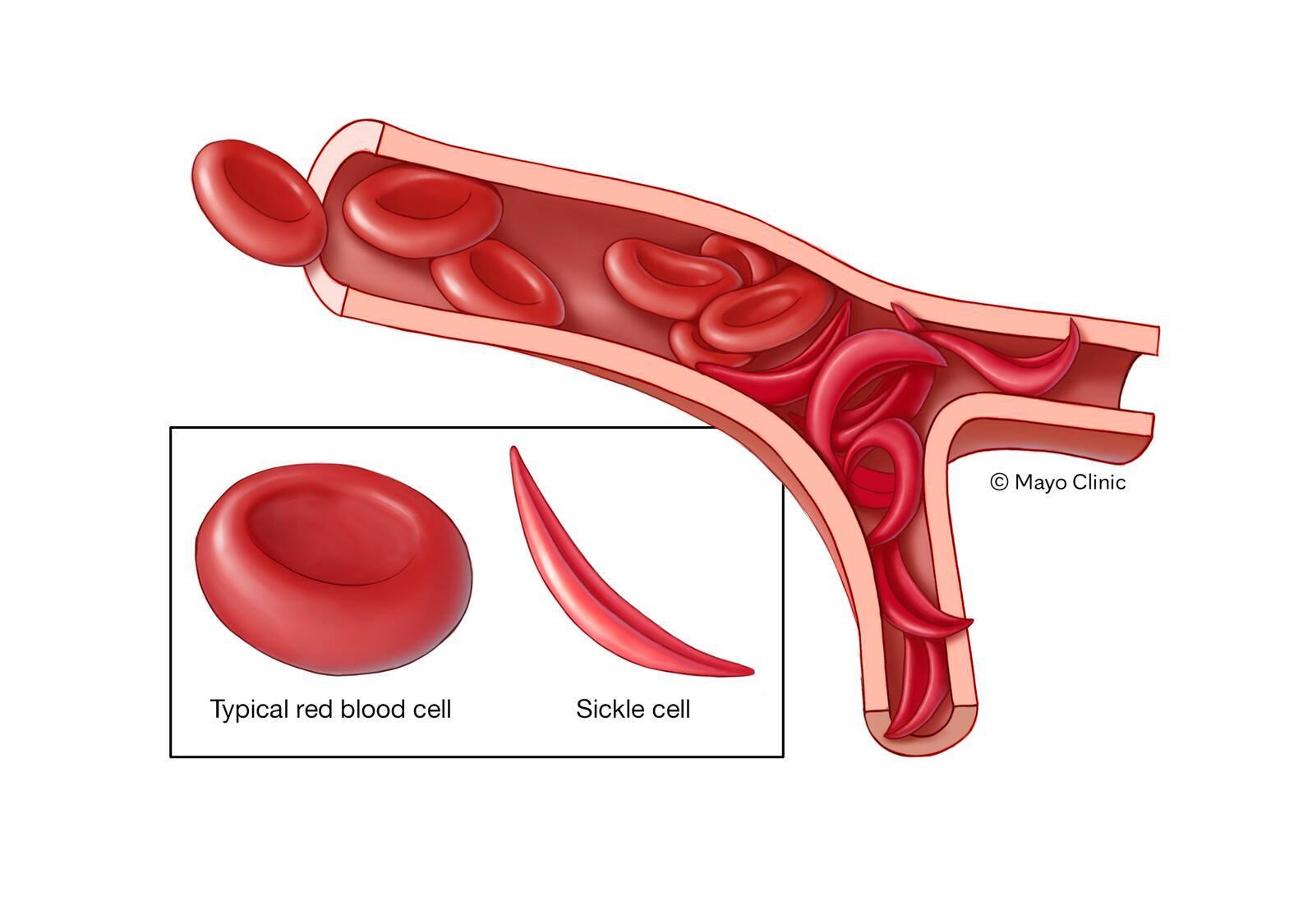
These changes can lead to anaemia, recurrent pain and potentially life-threatening complications. Despite its impact, the disease remains underdiagnosed in many settings, particularly where newborn screening and access to specialised healthcare are limited.
According to the campaign information provided by RNCDA, more than 7.7 million people worldwide live with sickle cell disease, while more than 500,000 babies are born with the condition each year. Nearly 80 per cent of these births occur in sub-Saharan Africa.
The burden is particularly concerning for children who do not receive timely diagnosis and appropriate care. Early identification, vaccination, preventive antibiotics where indicated and medicines such as hydroxyurea can help reduce complications and improve survival.
Without appropriate interventions, children with severe forms of the disease face a higher risk of serious illness and premature death.
RNCDA says the campaign will place greater emphasis on newborn screening, access to essential medicines and equitable healthcare services across Rwanda’s districts. It also seeks to encourage stronger cooperation among government institutions, healthcare professionals, community organisations and the media.
The alliance argues that public awareness is essential to ensuring that families recognise the condition, seek medical advice early and understand the importance of continued treatment and follow-up care.
Media engagement is expected to play a central role in communicating reliable health information, sharing experiences of affected families and challenging the stigma that can prevent people from seeking support.
The campaign also calls on policymakers and healthcare advocates to prioritise sickle cell disease within broader efforts to prevent and manage non-communicable diseases.
Rwanda Non-Communicable Diseases Alliance (RNCDA) maintains that no child or adult should face avoidable suffering because of delayed diagnosis, limited access to essential treatment or a lack of public awareness.
By bringing sickle cell disease into wider public discussion, the alliance aims to turn awareness into practical action that strengthens early detection, improves treatment access and supports people living with the condition.
The initiative calls on communities, health professionals, policymakers and media organisations to work together to ensure that people affected by sickle cell disease receive timely diagnosis, appropriate care and the support they need to live healthier lives.
Rwanda NCD Alliance is a network that brings organisations together to raise awareness, advocate for better healthcare and improve the lives of people affected by non-communicable diseases in Rwanda.
Sickle cell refers to an inherited condition that affects red blood cells, which carry oxygen throughout the body.
Normally, red blood cells are round, soft and flexible. In someone with sickle cell disease, some red blood cells become stiff and curved like a crescent moon or the blade of a sickle, a traditional farming tool. That is where the name comes from.
What happens in the body?
- Normal red blood cells move easily through blood vessels and carry oxygen to the body’s organs.
- Sickle-shaped cells can block small blood vessels, causing pain and reducing the supply of oxygen to tissues.
- These abnormal cells also break down faster than normal, which can cause anaemia, leaving a person tired or weak.
How does someone get sickle cell disease?
- It is inherited from parents through genes.
- It is not contagious; you cannot catch it from another person.
- A person can have sickle cell disease if they inherit certain disease-causing haemoglobin genes from both parents.
- Someone who inherits one sickle cell gene and one normal haemoglobin gene usually has sickle cell trait. They generally do not have the disease, but can pass the gene to their children.
Can it be treated?
There is currently no widely available cure for everyone, but treatments can help people manage the condition and prevent serious complications. Early diagnosis, vaccination, appropriate medicines and regular medical care are important.