









































































Our Contributor
A Ugandan microbiologist tracking invisible warning signs in freshwater and a Rwandan tree physiologist testing the limits of Congo Basin forests are the 2026 winners of Africa’s early-career conservation science award
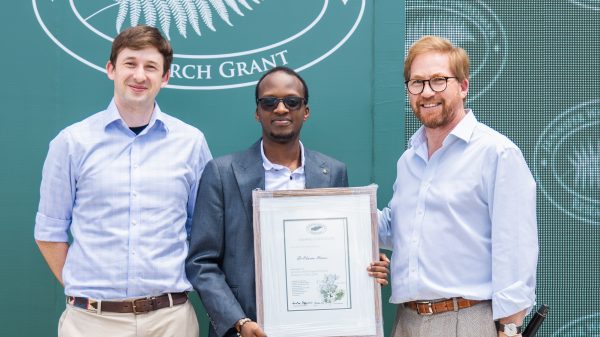
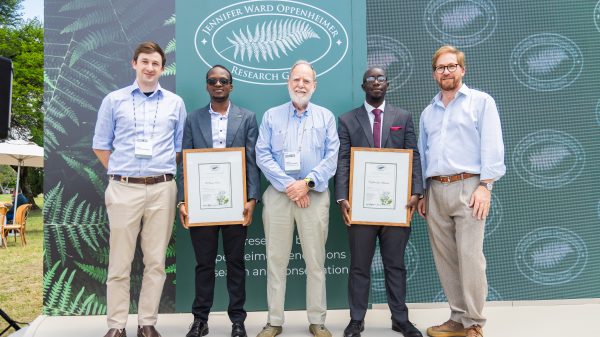
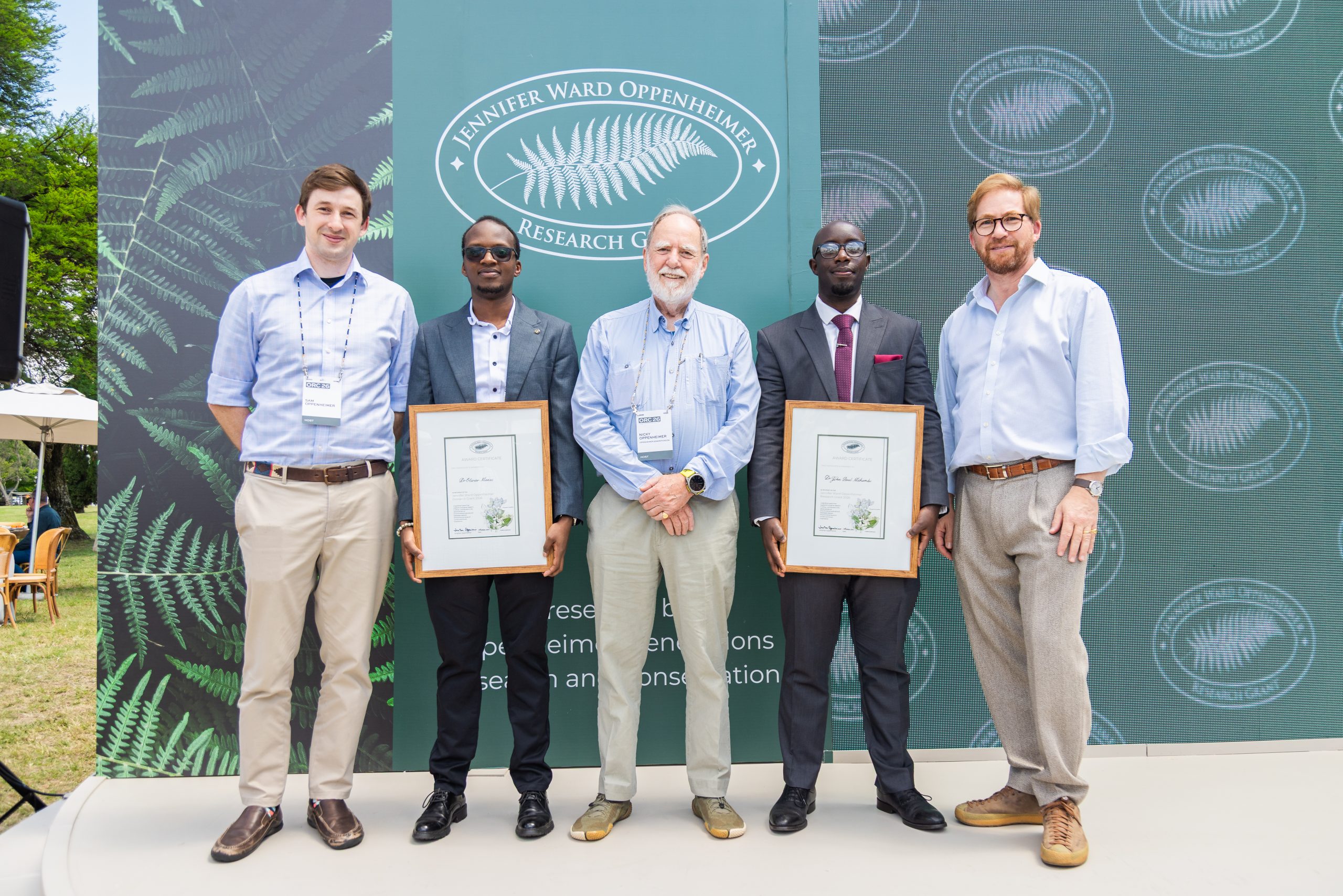
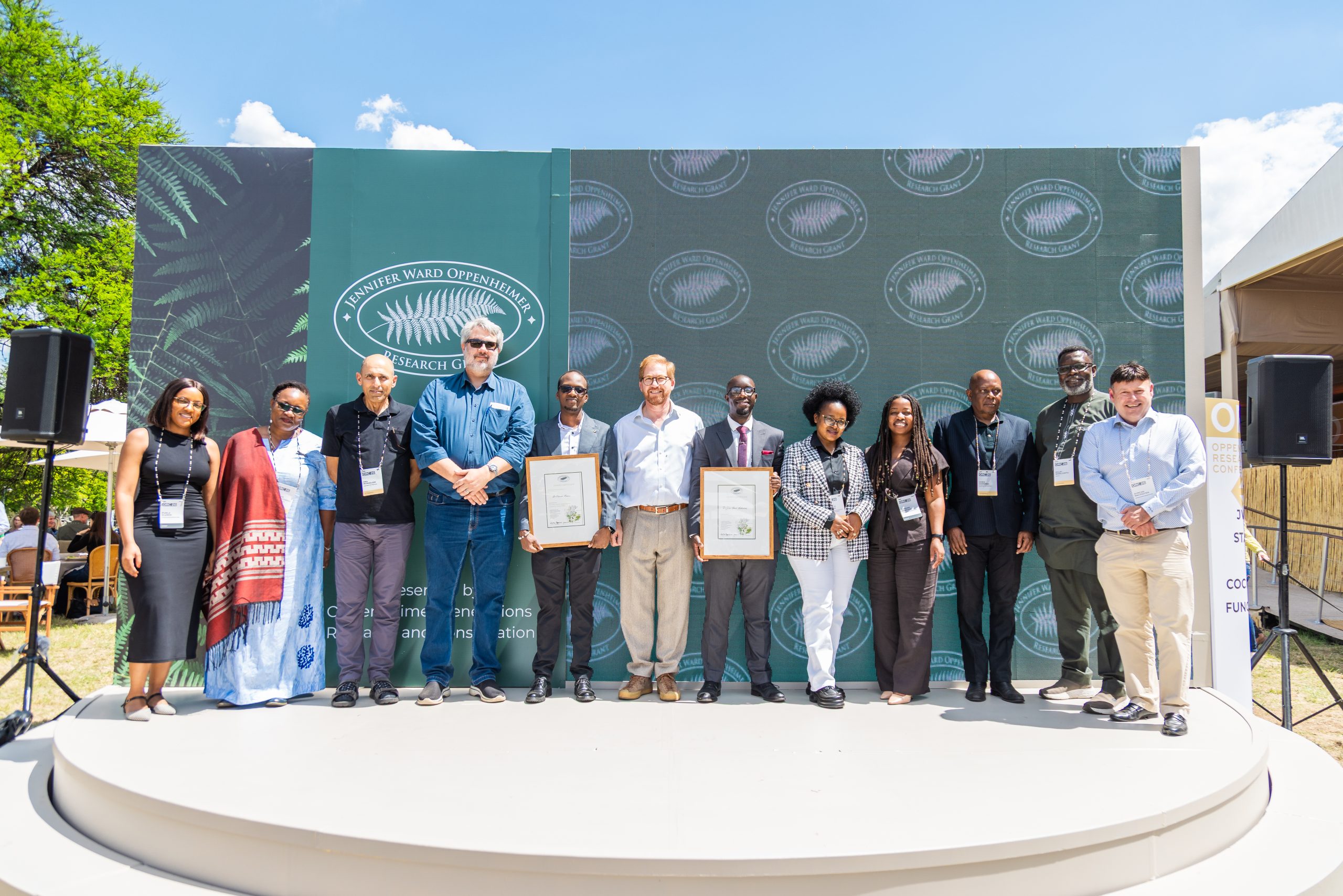
Dr John Paul Makumbi and Dr Olivier Jean Leonce Manzi have been named the 2026 winners of the Jennifer Ward Oppenheimer (JWO) Research Grant, announced at the Oppenheimer Research Conference in Midrand today (Wednesday, Oct 7).
Each will receive a full grant of USD 150,000 (about R2.6 million) to fund an Africa-led research project for up to three years.
The two researchers, both aged 33, were chosen from 747 applications from across the continent, which organisers describe as one of the most competitive rounds in the grant’s history.
Both winning projects aim to move environmental science from reaction to prediction by finding early signs of ecological decline before it becomes visible.
Reading the signs in Africa’s water
Makumbi, a researcher at Stellenbosch University, is using microbial DNA to build an early-warning system for pollution and ecosystem decline in Africa’s rivers, lakes and wetlands. Microbes respond almost immediately to environmental change, so his team will use genomic analysis and machine learning to look for stress signals, such as genes linked to antibiotic or heavy-metal resistance and disruptions to nutrient cycling.
The work will compare sites under different levels of human pressure: the Lake Victoria basin in Uganda, the Ebrié Lagoon system in Côte d’Ivoire, the Blue Nile in Ethiopia, and heavily used urban waterways in South Africa and eSwatini. The aim is open-access genomic tools that help water managers act before fish die-offs or algal blooms, with implications for freshwater biodiversity, fisheries and drinking-water safety.
Makumbi’s motivation is personal. He grew up on the shores of Lake Victoria near Entebbe, Uganda, and has returned on sampling trips to find widespread eutrophication, invasive water hyacinth and fishing communities reporting declining catches.
Testing the limits of Central Africa’s forests
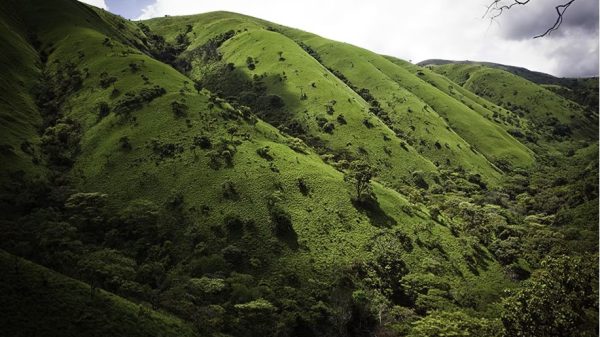
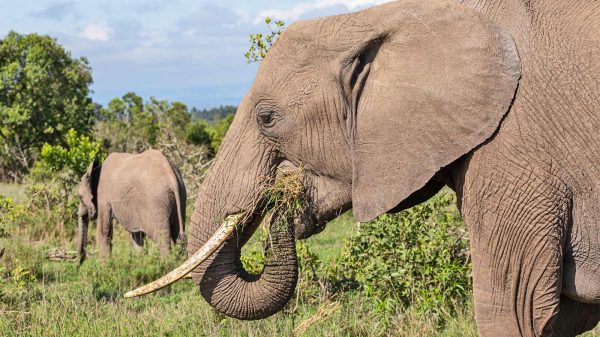
Manzi, a plant ecophysiologist and research fellow at the University of Rwanda, is asking whether Central African forests are truly resilient to rising heat and drought, or simply have not yet reached a tipping point. African tropical forests have not so far shown the dramatic climate-driven dieback seen in the Amazon, but little data exists to explain why.
His project will generate the first continent-scale dataset on the hydraulic and thermal thresholds of Central African tree species. It will be open-access and will link tree physiology, field observations and ecosystem modelling.
“In Africa, comparable datasets are sparse, geographically limited, and often generated by researchers based outside the continent,” said Manzi. “This means that some of the regions experiencing the fastest climatic change have the least empirical evidence on how their forests will respond.”
Both researchers have committed to building African research capacity. Manzi, who was stranded in Rwanda for almost a year during his PhD by visa and administrative problems, plans to involve students directly in fieldwork, laboratory work and modelling. Makumbi’s project includes training postgraduate researchers and technical staff in each participating country.
The JWO grant’s overarching goal is research that facilitates solutions to African challenges, fosters collaboration across borders and strengthens the next generation of African researchers.
Dr Duncan MacFadyen, Head of Research and Conservation at Oppenheimer Generations, said this year’s applications had been judged on scientific rigour, feasibility and the applicant’s ability to deliver, the extent of pan-African collaboration, and the contribution to developing future research capacity on the continent.
Commending the two winners, MacFadyen said: “With 747 applications from across the continent the review process needed to be extremely stringent. For the first time, we made the decision to award the grant to two researchers, reflecting how equally deserving and compelling their proposals were. John Paul and Olivier represent the kind of African-led science we want to champion: ambitious, forward-looking research that can build knowledge, develop people and ultimately help the continent respond more effectively to environmental change.”
The grant honours the late Jennifer Ward Oppenheimer and her passion for Africa, the environment and science. It is a member of Oppenheimer Generations, a community of commercial ventures and not-for-profit organisations representing the global interests of the Nicky and Jonathan Oppenheimer family. Previous recipients include Dr Hayley Clements, Dr Bernard Coetzee, Dr Gideon Idowu, Dr Elizabeth Le Roux, Dr Lovamenjanhary Marline, Dr Shannon Conradie and Dr Nompumelelo Baso.
ENDS