By Rene Anthere Rwanyange
A Romanian university is demonstrating how research can move beyond academic theory to create practical skills, innovation and business opportunities. Its model is attracting interest from East African University Rwanda (EAUR), which is exploring ways to strengthen the link between higher education and industry.
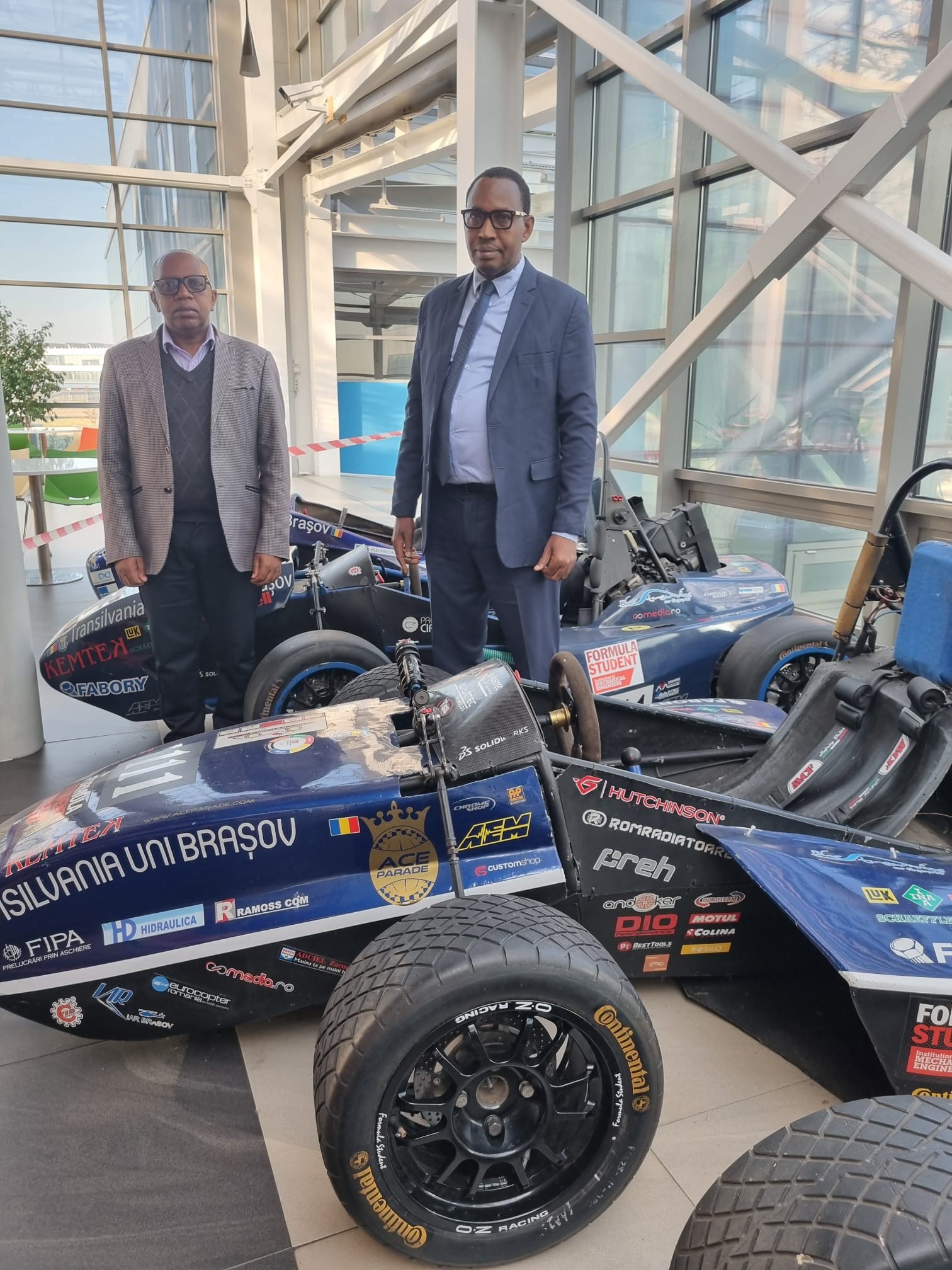
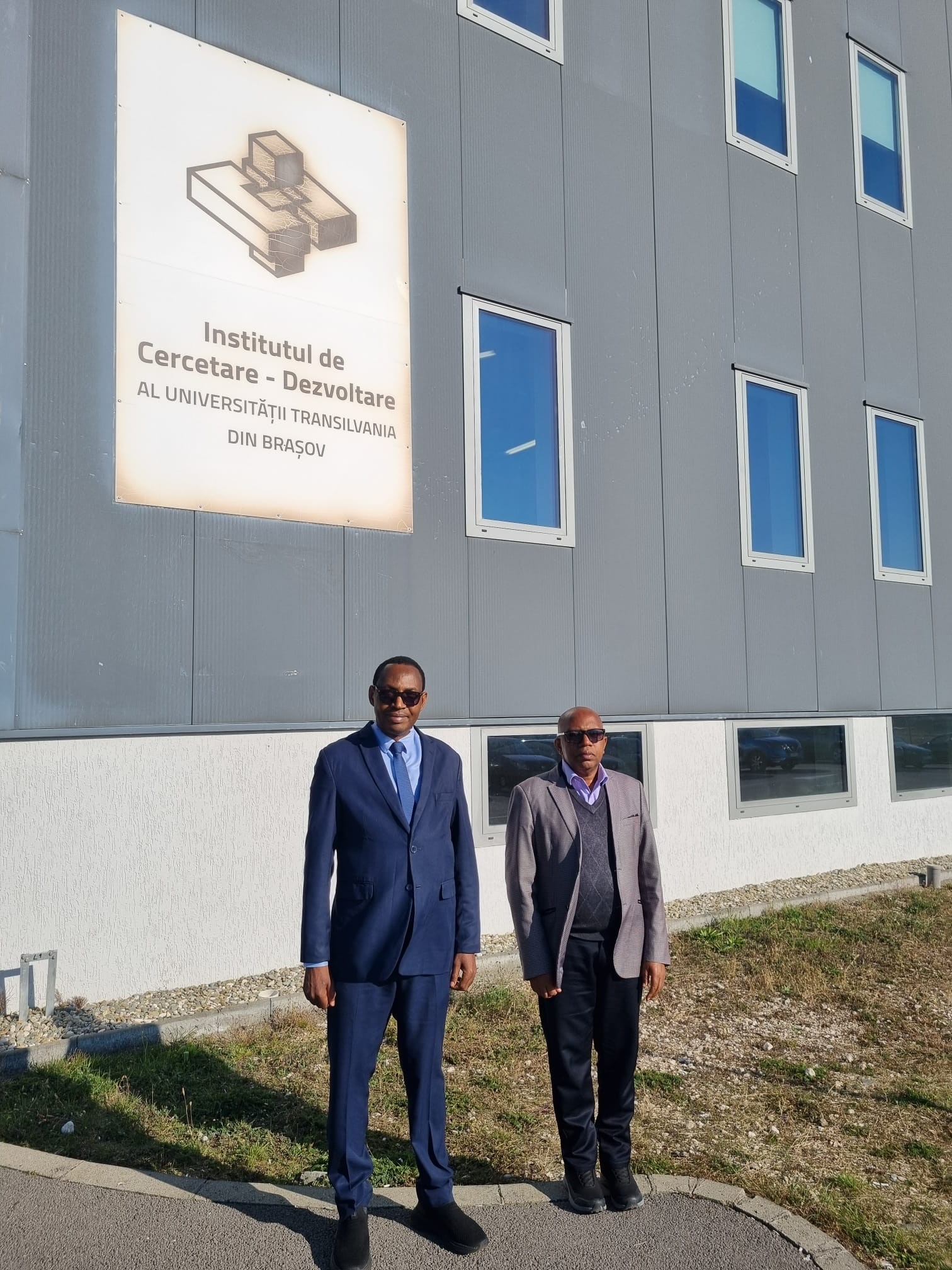
Led by Vice Chancellor Professor Callixte Kabera, an EAUR delegation visits the Research and Development Institute of Transilvania University of Brașov on November 10, 2026. The visit offers an opportunity to examine how universities can bring students, lecturers, researchers and private companies together to advance innovation.
The delegation also includes Jean Baptiste Hategekimana, a Consultant Lecturer at EAUR. Professor Florin Nechita accompanies the visitors and introduces them to the institute’s facilities, research activities and partnerships.
Professor Nechita explains that the institute emerges from a structural funds project. Its primary goal is to strengthen the university’s competitiveness in national and international research. But the ambition goes further.
The university also seeks to build stronger ties with the regional business community. It does so through technology transfer and applied research that responds to industry needs.
“The development of the Research and Development Institute also aimed at anchoring the university in the region’s business environment through technology transfer and the development of applied research in close connection with local and regional research, development and innovation needs,” Professor Nechita explains.
The institute provides a dedicated space for research, experimentation and testing. It brings academic researchers closer to businesses and practical applications.
Unlike conventional university facilities, the institute operates outside the university’s main teaching buildings and campus. Professor Nechita describes this as a strategic decision to improve performance in fundamental and applied research.
“Establishing the Research and Development Institute as a space for research, experimentation and testing outside the university buildings and campus was a strategic decision to stimulate performance in fundamental and applied research,” he says.
The facility also concentrates advanced technological equipment in one location. It accommodates several research centres covering different disciplines. This encourages researchers to share expertise and work across academic fields.
Another priority is collaboration with private companies. The institute provides space for joint research teams. This allows businesses and academics to work together on research, development and innovation projects.
Bringing universities closer to businesses
The presence of private companies within the institute particularly interests the EAUR delegation. The arrangement creates direct links between academic learning and the workplace. Students and lecturers can interact with professionals, observe production processes and gain practical experience. It also allows companies to benefit from university expertise and research facilities.
The delegation takes particular interest in the activities of V!z!b!l and Brasov Metropolitane. The two creative enterprises produce films and other audiovisual content for commercial purposes. Their activities demonstrate how research facilities can support creative industries alongside scientific and technological innovation.
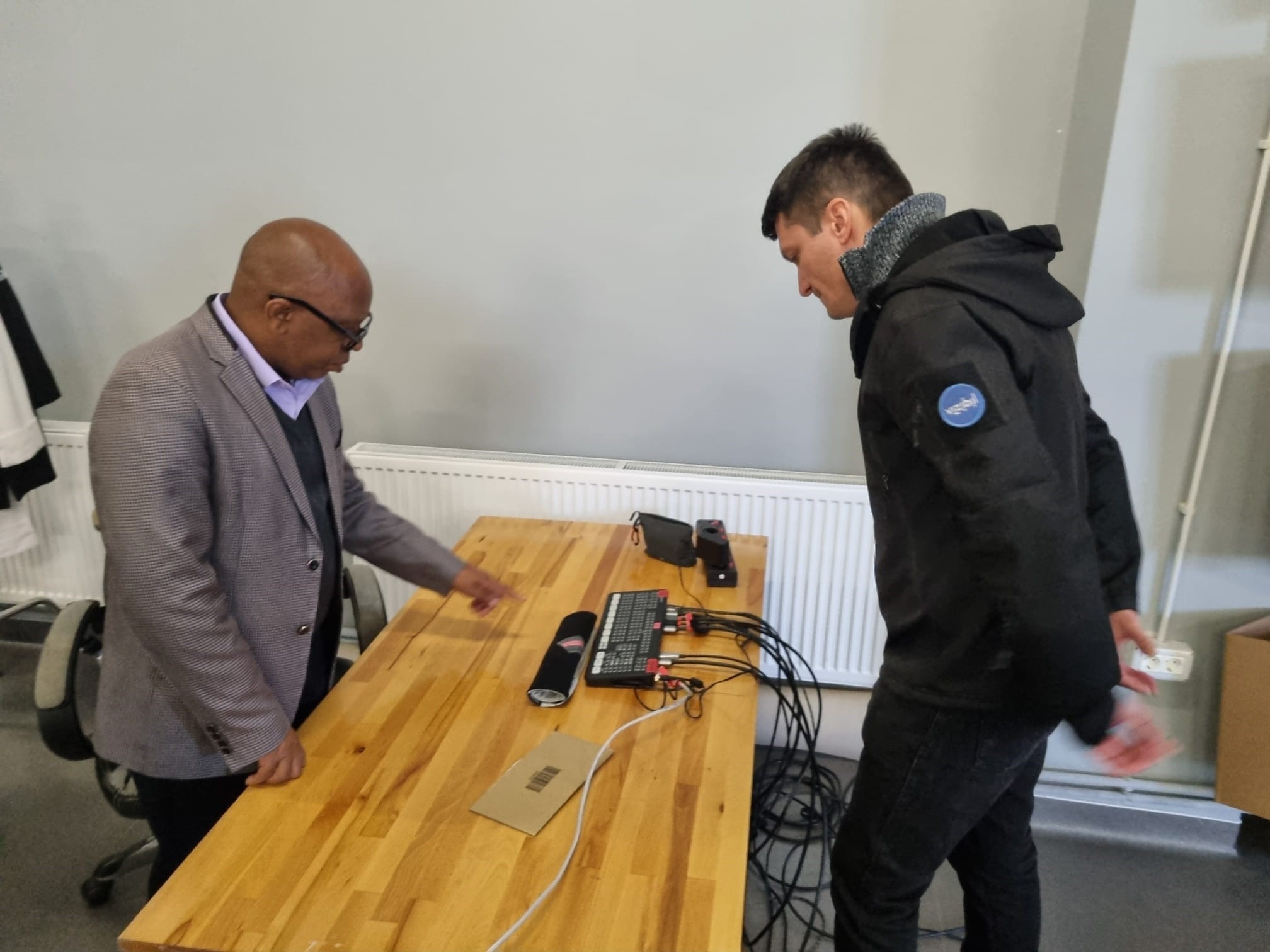
During the tour, Loan Braghesiu, co-founder of V!z!b!l, explains to Lecturer Hategekimana Jean Baptiste how modern mixing equipment supports film and podcast production. The demonstration gives the visitors an insight into professional audiovisual production. It shows how modern technology supports sound management and content development.
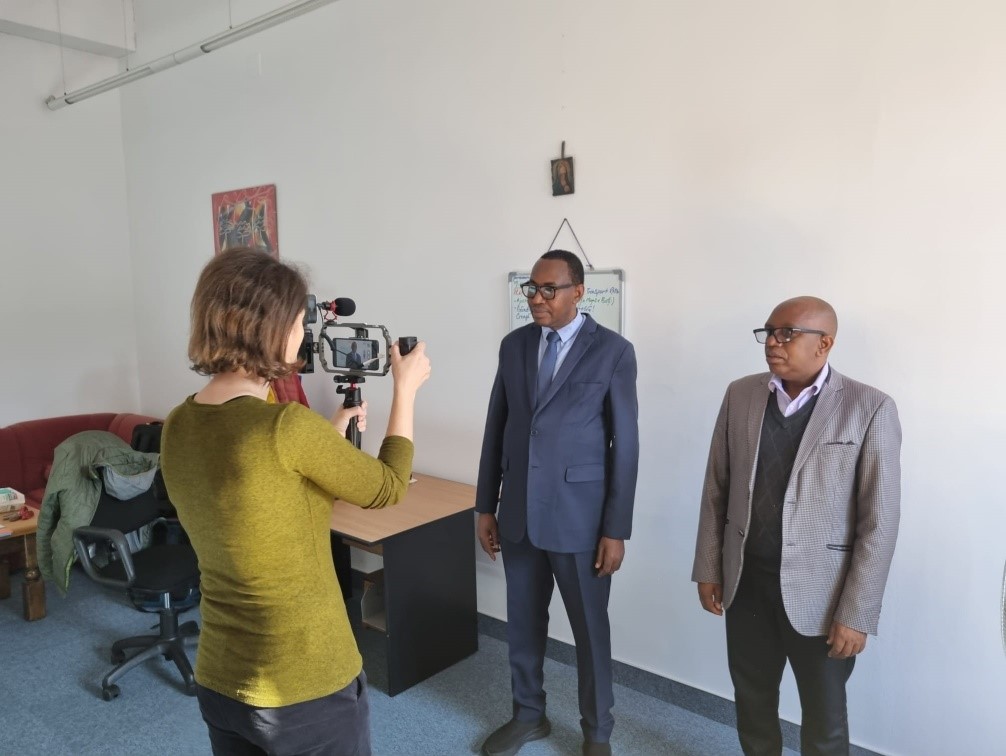
Nearby, Mihaela Pargher is engaged in photography and video recording. Her work provides another example of how technical equipment and creative skills combine in commercial production.
These activities offer the EAUR representatives a practical illustration of how universities can support professional skills development. They also show how students and lecturers can benefit from exposure to real business operations. The model extends the role of universities beyond classroom teaching. It creates opportunities for entrepreneurship, practical training and commercial innovation.
A distinctive research model in Romania
Transilvania University of Brașov is the only university in Romania to have established its own multidisciplinary research institute. Completed in 2013, the institute represents a major investment in Romania’s research infrastructure. At the time, it was the largest research infrastructure investment undertaken by a Romanian university through European funds.
Its multidisciplinary structure brings together researchers from different fields. It promotes shared technological resources and encourages collaboration with businesses. The facility also strengthens the university’s contribution to regional economic development. Companies gain access to research expertise. Researchers engage with industry needs. Students gain exposure to practical applications.
For EAUR, the visit offers an opportunity to examine a model that connects research, education and business. It also highlights the importance of modern equipment and partnerships in preparing graduates for the labour market.
Universities face growing pressure to produce graduates with practical and technical skills. Academic knowledge alone is not enough. Students also need opportunities to apply what they learn.
The Romanian model demonstrates how research infrastructure can help bridge this gap. It brings academic expertise closer to industry and commercial applications.
The visit highlights the potential of university-based research institutes to serve as more than centres of academic excellence. They can also drive innovation, entrepreneurship, technology transfer and economic development.