By Rene Anthere Rwanyange
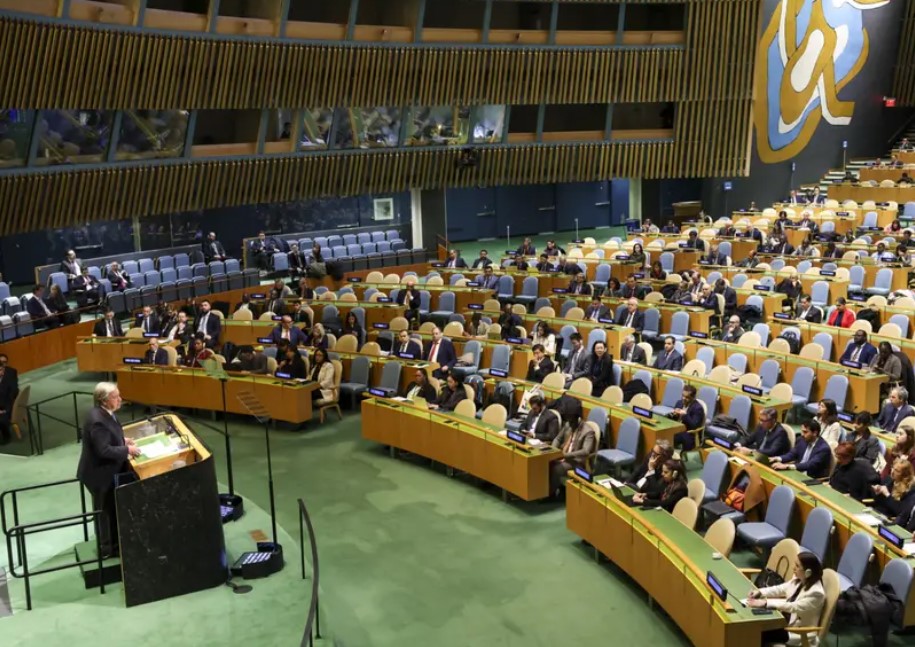
Africa is using the 81st United Nations General Assembly (UNGA) to renew its call for climate finance, as countries across the continent struggle to protect food systems, infrastructure and livelihoods from worsening climate shocks.
The UNGA General Debate opens on September 22, with climate action and a just transition among the issues receiving high-level attention. For Africa, the discussions come against a major financing gap that threatens the implementation of national climate plans.
African countries need an estimated US$277 billion a year to implement their climate commitments, but only about US$30 billion is currently available annually, leaving a financing gap of approximately US$247 billion every year, according to figures presented during UNGA discussions on sustainable investment and climate finance.
The gap is emerging as African economies face multiple pressures, including high debt, expensive borrowing, infrastructure deficits, food insecurity and limited fiscal space.
Climate crisis, development crisis
Africa’s climate-finance demand is also linked to the continent’s limited contribution to global emissions. African countries account for less than 4% of global greenhouse-gas emissions, yet the continent is highly exposed to droughts, floods, extreme heat and changing rainfall patterns.
These shocks increasingly have direct economic consequences. Drought can reduce agricultural output and raise food prices. Floods can destroy roads, homes and productive assets. Extreme weather can disrupt energy systems and place additional demands on already stretched government budgets.
This makes climate finance more than an environmental issue. For Africa, it is increasingly a question of economic development, food security and poverty reduction.
The UN Office of the Special Adviser on Africa has highlighted the need for reforms to the international financial system, including action on debt vulnerabilities, the high cost of capital and greater access to climate finance.
The debt problem
African governments are also concerned about the form in which climate finance arrives. The UN Conference on Trade and Development (UNCTAD) says 71% of bilateral climate finance is provided through loans. It has warned that debt pressures can restrict developing countries’ ability to invest in climate resilience.
This has strengthened calls for more grants and concessional finance, particularly for adaptation projects that do not always generate immediate financial returns. The African climate-finance debate is therefore shifting from simply asking “How much?” to also asking “How is it delivered?”
From pledges to investment
The UN Economic Commission for Africa (ECA) has called for climate finance that is predictable, adequate, accessible and does not create additional debt. African institutions are also pushing for climate investment to support local industries, jobs, technology transfer and stronger domestic financial markets.
Private investment will be important, but high perceived risks and borrowing costs continue to make many African climate projects difficult to finance commercially. Public and concessional finance can therefore play a role in reducing investment risks and attracting private capital.
For Rwanda and other African economies, the debate has practical implications. Climate-resilient agriculture, renewable energy, water management, green cities and resilient infrastructure require long-term financing if countries are to meet development goals while adapting to climate change.
Africa wants delivery
The UNGA climate debate ultimately puts the credibility of global climate commitments under scrutiny. For Africa, the priority is no longer simply securing new promises. It is ensuring that promised resources reach projects and communities facing climate risks — without pushing vulnerable economies deeper into debt.
As global leaders debate climate action, Africa’s message is increasingly centred on one issue: turn climate commitments into finance, and turn finance into resilience and sustainable development.