





























































































































By Rene Anthere Rwanyange
Food commodity prices across Africa recorded mixed trends in January–February, reflecting shifting supply conditions, weather variability, and regional trade dynamics, according to the Alliance for a Green Revolution in Africa (AGRA).
AGRA noted that while some markets are benefiting from improved harvest supplies, others are experiencing price increases driven by tightening stocks and sustained demand, highlighting the fragile state of food systems across the continent.
Eastern Africa: Diverging Market Trends
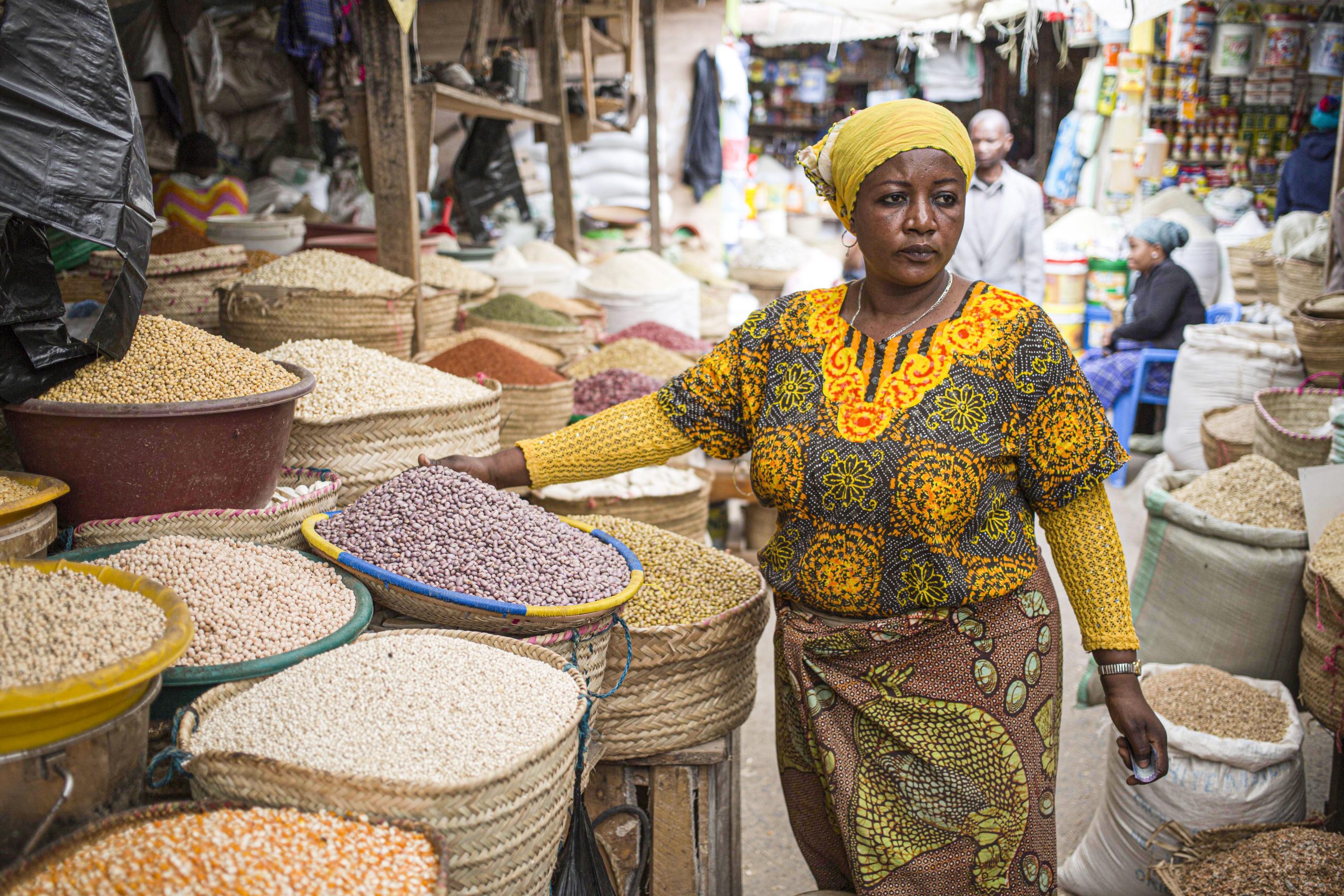
In Eastern Africa, staple food markets showed mixed month-on-month movements. Tanzania recorded one of the sharpest increases in maize prices, rising from USD 313 to 353 per metric tonne (MT), a 13 percent jump. Uganda also registered a 6 percent increase, with prices climbing from USD 390 to 412/MT, reflecting firm regional demand.
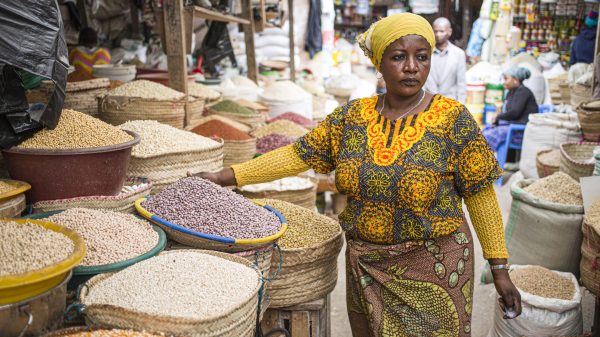
However, declines were observed in other markets. South Sudan’s maize prices dropped by 5 percent, while Rwanda experienced a steep 17 percent fall in bean prices, indicating improved local supply.
Fertilizer markets saw significant adjustments, particularly in Uganda, where NPK prices plunged by nearly 60 percent and DAP fell by 22.8 percent due to improved availability.
“Eastern Africa’s markets are being shaped by a delicate balance between post-harvest supply gains and localized climatic stress,” AGRA said, noting that persistent dry conditions in eastern Kenya, Somalia, central Uganda, and northern Tanzania could affect early crop establishment and pasture regeneration.
West Africa: Supply Gains Offset Price Surges
In West Africa, price movements varied widely across countries. Nigeria recorded significant increases, with sorghum prices rising by 21 percent and millet by 11 percent, driven by tighter domestic supply. Rice prices in Nigeria also surged by 21 percent, while Niger saw moderate gains.
At the same time, several Sahelian countries registered notable declines. Togo and Nigeria both saw maize prices fall by 11 percent, while Mali recorded a 7–10 percent drop in millet and sorghum prices, reflecting improved supply and easing demand pressures.
Fertilizer prices remained volatile, particularly in import-dependent markets affected by rising shipping costs and currency pressures. However, relative stability was observed in parts of the Sahel, supported by government subsidy programmes.
“Overall, regional supply remains favourable as the 2025 harvest season concludes and preparations begin for the 2026 planting season,” AGRA stated.
Southern Africa: Floods and Weather Drive Volatility
Southern Africa recorded highly variable price movements, largely influenced by extreme weather conditions, including flooding.
Zambia’s maize prices surged by 20 percent, while Mozambique recorded a 16 percent decline. In Malawi, official maize prices fell sharply by 24 percent, with parallel market rates dropping even further.
Rice prices eased slightly in Mozambique, while beans and soybeans declined significantly in Malawi. Fertilizer prices showed divergent trends, with Mozambique experiencing sharp increases—NPK prices nearly doubling—while Malawi recorded modest gains.
Despite these fluctuations, AGRA reported that rainfall across much of the region has been generally favourable. However, severe floods in Zambia, Malawi, and Mozambique have caused crop losses, while heavy rains in Zimbabwe improved water availability but raised flood risks.
“Overall cereal production prospects remain near average, supported by adequate moisture and improved pasture conditions,” AGRA noted.
Food Security Situation Worsens
Beyond market trends, food security conditions across Africa are deteriorating, driven by climate shocks, conflict, and economic pressures.
In Eastern Africa, Ethiopia faces widespread Crisis (IPC Phase 3) and Emergency (IPC Phase 4) conditions due to poor rainfall, depleted food stocks, and ongoing conflict. Kenya is experiencing a difficult lean season, particularly in pastoral areas, while South Sudan remains one of the most severe hotspots, with a growing risk of Famine (IPC Phase 5) in conflict-affected regions.
Southern Africa presents a mixed outlook. Malawi is expected to improve with upcoming harvests, though some regions remain in Crisis. Mozambique continues to face severe strain following floods that displaced over 700,000 people and destroyed vast farmland. Zimbabwe is experiencing seasonal food deficits but is expected to improve after the harvest period.
In West Africa, the situation is deteriorating rapidly. Burkina Faso faces widespread Crisis conditions, with Emergency risks in insecure areas. Niger is experiencing escalating food insecurity due to armed conflict disrupting agriculture and markets, with up to 2.9 million people at risk during the lean season. In Nigeria, persistent conflict, displacement, and high input costs continue to undermine livelihoods, leaving many households unable to meet basic food needs.
Global Trade Disruptions Add Pressure
AGRA also warned that global market shocks are compounding Africa’s food challenges. Disruptions linked to tensions affecting the Strait of Hormuz—a critical route for oil, gas, and fertilizer shipments—have triggered spikes in fuel, freight, and input costs.
“The sharp rise in fertilizer and transport costs is increasing production expenses and placing additional strain on already vulnerable food systems,” AGRA said.
Supporting African Farmers
AGRA emphasised the need for sustained investment in African agriculture, particularly for smallholder farmers.
“African farmers need locally driven solutions to build resilience, increase productivity, and access markets,” the organization said.
Since its establishment in 2006, AGRA has worked with governments, private sector actors, and development partners to scale agricultural innovations aimed at improving incomes, strengthening livelihoods, and enhancing food security across the continent.
Despite some positive supply trends, AGRA warns that Africa’s food systems remain under significant strain, requiring coordinated action to prevent further deterioration in food security.