





























































By Malliavin Nzamurambaho
Rwanda’s journey from a nation devastated by division and genocide to one that stands today as a symbol of unity and peace is one of the most profound transformations in modern history. This remarkable shift did not occur by chance—it is the result of deliberate choices, resilient leadership, and a collective commitment by Rwandans to rebuild their country on the foundations of unity, dignity, and shared identity.
A painful past rooted in division
The history of Rwanda’s division is deeply tied to colonial influence and the deliberate dismantling of pre-existing social cohesion. Before colonial rule, Rwandans lived under a unified system guided by shared cultural values and leadership that emphasized collective identity. However, colonial powers introduced divisive policies that categorized people along ethnic lines, fostering discrimination and inequality.
Over time, these divisions hardened into systemic discrimination, particularly against Tutsis, leading to repeated cycles of violence beginning in 1959 and intensifying over the decades. Political ideologies built on ethnic exclusion took root, further deepening mistrust and hostility among citizens.
The culmination of this tragic trajectory was the 1994 Genocide against the Tutsi, in which more than one million people were killed in just 100 days. This atrocity was not spontaneous; it was the result of years of propaganda, political manipulation, and the institutionalization of hatred.
The turning point: Ending genocide and choosing unity
The genocide was brought to an end in July 1994 by the Rwandan Patriotic Front (RPF-Inkotanyi). This marked not only the cessation of violence but also the beginning of a new chapter in Rwanda’s history. The country faced immense challenges—destroyed infrastructure, shattered communities, and deep psychological wounds.
Yet, instead of succumbing to despair, Rwanda made a bold choice: to reject division and rebuild on the principle of unity. The new leadership and citizens alike recognized that sustainable peace could only be achieved through reconciliation, justice, and inclusive nation-building.
Rebuilding a nation: Policies and practices for unity
Rwanda’s transformation has been driven by a series of innovative and culturally grounded initiatives aimed at fostering unity and healing:
- Promotion of a shared national identity: The concept of “Ndi Umunyarwanda” (“I am Rwandan”) emphasizes common citizenship over ethnic identity.
- Community-based reconciliation mechanisms: Platforms for dialogue and collective reflection have helped rebuild trust among citizens.
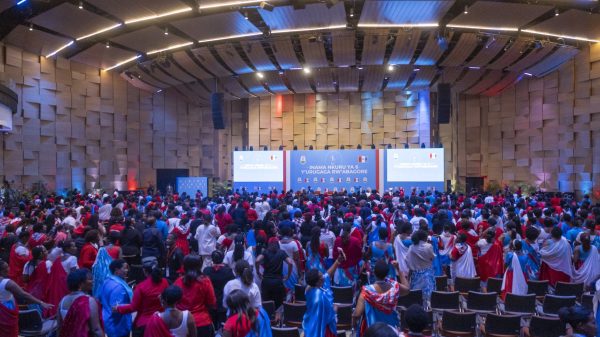
- Cultural and civic programs: Initiatives such as Umuganda (community work), Itorero (civic education), and Umushyikirano (national dialogue) encourage participation, responsibility, and solidarity.
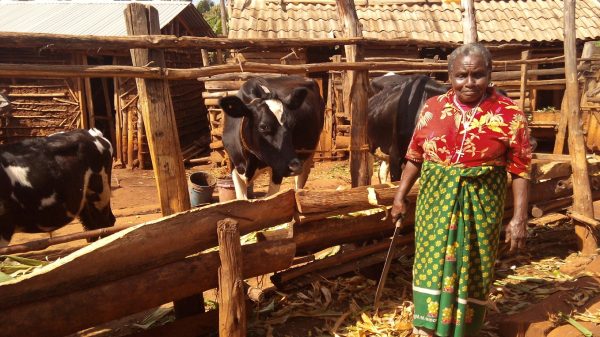
- Socio-economic inclusion programs: Efforts like Girinka (One Cow per poor family) improve livelihoods while strengthening social cohesion.
These initiatives reflect a deliberate effort to draw from Rwanda’s cultural heritage while addressing modern challenges.
Progress in Unity and Reconciliation
The results of Rwanda’s efforts are tangible and measurable. According to recent findings, unity and reconciliation among Rwandans have significantly improved, with levels rising from 82.3% in 2010 to 95.3% in 2025. Additionally, an overwhelming majority of citizens now identify strongly with their national identity, underscoring the success of unity-driven policies.
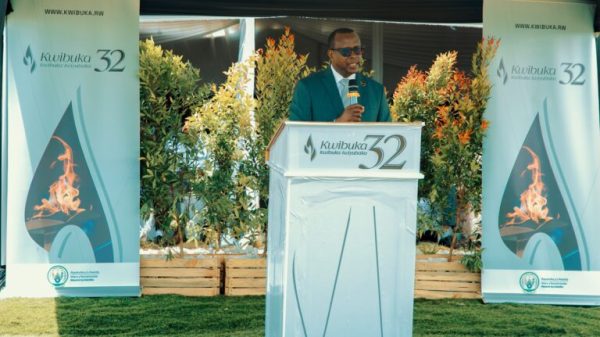
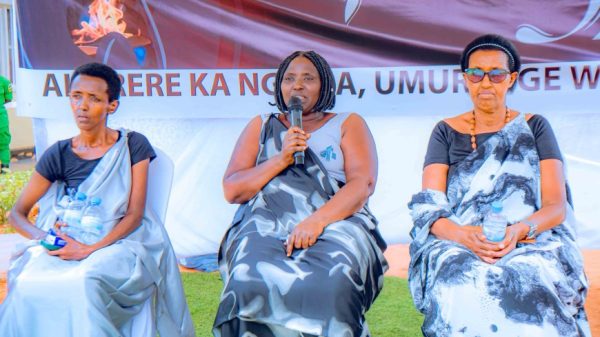
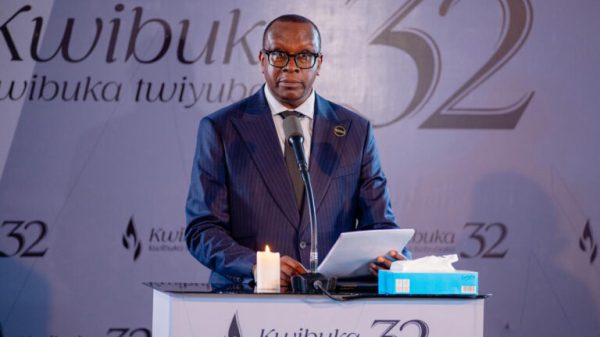
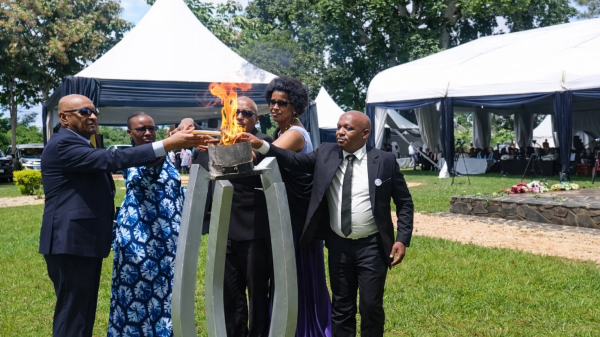
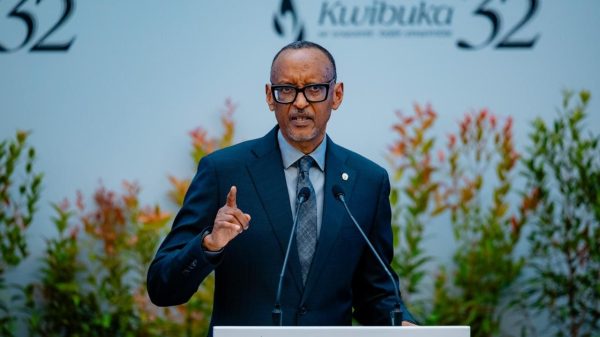
Equally important is the role of remembrance. Annual commemorations of the genocide serve not only as a tribute to the victims but also as a powerful reminder of the consequences of division. These moments reinforce a collective commitment to ensure that such atrocities never happen again.
Ongoing Challenges and Vigilance
Despite remarkable progress, Rwanda remains vigilant. The persistence of genocide ideology—both within and outside the country—poses an ongoing threat. Some individuals and groups continue to distort history or promote division, particularly among younger generations.
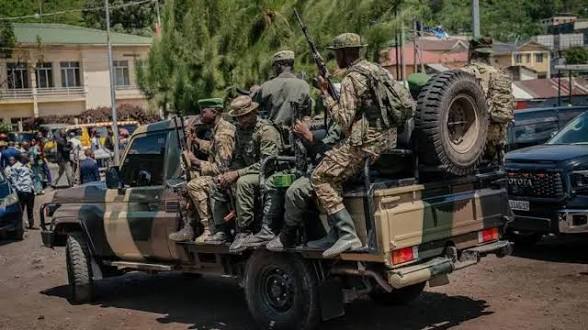
Rwanda’s response has been proactive: strengthening education, promoting historical truth, and reinforcing national values. The country also recognizes the importance of addressing regional instability and preventing the spread of harmful ideologies beyond its borders.
Conclusion: A Model of Resilience and Hope
Rwanda’s transformation is a testament to the power of collective will and visionary leadership. From the depths of division and genocide, the country has emerged as a beacon of unity, peace, and resilience.
This journey underscores a critical lesson for the world: sustainable peace is built not merely through the absence of conflict, but through intentional efforts to foster inclusion, justice, and shared identity. Rwanda’s experience demonstrates that even the most fractured societies can heal and thrive when people choose unity over division.
As Rwanda continues to remember its past while building its future, it stands as a powerful example that reconciliation is possible—and that peace, once shattered, can be rebuilt stronger than before.