




























Rene Anthere Rwanyange
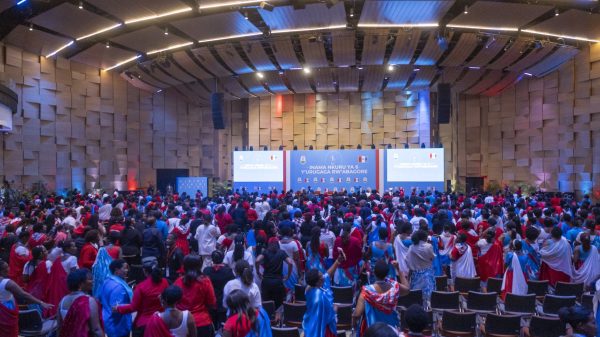
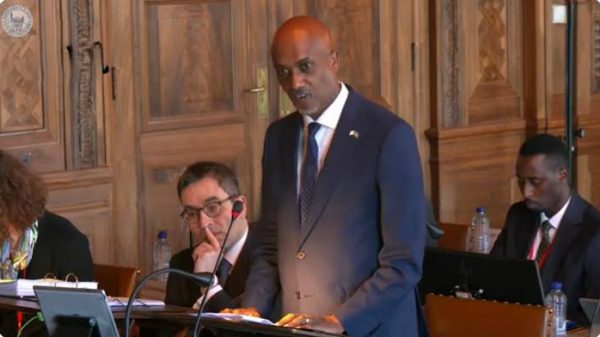
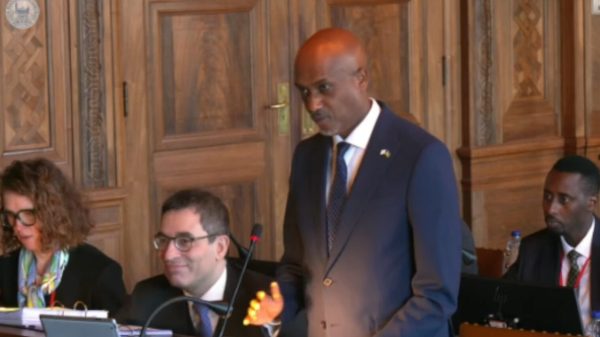
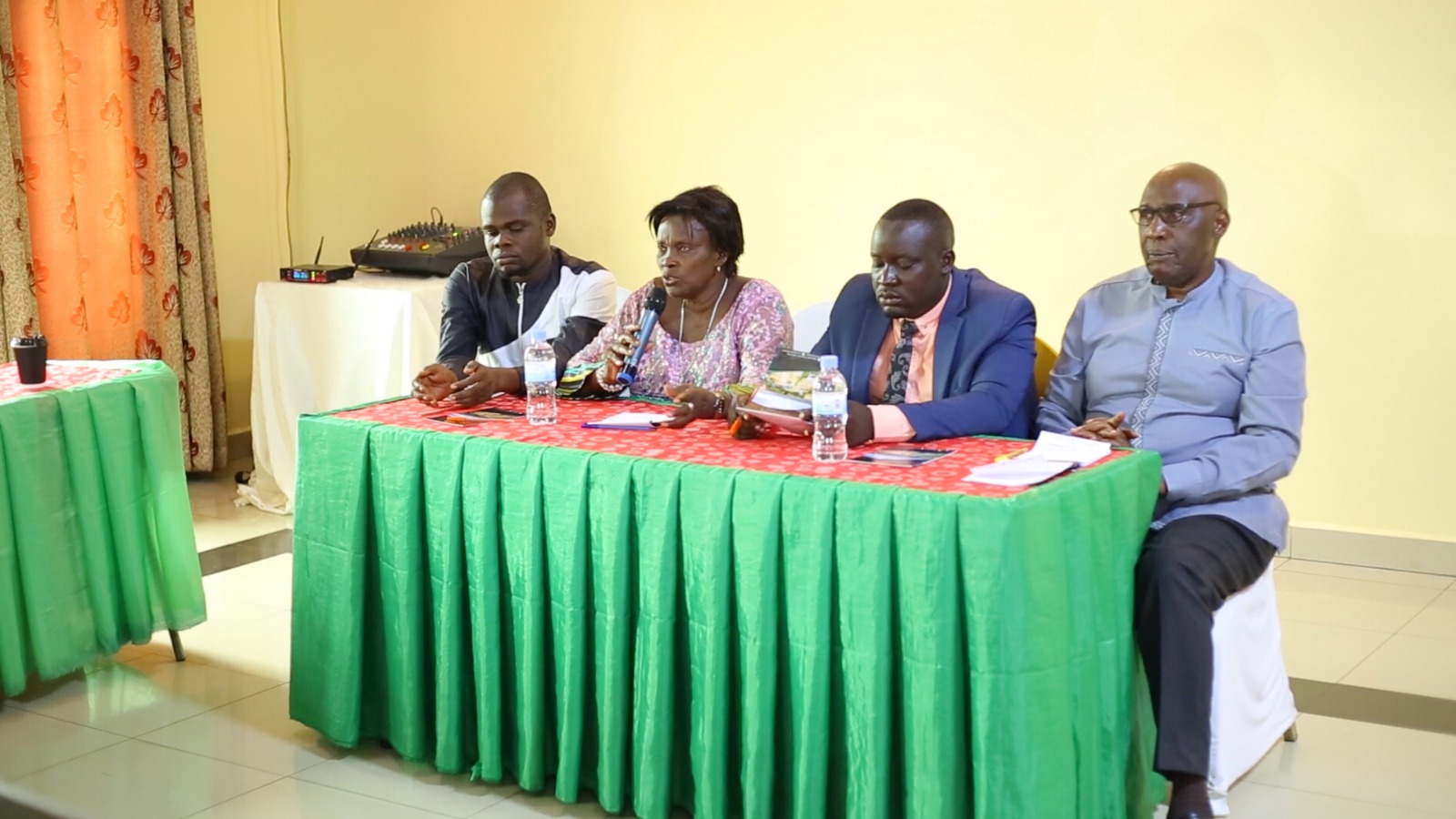
On October 27, 2023, the Non-Governmental Organization, La Benevolencija, presented the 4 year results of the project aimed to strengthening peace in the Great Lakes titled “Media for Dialogue”.
La Beneveloncija started its activities in Rwanda, through the Media for Dialogue project in the last four years (2019-2023). The main aim of the dialogues through media; was to foster and sow the culture of peace among the people of the great lakes countries namely, Rwanda, Burundi and the Democratic Republic of Congo especially with main focus on the people living at the border areas close to Rwanda.
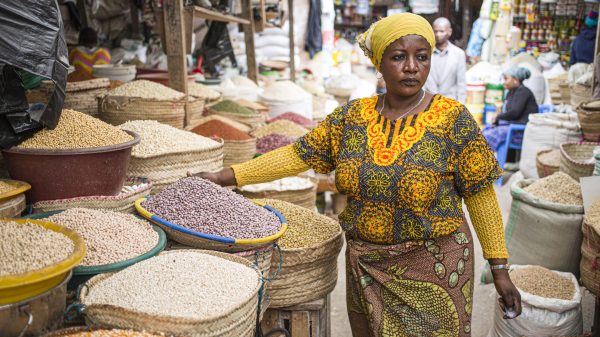
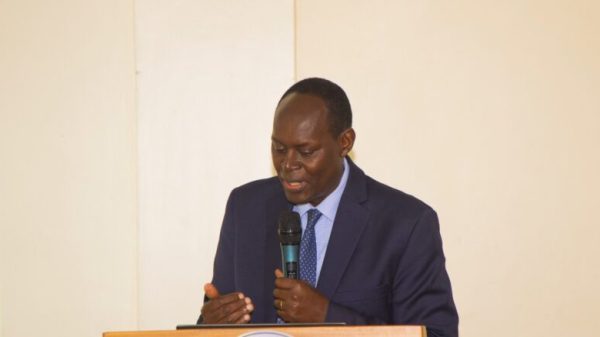
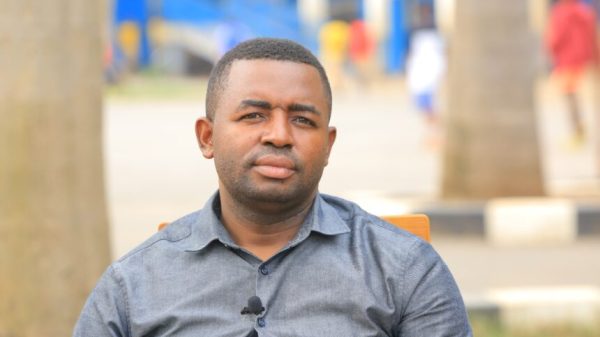
King Ngoma, the La Benevolencija’s Project Manager, says that they prepared the project based on the problems facing the region, the ones especially people living on the boarders, and doing cross-border’ businesses.
“When we started this project, there were political conflicts in most of the Great Lakes region, and it was accompanied by violence and crime against the people. It left wounds and trauma for the local people in these three countries, and it has affected the people to people relations,” King Ngoma says.
King says; that these problems have been added to other political ones, which have affected the people especially those who live close to the borders, because their lives and economy have been affected by cross-border business coming to a halt. “When people are not able to communicate with each other, to live well, their lives are always in danger be it economically, socially or even security wise”, he added.
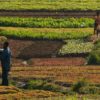
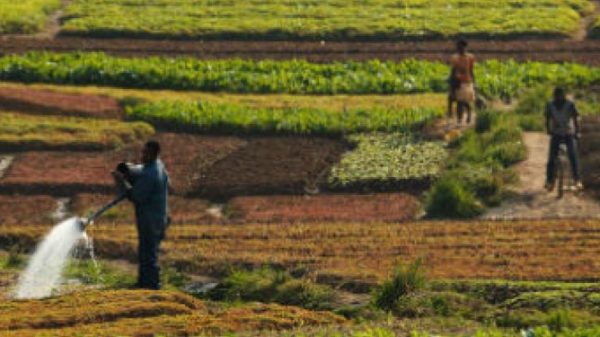
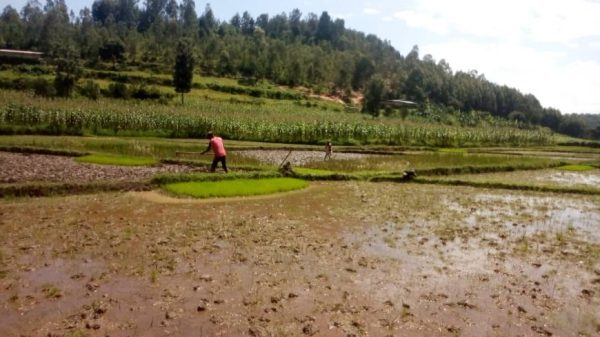
King Ngoma gave an example of the people of Rusizi district, Bugarama area, whereby every morning hundreds and hundreds of people cross the border at Rusizi II to cultivate in Democratic Republic of Congo, where they occupy big farmlands there. However, when a conflict arises, no Rwandan will crosses over and their harvests end up being destroyed, if not damaged, it’s always taken away by the Congolese.
In order for Media for Dialogue project to be productive, there was collaboration with the media that was in charge of identifying the problems that existed and how to find solutions in a peaceful way.
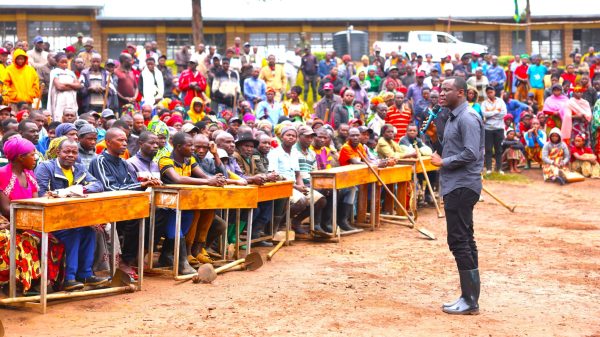
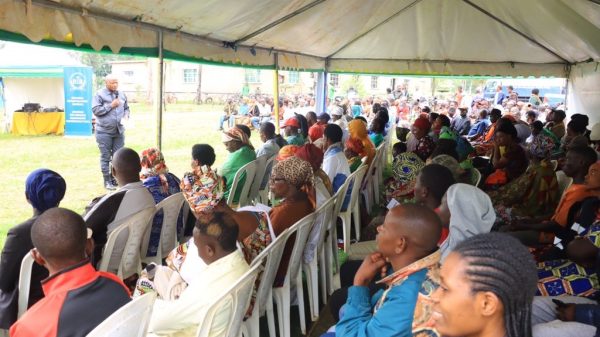
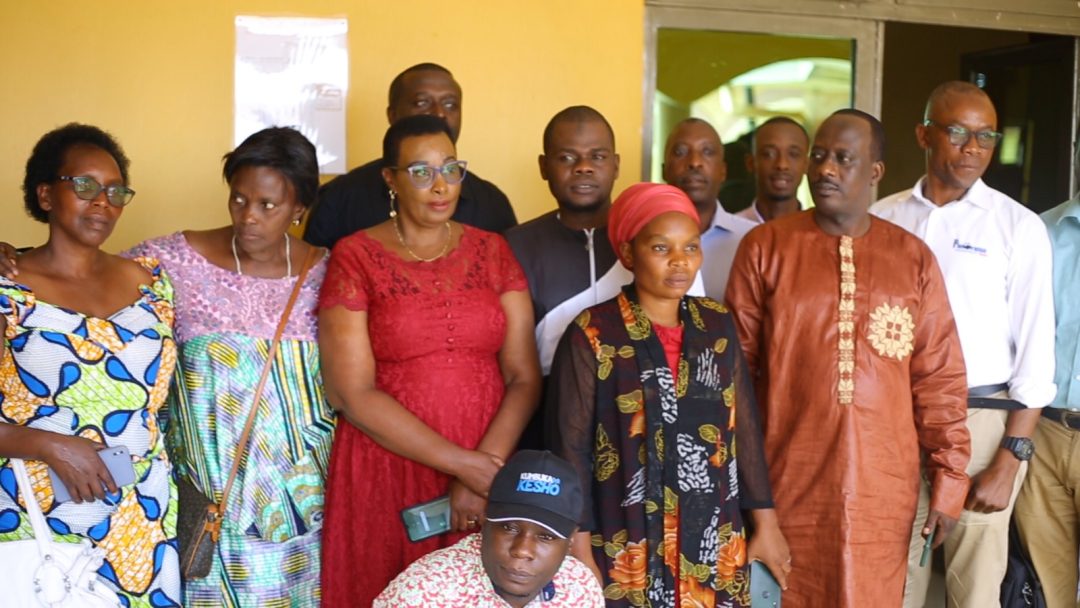
They also created community groups which would be able to meet easily, such as cross-border traders, and set up joint committees with Rwandans, Burundians and Congolese, to discuss existing problems and work together to find solutions.
King Ngoma says, “We used these methods to help politicians and people, where everyone showed their role in dealing with the problems facing the Great Lakes region. The committees did a great job of being together and finding solutions to the problems they faced, and they continued to work together smoothly.”
He continues to say that the youth were not left behind, because they were able to unite and face the problems of their peers, who continue to be used in acts of terrorism or crime, joining armed groups, wars and political unrest.
He said, “Starting from these problems, we take measures to prevent these problems. By doing this, they start to take steps to find solutions together. By then they start to do activities that unite them and work together. While this project was starting, as La Benevolencija we tried to start a dialogue platform that connects the people with the local authorities to discuss the common problems that concern them.
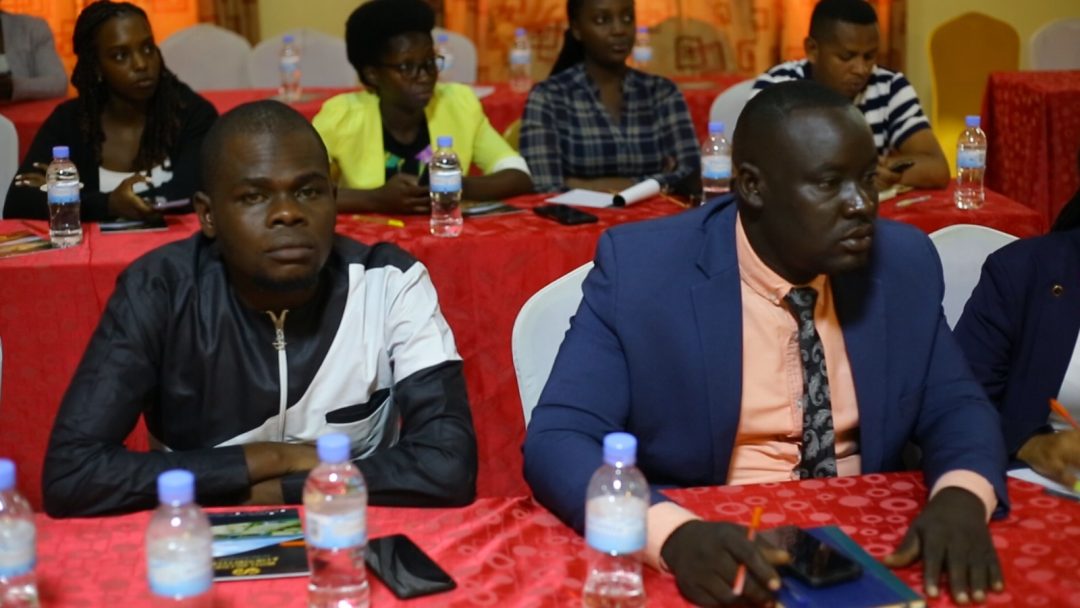
During this four-year journey in the “Media for Dialogue” project, the media participated in dialogues between the people and leaders of three countries in the region, that is, those in Burundi, the Democratic Republic of Congo and those in Rwanda. In close quarters especially near borders.
These discussions were fruitful because they led to the removal of barriers that caused people to be insensitive to others. Conflicts sometimes arise because people live together, but the intention is that the people and the leaders have the ability to prevent or solve them when they arise, instead of amplifying them through hate speeches like of what we have been witnessing of recent in the DRC.
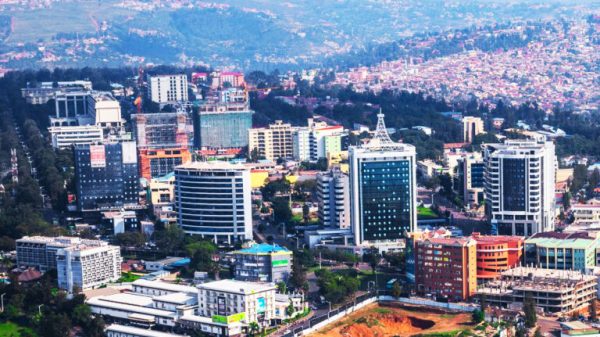
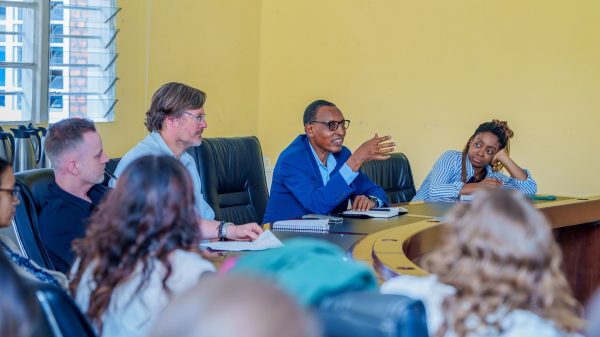
The talks took place in Kigali, bringing together delegates representing groups of people from Burundi, the Democratic Republic of the Congo and those from Rwanda.
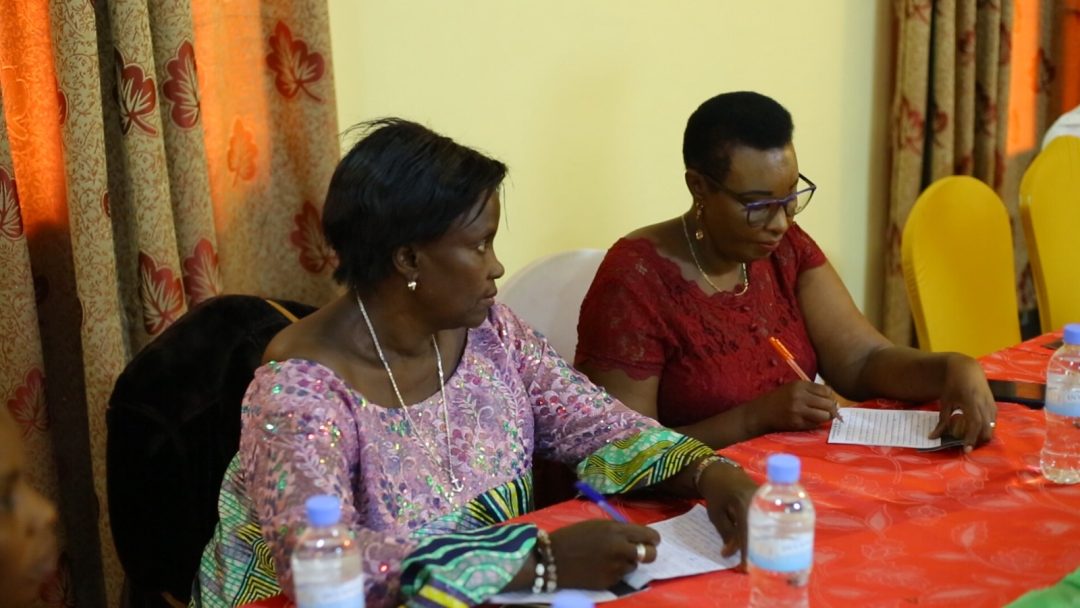
In the testimony they gave, they all showed that there were things that they did that should not have happened in the past, but with the help of La Benevolencija they managed to bring their problems to their leaders and work together to find a solution, since the residents of the borders are usually connected to the conflict every day.
The perspectives of the future
La Benevloncija do not stop their activities with the end of Media for Dialogue project. It will continue to address ongoing problems in the region including: (a) Access and struggle to obtain power, (b) Knowledge and understanding of history and its migration, (c) Poverty, unemployment, lack of opportunities, difficult living conditions; (d) Access, control and security of land, (e) Management of natural resources and maritime spaces as well as the climate change consequences and (f) Non-compliance with laws and agreements, including in regional trade.