























































































Rene Anthere Rwanyange
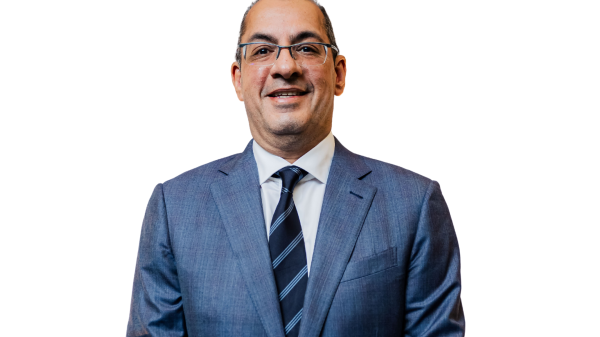
For the first time, the United States has officially recognized “Genocide against the Tutsi” in a formal statement. This recognition was expressed in a message issued by Nick Checker, Director General of the U.S. Bureau of African Affairs, at Washington DC, as the United States joins Rwandans and the international community in 32nd commemoration of the 1994 Genocide against the Tutsi, on April 7, 2026.
This marks a significant milestone, coming 31 years after the 1994 Genocide against the Tutsi in Rwanda, during which more than one million Tutsi were killed. For decades, the United States had refrained from consistently and officially recognizing it in official communications.
The 32nd commemoration, held on April 7, 2026, therefore represents not only a moment of remembrance but also a historic shift in diplomatic language and recognition by the United States. This development underscores a growing international consensus on accurately naming and acknowledging the Genocide against the Tutsi that began on April 7, 1994, in Rwanda.
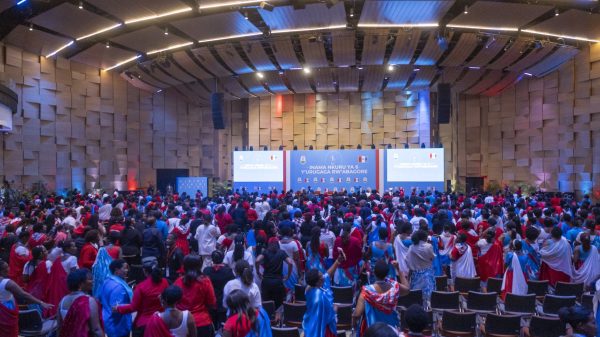
Here is the statement: “I am honored to participate in this commemoration of Kwibuka 32 with you.
As we gather here today to mark the solemn occasion of Kwibuka, let us do so in somber recognition of the unspeakable horrors that befell the Rwandan people during the Genocide against the Tutsi. Today, we remember the nearly one million Tutsi victims as well as Hutu, Twa, and others who were murdered due to their opposition to a genocidal regime.
In the difficult heaviness of this moment, I join with all of you in reflecting on the innocent lives that were lost, the families that were torn asunder, and the communities that were destroyed. I have personally visited Rwanda and seen the sites where genocide was committed firsthand, at Nyamata and Ntarama, former Catholic churches where tens of thousands of Tutsis sought refuge and were brutally murdered by extremists.
Standing before those altars, one cannot escape the visceral reality of what occurred there; I was profoundly moved. The stains that remain in those sanctuaries are not abstract symbols: they are the physical traces of lives stolen, of violence brought into a place consecrated to communion. The altar, where the holy sacrifice of the mass is offered, where the blood of Christ is made present for the salvation of the world, was here mingled with the blood of the innocent during the Genocide against the Tutsi.
For Catholics, such as myself, the altar is never just a table—it is Calvary. As the Church teaches, every mass makes present the sacrifice of Christ on the cross. To see an altar stained with human blood is therefore to encounter, in a deeply unsettling way, the intersection of Christ’s sacrifice and humanity’s capacity for sin. And yet, even here, the mystery of the Cross is revealed to us. As St. Augustine wrote, “God judged it better to bring good out of evil than to permit no evil to exist.” That does not explain away the horror, but it affirms that even this is not beyond redemption.
The altars remain, even now, a sign of hope. Because the final word of the Cross is not death, but resurrection. As St. Paul writes, “Where sin increased, grace abounded all the more” (Romans 5:20). That promise does not diminish what happened there. It stands in defiance of it.
And yet, we also see there a sign of something more: that grace has not remained abstract, but has taken root in the life of the Rwandan nation. In the 32 years since the Genocide against the Tutsi, Rwanda has undertaken a path that is, by any historical measure, extraordinary—restoring security, rebuilding institutions, and creating a national identity that rejects the divisions which made such violence possible.
This did not happen by accident. It required leadership willing to make difficult, sometimes stark choices in the immediate aftermath of catastrophe—choices aimed at ensuring that the conditions for mass violence could not re-emerge. In that sense, the preservation of order and the reestablishment of state authority stand as real and consequential achievements.
The United States supports the Rwandan resolve to create unity and reconciliation. We oppose any attempt to misrepresent the historical record for political purposes and reject any denial or minimization of the genocide. We condemn those who employ hateful rhetoric to foment violence and hate rather than use the power of their words to promote peace.
Today all of us can honor the genocide’s victims by renewing our commitment to build a world in which such atrocities can never happen again. A key component of this effort is bringing justice to victims and survivors by holding the perpetrators accountable.
The United States is one of the Rwandan people’s strongest advocates in seeking accountability for the genocide. The United States helped to establish and support the International Criminal Tribunal for Rwanda. Through U.S. diplomatic engagement and information sharing, we aided in the capture, prosecution, and repatriation of many of the criminals responsible for the genocide. The United States will continue to work with our partners to bring those responsible for the genocide to justice.
Your presence today is a commitment to learn from history and ensure we will not repeat the mistakes of our past. In closing, I offer my respect and reverence for the victims and survivors of the Genocide against the Tutsi. May their memory be a guiding light in our pursuit of a more just world.
Thank you.”
End of statement.