





































































































Panorama Team
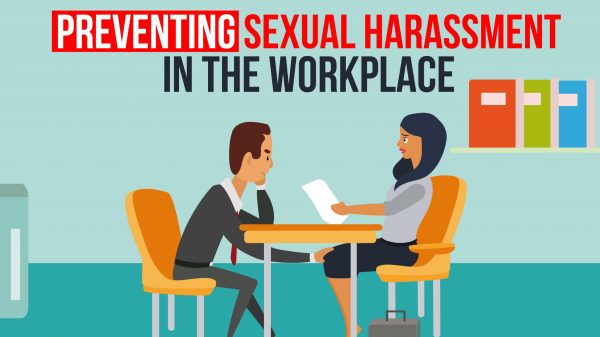
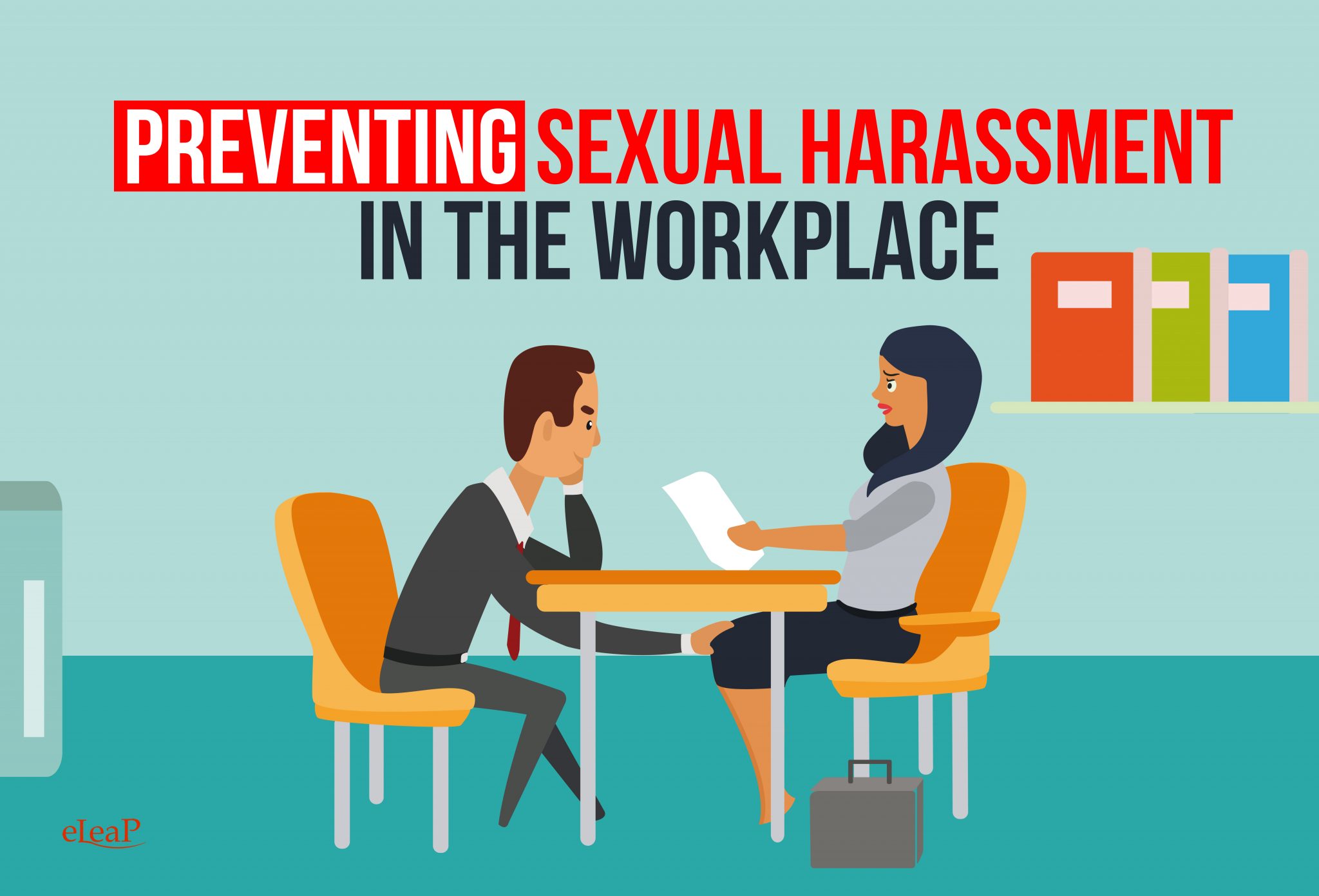
Sexual harassment in the workplace is any unwelcome, offensive, and sexualized behavior-verbal, non-verbal, or physical; that violates a person’s dignity and creates an intimidating, hostile, or humiliating environment. It can range from inappropriate remarks and jokes to unwanted touching or assault, often stemming from power imbalances.
EU Directive 2002/73/EC defines sexual harassment as “Where any form of unwanted verbal, non-verbal or physical conduct of a sexual nature occurs, with the purpose or effect of violating the dignity of a person, in particular when creating an intimidating, hostile, degrading, humiliating or offensive environment.”
The International Labour Organisation (ILO) Convention 190 (C190) on Violence and Harassment is the first international treaty adopted by ILO in June 2019 to recognize the universal right to a Word of work free from Violence and harassment, including gender- based violence and harassment C190 protects all workers and persons including employees and defined by national law and practices, as well as persons working irrespective of their contractual status, persons in training, including interns and apprentices, workers whose employment has been terminated, volunteers, jobseekers and job applicants. And individuals exercising the authority, duties or responsibilities of an employer (Article 2:1).
The Convention applies to all sectors, whether private or public, both in the formal and informal economy, and whether in urban or rural areas (Article 2:1). It recognizes that harassment may occur in many ways, including places where the worker is paid, takers a rest break or a meal, or while using sanity, washing and changing facilities; during work-relates trips, travels, training, events or social activities; during work-relates communications, including those enabled by information and communication technologies; in employer-provided accommodation; and when commuting to and from work (Articles 3).
C190 establishes measures for protection and prevention of workplace sexual harassment by directing member states who ratified it to adopt laws and regulations to define and prohibit it, identifying in consultation with employers’ and workers’ organisations persons most vulnerable to such abuse and providing training to workers on their rights in accessible formats.C190 mandates members states to appropriates measures to enforce laws and provide remedies to victims of workplace sexual harassment, furthermore,C190 mandates for the guidance and training of relevant authorities , workers ‘organisations and employers in order to increase their awareness of workplace sexual harassment.
The convention is divided into 8 sections: I) Definition (Articles 1); II) Scope(Articles2&3); III) Core Principles (Articles 4-6); IV) Protections and Prevention (Articles 7-9); V) Enforcement and remedies (Articles 10); VI) Guidance, Training and Awareness-Raising (Articles 11); VII) Methods of Application (Articles 12) and VIII) Final Provisions (Articles 13-20).
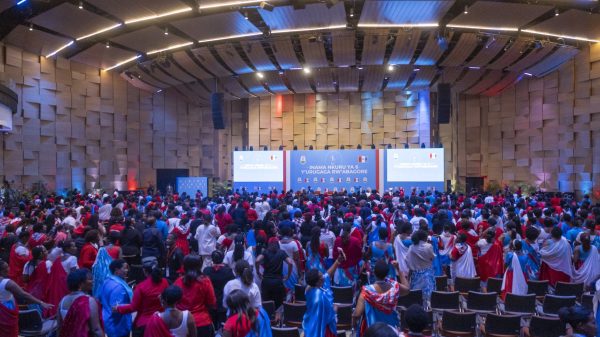
Rwanda’s Constitution and Vision 2050 re-affirms the country’s commitment to gender equality, equal opportunity and the eradication of gender-based violence in the workplace. Rwanda has previously ratified numerous global frameworks to advance workers’ rights. In May 2023, the Government of Rwanda ratified the ILO C190 marking an important milestone which now commits the country to potentially amending and /reinforcing national laws and regulations in order to combat workplace sexual harassment and ultimately create a safer and dignified wok environment for all.
Source: Eliminating Sexual Harassment in the World of work, Friedrich Ebert Stiftung.