













































































Panorama
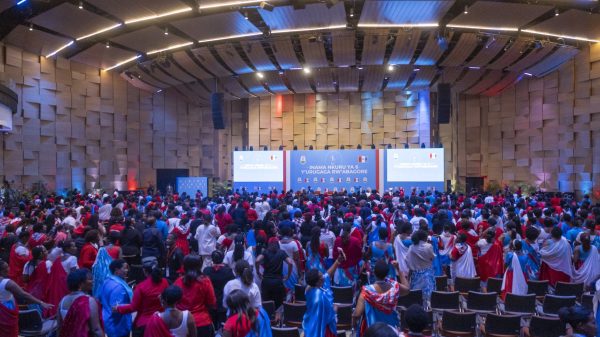
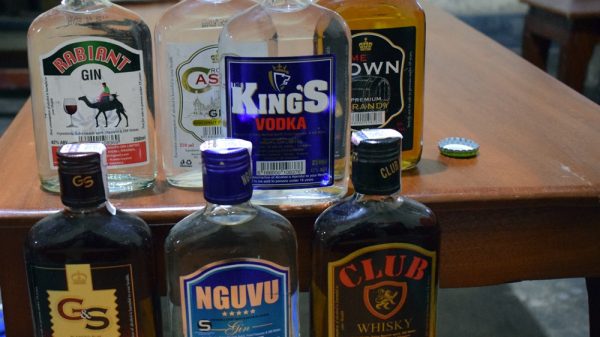
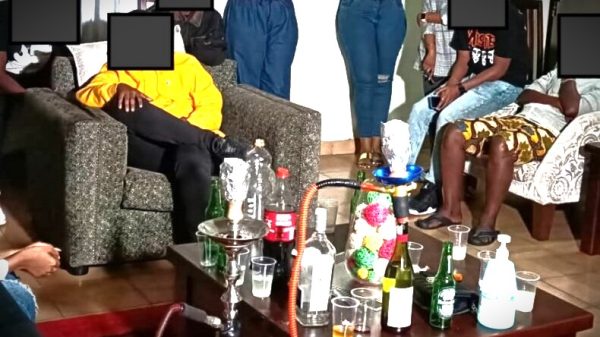
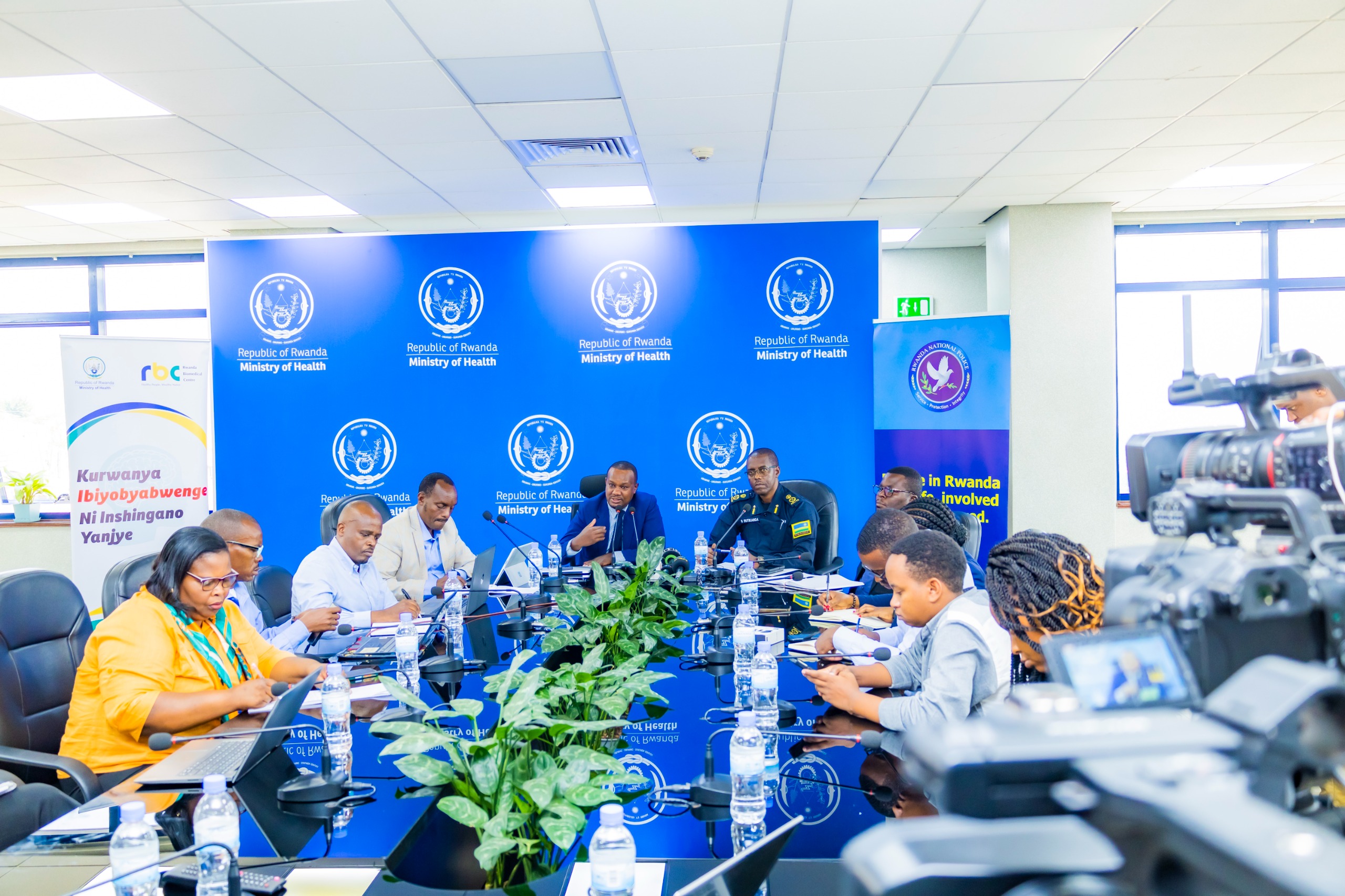
On Monday, June 16, the Rwanda National Police (RNP), in collaboration with the Ministry of Health (MINISANTE) and the National Rehabilitation Service (NRS), launched a nationwide campaign to combat the pressing concern of drug abuse.
The campaign themed ‘Preventing and Treating Drug Addiction is Everyone’s Responsibility’ is part of the International Day Against Drug Abuse and Illicit Trafficking, observed every June 26.
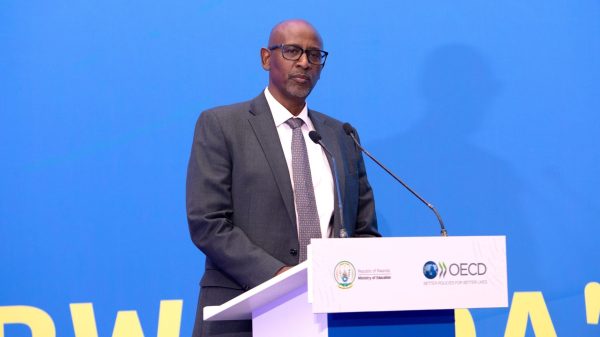
While addressing the media, Dr. Darius Gishoma, the Director of the Mental Health Division at the Ministry of Health, called for collective action to address the impact of drugs on the Rwandan society.
“We are taking concrete steps to reduce the number of people affected by drugs and facilitate their recovery process,” Dr. Gishoma said.
He highlighted the crucial role that families play in assisting individuals struggling with drug addiction to reintegrate into everyday life.
Additionally, he called on youth to avoid peer pressure and develop the confidence of “saying no” to those attempting to lead them into drug use.
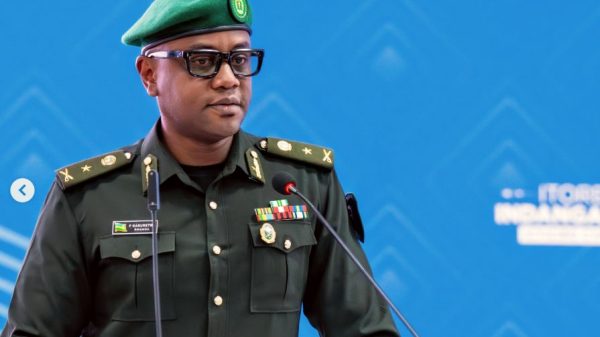
The RNP spokesperson, Assistant Commissioner of Police (ACP) Boniface Rutikanga, explained that drug abuse
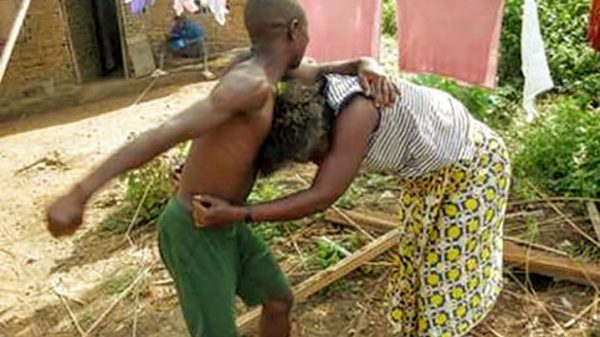
manifests in various ways and contributes to other criminal behaviors like theft and assault.
More than 2000 cases related to trafficking, transportation and distribution of narcotic drugs and psychotropic substances, have been recorded across the country this year. Over 680 individuals have also been arrested in related crimes.
ACP Rutikanga emphasized that drug use diminishes the capabilities of individuals, rendering them less able to work and contribute productively.
“This is a setback for the abusers, but it also results in substantial loss for their families and the country, as it ultimately weakens the overall workforce, in addition to expenses incurred to rehabilitate them,” ACP Rutikanga said.
He called upon all Rwandans, especially the young people, to collectively reflect and fight the scourge of drug use.
Fred Mufulukye, the Director General of the National Rehabilitation Service (NRS), emphasized that drug abuse has far-reaching consequences that impact various facets of national life, including family dynamics, interpersonal relationships, and overall national security.
He also mentioned that many young people are currently receiving treatment in rehabilitation centers due to drug addiction.
Mufulukye emphasized that drug abuse is not solely the responsibility of one institution; instead, it is a societal issue that necessitates collective efforts from all members of Rwandan society to effectively prevent and tackle its consequences.