
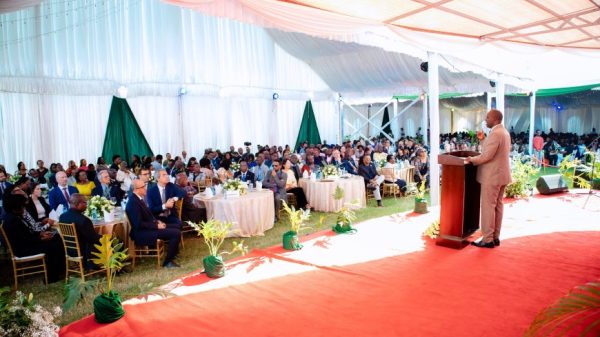
























































































































This December 9th, 2025, The East African Parliamentary Network Against Corruption (EAPNAC), joins the international community in commemorating International Anti-Corruption Day under the theme “Uniting Youth Against Corruption: Building Tomorrow’s Integrity.”
EAPNAC calls on governments, the private sector, regional institutions, schools, civil society, and especially youth, to take the lead in the fight against corruption. Together, we can build an East Africa guided by integrity, democracy, and sustainable development.
In 2022, the youth population in East Africa was estimated at approximately 140 million people. This year’s theme highlights the central role of youth in promoting transparency, justice, and accountable governance.
The Parliamentarians join the population to commemorate this day and focus on youth in the fight against corruption due to three reasons: (i) Corruption undermines education, deprives youth of employment opportunities, and erodes trust in public institutions. (ii) Youth represent the future – encompassing economic strength, the workforce, and future leaders who will strengthen good governance and community development, and (iii) They possess strong technological capabilities to detect abuse, promote transparency, and share information quickly and securely.
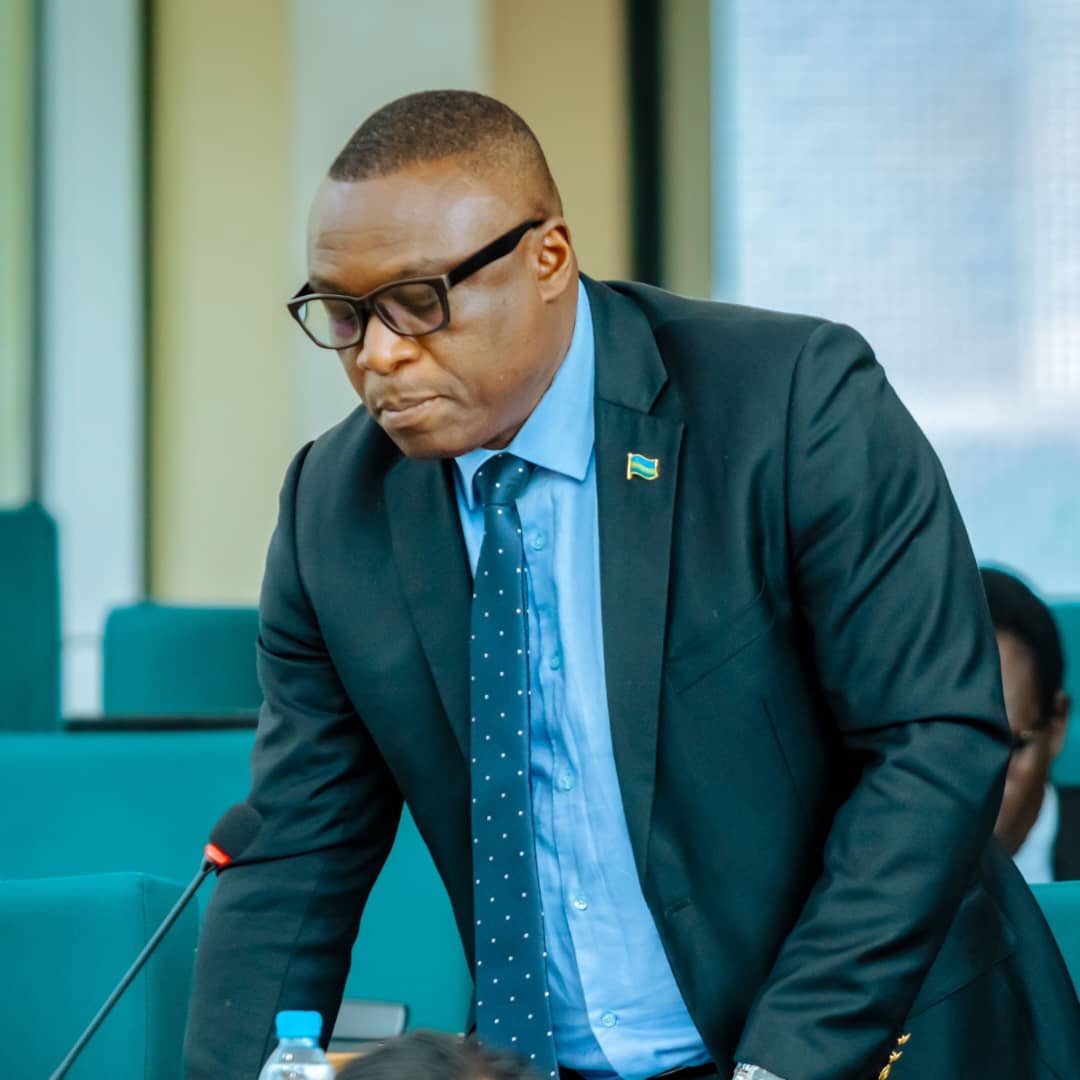
“Corruption remains a major obstacle to peace, development, and social well-being. Youth clearly expressed this during the 2024 international essay competition, describing how corruption affects education, limits access to healthcare, reduces job opportunities, and weakens trust in justice”, Hon. Clément Musangabatware, EAPNAC’ s President.
“EAPNAC emphasizes that building the integrity of tomorrow requires promoting youth involvement, strengthening governance institutions, and protecting those who expose corruption.
Established by the East African Legislative Assembly (EALA) in 2024, EAPNAC is committed to strengthening parliamentary oversight, revising anti-corruption legislation, and promoting a zero-tolerance culture for corruption across the region,” He adds