By Kayitare Jean B.
Recently, Rwanda has emerged as a leader in the electric mobility (e-mobility) sector within East Africa, backed by supportive policies, infrastructure initiatives, and the dedication of various stakeholders.
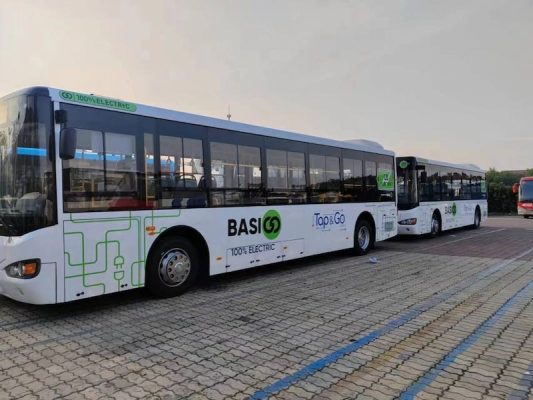
The country is actively transitioning towards electric vehicles (EVs), with a focus on both cars and motorcycles. The country has a growing number of electric cars, including both hybrids and fully electric vehicles, and a significant number of electric motorcycles in operation. Several local companies are involved in the manufacture, assembly, and distribution of electric vehicles, and the government is providing incentives to encourage their adoption.
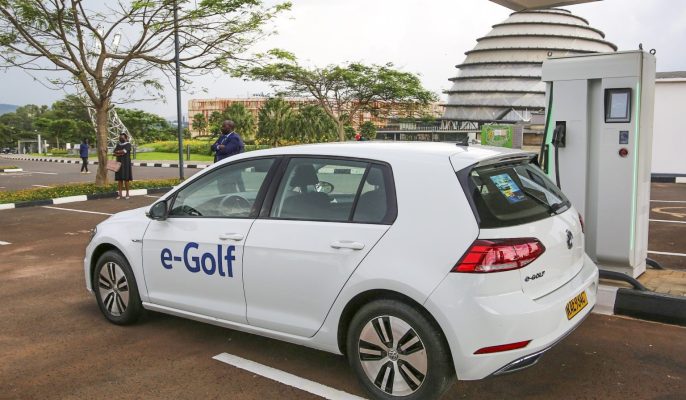
According to a statement from (https://changing-transport.org/), “Rwanda’s commitment to sustainable transportation is underpinned by ambitious policies designed to encourage e-mobility. The Government of Rwanda has introduced zero VAT on EV imports, exemptions on import and excise duties for EV parts, and an industrial tariff for EV charging, making the sector more accessible. Additionally, the government provides rent-free land for charging stations, further incentivising infrastructure development. These measures are aligned with Rwanda’s broader vision to become carbon neutral by 2050.” The statement reads.
The impact of these policies is evident in the country’s EV statistics. From a mere 19 EVs (both hybrid and fully electric) in 2020, Rwanda now has 512 fully electric cars and 6,660 hybrids registered in 2024. Rwanda also boasts over 4,000 electric motorbikes operated by Ampersand and an additional 1,200 bikes from Spiro. Ampersand, for instance, operates 32 battery swap stations around Kigali and expects to manufacture 18,000 batteries for their fleet by the end of 2025.
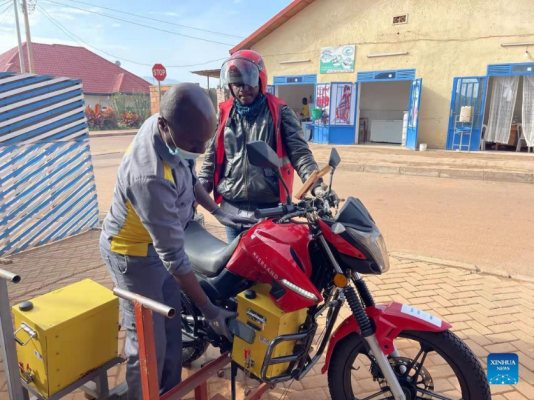
Many Ampersand and Spirodrivers report reinvesting these savings into paying school fees, improving housing conditions, and even pursuing small business opportunities, underscoring the positive social impact of e-mobility adoption.
For instance, Spiro Rwanda which was launched in 2022 bringing a new era of green mobility to the “Land of a Thousand Hills.” With a commitment to empowering moto-taxi operators, Spiro has sold over 1,300 electric bikes, which offer riders like Ignace NSEKANABO, a 30% reduction in operating expenses, significantly increasing his daily profits.

A technician at one of many Spiros charging stations in Kigali
One official from Spiro Rwanda on condition of anonymity says; “In Kigali and beyond, including Muhanga, Kayonza, Rwamagana, and Bugesera, Spiro Rwanda has strategically positioned battery-swapping stations to serve right as seamlessly across the country so are clients should not be worried of lack of charging stations.”
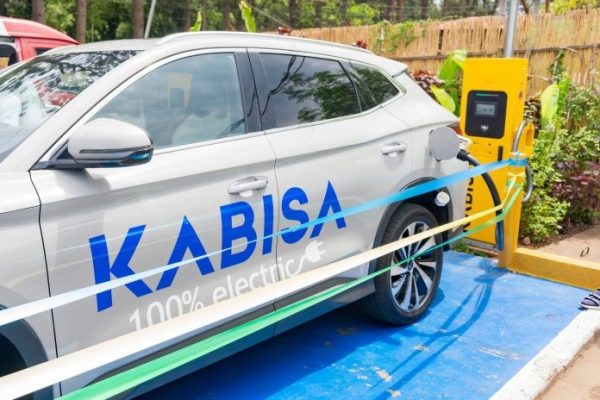
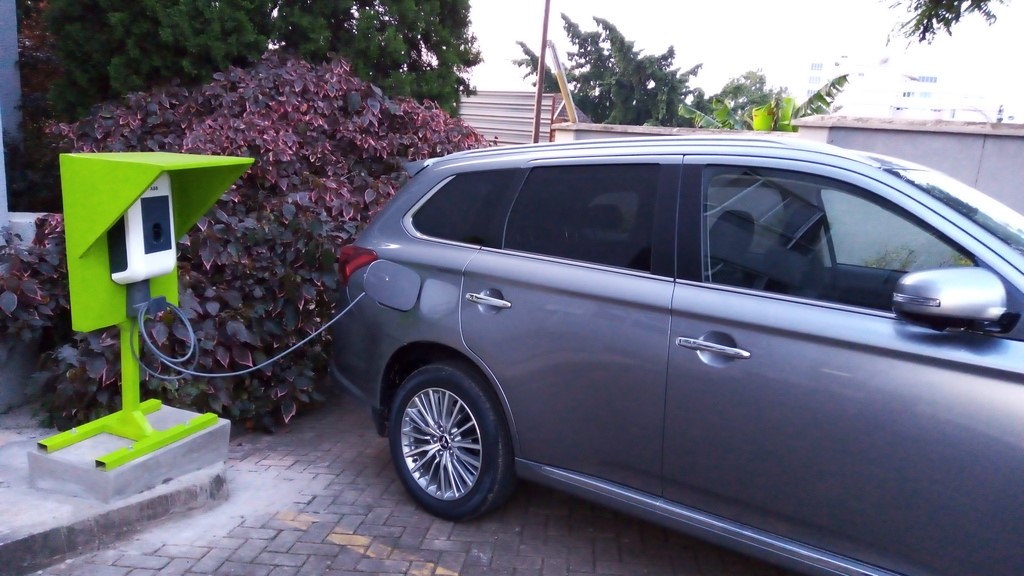
Companies like Kabisa and Meshpower play pivotal roles in expanding Rwanda’s EV charging networks. Kabisa by the end of 2024 had 38 EV charging stations, ensuring a station every 100 km across the country. Meshpower is collaborating with Kabisa to install high-standard stations and pilot solar-powered charging solutions, enhancing resilience and aligning with Rwanda’s carbon-neutral goals.