

















































































































Opinion piece and analysis -by Patrice Nsengiyumva
From Syria, Ukraine, Gaza, and Sudan to the Democratic Republic of Congo, five active theatres of war reveal five faces of the same global chaos. Yet behind the bombs and political rhetoric, deeper logics are at play. From realism to constructivism, and including psychological perspectives, the major theories of international relations provide an essential framework for understanding — and perhaps preventing — the tragic repetition of violence.
- Realism: The Law of the Strongest
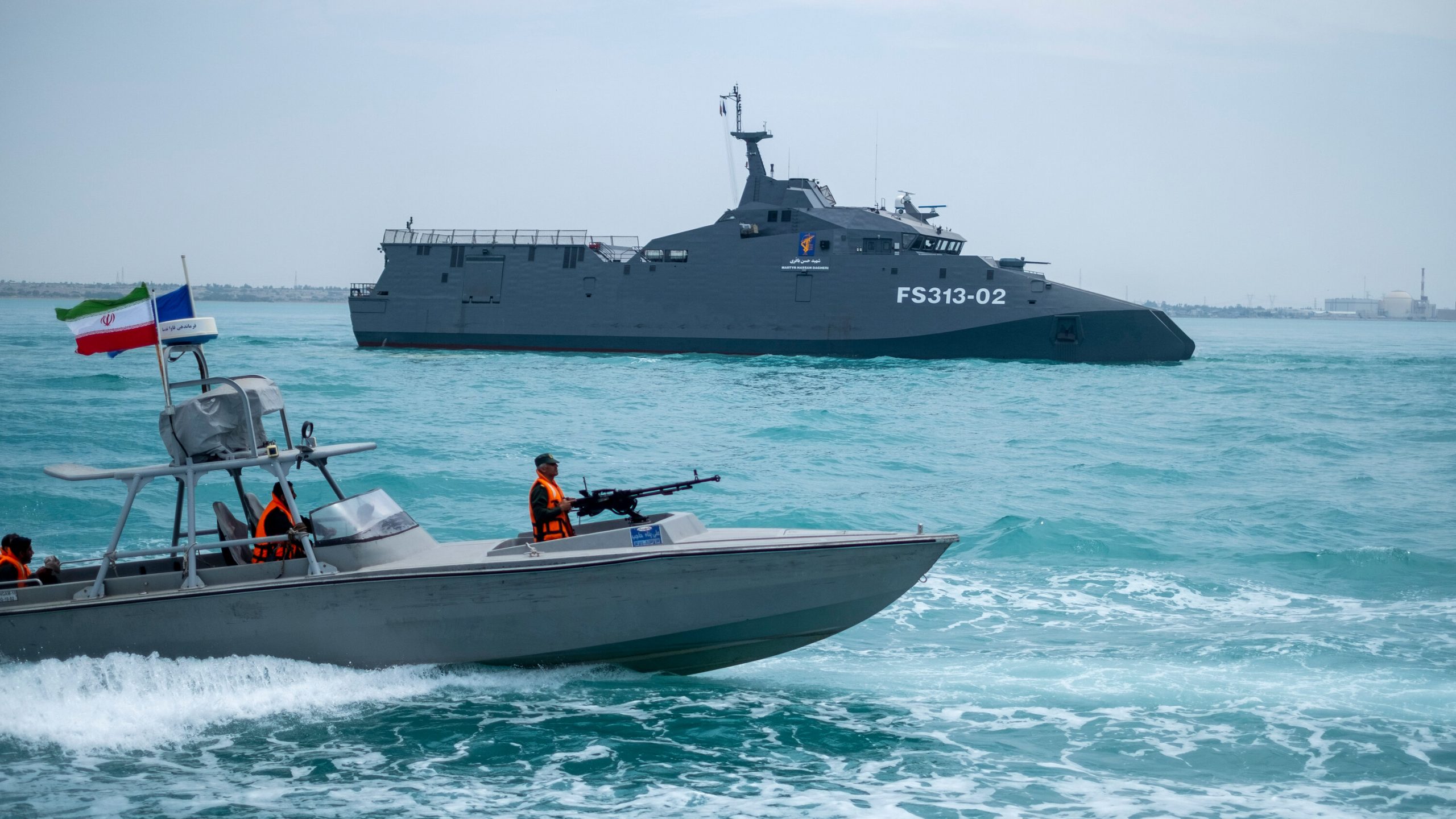
From a realist perspective, war is primarily a struggle for power and survival. In Syria, the embattled regime of Bashar al-Assad fought to maintain its rule, supported by Russia and Iran against Western-backed rebels. In the DRC, interventions by Rwanda, Uganda, and Angola reflected both security concerns and strategic interests. In Ukraine, Moscow asserts its “sphere of influence” in response to NATO expansion. In Sudan, the bloody rivalry between the army and the Rapid Support Forces exemplifies the brutal logic of power.
“In the absence of a global authority, force remains the ultimate rule of the game.”
- Liberalism: The Failure of Diplomacy
Liberals place faith in dialogue, law, and international cooperation. Yet the institutions meant to uphold peace have often collapsed: the UN has been paralyzed in Syria and Ukraine, peace agreements have proven empty in the DRC, diplomacy has been impotent in Gaza, and democratic transitions in Sudan have failed.
“Peace does not endure in the face of international indifference.”
- Marxism: War for Profit
For the Marxist perspective, war follows economic interests. Coltan, cobalt, and gold finance violence in the DRC. Gas, oil, and trade routes shape alliances in Syria and Ukraine. In Gaza, as in Sudan, control over resources determines the survival of combatants.
“Behind ideals and flags, war remains a marketplace.”
- Constructivism: The Battle of Identities
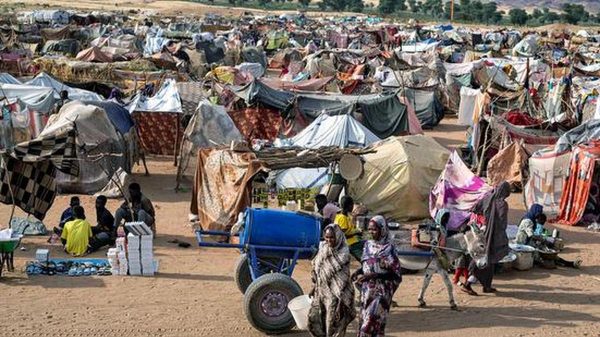
Constructivism emphasizes that conflicts also arise from perceptions and narratives. In Syria, sectarian divisions between Sunnis and Alawites fuel the conflict; in the DRC, ethnic tensions remain explosive. In Ukraine, opposing visions of national identity — imperial Russia versus sovereign Ukraine — underpin the confrontation. In Gaza, national and religious narratives clash, and in Sudan, tribal and regional divisions prolong historical fractures.
“The war of ideas often precedes the war of arms.”
- Psychology: Fear and Pride
Finally, political psychology reminds us of the human dimension of war: pride, fear, vengeance, and mistrust drive the cycle of violence. Commanders and active participants in these conflicts are not mere strategists; they are human beings shaped by emotion and collective trauma.
“Human passions, more than doctrines, sustain war.”
Comparative Analysis: Five Theories, Five Realities
In Syria, realism dominated a war entwined with civil conflict and external power struggles. The DRC presents an explosive mix of realism and Marxism, where the quest to control resources compounds regional rivalries. Ukraine illustrates the intersection of realist and constructivist logic, where power struggles are intertwined with opposing identity narratives. In Gaza, the constructivist dimension — the war of narratives and collective memory — combines with a clear liberal failure of the peace process. Finally, Sudan demonstrates that the psychology of power — pride, fear, and revenge — remains central to human tragedy. Across these five contexts, the theories do not exclude one another; rather, they complement each other, revealing different layers of the same global conflict.
Conclusion: Humanity in a Mirror
During the First World War, the British Prime Minister of the time famously said: “If people knew about war, it would stop immediately; but people did not know, and cannot know!”
More than a century later, these words remain strikingly relevant. These five analytical frameworks do not exclude one another; together, they expose a troubling truth: contemporary wars are not accidents, but mirrors of our social structures, economic systems, and human emotions. As long as fear and profit outweigh justice and cooperation, war will — alas — remain our common language.
Could we together stand for peace? If yes, please let me know by sending a short comment on this e-mail (fsdsrwanda@fsds.org.rw) with your presentation and joining our global peace network “NO FOR WARS, YES FOR PEACE!”.