













































































The 2030 Agenda, with its Sustainable Development Goals (SDGs), provides a vision for an integrated and sustainable approach to development. This note argues that the SDGs, and especially SDG16, provide a critical entry point through which an independent, professional, diverse and pluralist media, operating in a safe environment, can contribute to the progressive vision articulated in the 2030 Agenda.
Additionally, the principles underlying Agenda 2030, including the need for inclusive multistakeholder approaches; partnerships, accountability (through open monitoring and reporting) and the imperative to “leave no-one behind” provide important entry points for media actors to engage with broader development interventions for enhanced impact. International actors can help promote this by supporting media development, including encouraging national media actors to engage with such processes.
The Rwanda Access to Information law was written in October 2009 and put into effect with some revisions four years later, on February 8, 2013. It is published in the official gazette on 11 March 2013, officially making the country the 11th in Africa and 94th globally to adopt an Access to Information law. That law provides a comprehensive framework for access to information in Rwanda and is a positive step by the Rwandan Government, which could be given full effect. More than 5 ministerial orders are published to support Access to Information Law.
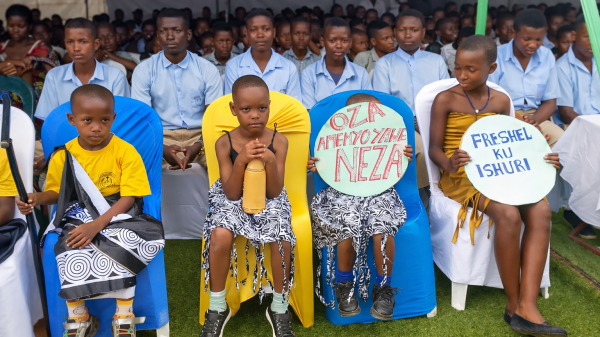
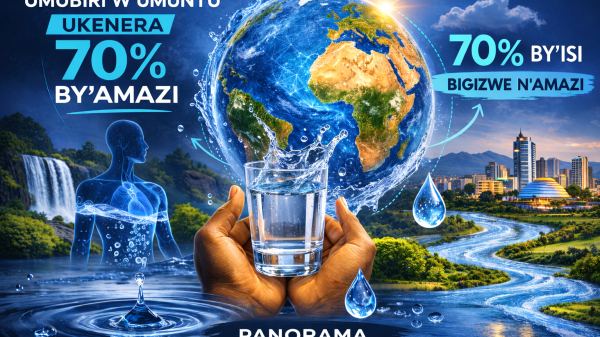
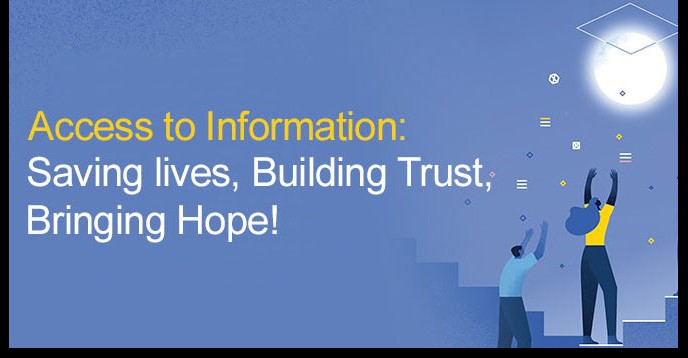
Rwanda Media Commission (RMC) in partnership with the United Nations Educational, Scientific and Cultural Organization (UNESCO) are using various means to promote the spirit and awareness of the principle of access to information right which is mainly guaranteed by the Rwandan constitution to ensure that all duty bearers oblige with the requirements of the law. The usage of Animated and creative content to be disseminated on the right to information is one of the identified means to reach the wider public with such sensitization content.
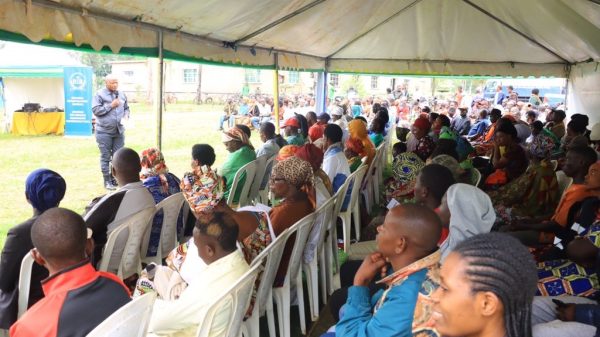
Similarly, UNESCO in partnership with Legal Aid Forum (LAF) are undertaking several activities to promote the understanding of the law through customized workshops /trainings as well as forming coalitions to monitor the specific sub goals for under SDG 16.
These efforts are meant to contribute to government initiatives in place to advance the realization of SDG goals.
“The right of access to information empowers citizens to obtain information held by public bodies -with limited exceptions. It encompasses a right to request and receive information, as well as an obligation on governments to publish information proactively”, Audrey Azoulay, Director-General of UNESCO said.
“With information, civil society activists and the public are equipped to participate in public debates, engage directly and knowledgably with public decision-makers, and have their rightful say in the development of public policy and law”, Audrey Azoulay added.
“Access to information is an essential tool in the fight against corruption too, by increasing democratic accountability and transparency, identifying and uncovering corrupt practices and enabling participation in the development of anti-corruption policy and law”, Emmanuel Mugisha, Executive Secretary of RMC.
To date, 100 countries have access to information laws (or freedom of information laws) and over 50 constitutions worldwide recognise this as a right, along with much jurisprudence confirming it. There are also many sub-national laws in larger countries with a federal or similar system (examples include Argentina, Germany, India, Mexico, Spain, and the UK).
Some key obstacles to effective and successful implementation of the right of access to information include Poor quality of the legal framework, Other laws in conflict with access to information, Lack of citizen awareness and Administrative cultures of secrecy.
End.
Rwanyange Rene Anthere