































































































By Kayitare Jean B.
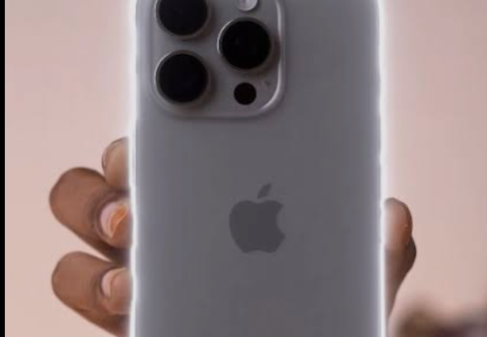
In the recent past the Rwandan government had made major strides in enhancing technology in the health sector by providing Community Health Workers (CHWs) with smartphones and other related digital devices like iPads to better coordinate the health systems in their respective villages and cells with District or referral hospitals across the country.
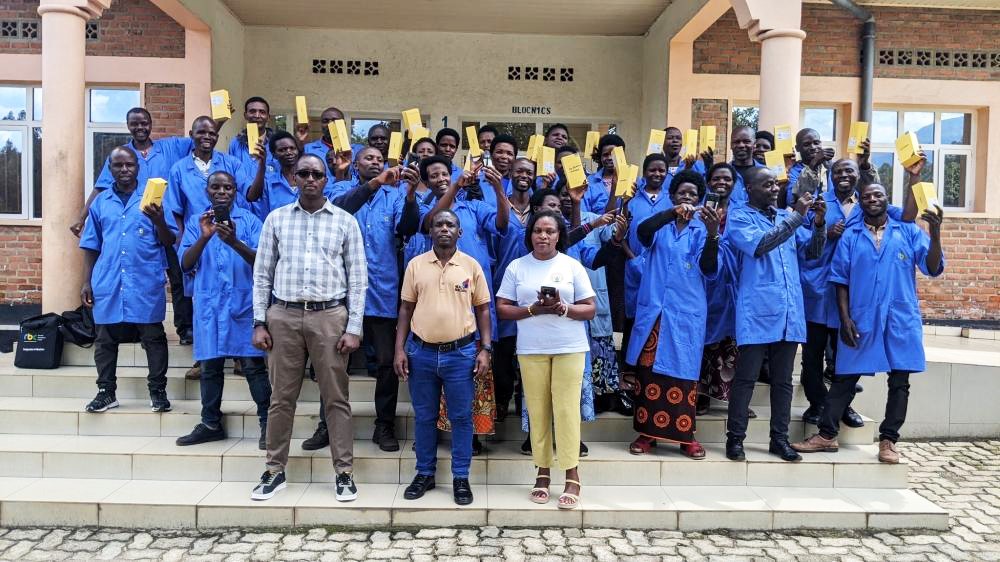
By 2010, the Rwandan government had distributed 8,720 free mobile phones to community health advisors, with an additional 938 smartphones provided in Nyabihu District in 2024 by Health Builders and Sanofi, enabling the use of the cEMR system. According to Telecompaper, the initiative aimed to enhance healthcare in rural areas by facilitating the reporting of health situations, receiving SMS instructions, and accessing information on antenatal care, immunizations, and nutrition. In Kigali, over 3,700 health workers at village health centers received mobile phones as well according to RBC, as part of efforts to improve communication and coordination.
From November 15 to December 3, 2021 MINICT with MTN Rwanda distributed one smartphone to one household per village amounting to a total of 16,250 smartphones across all thirty districts in the country. The programe commenced with seven districts as Gicumbi, Bugesera, Gatsibo, Nyabihu, Ngororero, Gisagara and Huye.
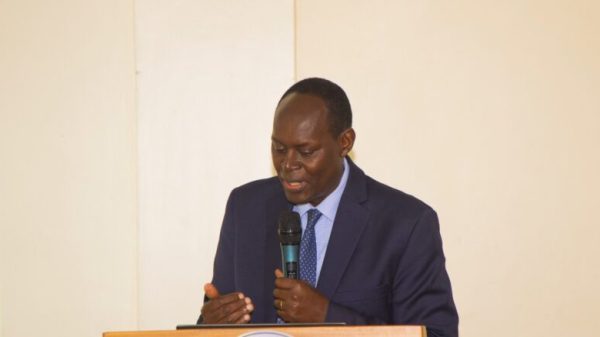
During the handover ceremony in Bugesera District, the then Mitwa, MTN Rwanda Chief Executive Officer Ng’ambi said “Distributing one smartphone to one household in every village across the country in partnership with MINICT, brings us a step closer to achieving our ambitious goal of closing the digital divide in Rwanda. We are happy to see more pledges coming in, which goes to show that what started out as an idea has now grown into a movement.”
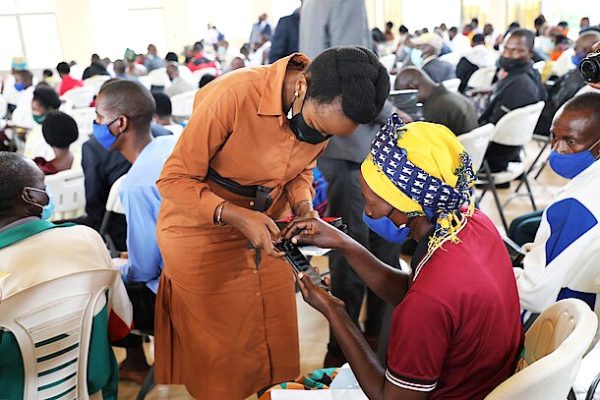
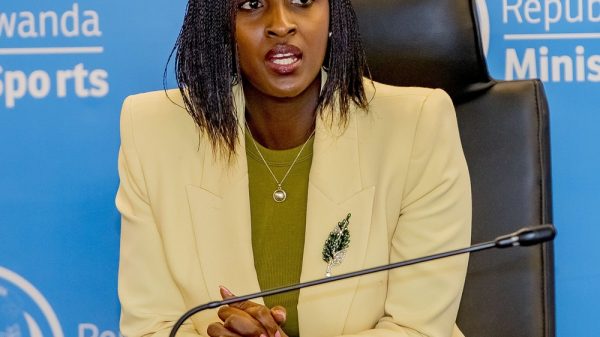
The minister of ICT during Paula Ingabire hands over a smartphone to one of the CHW.
During then, ConnectRwanda phase 1 was launched in December, 2019 by MINICT in partnership with MTN Rwanda creating awareness across the country regarding the importance of smartphone ownership, and curated a pledge program that saw a national multi-industry participation where over 44,000 smartphones were pledged and 24,973 were honoured. Out of these, 7,670 have been distributed to date.
It should be noted that since the beginning of the different ICT related projects in the health sector, all Rwandan medical facilities are hundred per cent (100%) connected to internet which increases the ease of provision of health services between community health Workers and connecting patients with referral or other specialized facilities.
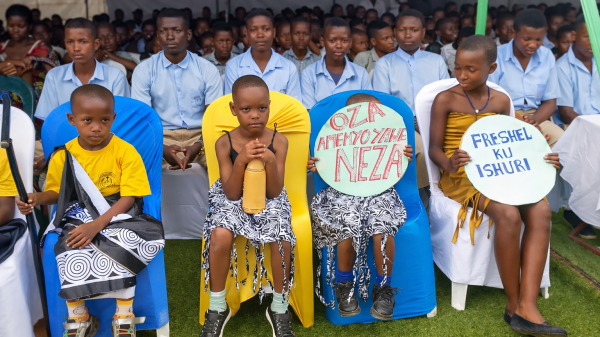
While successful experiments across a range of contexts provided inspiration for CHW programs in Rwanda, numerous challenges arose in the process of shifting from effective and small-scale local projects to national CHW schemes. Common problems cited included lack of community integration, unrealistic expectations, unsupportive environments, poor supervision, lack of appropriate incentives, high turnover, and ultimately poor quality services and cost-effectiveness, which prompted the government to put CHWs on a priority sector.
Rwanda is also taking another big step forward in healthcare by using artificial intelligence (AI) to help its 58,567 community health workers (CHWs) do their jobs better and faster.