Panorama Business
The Rwanda Energy Group (REG) has announced significant progress in expanding electricity access across the country, revealing that by the end of 2025, 85.4% of households already have access to electricity, up from 64.53% recorded five years ago in the 2020/2021 fiscal year.
According to REG, the distribution of electricity has reached an advanced stage, and efforts toward achieving universal access (100%) are ongoing.
Speaking on the progress made, REG Chief Executive Officer Eng. Eng. Armand Zingiro stated:
“Over the past five years, electricity access has increased from 64.53% to 85.4% of households. This represents a growth of 20.87%, which clearly reflects the scale of work accomplished. Of these households, 60.1% are connected to the national grid, while 25.3% rely on solar energy.”
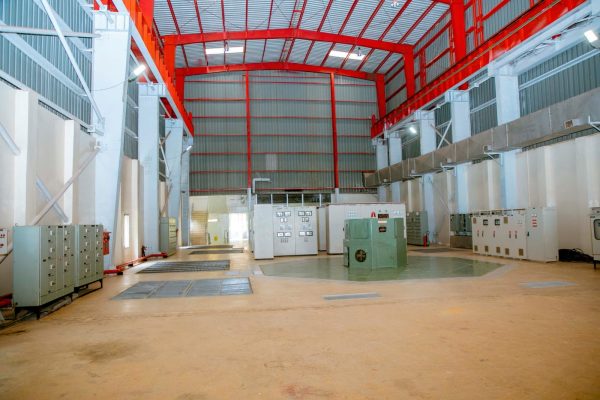
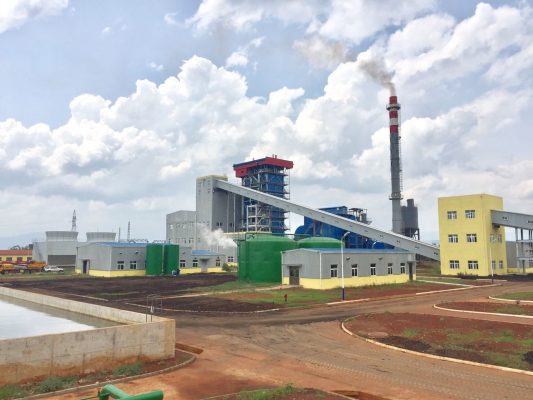
He added that Rwanda’s electricity generation capacity has grown from 238.36 MW in 2020/2021 to 467.142 MW today, with projections indicating that capacity will reach 1,066 MW by 2034, in line with REG’s Strategic Plan (2024–2034).
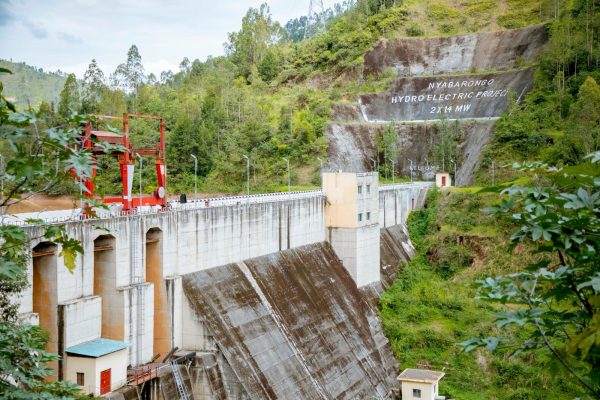
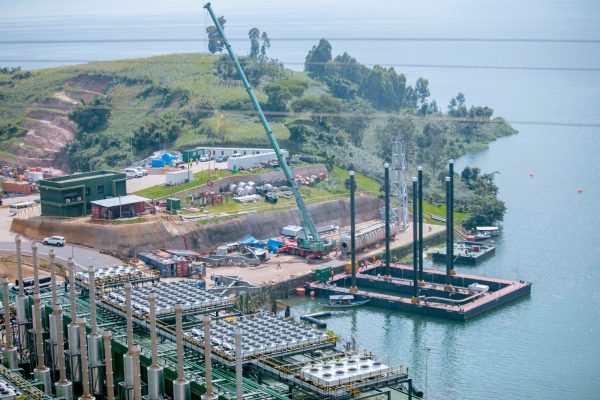
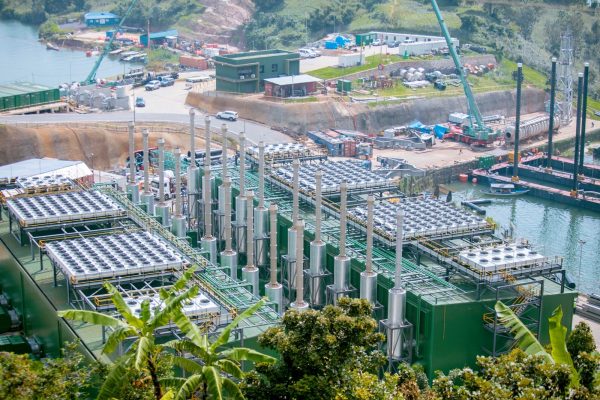
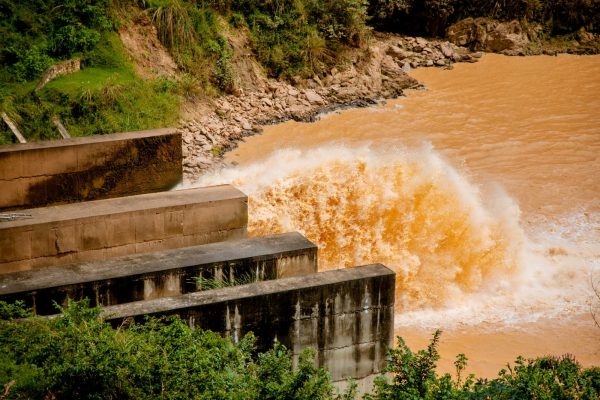
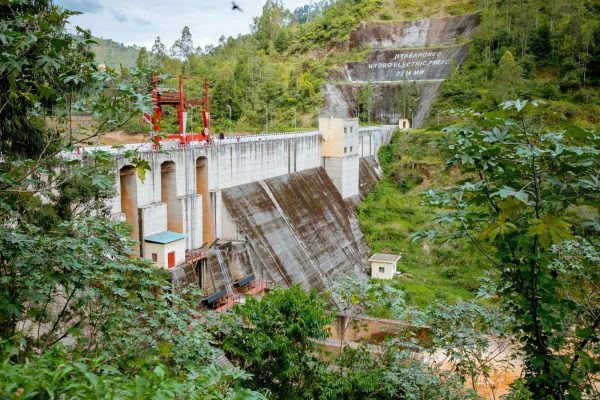
To further increase electricity generation, several hydropower projects are under construction, under study, or planned. Among them is the Nyabarongo II Hydropower Plant, expected to generate 43.5 MW. The project is currently at 57%.
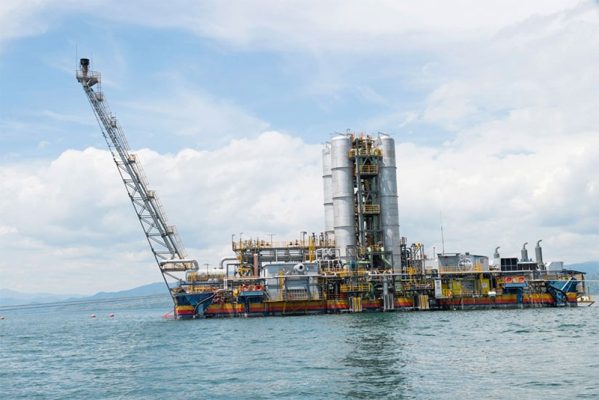
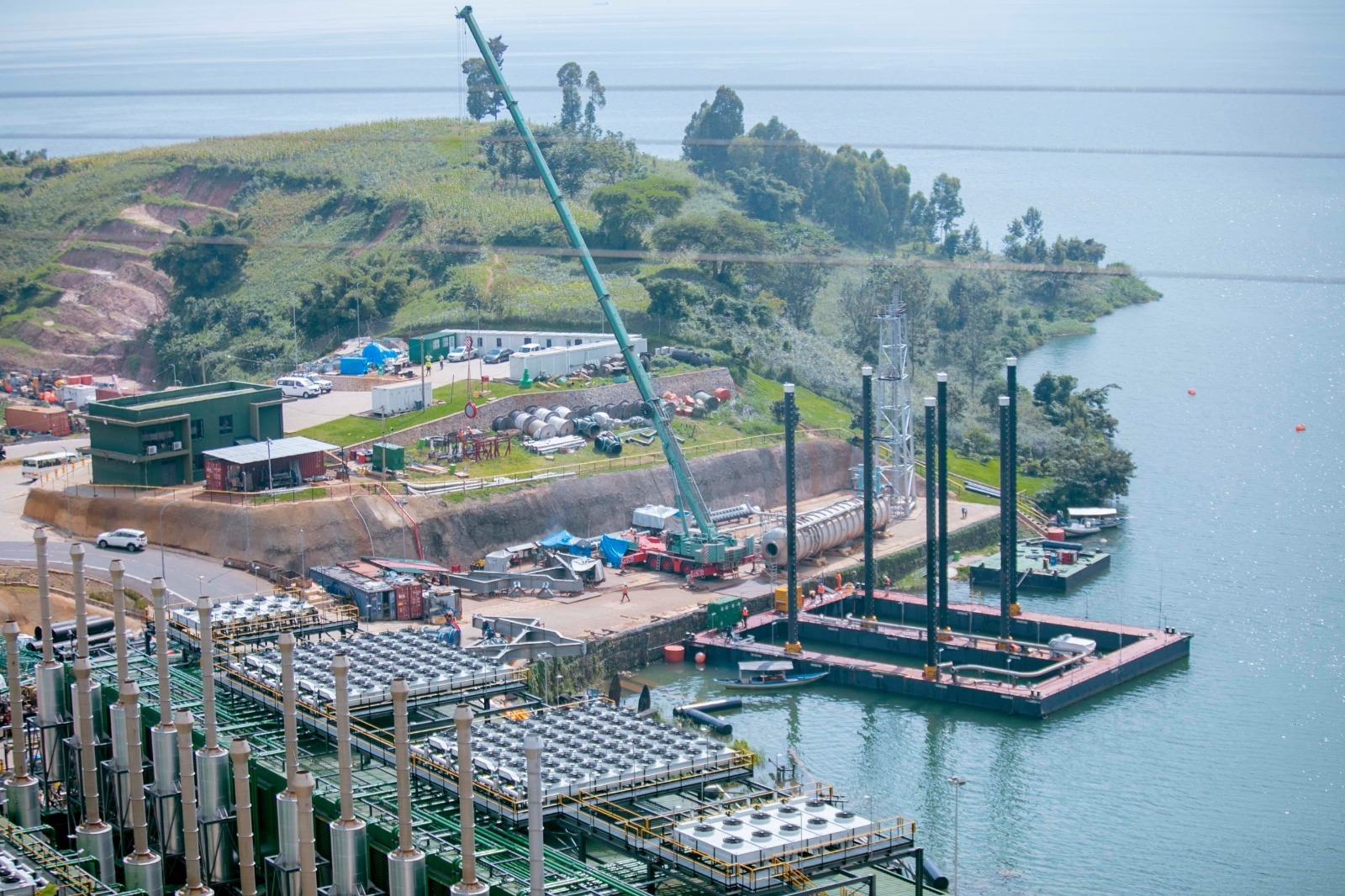
Other ongoing projects include Rukarara VI Hydropower Plant (9.7 MW), which is 26% complete, and Nyirahundwe Hydropower Plant (0.909 MW), currently at 71%. REG also highlighted the Rusizi III Hydropower Project (206 MW), a regional initiative shared by Rwanda, Burundi, and the Democratic Republic of Congo. Construction has begun, though progress has been derailed by political challenges among the partner countries.
Beneficiaries of electricity access say it has significantly improved their livelihoods and helped them move out of isolation. Many expressed gratitude to President Paul Kagame for prioritizing development.
Uwimana Berancille, a resident of Munyaga Sector in Rwamagana District who recently received electricity, said the connection transformed her life:
“Since we got electricity, we have been very happy. We feel that we have come out of darkness into a better life. We thank President Kagame for his caring leadership. We were widows with no homes, and we were given houses. Now we have also been given electricity, which is a great blessing.”
Another resident, Nkuranga Juvenal from Kaduha Cell, shared similar sentiments:
“We were very happy when electricity reached us. We now have lighting, can charge our phones, children study better and their academic performance has improved. We have also started thinking about income-generating projects to further develop ourselves.”
REG further reported that feasibility studies are ongoing for additional projects, including the expansion of the Ntaruka Hydropower Plant, with the study expected to be completed next year to determine additional capacity. Planned solar power projects include Mpanga Solar PV (30 MW), Nyabarongo II Solar PV (200 MW), Izuba CB Energy Rwanda (4.13 MW), among others.
Efforts to upgrade and replace aging electricity infrastructure are also underway. Distribution lines rehabilitated and upgraded have increased from 944.39 km in 2020/2021 to 1,158 km today.
To date, Rwanda has constructed a total of 38,358.83 km of electricity distribution lines, including 12,645.40 km of medium-voltage (MV) lines and 25,713.43 km of low-voltage (LV) lines.
REG plans to continue expanding and modernizing the electricity network by upgrading medium-voltage lines, replacing old and substandard poles, and reducing the use of unsafe electrical equipment.
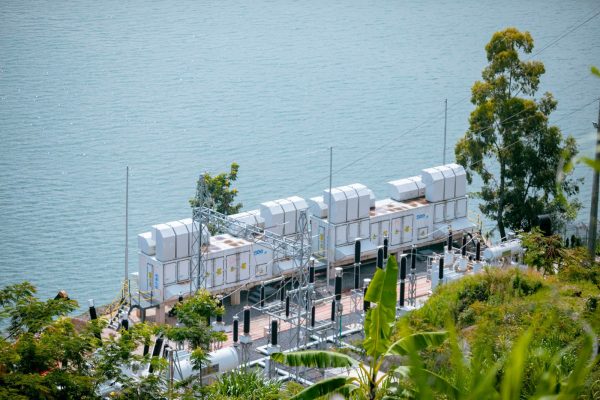
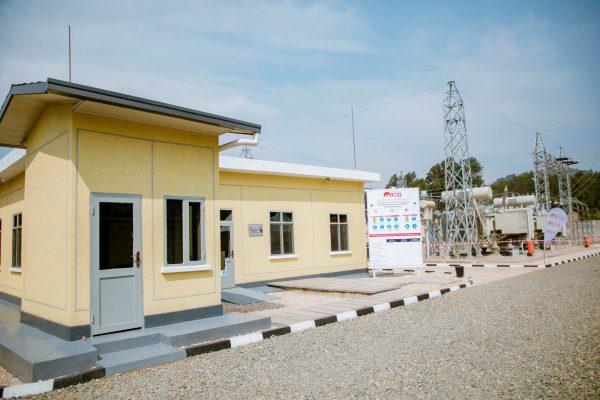
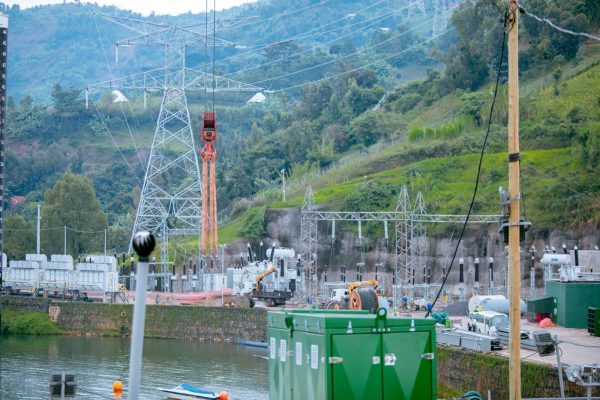
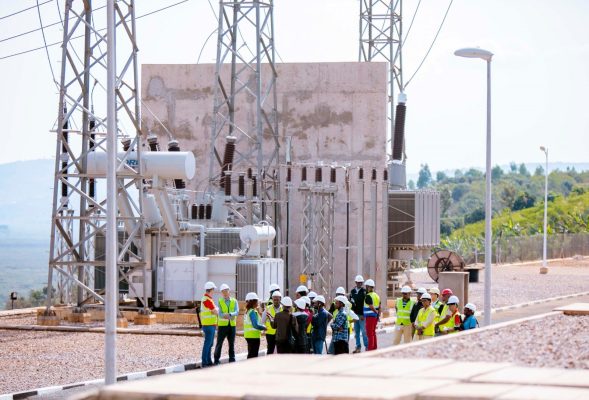
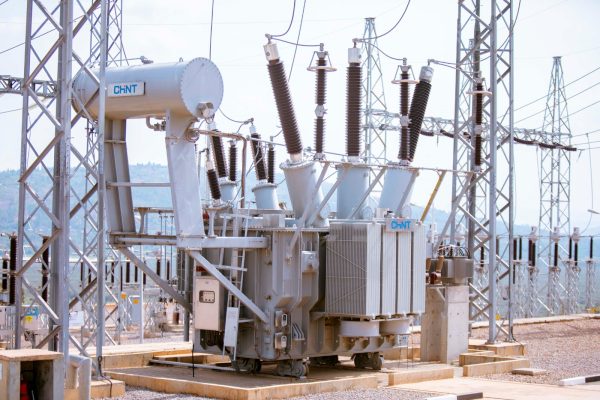
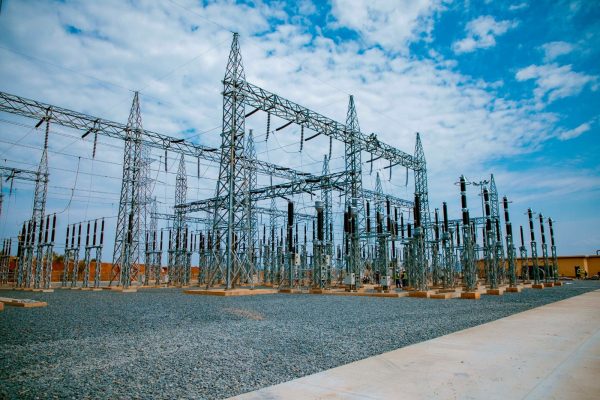
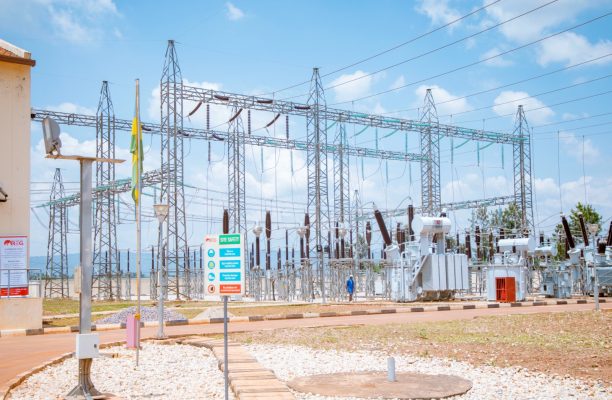
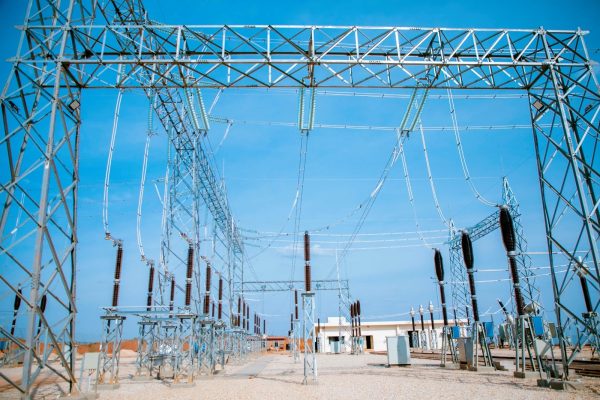
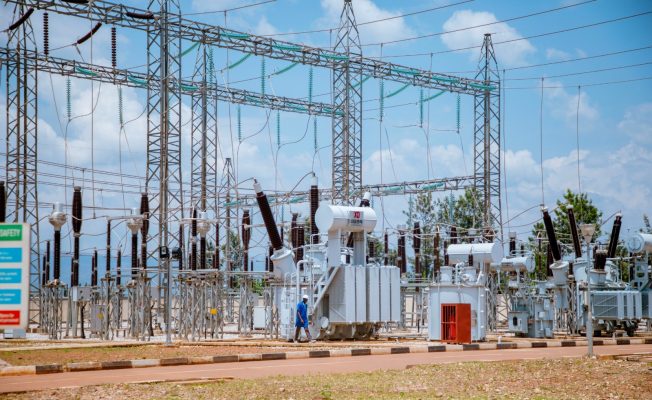
In the City of Kigali, rehabilitation of electricity distribution networks has reached 67% completion, while substations continue to be upgraded and expanded across the country. So far, 37 substations have been constructed to support nationwide electricity distribution.
REG’s long-term vision also focuses on reducing frequent power outages by replacing low-capacity equipment and increasing supply sources. The Government has set a goal of ensuring that 100% of Rwandans have access to electricity by 2029.