














































































Analysis and Opinion by Nsengiyumva Patrice
 Continuing our series of articles for a more peaceful world, under the slogan “No to war, yes to peace,” the OIF once again takes center stage.
Caught between persistent security pressures in the Great Lakes region and an imminent leadership transition at the head of the Organisation Internationale de la Francophonie (OIF), the French-speaking world is experiencing a strategic turning point.
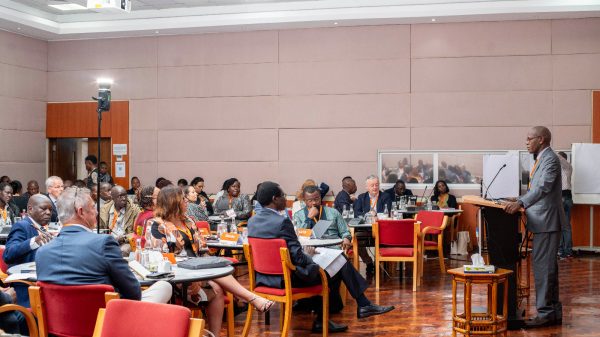
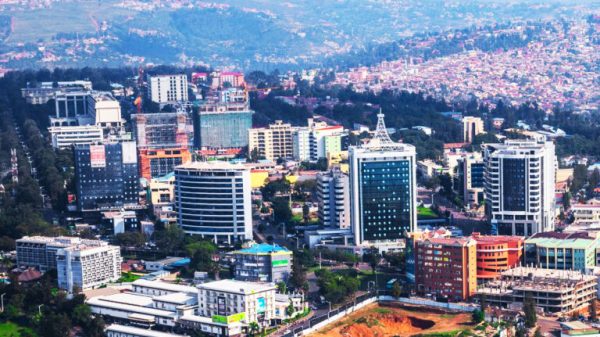
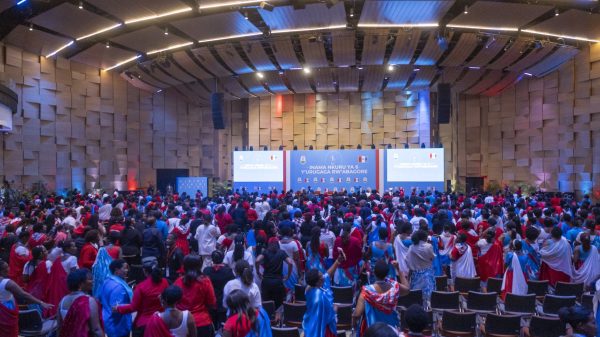
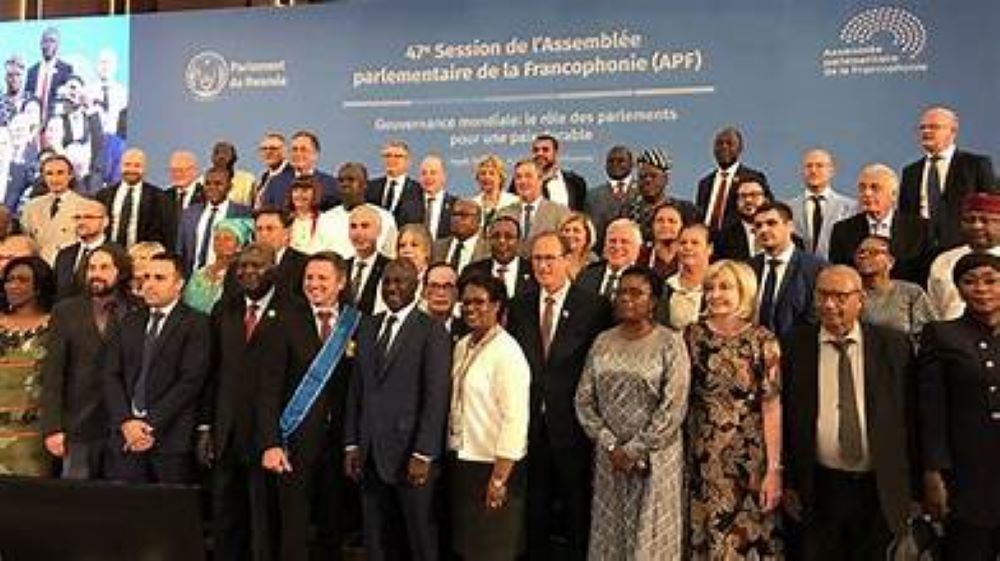
The 46th Ministerial Conference of La Francophonie (CMF), held in Kigali from 18 to 20 November 2025, against a backdrop of boycotts and regional rivalries, precedes the 2026 Summit in Cambodia, which will mark the end of Louise Mushikiwabo’s mandate and reignite the contest for Francophone leadership. A moment of truth for an organization increasingly expected to demonstrate its political influence in times of crisis.
Diplomatic Tensions in Kigali
The Kigali CMF, officially focused on gender equality, took place in a charged atmosphere. The absence of the Democratic Republic of Congo, the world’s most populous Francophone country, which chose to boycott the meeting, cast a long shadow over the event. This symbolic gesture comes as violence continues to plague eastern Congo and the international community intensifies its calls for dialogue.
Kinshasa in “Crisis Mode”: The CIRGL Summit
On 15 November 2025, Kinshasa hosted the 9th Summit of Heads of State of the International Conference on the Great Lakes Region (CIRGL), under the theme “Consolidating peace and security for sustainable development.”
Preparatory meetings began as early as 31 October, followed by the 19th Meeting of the Regional Interministerial Committee on 13 November, attended by the Congolese Prime Minister.
At the close of the summit, the DRC assumed the rotating presidency of the CIRGL for a two-year term, placing itself at the heart of regional diplomacy.
Francophonie vs CIRGL: A Dilemma of Effectiveness
These two major events expose a strategic divide. On one hand, the CIRGL in Kinshasa rallies states around a concrete agenda: pressure on armed groups, security cooperation, and institutional reform. On the other, La Francophonie in Kigali adopts a more normative posture: gender equality, institutional solidarity, and multilateral diplomacy.
This contrast underscores a pressing question for the OIF: how can it play a meaningful role in regional peacebuilding when key member states stand in open political opposition?
Transition at the OIF: Eyes on Phnom Penh
Beyond the tensions, the Kigali Ministerial Conference also sets the stage for the next Summit of La Francophonie, scheduled for 2026 in Cambodia, which will mark the end of Louise Mushikiwabo’s tenure as Secretary General, a position she has held since 2018. Her succession will be decisive: the moment has come to redefine the OIF’s political role — not merely as a guardian of Francophone values, but as a credible diplomatic actor in times of crisis.
A Turning Point for La Francophonie
At this critical juncture, La Francophonie stands at a crossroads. It must move beyond symbolic resolutions and prove its ability to influence regional crises. The choice of its next leader, its stance on the violence in the Great Lakes, and its willingness to open concrete pathways to peace will determine whether the organization remains a forum of principles… or evolves into a true instrument of political influence in a rapidly changing Francophone world.
To conclude, I take this opportunity to extend my heartfelt congratulations to my compatriot Madame Louise Mushikiwabo, the outgoing Secretary General, for her contribution to peace throughout her mandate at the helm of the OIF. Together stands for peace by joining the FSDS’s global network “ No to war, yes to peace!”.