

















































































Rene Anthere Rwanyange
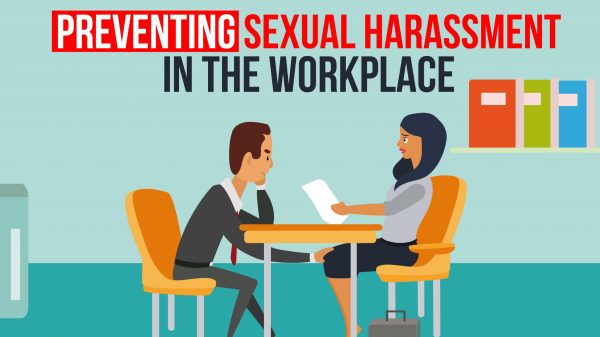
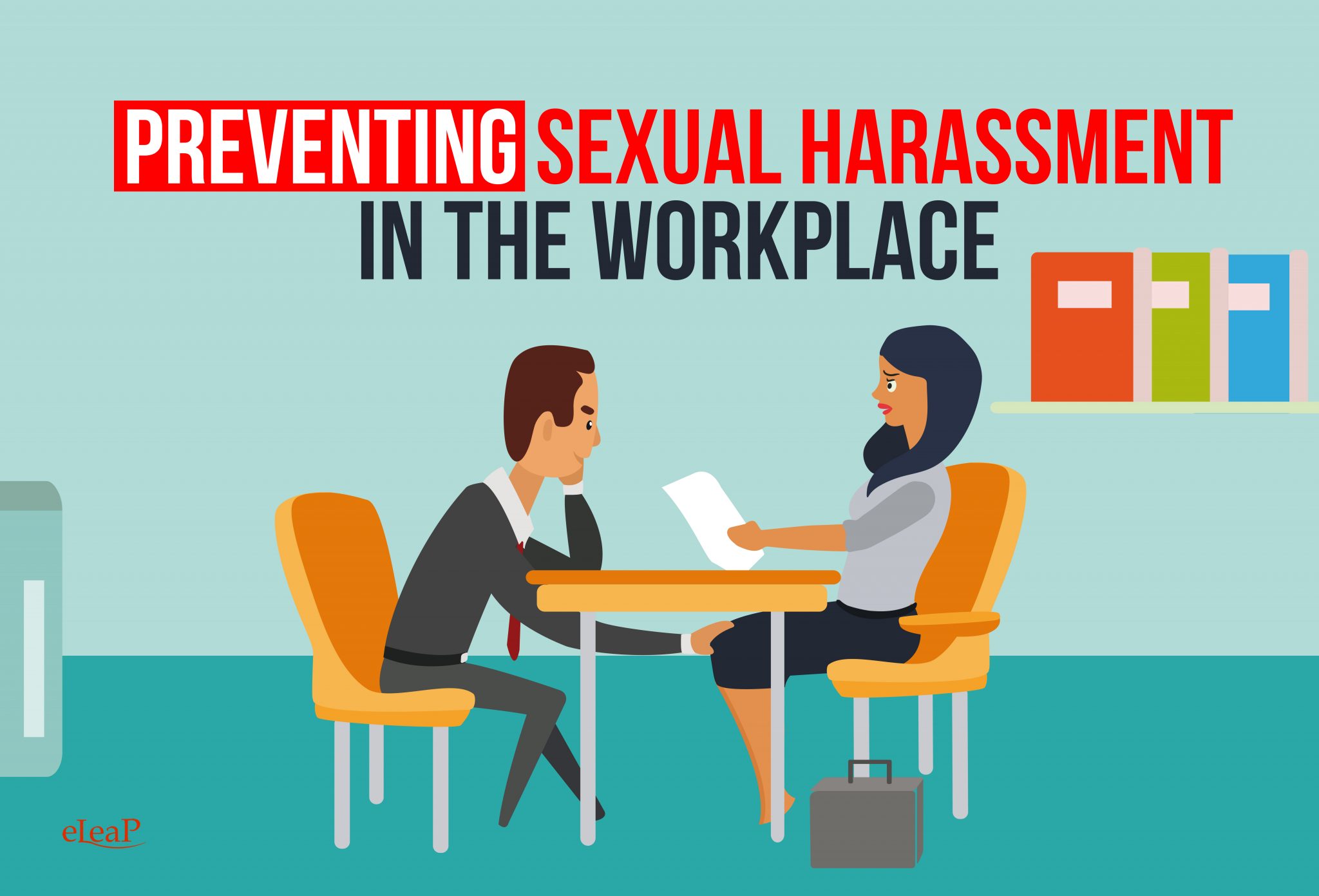
Workplace Sexual Harassment is a form of violence defined as a range of behaviors and practices considered unwanted, unacceptable, inappropriate and offensive and offensive to the recipient, which create an intimidating, hostile or unstable work environment.
It is committed when an employer, supervisor, manager or co-worker, undertakes or attempts to influence the process of recruitment, promotion training, discipline, dismissal, salary increment or other benefit of an existing staff member or job applicant, in exchange for sexual favors.
Workplace harassment is rooted in power imbalances between women and men and is often less about sexual interest and more about reinforcing existing power relations within the given society.
Globally, women are more likely than men to have experienced violence and harassment over their working life, where according to IOL’s survey in 2022, stated that 8.2% women in employment had experienced sexual violence and harassment compared to 5% of men.
In 2022, Transparency International in Rwanda conducted a research which revealed that up to 75% of women in Rwanda faces cases of sexual harassment and exploitation while seeking employment.
The issue is most preventing in the private sector at 57%, in higher learning institutions at 42% and in a local government at 37%.
Women experience coercion from superiors for sexual favors, receive sexually suggestive remarks and demands for sexual acts in exchange for career advancements and opportunities at the hand of those who are entrusted with power.
A report, September 2024 by HDI, towards safeguarding against sexual harassment in the world of work in Rwanda, a regional study on the effectiveness of anti-sexual Harassment Policies revealed that 47.6% of Rwandan respondents had experienced verbal sexual harassment at least once, while 29% reported physical sexual harassment in the workplace.
During a focused group discussion facilitated by FES Rwanda in November 2023, actors engaged in the la and women’s rights movements including feminists, civil society activities and trade union workers came together to reflect on conditions that produce workplace sexual harassment, which are summarized below.
Abuse of power: Rwanda’s records show that female employment rate has steadily increased since 2000 including in leadership or managerial positions. However, there still male-dominated industries where men occupy positions of power, and violence and harassment go unchecked.
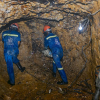
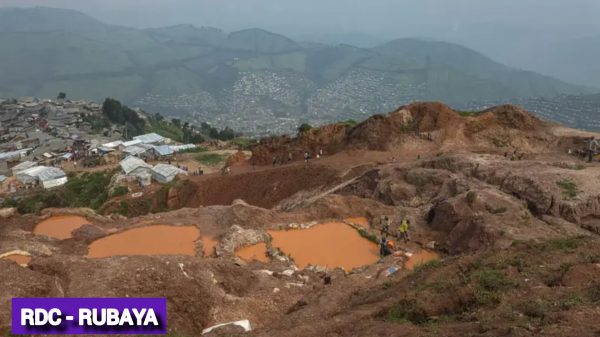
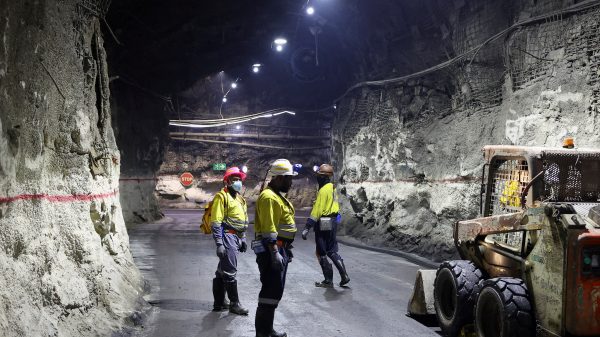
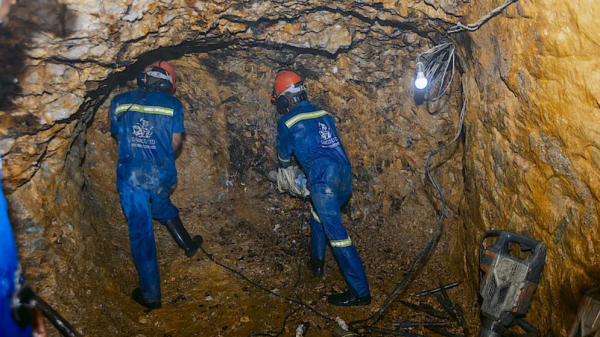
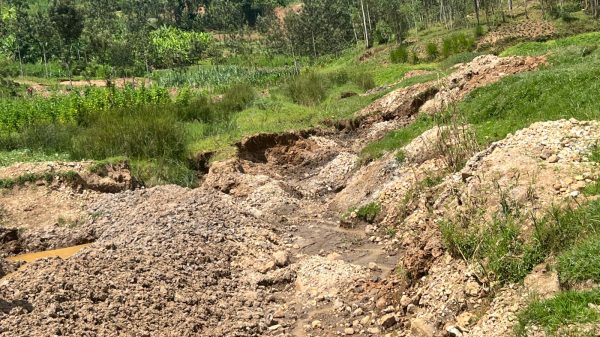
In the mining sector for instance, these have been numerous cases of sexual harassment subjected to women especially widows and single mothers. Because women are seen as physically weaker and therefore unable to contribute as much as men, they are forced to have sexual relations with those responsible for hiring them, and times forced to pay a given percentage of money to be employed in this sector.
This situation may be exacerbated by high rates of unemployment in youth, as it forces vulnerable groups like young women, persons with disabilities, and teenage mothers to engage in sexual relations with those in power to support themselves and their families.
Perceived gender roles in society: Rwanda society holds gendered beliefs about men and women rooted in rigid cultural and religious constructions of masculinity and femininity. The se may include norms as commonly held ideas about the role and work divisions should play in public spheres. May hold the belief that women and men’s role that women should be distinct, with men being the providers and women homemakers. Therefore, many believe that women occupying public spaces goes against these in many resulting in violence and harassment at work.
Lack of zero tolerance to workplace sexual harassment: while Rwanda’s laws prohibit discrimination and harassment in the workplace, these a lack of clear definition of terms, forms of sexual harassment, prevention and protection measures, as well as mechanisms for supporting victims of workplace sexual harassment in these same laws.
This leaves loopholes in how public and private institutions perceive the issue and how they handle cases that arise. Where anti- harassment policies exist, they may focus on major and explicit acts like rape while leaving out micro – aggressive behaviors actions that may be hard to detect. Additionally, the lack of transparency in recruitment and promotion processes in many institutions enables an environment where sexual harassment may thrive.
Ultimately, workplace sexual harassment has significant negative impact on those it affects as well as institutions: it exacerbates already existing gender gaps in the world of work, e.g. the pay and the gap in labour force participation of work of women; it limits women’s economic opportunities and career options; poor performance at work due to frequent absence at work or failure to participate in work activities; the victimization and scorning of those who report it, it erodes the victim’s self-esteem, reputation, mental physical wellness.
Rwanda ratified the International Labor Organization›s Violence and Harassment Convention (ILO C190) on May 23, 2023, and deposited the instrument of ratification on November 1, 2023. The Convention, the first global labor standard addressing violence and harassment at work, will take effect on November 1, 2024. This ratification marks a significant step towards addressing sexual harassment in the workplace through Rwanda’s legal, policy, and institutional frameworks.
Rwanda is also a signatory to other conventions and international human rights instruments such as International Convention of civil and Political rights( articles 2, 3, 9, 17 and 26); Convention Against Torture and Other Cruel, Inhuman or Degrading Treatment or Punishment (article 16); Convention on the Elimination of all forms of Discrimination Against Women (Articles 2, 3, 11 and 15 ); African Charter on Human and Peoples’ Rights(articles 2-6, 15-16, 18, 28 ) and the Protocol to the African Charter on Human and Peoples’ Rights on the Rights of Women in Africa (Articles 2-4, 8, 13 and 25), which further reinforce its commitment to preventing sexual harassment in the workplace.
Rwanda has a solid legal, policy and institutional framework to expand measures to prevent and respond to sexual harassment in the world of work. Specifically, Rwanda’s ratification of the ILO Convention on violence and harassment ushers in a chapter to revisit existing legal, policy and institutional framework with a view to address any missing gaps.