Written by: Malliavin Nzamurambaho
The aftermath of genocide against the Tutsi presents significant challenges for any nation, particularly in sectors that are vital to economic stability and food security. The horticulture industry, which forms an integral part of the wider agricultural sector, is no exception to this rule. This leads to the question of whether to what extent has the horticulture industry recovered in countries such as Rwanda, which have experienced a devastating genocide.
It is pertinent to inquire as to the parties responsible for facilitating the recovery process
The government and international organizations played a pivotal role in the recovery process. In the aftermath of the 1994 genocide, the Rwandan government, with the assistance of international organizations and non-governmental organizations (NGOs), assumed a leading role in the recovery process.
The Rwandan government played a pivotal role in the recovery process by implementing policies and programs aimed at revitalizing the agricultural sector, including horticulture. International bodies, including the United Nations and the World Bank, provided indispensable financial and technical assistance. Non-governmental organizations (NGOs) also made a significant contribution by providing resources and expertise.
The role of farmers and communities in the recovery process is of significant importance. Local farmers and communities constituted the foundation of the recovery effort. They were directly involved in the reconstruction of their livelihoods through agricultural activities and community programs designed to restore agricultural productivity and social cohesion.
What measures were implemented to facilitate recovery?
The Rwandan government implemented a series of initiatives to revitalize the horticulture industry. The most significant of these was the Vision 2020 program, which aimed to transform the agricultural sector by improving productivity and modernizing farming practices. This included the provision of subsidies, grants, and loans to farmers.
Financial assistance and technical support from international organizations were crucial. This support included funding for infrastructure development, such as roads and irrigation systems, as well as for agricultural research and development. These resources are allocated for the development of drip and irrigation systems, as well as for agricultural research and development.
The reconstruction of physical infrastructure constituted a substantial element of the recovery process. Restoration efforts were concentrated on the rebuilding of roads, irrigation systems, and storage facilities, which are vital for agricultural activities.
Training programs were established to educate farmers on modern horticultural practices, pest control, and sustainable farming techniques. Research and development initiatives were undertaken to create resilient crop varieties and innovative farming methods.
Community programs were implemented to rebuild trust and cooperation among communities affected by the genocide. Special attention was devoted to supporting women and young people in re-entering the agricultural workforce.
Microfinance and credit facilities were introduced to enable farmers to invest in necessary inputs like seeds and equipment. In terms of market access, efforts were made to re-establish local and international markets for horticultural products.
In addition, there was a focus on improving the value chain through better processing, packaging, and marketing. The concept of sustainability is of paramount importance in this context. It was imperative to promote sustainable horticultural practices to guarantee long-term productivity and environmental health. Strategies were devised to enhance climate resilience and address environmental challenges.
At what point in time did the recovery efforts commence?
The recuperation of Rwanda’s horticulture industry commenced shortly after the 1994 genocide and has continued slowly. The initial phase of recovery efforts was primarily focused on providing immediate relief and reconstruction, while long-term strategies for economic development and agricultural sustainability have been implemented over the subsequent decades. The pace and extent of recovery have varied, with notable progress made in the last two decades.
What were the primary areas of focus for recovery efforts?
A regional focus was adopted. Recovery efforts were concentrated in various regions across Rwanda, each of which possessed distinctive conditions conducive to horticultural production. The key regions included were:
- The Northern Province is distinguished by its volcanic soil and temperate climate, which are
conducive to the cultivation of a variety of vegetables, including Irish potatoes, carrots, and cabbages, as well as fruits such as apples and passion fruits.
- The Western Province also saw significant horticultural production. The fertile soils in the vicinity
of Lake Kivu proved conducive to the cultivation of a variety of crops, including tomatoes, pineapples, and avocados.
- The Eastern Province, characterized by semi-arid conditions, is particularly suited to the cultivation
of drought-resistant crops such as watermelons and onions.
- The Southern Province saw a variety of agricultural activities, including the cultivation of tomatoes, eggplants, and bananas.
The city of Kigali is notable for its urban agriculture initiatives, which have contributed to the city’s food security and resilience. In urban and peri-urban areas, there was an increase in horticultural activity to meet the demands of a growing urban population.
The necessity of the recovery effort is evident when one considers the following reasons: The recovery of the horticulture industry was of vital importance for many reasons.
Economic Stability: Horticulture plays a pivotal role in Rwanda’s agricultural sector, providing a crucial contribution to the country’s economic stability and growth. It was imperative to revitalize this industry to restore livelihoods and foster economic recovery.
The issue of food security is of paramount importance in any discussion of economic recovery. The reconstruction of the horticulture sector was of paramount importance for guaranteeing food security and supplying essential produce for local consumption and export.
Social reconciliation: The agricultural sector, including horticulture, played a role in social reconciliation by providing employment opportunities and fostering community collaboration.
What were the factors that enabled the recovery to be achieved?
Strategic Planning and Implementation: The recovery process entailed the formulation of strategic plans and the implementation of policies and programs that addressed economic, social, and infrastructural concerns.
The government implemented a series of policies designed to facilitate the recovery process. The Rwandan government devised and implemented policies designed to bolster agricultural development, exemplified by the Vision 2020 program. Financial incentives and infrastructure investments were fundamental elements of these policies.
International Support: International organizations provided indispensable resources, including financial assistance, technical support, and expertise, thereby facilitating the reconstruction and modernization of the horticulture sector.
Community Engagement: Local farmers and communities were actively engaged in the recovery process, participating in training programs, reconstruction efforts, and social initiatives.
Technological and Research Advancements: The adoption of modern farming techniques, coupled with research and development in crop varieties and sustainable practices, played a crucial role in enhancing productivity and resilience.
Current Status and Future Outlook: As of now, the horticulture industry in Rwanda has made notable strides in recovery and growth. The sector has seen an increase in production volumes, improved market access, and significant contributions to the national economy.
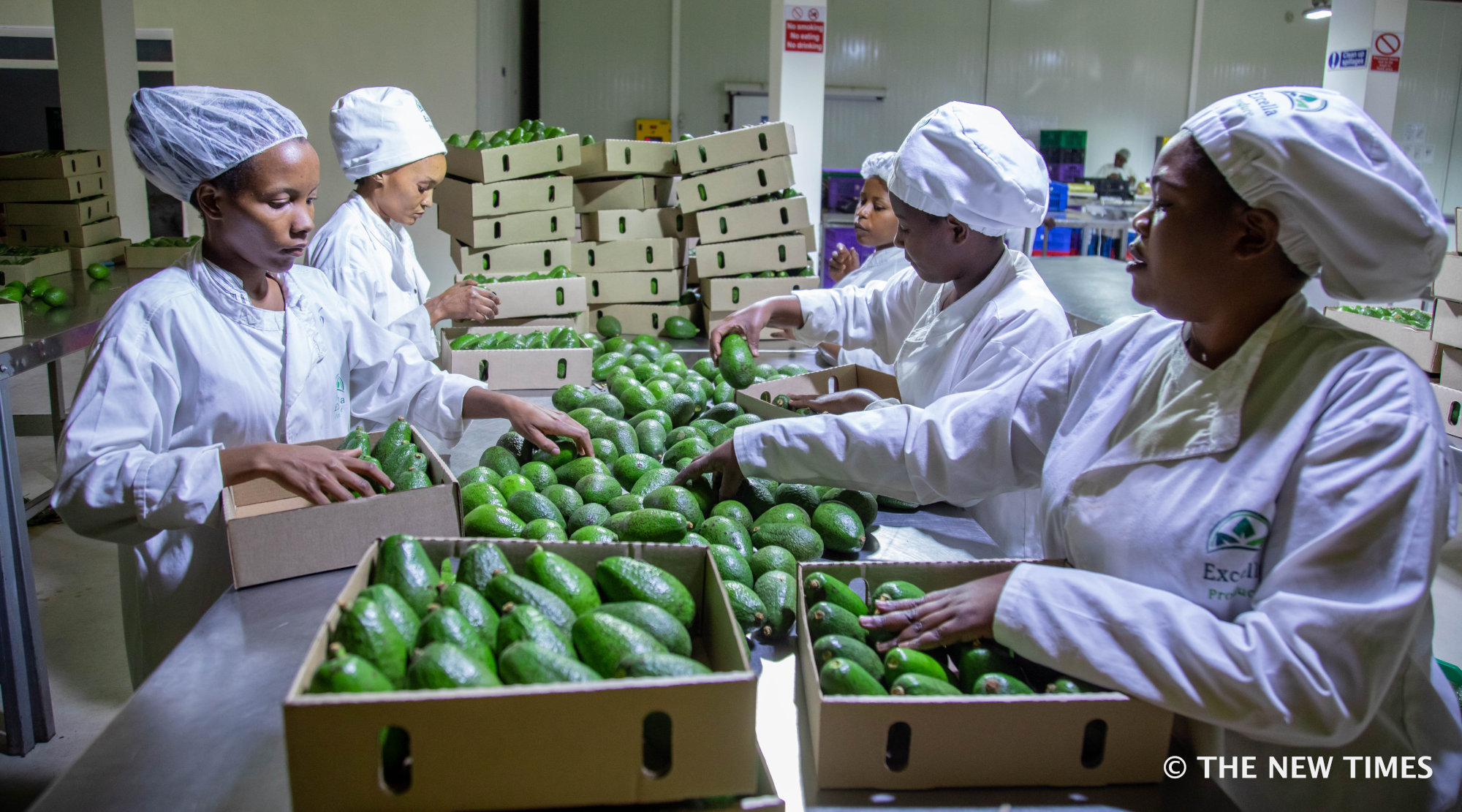
Horticultural factories in Rwanda have achieved annual production volumes of several thousand tons. By way of illustration, medium-sized factories typically produce between 1,000 and 2,000 tons of vegetables on an annual basis. The horticulture sector has become a significant contributor to Rwanda’s GDP, with increased employment opportunities and export revenues.
Market Growth: There has been an increase in both the importation of horticultural inputs and the local consumption of horticultural products.
The future of Rwanda’s horticulture industry appears promising, contingent on several factors. It is anticipated that continued government support, technological advancements, infrastructure development, and capacity building will facilitate further growth. However, key challenges, such as climate change and market fluctuations, will need to be addressed to sustain progress.
The recovery of the horticulture industry in Rwanda following the genocide can be seen as an exemplar of resilience and revitalization. Through strategic planning, international support, and community engagement, the industry has not only recovered but also flourished, contributing to the nation’s economic and social development.
End.